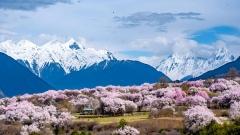

Tibetan monks are among the most recognizable figures of Tibetan Buddhist culture. Their red robes, prayer ceremonies, philosophical debates, and lives centered on monasteries offer visitors a window into a spiritual tradition that has developed over centuries. But beyond the familiar image of a monk chanting in a monastery, what is daily life really like? This guide explores who Tibetan monks are, their role in Tibetan Buddhism, monastic education, daily routines, major monasteries and festivals, and how international travelers can interact with monks respectfully.
Key Points About Tibetan Monks
- Tibetan Buddhism includes four major traditions: Gelug, Nyingma, Kagyu, and Sakya.
- Monastic life commonly involves prayer, scripture study, meditation, philosophical debate, and community responsibilities.
- Sera Monastery is particularly famous for its traditional Buddhist debates.
- Jokhang Temple, Drepung Monastery, Tashilhunpo Monastery, and other monasteries offer important insights into Tibetan Buddhist culture.
- Major festivals such as Monlam, Saga Dawa, Shoton, and Cham dance events provide opportunities to observe important religious traditions.
- Tibetan monks are not simply religious figures; monasteries also preserve education, art, rituals, philosophy, and cultural traditions.
Who Are Tibetan Monks?
Tibetan monks are Buddhist practitioners who dedicate their lives to religious study, meditation, prayer, rituals, and monastic discipline. In Tibetan Buddhist communities, monasteries have traditionally served not only as religious institutions but also as important centers of education and cultural preservation.
For centuries, monastic education played a particularly important role in Tibetan society. Young monks could spend many years studying Buddhist scriptures, philosophy, logic, rituals, and debate. Although modern Tibetan society has changed considerably, monasteries continue to be important places for religious learning and spiritual practice.
Monks may lead prayer ceremonies, perform religious rituals, offer blessings, teach Buddhist principles, and assist with important monastery activities. Their lives are therefore closely connected with the wider religious and cultural traditions of Tibet.
Monk, Lama, And Rinpoche: What Is The Difference?
A monk is a member of the Buddhist monastic community who follows monastic discipline and participates in religious study and practice.
A lama is generally a respected spiritual teacher who provides Buddhist guidance and instruction. A lama may or may not be a monk in the simple sense used by travelers.
Rinpoche, meaning “precious one,” is an honorific title used for certain highly respected Buddhist teachers or masters. It is a title of spiritual respect rather than simply another word for monk.
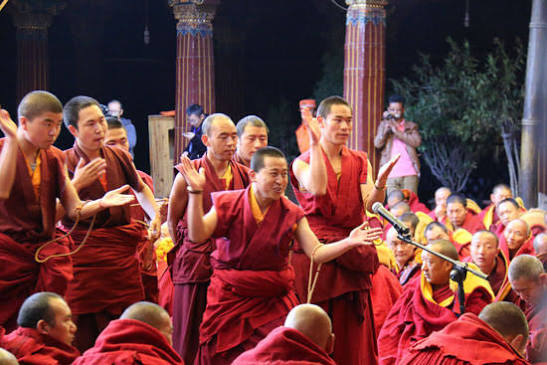
Tibetan Monk
The Major Schools Of Tibetan Buddhism
Tibetan Buddhism is traditionally associated with four major schools: Gelug, Nyingma, Kagyu, and Sakya. Each has its own lineage, teachings, rituals, and monastic traditions.
The Gelug school is particularly prominent in Tibet and is closely associated with major monasteries such as Sera and Drepung in Lhasa. Its tradition places strong emphasis on philosophical study, logic, discipline, and monastic education.
The Nyingma school is traditionally regarded as the oldest of the four major schools and is often associated with the “Red Hat” tradition.
The Kagyu school is strongly associated with meditation and oral transmission and is sometimes called the “White Tradition.”
The Sakya school has its own distinctive lineage and is particularly recognizable at some monasteries by architectural features incorporating red, white, and gray elements.
These traditions are different, but they share the broader foundations of Tibetan Buddhist philosophy and spiritual practice.
What Is Daily Life Like For Tibetan Monks?
A Typical Day In A Monastery
Monastic schedules vary from one monastery to another, but daily life generally follows a disciplined routine.
A monk’s day may begin before sunrise with communal prayers in the assembly hall. Monks gather to recite scriptures and perform prayers before beginning the day’s other activities. Meals, study, meditation, rituals, and monastery responsibilities are organized around this religious routine.
Buddhist education occupies a major part of monastic life. Monks may memorize scriptures, study philosophical texts, practice logic, attend teachings, and participate in debates. Meditation and personal reflection are also important parts of their spiritual development.
Monks may also help maintain monastery buildings, prepare for ceremonies, welcome pilgrims, care for religious objects, or complete other community responsibilities.
For visitors, this means that a monastery should not be viewed simply as a tourist attraction. It is a living religious community where people study, worship, work, and practice Buddhism every day.
Food, Clothing, And Living Conditions
Traditional Tibetan monk robes are generally dominated by deep red or maroon colors, with saffron or yellow garments often appearing during ceremonies or according to particular monastic traditions.
The precise style can vary between Buddhist schools and individual monasteries. Ceremonial clothing may be more elaborate, sometimes accompanied by distinctive hats or other religious garments.
The diet of Tibetan monks also varies. Not every Tibetan monk follows a strictly vegetarian diet. Traditional foods may include tsampa, butter tea, vegetables, noodles, and, depending on individual practice and local tradition, meat such as yak or mutton. Some monks or Buddhist communities follow vegetarian practices during particular religious periods.
How Tibetan Monks Study Buddhism?
Education is one of the defining features of traditional monastic life. Young monks may spend years studying Buddhist philosophy, scripture, logic, ritual practice, and debate.
Buddhist Debate At Sera Monastery
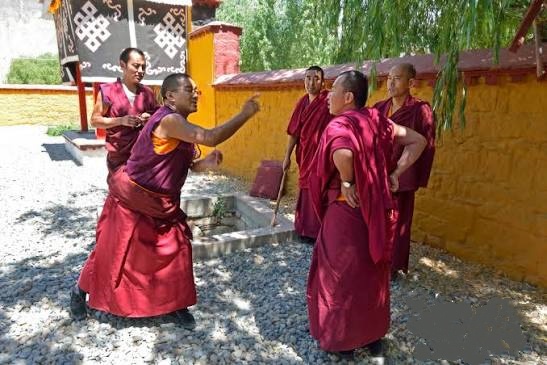
One of the most famous forms of Tibetan Buddhist education is philosophical debate. At Sera Monastery in Lhasa, visitors can observe monks engaging in traditional debates in the monastery courtyard.
The debates are energetic and can involve gestures, movement, and emphatic hand clapping. To an international visitor, they may initially look like a performance, but they are actually part of a serious intellectual tradition.
Through debate, monks test their understanding of Buddhist philosophy, develop logical reasoning skills, and learn to respond to challenging philosophical questions.
For travelers interested in Tibetan culture, observing this tradition provides a particularly vivid way to understand how Buddhist education works beyond simply reading about it.
Tibetan Monk Debating
Famous Monasteries Where Travelers Can See Tibetan Monks
Jokhang Temple
Located in the center of Lhasa, Jokhang Temple is one of the most sacred Buddhist sites in Tibet. It is surrounded by Barkhor Street, where pilgrims traditionally walk clockwise around the temple as part of their religious practice.
Visitors may see pilgrims making offerings, turning prayer wheels, or performing prostrations. The temple itself remains an active religious site rather than simply a historical monument.
Sera Monastery
Sera Monastery is one of the three great Gelug monasteries of Lhasa, together with Drepung and Ganden. It is particularly famous for its traditional monk debates.
The monastery provides an excellent opportunity to see Buddhist education in practice while also exploring traditional Tibetan monastic architecture and religious culture.
Drepung Monastery
Drepung Monastery is another of Lhasa’s great monastic institutions and has an important place in the history of the Gelug tradition.
Built across the hillside, its white buildings create a striking visual impression. The monastery has played an important role in Buddhist learning and the religious history of Tibet.
Tashilhunpo Monastery
Located in Shigatse, Tashilhunpo Monastery is traditionally associated with the Panchen Lama. Its impressive architecture, golden roofs, large Buddhist statues, and active religious atmosphere make it one of the major monasteries to visit beyond Lhasa.
Remote Monasteries Beyond Lhasa
Tibet’s monastic culture extends far beyond its major cities. Smaller monasteries can be found among high mountains, valleys, grasslands, and remote settlements.
Near Mount Everest, Rongbuk Monastery provides an extraordinary setting for experiencing Tibetan Buddhist culture against the backdrop of the Himalayas. In the Yarlung Valley, Samye Monastery is another historically significant religious site and is traditionally regarded as the first Buddhist monastery established in Tibet.
These less-visited monasteries can provide travelers with a quieter perspective on Tibetan religious life.
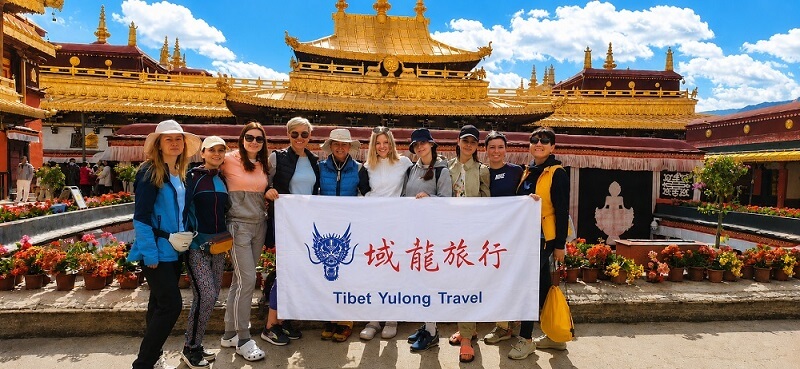
Tibet Tourists with Jokhang Temple
Tibetan Buddhist Rituals You May Encounter
Monk Chanting And Prayer Ceremonies
Chanting is an important part of Tibetan Buddhist religious practice. Monks may sit together in an assembly hall and recite scriptures or prayers, sometimes accompanied by horns, drums, cymbals, bells, and other traditional instruments.
The deep voices of the monks and the sound of ceremonial instruments can create a powerful atmosphere. Visitors should remember, however, that these are genuine religious activities rather than performances arranged for tourists.
Prayer Wheels, Butter Lamps, And Incense
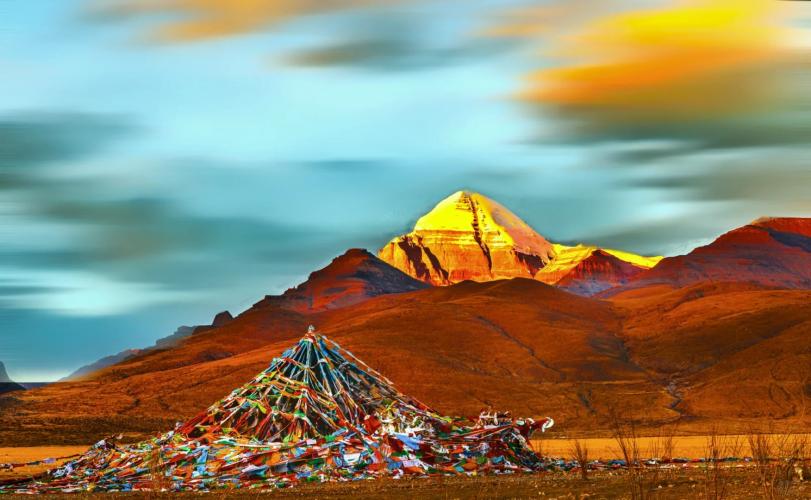
Prayer wheels, butter lamps, incense, and prayer flags are familiar elements of Tibetan Buddhist culture. They have religious meanings connected with prayer, merit, wisdom, compassion, and blessings.
Visitors may encounter these objects throughout monasteries and pilgrimage routes. When interacting with them, it is important to observe how local pilgrims use them and follow the established customs.
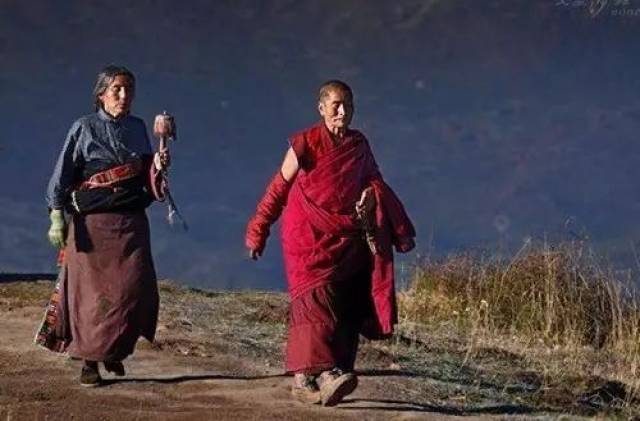
Kora of Tibetan Monk
Tibetan Buddhist Festivals And Monks
Monlam Prayer Festival
The Monlam Prayer Festival, or Great Prayer Festival, is one of the major events in the Tibetan Buddhist calendar. Monks gather for prayers, religious teachings, debates, and other activities, while pilgrims come to monasteries to make offerings and seek blessings.
For travelers interested in Buddhist culture, a festival period can reveal how strongly monastic traditions remain connected to the wider community.
Saga Dawa Festival
Saga Dawa commemorates important events in the Buddha’s life and is one of the most sacred periods in Tibetan Buddhism. Pilgrimage, prayer, charitable acts, offerings, and other religious practices become particularly visible during this time.
Mount Kailash and other sacred sites can become especially important destinations for pilgrims during this period.
Shoton Festival
The Shoton Festival is one of Tibet’s best-known cultural celebrations. One of its major highlights is the unveiling of a huge Buddha Thangka at Drepung Monastery.
The festival combines religious traditions with cultural celebrations, allowing visitors to see monks, pilgrims, artists, and local communities participating in different aspects of Tibetan culture.
Cham Dance Festivals
Cham is a form of sacred ritual dance performed at some Tibetan Buddhist monasteries. Monks may wear elaborate masks and costumes while performing choreographed movements accompanied by traditional instruments and chanting.
The dances are not simply entertainment. They form part of religious ceremonies and carry symbolic meanings within Tibetan Buddhist traditions.
How Should Travelers Interact With Tibetan Monks?
Dress Modestly
When visiting a monastery, choose respectful clothing. Avoid revealing clothing, very short shorts, and bare shoulders. Comfortable clothing that covers the shoulders and knees is a practical choice for most monastery visits.
Ask Before Taking Photographs
Photography rules vary between monasteries and individual buildings. Outdoor areas may permit photography, while prayer halls may prohibit it.
Always check the signs and follow instructions from monastery staff. If you want to photograph an individual monk, asking for permission first is the most respectful approach.
Walk And Speak Quietly
Monasteries are places of worship, study, and meditation. Speak quietly inside religious buildings and avoid interrupting monks during prayers or study.
At sacred sites, pilgrims generally walk clockwise around monasteries, stupas, prayer wheels, and other important religious objects. Visitors should follow local customs rather than treating sacred spaces as ordinary sightseeing locations.
Do Not Touch Sacred Objects Without Permission
Statues, scriptures, ritual objects, murals, and other religious items should not be touched unless you are explicitly invited to do so. Even seemingly ordinary objects may have important religious significance.
A respectful attitude is ultimately more important than trying to experience every ritual personally.
Can Travelers Experience Tibetan Buddhist Practices?
International visitors can observe many aspects of Tibetan Buddhist culture without participating in rituals themselves. Watching a prayer ceremony, observing a monk debate, walking around a sacred site, or turning a prayer wheel according to local customs can all provide meaningful cultural experiences.
Some visitors may also have opportunities to speak with monks, particularly in larger monasteries. Questions about Buddhist philosophy, monastery education, or daily life can lead to interesting cultural exchanges when asked respectfully.
The goal should not be to “perform” Tibetan Buddhism as a tourist activity, but to understand the traditions from an appropriate distance and with genuine curiosity.
Frequently Asked Questions About Tibetan Monks
What Do Tibetan Monks Believe?
Tibetan monks follow Tibetan Buddhism, a tradition that places strong emphasis on compassion, karma, meditation, wisdom, and the pursuit of enlightenment.
What Does A Tibetan Monk Do Every Day?
Daily activities can include prayer, Buddhist study, meditation, scripture memorization, philosophical debate, rituals, and practical monastery responsibilities.
What Do Tibetan Monks Wear?
Monks generally wear dark red or maroon robes. Saffron or yellow garments may also be worn during ceremonies or according to particular monastic traditions.
Are Tibetan Monks Vegetarian?
Not all Tibetan monks are strictly vegetarian. Dietary practices vary between individuals, monasteries, traditions, and religious periods.
Where Can Travelers See Tibetan Monks?
Popular places include Jokhang Temple, Sera Monastery, Drepung Monastery, and Tashilhunpo Monastery. Travelers can also encounter monks at monasteries in more remote parts of Tibet.
Why Do Tibetan Monks Debate?
Traditional Buddhist debate is an important educational method. It helps monks develop logical reasoning and deepen their understanding of Buddhist philosophy.
Can You Take Photos Of Tibetan Monks?
Photography rules vary. Always follow the monastery’s regulations and ask permission before photographing individual monks.
Can Tibetan Monks Get Married?
Monks who take monastic vows generally observe celibacy and therefore do not marry while living under those vows.
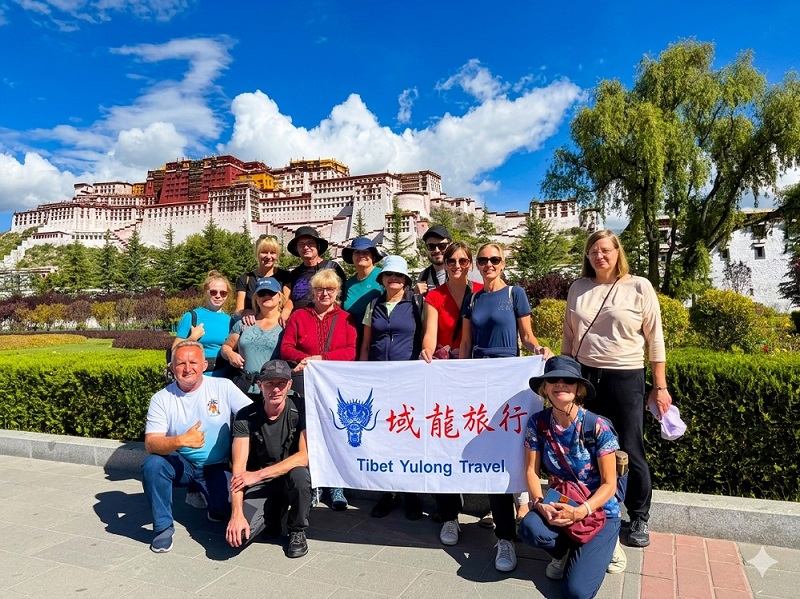
Discover Tibetan Monastic Culture With Tibet Yulong Travel
For international travelers, visiting a Tibetan monastery is more meaningful when it is combined with an understanding of the local culture, religious etiquette, and history. Tibet Yulong Travel can help travelers explore Lhasa, Shigatse, Everest Base Camp, and other destinations where Tibetan Buddhist traditions remain an important part of everyday life. From the ancient monasteries of Lhasa to remote religious sites across the Tibetan Plateau, a well-planned Tibet journey allows visitors to experience Tibetan Buddhism respectfully while discovering the landscapes and communities that have shaped it for centuries.