
🌟 Highlights:
- 🏔️ Peak Seasons: April–early June & September–November offer the most stable weather and clearest Himalayan view
- 📸 Photography Gold: October and November deliver the sharpest Everest visibility and golden autumn landscapes
- 🌸 Spring Magic: April–May brings blooming rhododendrons, milder temperatures, and longer daylight hours
- ⛈️ Monsoon Caution: July–August brings heavy rainfall on the Nepal side, risking landslides and road closures
- ❄️ Winter Budget: December–March offers the lowest prices and clearest skies, but cold temperatures and potential border closures
- 🛣️ Road Reliability: Gyirong–Kathmandu section is most dependable outside monsoon and deep winter
- 💰 Best Value: Late November and early December combine clear skies with off-peak pricing
Why Timing Matters for Your Lhasa to Kathmandu Overland Journey? The Lhasa to Kathmandu overland route is one of the world’s most epic road trips, traversing the roof of the world across the Tibetan Plateau and descending into the lush green valleys of Nepal. Stretching approximately 1,000 kilometers through ever-changing landscapes — from high-altitude desert plains to snow-capped Himalayan passes to subtropical river gorges — this journey is profoundly shaped by the seasons.
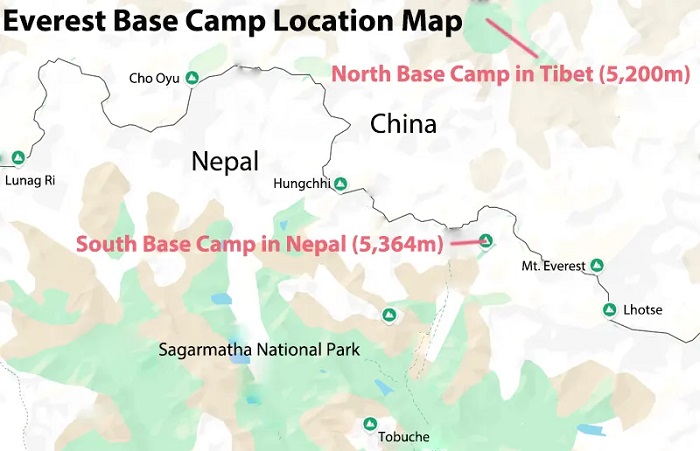
Map of Mount Everest Base Camp Location in Tibet and Nepal
For travelers researching the Best Months to Travel Lhasa to Kathmandu Overland Route, the answer goes far beyond simply picking a warm month. Your travel window affects everything: road conditions, permit availability, accommodation prices, altitude comfort, and the overall quality of your Himalayan adventure. Those who follow the classic Friendship Highway Tibet Nepal best time to drive will tell you that choosing the right season can mean the difference between crystal-clear Everest views at sunrise and days of staring into thick fog, between smooth highway driving and waiting out landslide-clearing operations.
In this comprehensive guide, we break down each season’s pros and cons, help you match your travel priorities to the right time of year, and share insider tips for planning the perfect Tibet to Nepal overland adventure.
The Two Golden Windows: Spring & Autumn
Across every travel agency, guidebook, and seasoned traveler you ask, the answer is consistent: the best time for the Lhasa to Kathmandu overland tour falls into two distinct windows — spring (April to early June) and autumn (September to November). These shoulder seasons bookend the summer monsoon and deliver the most reliable combination of favorable weather, clear mountain views, and comfortable travel conditions.
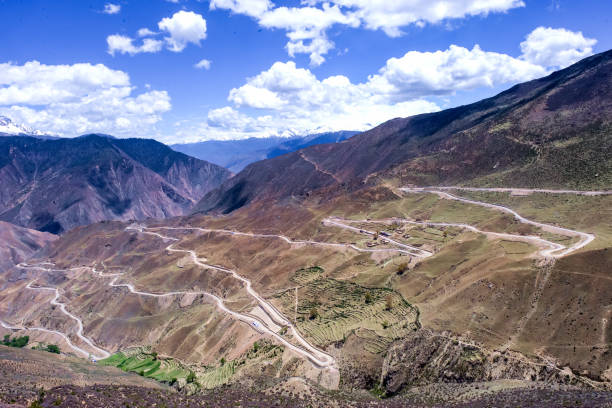
The winding road to Everest Base Camp
During these peak windows, daytime temperatures across the Tibetan Plateau range from 10°C to 20°C, making sightseeing and driving comfortable even at elevations above 4,000 meters. Rainfall is minimal, roads are generally dry and passable, and the skies open up to reveal the full glory of the Himalayan range — including unobstructed views of Mount Everest from the Tibetan side.
But “best” depends on what you’re looking for. Let’s dive into each season in detail.
Spring (April – Early June): Blooming Peaks & Rising Temperatures
Weather & Conditions
Spring on the Lhasa–Kathmandu overland route begins in April, as the harsh Tibetan winter gradually loosens its grip. Daytime temperatures in Lhasa climb from around 10°C in early April to 18–20°C by late May, while nighttime lows still dip below freezing at higher elevations. The air is crisp and dry, and skies are predominantly clear — though occasional spring dust storms can briefly reduce visibility on the plateau.
As you descend from the Tibetan Plateau toward the Nepal border, temperatures rise dramatically. By the time you reach the lower elevations around Gyirong and the Nepal side, you’ll encounter spring blossoms, green valleys, and much milder conditions.
Why Spring Is Ideal
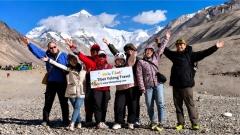
Clear mountain views. Spring offers some of the year’s best visibility for Everest Base Camp Tibet. The pre-monsoon air is clean and dry, and there’s a high probability of seeing Everest’s summit clearly — especially at sunrise and sunset, when the peak glows golden in the early light. Photographers particularly prize late April and May for the combination of snow-capped peaks and emerging greenery in the valleys.
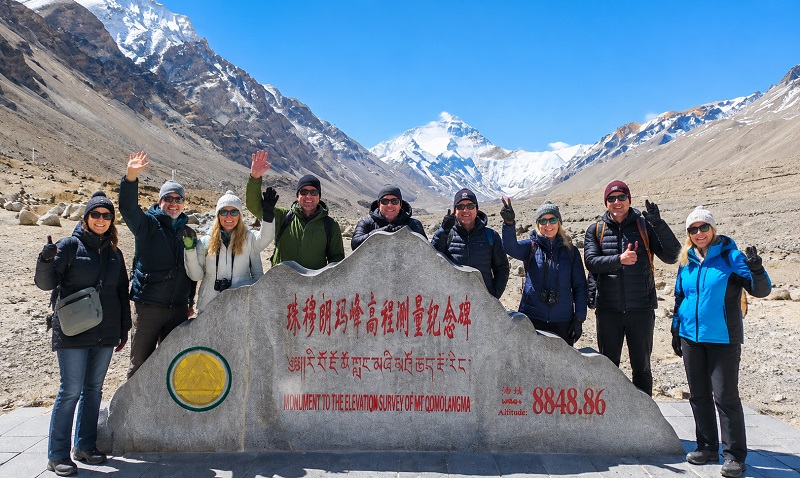
Mount Everest
Comfortable temperatures. After the bitter cold of winter, spring brings welcome warmth to the high plateau. Daytime temperatures are pleasant for sightseeing, walking around monasteries, and spending time outdoors. While nights can still be cold, especially at Everest Base Camp, the overall comfort level is significantly better than winter travel.
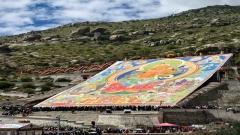
Cultural richness. Spring coincides with several important Tibetan Buddhist festivals, including Saga Dawa (usually in May), which celebrates the Buddha’s birth, enlightenment, and parinirvana. Traveling during this time offers a deeper immersion into Tibetan spiritual life, with special ceremonies at monasteries along the route.
Longer daylight hours. By May, the sun rises before 6 AM and sets after 8 PM, giving you more time each day for sightseeing, photography, and driving. This is especially valuable on the longer driving days between Shigatse and Everest Base Camp, and from Everest to Gyirong.
Spring Considerations
– Altitude acclimatization: While spring temperatures are milder, altitude sickness remains a real concern. Take it slow on your first days in Lhasa and stay well-hydrated.
– Permit processing: Spring is peak season, so book your Tibet travel permit and tour at least 4–6 weeks in advance.
– Price levels: April and May are peak season months, so expect higher accommodation and tour prices compared to winter.
Autumn (September – November): The Photographer’s Favorite
Weather & Conditions
If spring is the gentle awakening, autumn is the grand finale. Post-monsoon skies across the Tibet Nepal overland route are famously clear — many experienced travelers and photographers argue that autumn offers the very best visibility of the entire year. Daytime temperatures in September and October range from 15°C to 20°C in Lhasa, gradually cooling as November approaches.
The air after the monsoon is exceptionally clean and dust-free, creating those crystal-clear conditions that landscape photographers dream of. Mountain views are sharp, colors are vivid, and the light quality is superb from morning to evening.
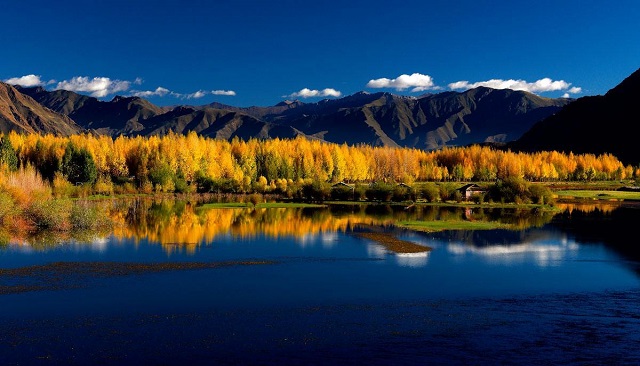
Why Autumn Reigns Supreme
Unbeatable Everest visibility. September through November delivers the highest probability of clear Everest Base Camp views. After the monsoon washes dust and pollutants from the air, the atmosphere is remarkably transparent. Many seasoned Himalayan travelers who study the Everest Base Camp Tibet best visibility months rank October as the single best month for Everest viewing on the Tibetan side — the mountain seems to float in a sea of blue sky.
Golden landscapes. As autumn progresses, the vegetation along the route transforms. The higher valleys turn golden, the remaining green patches deepen in color, and the contrast between snow-capped peaks and autumn foliage creates stunning photographic compositions. The drive from Lhasa through Gyantse and Shigatse is particularly beautiful in October.
Stable road conditions. By September, the monsoon has ended, and the risk of landslides and road closures on the Nepal side drops dramatically. The Gyirong to Kathmandu road — the most weather-sensitive section of the entire route — is at its most reliable during autumn. You can drive with confidence, knowing your itinerary is unlikely to be disrupted by rain-induced road damage.
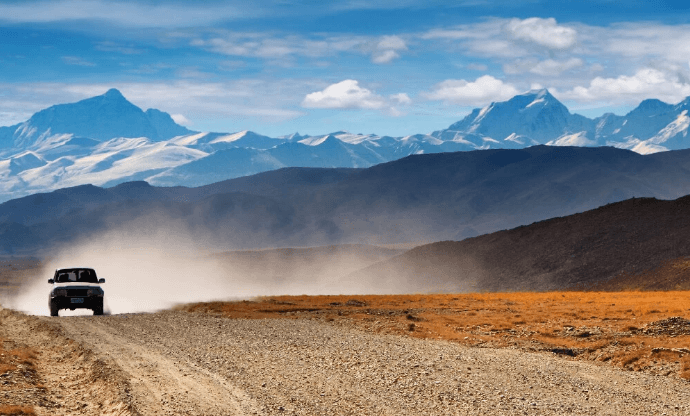
Pleasant temperatures. Autumn offers some of the most comfortable weather of the entire journey. Days are warm and sunny, nights are cool but not bitterly cold, and humidity is low. This is the ideal climate for both high-altitude driving and outdoor exploration.
Autumn Considerations
– Peak crowds: September and October are the busiest months for Lhasa to Kathmandu overland tours. Popular sites like Potala Palace and Everest Base Camp can be crowded, especially during China’s National Day holiday (October 1–7).
– Higher prices: Peak season pricing applies, with tour costs and hotel rates at their highest.
– Booking ahead: Reserve your tour, permits, and accommodation at least 2 months in advance for October travel.
Summer (Mid-June – August): Monsoon Season & Budget Opportunities
Weather & Conditions
For anyone following a Tibet to Nepal overland winter travel guide, the first thing to know is that winter on the Lhasa–Kathmandu overland route is a study in contrasts. The Tibetan Plateau experiences cold, dry, exceptionally clear days — perfect for photography — but temperatures plummet well below freezing at night and at high elevations. Daytime highs in Lhasa hover around 8–10°C from December through February, but wind chill and altitude make it feel colder.
On the Nepal side of the Gyirong border, the summer monsoon brings heavy, persistent rainfall from June through August. The mountain roads between the border and Kathmandu — particularly the section along the Pasang Lhamu Highway — are prone to landslides, mudslides, and temporary closures. A drive that normally takes 6–7 hours can stretch to 10+ hours, or you may face multi-day delays while crews clear debris.
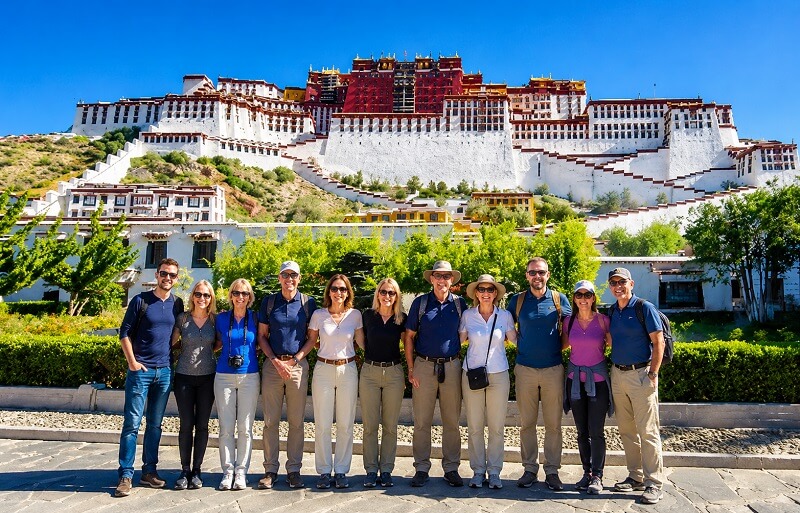
Potala Palace in summer
What Summer Offers
Lush green landscapes. If you can work around the weather, summer brings spectacular greenery to the Nepal side. The valleys are vibrant, waterfalls are at their fullest, and the contrast between the arid Tibetan plateau and the lush Nepalese lowlands is at its most dramatic.
Lower prices and fewer crowds. Summer is the off-peak season for Tibet overland tours, so you’ll find better deals on accommodation and tour packages. Popular sites are less crowded, and you’ll have more flexibility with last-minute bookings.
Warmer temperatures. Summer is the warmest season on the Tibetan Plateau, with daytime highs reaching 20–25°C in Lhasa. If you’re sensitive to cold, summer offers the most comfortable high-altitude temperatures.
Summer Risks & Realities
– Landslide risk on the Nepal side: This is the biggest concern. The Gyirong to Kathmandu road regularly experiences landslide-related closures during heavy monsoon rains. Travelers should build at least one buffer day into their itinerary.
– Reduced mountain visibility: Cloud cover during the monsoon significantly reduces your chances of clear Everest views. You might go days without seeing the summit.
– Road condition uncertainty: While the Tibetan side of the route is generally fine, the Nepal side can be unpredictable. Check road conditions before departing from Gyirong.
Winter (Mid-November – March): Cold, Clear & Budget-Friendly
Weather & Conditions
Winter on the Lhasa–Kathmandu overland route is a study in contrasts. The Tibetan Plateau experiences cold, dry, exceptionally clear days — perfect for photography — but temperatures plummet well below freezing at night and at high elevations. Daytime highs in Lhasa hover around 8–10°C from December through February, but wind chill and altitude make it feel colder.
At Everest Base Camp and high passes along the route, nighttime temperatures can drop to -15°C to -20°C. The Gyirong border may temporarily close after heavy snowfall, and high mountain passes can become impassable during winter storms.
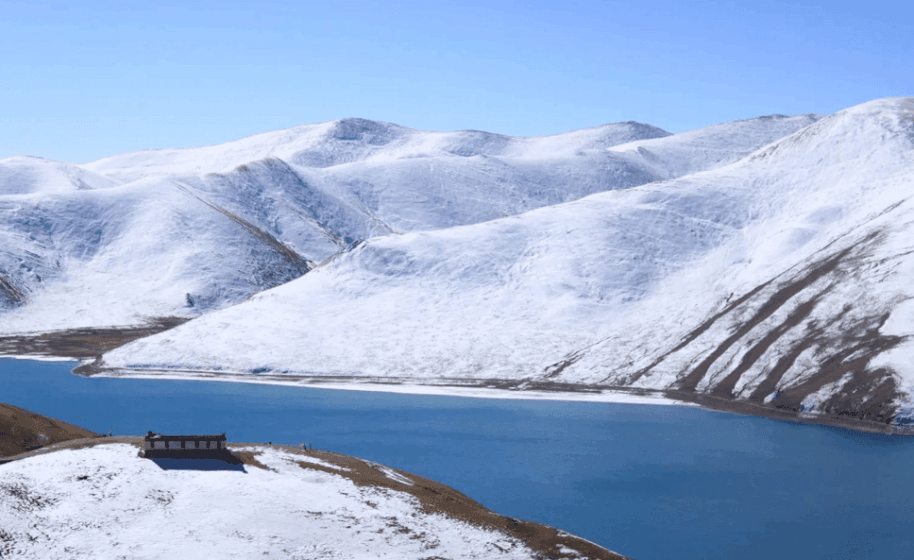
Yamdrok in winter
Why Winter Surprises Travelers
Incredibly clear skies. Many experienced photographers insist winter offers the clearest skies of the year. The cold, dry air is remarkably transparent, and on windless days, the visibility is absolutely stunning. Everest appears sharper and more detailed than at any other time.
Unbeatable value. Winter is the absolute off-peak season for Tibet travel. Tour prices drop significantly, hotels offer deep discounts, and popular attractions are nearly empty. If you’re on a budget and can handle the cold, winter delivers the best cost-to-experience ratio.
Authentic cultural experience. With fewer tourists around, you’ll have more meaningful interactions with local people. Monasteries are quieter, pilgrim sites feel more spiritual, and you can take your time exploring without crowds.
Winter Challenges
– Extreme cold at altitude: The cold is real and can be dangerous if you’re not prepared. Pack serious winter gear, including thermal base layers, down jackets, gloves, hats, and hand warmers.
– Potential border closures: The Gyirong border crossing can close temporarily after heavy snowfall. Build flexibility into your itinerary.
– Limited services: Some guesthouses and restaurants along the route close for the winter. Your tour options may be more limited.
– Shorter days: Winter days are short — sunrise is around 8 AM and sunset around 6 PM — giving you less daylight for sightseeing and driving.
Matching Your Travel Style to the Best Season
For Photographers: October & November
If your primary goal is capturing the Himalayas at their most spectacular, October and November are your months. The post-monsoon air is the cleanest it gets all year, light quality is superb, and the probability of clear Everest summit views is highest. Golden autumn foliage adds color and depth to your compositions.
For Budget Travelers: December & January
Winter delivers the lowest prices across the board — tours, hotels, and even flights can be 30–50% cheaper than peak season. You’ll need serious cold-weather gear and a flexible itinerary, but if you can handle the cold, the value is unbeatable.
For Culture & Festivals: May & September–October
Spring’s Saga Dawa festival (usually May) and autumn’s numerous Tibetan Buddhist festivals offer rich cultural experiences. September and October also coincide with important Hindu festivals in Nepal, adding another layer of cultural immersion as you cross the border.
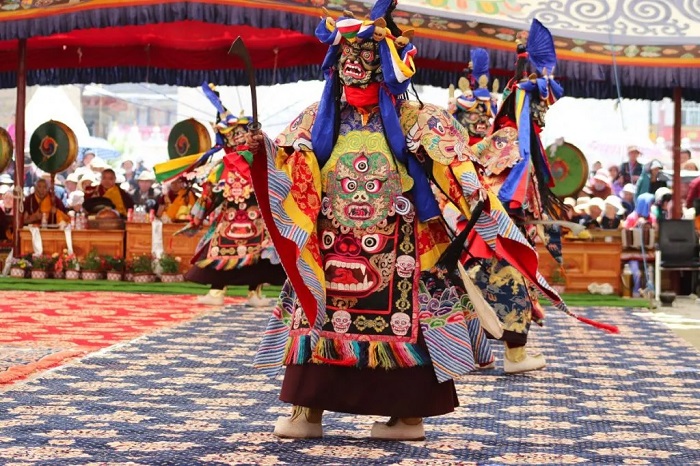
Saga Dawa festival
For Comfort & Convenience: April & May
If you want good weather without the extreme crowds of October, April and early May are an excellent choice. Temperatures are comfortable, skies are clear, and you’ll avoid both the monsoon and the peak autumn crowds.
Key Route Sections & Seasonal Impact
- Lhasa to Shigatse (Friendship Highway)
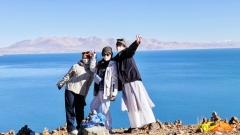
The section from Lhasa to Shigatse via Gyantse traverses relatively moderate elevations (3,600–4,000 meters) and is passable year-round. Road conditions are generally good in all seasons, though winter can bring occasional ice on higher passes. The best views of Yamdrok Lake are in autumn and winter, when skies are clearest.
- Shigatse to Everest Base Camp
The road from Shigatse to Everest Base Camp climbs to over 5,200 meters at the base camp itself. Winter brings extreme cold and occasional road closures from snow. Summer is warmer but cloudier. Spring and autumn offer the best balance of access and visibility.
- Everest Base Camp to Gyirong Border
This dramatic descent from the high plateau to the Nepal border is one of the route’s highlights. The road is generally well-maintained on the Tibetan side, but the final approach to Gyirong Port can be affected by landslides during the monsoon and snow in winter.
- Gyirong to Kathmandu (Nepal Side)
This is the most weather-sensitive section of the entire journey. The mountain road from Gyirong to Kathmandu is prone to landslides during the monsoon (June–August) and snow closures in winter (December–February). The road is most reliable during spring and autumn.
Practical Tips for Seasonal Planning
1. Book peak season early: For April, May, September, and October travel, book your tour and permits at least 2 months in advance. October fills up fastest.
2. Build buffer days: Especially if traveling in summer or winter, add at least one extra day to your itinerary to account for potential road delays.
3. Pack in layers: Regardless of season, temperatures vary dramatically between day and night and between high passes and low valleys. Layering is essential.
4. Check border status: If traveling in winter, confirm the Gyirong border is open before finalizing your plans. Heavy snow can cause temporary closures.
5. Consider travel direction: Traveling from Lhasa to Kathmandu (descending) is generally easier for altitude acclimatization than the reverse direction.
6. Travel insurance is essential: Make sure your policy covers high-altitude travel, road delays, and potential trip interruptions.
Final Verdict: The Best Month Overall
If we had to pick a single best month to travel the Lhasa to Kathmandu overland route, it would be October. Here’s why:
– Best visibility of Everest and the entire Himalayan range
– Stable, dry weather with minimal rainfall
– Comfortable temperatures for both driving and sightseeing
– Reliable road conditions on both the Tibet and Nepal sides
– Golden autumn landscapes that add visual richness to every stop
The trade-off? October is peak season, so you’ll pay premium prices and encounter more crowds — especially during the first week of the month. If you can travel after October 15, you’ll still enjoy excellent conditions while avoiding the worst crowds and finding slightly better prices.
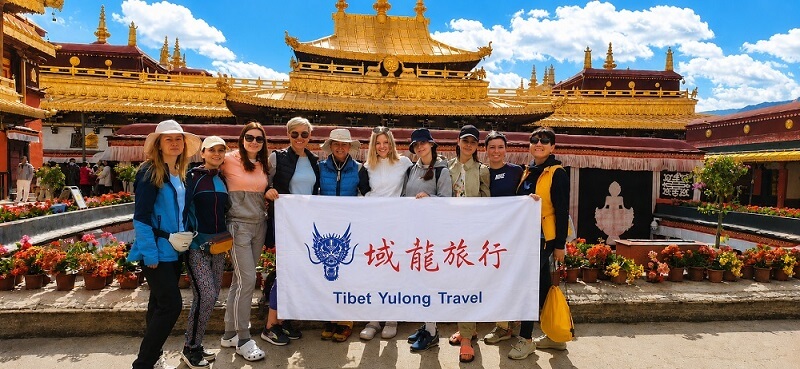
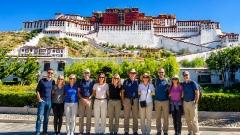
Tibet Tourists with Jokhang Temple
For travelers who prefer fewer people and don’t mind cooler weather, late April to early May is a strong runner-up, offering clear skies, blooming landscapes, and a more relaxed pace.
No matter when you go, the Lhasa to Kathmandu overland journey is an adventure of a lifetime. Each season brings its own magic to the roof of the world — the key is choosing the season that matches what you want most from your Himalayan adventure.
Ready to experience the Lhasa to Kathmandu overland route at its finest?
Now that you know exactly when to go, the next step is planning how to go. Our 7-Day Lhasa to Kathmandu Overland Tour is designed to hit every highlight mentioned in this guide — from golden sunrise at Everest Base Camp to the dramatic descent from the Tibetan plateau into Nepal — all timed for the best possible weather and viewing conditions.
Here’s what the journey looks like:
👉 [View 7-Day Lhasa to Kathmandu Overland Tour Itinerary]
Day 1: Arrive in Lhasa by Plane or by Train
Day 2: Lhasa City Tour: Drepung Monastery-Sera Monastery
Day 3: Lhasa City Tour: Potala Palace-Jokhang Temple-Barkhor Street
Day 4: Lhasa to Shigatse: Yamdrok Lake, Karola Glacier
Day 5: Shigatse to Everest Base Camp: Tashilhunpo Monastery, Gyatso La, Gyawu La, Sunset at Everest
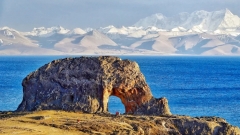
Day 6: Everest Base Camp to Gyirong: Sunrise at Everest, Shishapangma, Pelkhu Tso Lake
Day 7: Gyirong Border-Kathmandu
This 7-day itinerary is our most popular overland route, and for good reason: it balances cultural immersion in Lhasa with the raw natural beauty of the Friendship Highway, builds in proper altitude acclimatization, and saves the most spectacular moments — Everest sunrise and the descent into Nepal — for the second half of the trip when you’re fully adapted to the high altitude.
Traveling in October or April? Our departures during those months fill up fast. [Check available dates and book your spot today] →