
Among all overland routes leading into Tibet, traveling from Sichuan is undoubtedly the most legendary, scenic, and captivating choice. Starting from the fertile Chengdu Plain, the road heads west across the formidable Hengduan Mountains, winding over mountain passes above 4,000 meters before finally reaching sacred Lhasa. It is not only a visual and spiritual feast but also a bucket-list road trip for adventurers worldwide. This guide covers the classic routes, key gateway cities, and major en-route stops for traveling to Tibet from Sichuan!
Key Takeaways
- Essential Gateway Cities: Chengdu serves as the primary starting point and logistics hub; Ya’an is known as the “First Gateway of the Sichuan-Tibet Highway”; Kangding marks the cultural entry into Kham Tibetan territory; and Nyingchi acts as the ideal, lower-altitude resting stop known as the “Jiangnan of Tibet.”
- Two Classic Overland Routes:
- G318 South Route (The Ultimate Scenic Highway): Renowned for spectacular mountain landscapes, passing Xinduqiao, Litang, Batang, Mangkam, Basu, Bomi, and Nyingchi before arriving in Lhasa.
- G317 North Route (Cultural & Buddhist Exploration): Focuses on Tibetan Buddhist heritage and rugged wilderness, passing Wenchuan, Lixian, Garze, Dege, Chamdo, and Nagqu.
- Gradual Altitude Acclimatization: Starting from Chengdu (500m) and ascending through Ya’an, Kangding (2,500m), and Xinduqiao (3,300m) allows your body to adapt step-by-step, significantly reducing the risk of altitude sickness.
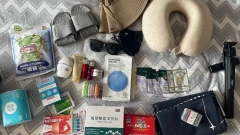
- Essential Preparation: Prepare multi-layered clothing for variable mountain weather, ensure thorough vehicle checks for mountain driving, bring sun protection, and secure your Border Travel Permit in advance.
Key Gateway Cities: Starting Points & Strategic Hubs
Driving to Tibet from Sichuan passes through several iconic gateway cities—historically significant stops along the ancient Tea Horse Road that now serve as vital logistics hubs and acclimatization stops:
The Ultimate Logistics & Transport Hub: Chengdu (Alt. ~500m)
As the capital of Sichuan Province, Chengdu is the primary gathering hub for all Sichuan-Tibet travelers. With its international airport and high-speed rail networks, Chengdu is the ideal place to rent vehicles, join tour groups, purchase supplies, and organize travel permits.
The First Gate to Tibet: Ya’an (Alt. ~600m)
Located just over 100 km west of Chengdu, Ya’an is an ancient origin point of the Tea Horse Road, earned the title “Gateway to the Sichuan-Tibet Highway.” Milestone 0 of National Highway G318 is located here, marking the transition from flat plains into rugged mountain terrain.
Cultural Portal to Kham: Kangding (Alt. ~2,560m)
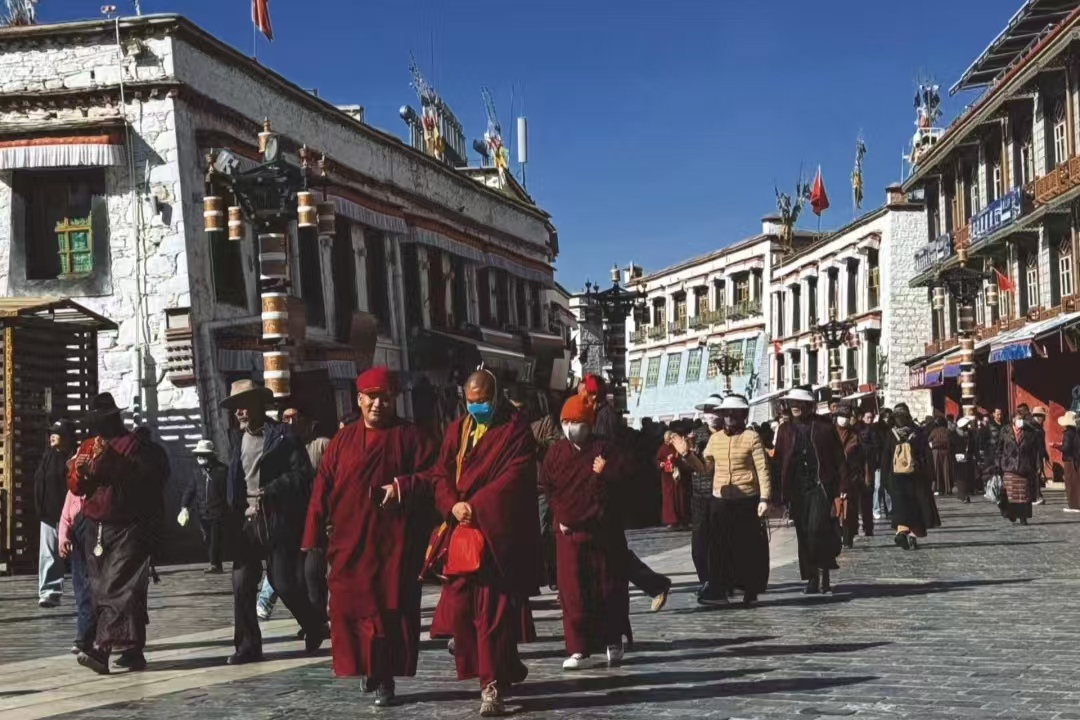
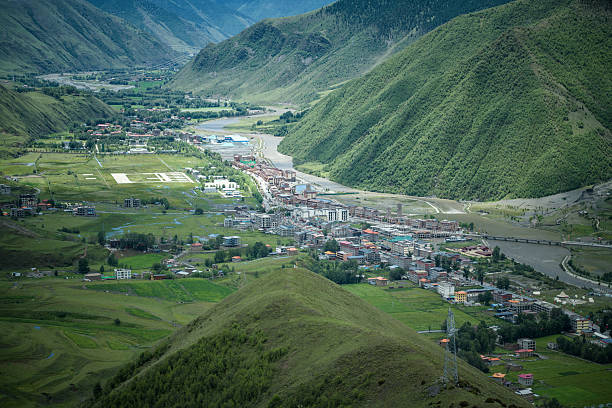
The capital of Garze Tibetan Autonomous Prefecture, Kangding is a cultural bridge between Han Chinese and Tibetan traditions. Situated before the formidable Zheduo Mountain, Kangding serves as an ideal first stop for altitude acclimatization and restocking supplies.
The “Jiangnan of Tibet”: Nyingchi (Alt. ~3,000m)
Although located within the Tibet Autonomous Region, Nyingchi is the first major city reached after crossing from Sichuan along G318. Known for its mild climate, abundant oxygen, and lush scenery (home to Basum Tso and Namjagbarwa Peak), Nyingchi is often called the “Jiangnan of Tibet” and offers a comfortable haven for rest.
Two Classic Routes: G318 South vs. G317 North
Traveling from Sichuan to Tibet generally follows one of two main arterial highways, each offering a distinct experience:
G318 South Route (China’s Ultimate Scenic Highway)
Route: Chengdu ➔ Ya’an ➔ Kangding ➔ Xinduqiao ➔ Litang ➔ Batang ➔ (Cross Jinsha River into Tibet) ➔ Mangkam ➔ Zogang ➔ Basu ➔ Bomi ➔ Nyingchi ➔ Gongbo’gyamda ➔ Lhasa.
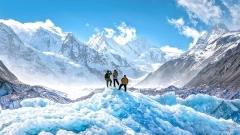
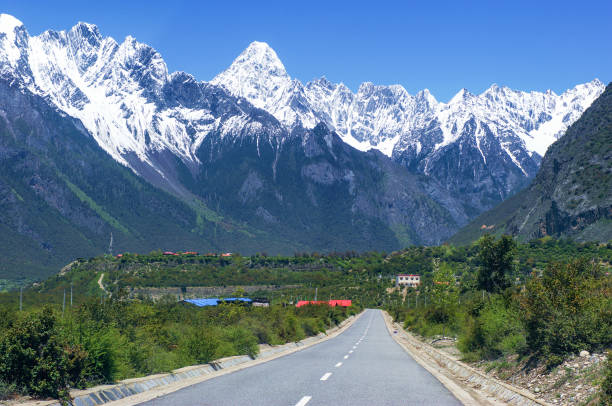
Highlights: Unrivaled scenery featuring snow-capped peaks, glaciers, deep gorges, alpine meadows, pristine forests, and surging rivers. Highlights include the “Photographer’s Paradise” Xinduqiao, the “City in the Sky” Litang, the 72 Hairpin Turns of Nujiang River, Midui Glacier, and Ranwu Lake. It is the premier choice for first-time travelers.
G317 North Route (Cultural & Buddhist Heritage)
Route: Chengdu ➔ Wenchuan ➔ Lixian ➔ Barkam ➔ Garze ➔ Dege ➔ (Cross Jinsha River into Tibet) ➔ Chamdo ➔ Riwoche ➔ Baqen ➔ Nagqu ➔ Lhasa.
Highlights: Featuring higher average altitudes and more challenging road conditions, G317 offers immense cultural depth. Highlights include Dege Sutra Printing House, Larung Gar Buddhist Academy (advance booking required), Chamdo Canyons, and the vast Changtang Grassland.
Notable En-Route Cities & Towns along G318 South
Driving west along G318, several key towns offer memorable stops:
Litang (Garze, Sichuan | Alt. ~4,000m): Known as the “City in the Sky,” Litang features the sprawling Maoya Grassland and the historic Lithang Monastery. It offers deep insight into Kham culture, though visitors should take it easy due to the high elevation.
Mangkam (Chamdo, Tibet | Alt. ~3,870m): Where G318 South meets G214 (Yunnan-Tibet Highway), Mangkam is the first county town after crossing into the Tibet Autonomous Region. The famous ancient Yanjing Salt Fields are located within its boundaries.
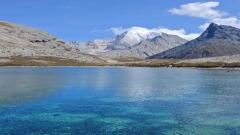
Basu / Ranwu (Chamdo, Tibet | Alt. ~3,260–3,900m): Home to the thrilling “72 Hairpin Turns of Nujiang” and the serene, mirror-like Ranwu Lake, marking a scenic transition from dry mountain gorges to lush glacier valleys.
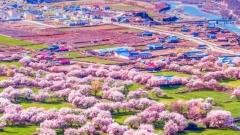
Bomi (Nyingchi, Tibet | Alt. ~2,700m): Known as the “Home of Glaciers,” Bomi is surrounded by dense forests and snowy peaks. Its mild, oxygen-rich environment makes it a pleasant sanctuary, famous for its blooming peach blossoms in spring (March–April).
Practical Travel Advice & Essential Tips
Acclimatize Altitude Gradually: The beauty of driving from Sichuan is the step-by-step altitude gain. Spend your first night in Kangding (2,500m) and second in Xinduqiao (3,300m) or Batang (2,600m) to give your body adequate time to adapt before staying in high-altitude towns like Litang.
Vehicle Preparation & Driving Safety: The route features steep mountain climbs, sharp hairpin turns, and potential seasonal rockfalls. Ensure your vehicle’s brakes, tires, and suspension are thoroughly checked before departure. A 4WD SUV or crossover is strongly recommended.
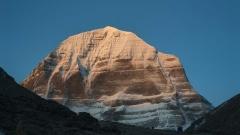
Permits & Documents: If your itinerary includes Mount Everest Base Camp, Mount Kailash (Ali), or Medog, make sure to obtain a Border Travel Permit in advance (in Chengdu or your home city) and carry your original passport/ID at all times.
Sun Protection & Layered Outfit: High-altitude UV rays are strong and the air is dry; pack SPF 50+ sunscreen, lip balm, and UV-blocking sunglasses. Mountain weather can change quickly, so keep windproof, insulated jacket layers accessible even during summer.