
⭐Highlights:
- ✨ A Tibetan traditional handicraft tour for overseas tourists offers immersive cultural exploration beyond typical plateau sightseeing trips.
- 🎨 This Tibet cultural handicraft tour showcases iconic Tibetan intangible heritage crafts: Thangka painting, handmade Tibetan incense, silver forging, carpet weaving and black pottery
- 🖐️ A Tibetan handcraft experience tour lets international visitors interact with local artisans and learn time-honored handcraft techniques.
- 👐 Sign up for hands-on Tibetan handicraft experience for overseas tourists to make your own artwork with guidance from heritage inheritors.
- 🛒 Visitors can buy authentic Tibetan handmade crafts in Lhasa directly from craftsmen, avoiding mass-produced tourist trinkets.
- 📖 Explore authentic Tibetan traditional handicrafts on cultural tour and discover the rich religious and ethnic stories behind each piece.
- 🗓️ A practical 3-day ready itinerary covers Lhasa Old Town, Barkhor Street, Bondacang Cultural Center and Shannan heritage sites.
- ⚠️ Useful travel tips: advance workshop reservations, souvenir shipping rules and important local cultural and religious etiquette.
A Tibetan traditional handicraft tour for overseas tourists is one of the most immersive and authentic ways for overseas tourists to uncover the profound cultural heritage of the Qinghai-Tibet Plateau. Far beyond the ordinary sightseeing of snow-capped mountains and holy lakes, this themed Tibet cultural handicraft tour focuses on century-old handcraft techniques, intangible cultural heritage (ICH) skills, and local artisan lifestyles. For international travelers who pursue in-depth cultural travel, unique artistic aesthetics, and original ethnic customs, a professional Tibetan handcraft experience tour offers an irreplaceable journey of cultural perception and hands-on creation. This guide will comprehensively introduce classic Tibetan traditional handicrafts, optimized travel routes, immersive experience projects, practical travel tips, and cultural connotations, helping overseas tourists arrange a professional, fulfilling, and authentic handicraft-themed trip to Tibet.
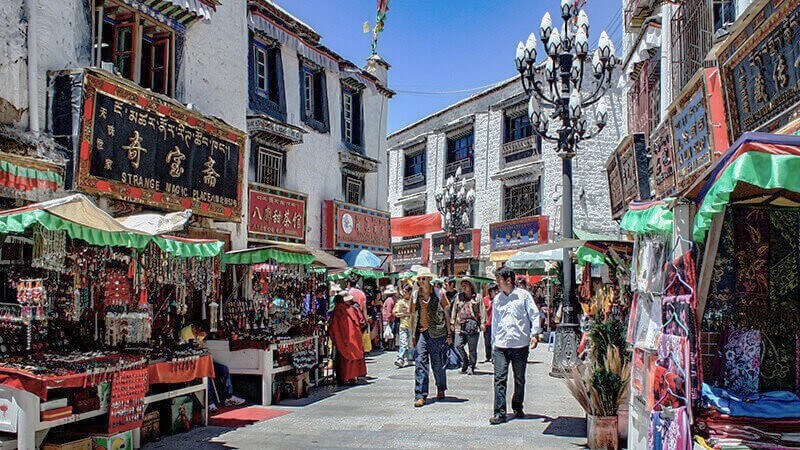
Why Choose a Tibetan Traditional Handicraft Tour for Overseas Travelers
In recent years, in-depth cultural travel has gradually replaced casual sightseeing and become the mainstream choice for overseas tourists visiting China’s Tibet. Unlike routine scenic spot tours, the Tibetan traditional handicraft tour for overseas tourists centers on authentic handcraft inheritance, interactive experience, and cultural storytelling, allowing foreign visitors to take part inhands-on Tibetan handicraft experience for overseas tourists and touch, watch, and create traditional Tibetan art with their own hands.
First, Tibetan traditional handicrafts are precious global intangible cultural treasures. Tibet boasts more than 100 national-level intangible cultural heritage projects and hundreds of regional-level heritage skills, covering painting, weaving, carving, incense making, pottery, and silver jewelry forging. Each craft carries the unique aesthetic concepts, religious culture, and life wisdom of the Tibetan people, with high artistic and collection value. Travelers come to explore authentic Tibetan traditional handicrafts on cultural tour can truly understand the essence of plateau ethnic civilization.
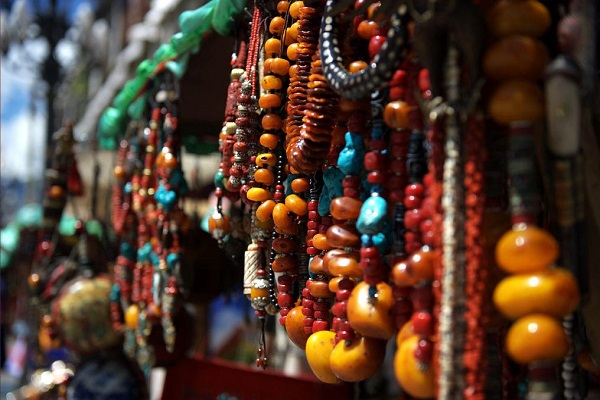
Tibet Jewelry
Second, major tourist areas in Lhasa and surrounding areas have built international-friendly handicraft experience bases. Key areas such as Barkhor Street and ancient courtyard cultural centers provide multilingual explanation services, open professional heritage workshops to the public, and set up zero-entry experience courses suitable for overseas tourists with no professional foundation. Travelers do not need professional art skills to easily participate in traditional craft production and enjoy a pure Tibetan handcraft experience tour.
Third, handmade Tibetan works are exclusive travel souvenirs with unique commemorative significance. Different from mass-produced tourist commodities, handcrafted Thangkas, Tibetan incense, silver ornaments, and carpets carry the temperature of artisans’ hands and pure plateau cultural characteristics. Many overseas tourists choose to buy authentic Tibetan handmade crafts in Lhasa during their trip, gaining exclusive collections and perfect cultural gifts.
Top Classic Tibetan Traditional Handicrafts for Overseas Tour Experience
Tibetan traditional handicrafts feature diverse categories, exquisite craftsmanship, and distinctive ethnic characteristics. The following classic crafts are the most suitable for overseas tourists to visit, learn, experience, and collect, with mature experience systems and standardized visit procedures. A complete Tibet cultural handicraft tour must include these representative intangible heritage projects to enrich your cultural travel experience.
Thangka Painting: The Soul of Tibetan Art
Thangka is the most representative traditional painting art of Tibet, a national intangible cultural heritage, and a world-famous religious and ethnic painting form. With unique composition rules, gorgeous mineral pigments, and profound Buddhist cultural connotations, Thangka has become a must-experience craft for overseas tourists on cultural tours.
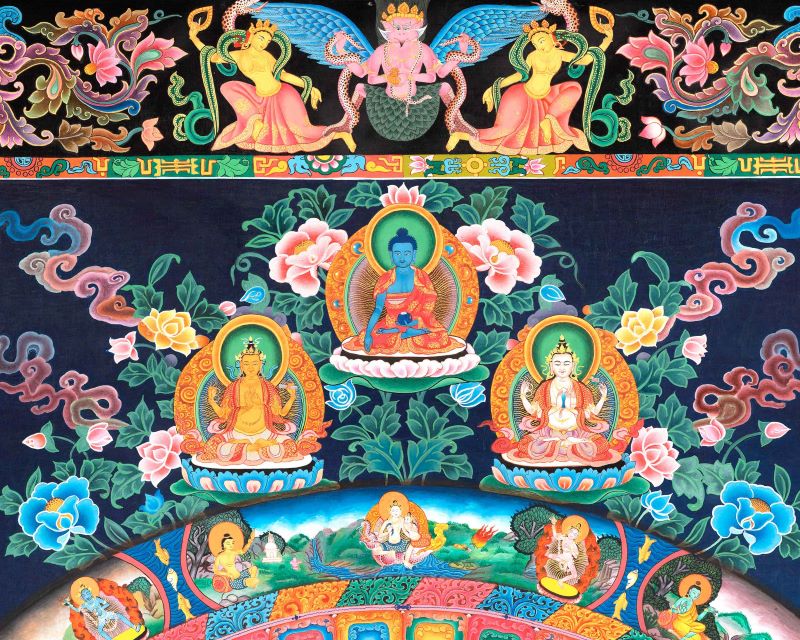
Thangka
At present, multiple professional Thangka studios around Lhasa’s Barkhor Street open public experience courses for foreign tourists. Professional inheritors provide one-on-one multilingual guidance, teaching tourists basic line drawing, color filling, and pattern recognition. Thishands-on Tibetan handicraft experience for overseas tourists allows visitors to learn about Thangka’s strict production standards, pure natural mineral pigment materials, and religious cultural meanings while creating simple Thangka works. Finished hand-painted Thangka drafts can be taken away as exclusive travel collections, far more meaningful than purchased finished products, which is why countless travelers choose to explore authentic Tibetan traditional handicrafts on cultural tour.
Handmade Tibetan Incense Making: Inherit Ancient Plateau Fragrance Culture
Tibetan incense making is an ancient traditional craft with a history of thousands of years, integrating herbal medicine culture, religious sacrifice culture, and daily life culture. Traditional Tibetan incense is made of pure natural plateau herbs and spices through manual crushing, proportioning, kneading, and air-drying, with no chemical additives. It is not only used for Buddhist worship but also has the effects of soothing the mind and purifying the air.
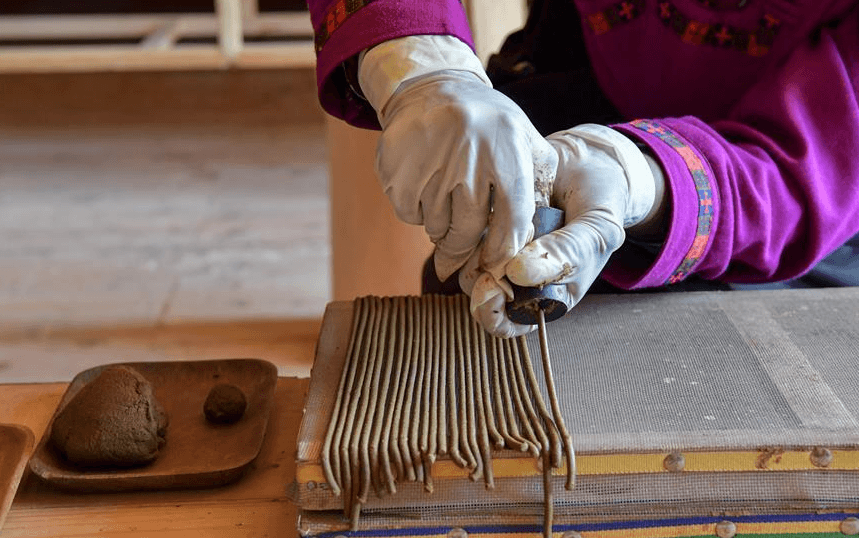
Tibetan Incense Production in Tibet
The Bondacang Cultural Experience Center in Lhasa is a classic check-in spot for overseas tourists to experience Tibetan incense making. Since opening to the public, it has received more than 2,000 domestic and foreign tourists. Under the guidance of intangible cultural heritage artisans, tourists can learn to identify plateau herbal raw materials, master traditional proportioning techniques, and complete the whole process of handmade Tibetan incense. This quiet and immersive experience is a core highlight of a high-quality Tibetan traditional handicraft tour for overseas tourists, allowing overseas travelers to feel the peaceful and rigorous craftsmanship spirit of Tibetan traditional craftsmen.
Tibetan Silver Jewelry Forging: Unique Ethnic Handmade Ornaments
Tibetan silver jewelry is famous for its bold and simple styling, exquisite carving techniques, and rich cultural implied meanings. Common handmade works include bracelets, rings, necklaces, prayer beads, and belt ornaments, mostly decorated with Buddhist patterns, snow lion totems, and plateau plant elements, full of strong Tibetan ethnic customs.
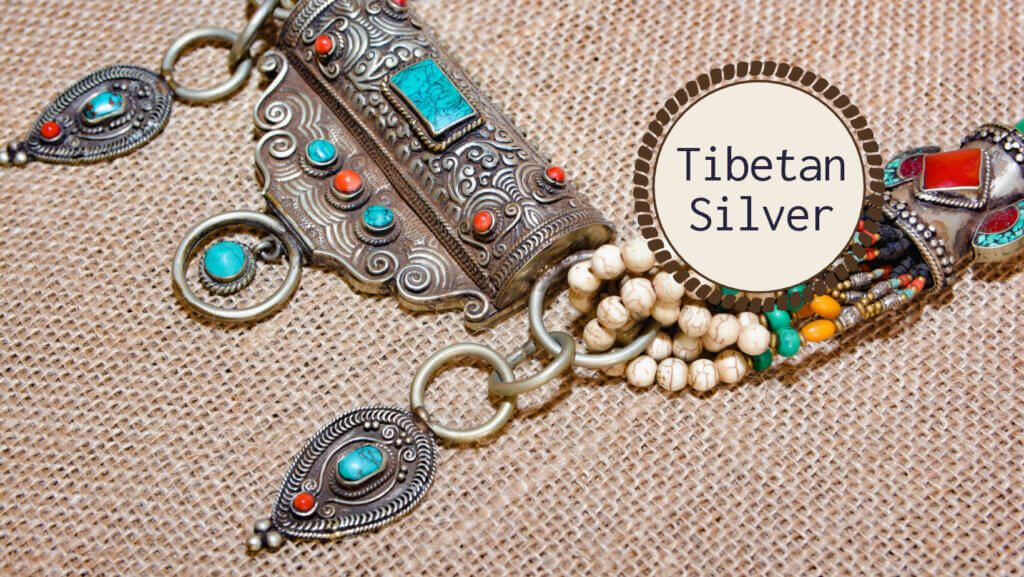
Tibetan silver jewellery
Handicraft workshops on Barkhor Street and Old Town of Lhasa provide open silver forging experience projects for overseas tourists. Tourists can watch the whole process of artisans cutting, forging, carving, and polishing silver materials, and try simple polishing and pattern carving by themselves. Small handmade silver ornaments such as rings and bracelets are affordable, with prices ranging from 150 to 400 RMB, suitable for daily wear and souvenir collection. It is the most popular choice for travelers who want to buy authentic Tibetan handmade crafts in Lhasa.
Tibetan Carpet and Kadam Weaving: Millennium Weaving Art
Tibetan carpets and Kadam cushions are traditional plateau weaving crafts with a long history, known for their tight texture, bright and durable colors, and unique ethnic patterns. Adopting pure manual weaving and natural plant dyeing technology, each carpet and cushion integrates the Tibetan people’s aesthetic pursuit of life and auspicious cultural blessings.
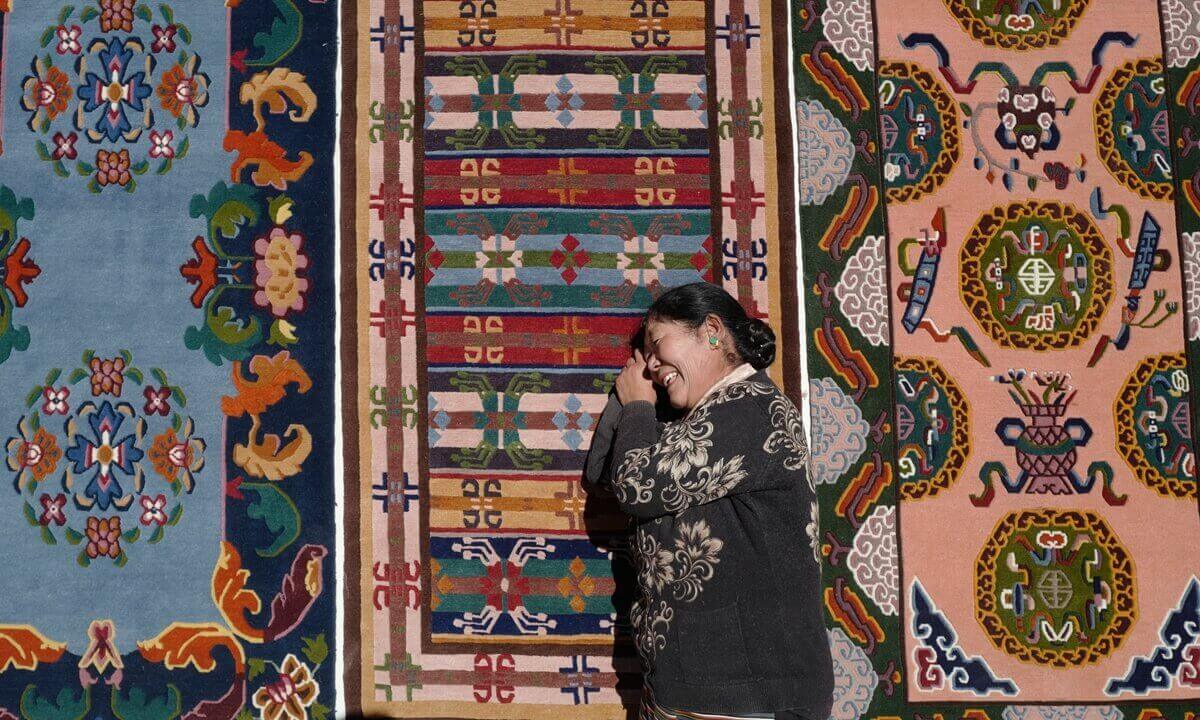
Tibetan Carpet
Professional weaving workshops in Lhasa and Shannan open production display areas to overseas tourists. Travelers can watch weavers skillfully operate traditional looms, appreciate the unique color matching and pattern design of Tibetan weaving art, and experience simple manual weaving operations. This immersive craft interaction perfectly interprets the core charm of a Tibetan handcraft experience tour. Exquisite small woven ornaments and mini carpet handicrafts are lightweight and easy to carry, becoming popular souvenirs for foreign tourists.
Tibet Paper and Black Pottery Making: Original Ancient Craftsmanship
Tibet paper making and black pottery firing are primitive and precious intangible cultural heritage crafts in Tibet. Traditional Tibetan paper is made from plateau special plants through pure manual peeling, pounding, and papermaking, with tough texture and corrosion resistance, which is the exclusive paper material for ancient Tibetan scriptures. Tibetan black pottery adopts ancient manual firing technology, with simple and elegant shape and strong practical and ornamental value.
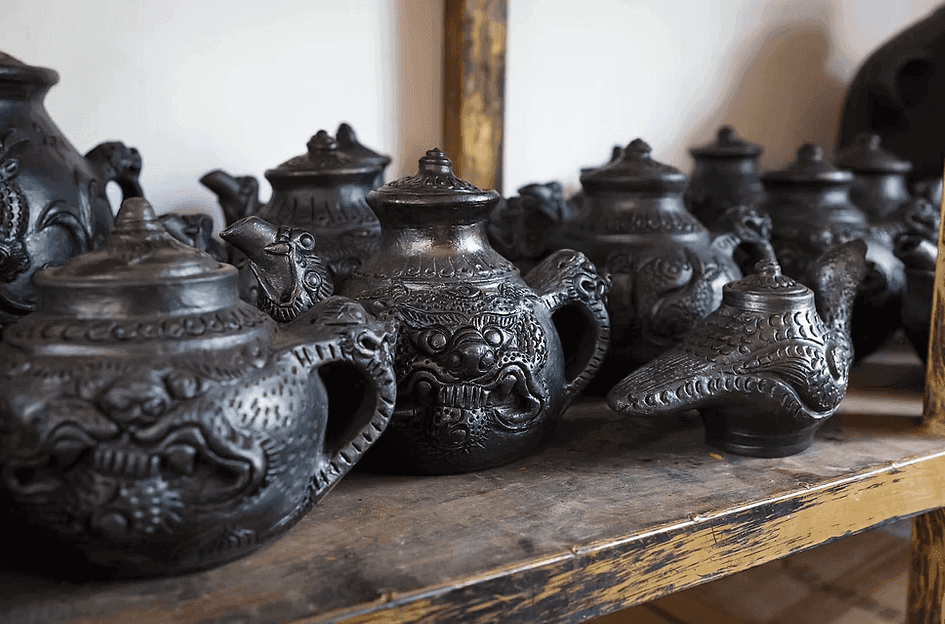
Tibetan-style black clay pottery
These two crafts are suitable for in-depth cultural tourists. Overseas tourists can make an appointment to visit professional heritage bases, watch the whole process of ancient craftsmanship, and complete handmade paper and small pottery works under the guidance of artisans. This kind of in-depth project is perfect for travelers who want to deeply explore authentic Tibetan traditional handicrafts on cultural tour and escape from superficial sightseeing.
Optimized 3-Day Tibetan Traditional Handicraft Tour Route for Overseas Tourists
To help overseas tourists efficiently experience core Tibetan handicraft projects and avoid crowded routine scenic spots, we have sorted out a professional 3-day exclusive handicraft tour route, covering classic experience projects, authentic workshops, and cultural check-in spots, with a reasonable rhythm and strong international friendliness. This tailor-made route is highly recommended for anyone planning a Tibet cultural handicraft tour.
Day 1: Lhasa Old Town & Barkhor Street Basic Handicraft Experience
Start the tour from Lhasa Old Town, the core area of Tibetan folk culture. Visit Barkhor Street’s open handicraft workshops in the morning, watch real-time production of Thangka painting and Tibetan silver forging, and listen to multilingual artisans explain the cultural connotation behind the crafts. In the afternoon, join a zero-threshold Thangka beginner experience course to complete personal hand-painted works. In the evening, stroll through the old town’s handicraft market to appreciate various handmade Tibetan ornaments, carpets, and ritual supplies. Here, tourists can not only enjoy immersive craft viewing but also carefully select and buy authentic Tibetan handmade crafts in Lhasa.
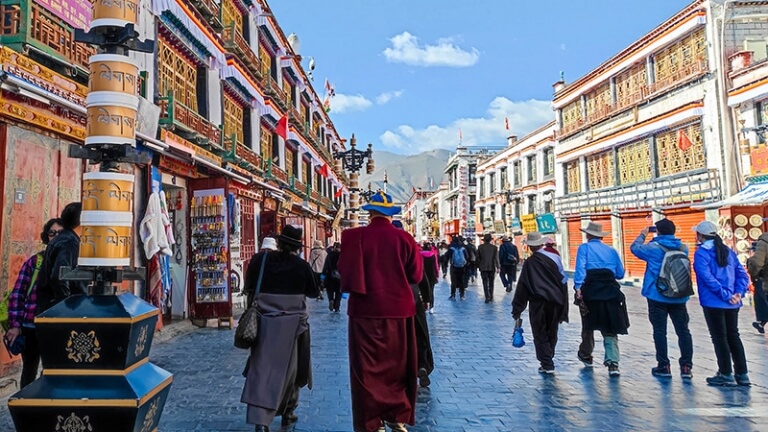
Barkhor street
Day 2: Bondacang Ancient Courtyard Intangible Cultural Heritage In-depth Experience
Head to Bondacang Cultural Experience Center, a representative international handicraft experience base, to experience the core project of handmade Tibetan incense making throughout the morning. Learn raw material identification, traditional proportioning, and manual molding skills, and take away self-made Tibetan incense finished products. This all-round hands-on Tibetan handicraft experience for overseas tourists allows every visitor to gain unique creative achievements. In the afternoon, visit the intangible cultural heritage exhibition hall in the ancient courtyard to learn about the inheritance history and development of Tibetan traditional handicrafts. Experience simple Tibetan clothing matching and shooting, and integrate ethnic clothing culture with handicraft aesthetics.
Day 3: Shannan Intangible Cultural Heritage Market & Characteristic Weaving Experience
Go to Shannan’s intangible cultural heritage market in the morning to visit hundreds of handmade craft exhibits including weaving, pottery, and folk ornaments, and communicate with front-line artisans face to face. Experience traditional Tibetan carpet and Kadam weaving in professional workshops in the afternoon, master basic weaving techniques, and purchase authentic handmade souvenirs directly from artisans to ensure quality and authenticity. This in-depth itinerary makes your Tibetan traditional handicraft tour for overseas tourists far more fulfilling than ordinary travel arrangements.
Practical Travel Tips for Overseas Tourists’ Handicraft Tour
To ensure a smooth and high-quality handicraft tour experience, overseas tourists need to master the following practical travel and experience strategies, covering experience reservation, souvenir purchase, and travel precautions, helping you make the most of your Tibetan handcraft experience tour.
First, prioritize official intangible cultural heritage bases for experience. It is recommended to choose workshops with official ICH inheritance base signs to avoid counterfeit machine-made craft experience projects. Tourists can ask to check the inheritor’s qualification certificate to ensure the authenticity and professionalism of the experience, which is essential if you want to explore authentic Tibetan traditional handicrafts on cultural tour.
Second, make advance reservations for high-quality experience projects. Popular projects such as Thangka painting and custom handmade silver ornaments need to be reserved 1–3 days in advance during the peak tourist season. Confirm the experience duration, whether finished products can be taken away, and service details to avoid temporary price increases or service disputes.
Third, master souvenir purchase and carrying rules. If you plan to buy authentic Tibetan handmade crafts in Lhasa, handmade silver ornaments, Tibetan incense, and woven handicrafts are easy to carry and suitable for air travel. It should be noted that Tibetan knives cannot be carried on board or checked in; tourists can choose official postal mailing services for collection.
Fourth, respect local cultural and religious customs. Most Tibetan handicrafts are closely combined with Buddhist culture. When experiencing and shooting, follow the guidance of artisans, maintain a respectful attitude, and avoid inappropriate behaviors to respect local ethnic and religious culture.
Conclusion
A Tibetan traditional handicraft tour for overseas tourists is a perfect combination of cultural inheritance and in-depth travel. It breaks the limitations of traditional sightseeing tours, allowing every overseas traveler to walk into the core of Tibetan culture, perceive the charm of millennium intangible cultural heritage craftsmanship, and create exclusive travel memories through hands-on experience. From exquisite Thangka paintings and fragrant handmade Tibetan incense to exquisite silver ornaments and warm woven crafts, every handmade work carries the unique charm of the Qinghai-Tibet Plateau.
A professional Tibet cultural handicraft tour and immersive Tibetan handcraft experience tour enable international visitors to truly understand the depth and warmth of Tibetan traditional art. For overseas tourists who love ethnic culture and pursue high-quality travel experiences, taking time to explore authentic Tibetan traditional handicrafts on cultural tour and enjoy exclusive hands-on Tibetan handicraft experience for overseas tourists is undoubtedly the most worthwhile travel choice to explore authentic Tibet, and you can also buy authentic Tibetan handmade crafts in Lhasa as eternal travel memories.