✨ Highlights:
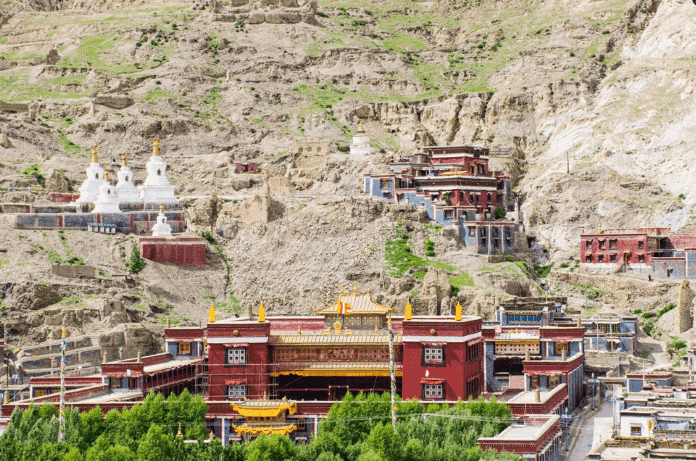
- 🏯 Fortress-style Sacred Complex: Explore Sakya Monastery, the iconic home of Sakya school of Tibetan Buddhism, with striking grey walls marked by red and white stripes.
- 📜 Deep Cultural Background: Study Sakya Monastery history and architecture to uncover the monastery’s thousand-year story and unique defensive design.
- 🏺 Precious Religious Collections: Find out What treasures are in Sakya Monastery, from giant iron-bound scriptures to intricate bronze Buddha statues.
- 🎨 Ancient Art Masterpieces: Admire Sakya Monastery murals and scriptures, painted with natural mineral pigments that retain brilliant hues after centuries.
- 📖 Religious Tradition Overview: A Sakya school of Tibetan Buddhism introduction helps you understand the sect’s special philosophy and tantric heritage.
- 🕒 Visitor Time Planning: Check Sakya Monastery opening hours for foreign tourists to arrange your visit smoothly for the best experience.
- 🙏 Respectful Travel Rules: Follow Sakya Monastery visitor etiquette to honour monks, pilgrims and the sacred atmosphere inside the monastery.
- 🗺️ Southern Tibet Must-see Stop: This Sakya Monastery Tibetan Buddhist treasures visit guide helps you plan an unforgettable stop on your overland Tibet tour.
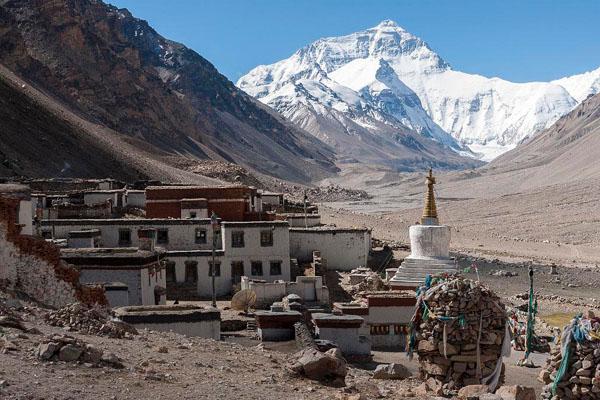
Sakya Monastery stands as the spiritual home of the Sakya school of Tibetan Buddhism and one of Tibet’s most culturally significant monasteries. This Sakya Monastery Tibetan Buddhist treasures visit guide will take you through its remarkable collections of ancient Buddhist relics, wall murals, scriptures, statues, plus practical travel advice to help you plan a meaningful visit. Located in Sakya town, about a two-hour drive southwest of Shigatse, the monastery draws culture lovers, history enthusiasts and pilgrims from across the globe. Unlike the well-known monasteries in Lhasa, Sakya preserves a huge number of rare artifacts that survived for centuries, making it a must-see stop on southern Tibet overland journeys. Many visitors who travel the Gyantse, Shigatse and Sakya route often describe Sakya as an underrated gem, far less crowded than the major Lhasa monasteries, allowing guests to spend quiet time appreciating its extraordinary relics without large tourist crowds.
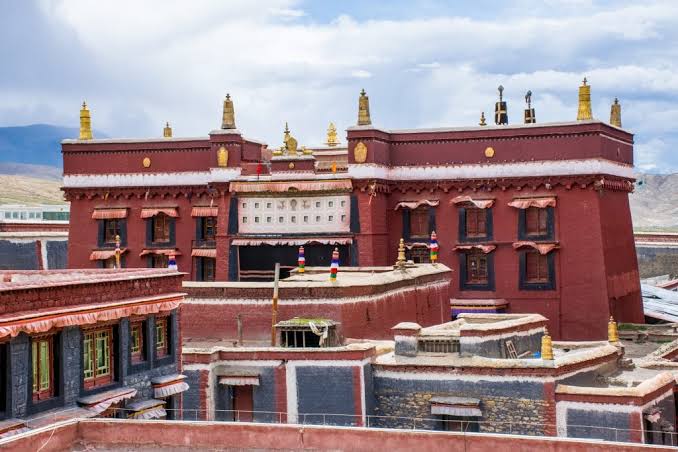
The name Sakya means “pale earth”, referring to the grey soil on the hillside where the monastery was built in 1073. Founded by Khon Konchok Gyalpo, Sakya Monastery quickly grew into a powerful religious and political center in medieval Tibet. To understand the unique identity of this sacred site, a Sakya school of Tibetan Buddhism introduction helps visitors grasp its philosophical traditions and historical influence. The Sakya school is famous for its deep study of tantric teachings and unique transmission lineages, setting it apart from the Gelug school monasteries most travelers encounter around Lhasa. During the Yuan Dynasty, Sakya masters played a vital role in linking Tibet with central China. The original complex included northern and southern sections; the southern monastery remains the main site open to visitors today. Its unique grey walls marked with red and white stripes are instantly recognizable, symbolizing Manjushri, Vajrapani and Avalokiteshvara, the three great bodhisattvas. Every corner of the monastery holds precious artworks, so understanding its background before arrival will greatly enrich your experience exploring the treasures inside.
History & Architectural Features of Sakya Monastery
Sakya Monastery’s architecture differs greatly from the monasteries around Lhasa. Built like a fortress, the thick high walls, narrow windows and sturdy gate were designed for protection in ancient times. If you want to dive deeper into the construction style and the story behind the compound, exploring Sakya Monastery history and architecture reveals why this fortress-style temple stands apart from other Tibetan religious sites. The compound is divided into multiple halls, chapels and storage chambers. Many of these rooms were built specifically to house massive collections of scriptures, statues and ritual items. The thick stone walls can withstand harsh highland weather, protecting the precious artworks inside from strong winds, cold winters and intense sunlight. Courtyards inside the complex are spacious, with flat stone floors, offering peaceful resting spots between visiting different chapels.
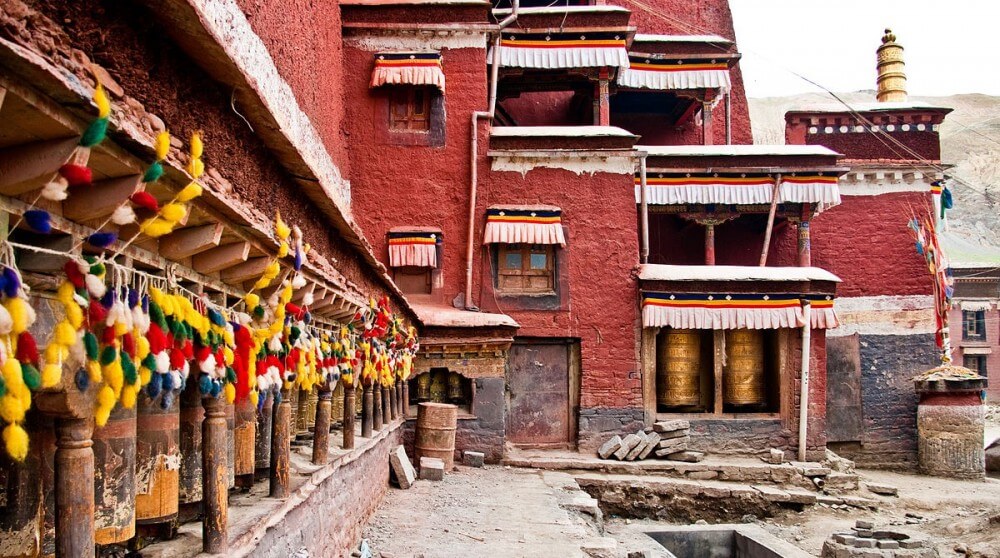
The monastery once served as the main seat of the Sakya sect. Over hundreds of years, countless precious pieces were donated by royal families, nobles and devotees. Many treasures were carefully preserved in the monastery’s library and chapels. Travelers often wonder What treasures are in Sakya Monastery before they embark on their southern Tibet trip, and the sheer volume and outstanding craftsmanship of these relics is the main reason travelers look for a Sakya Monastery Tibetan Buddhist treasures visit guide before their southern Tibet tour.
Tibetan Buddhist Treasures in Sakya Monastery
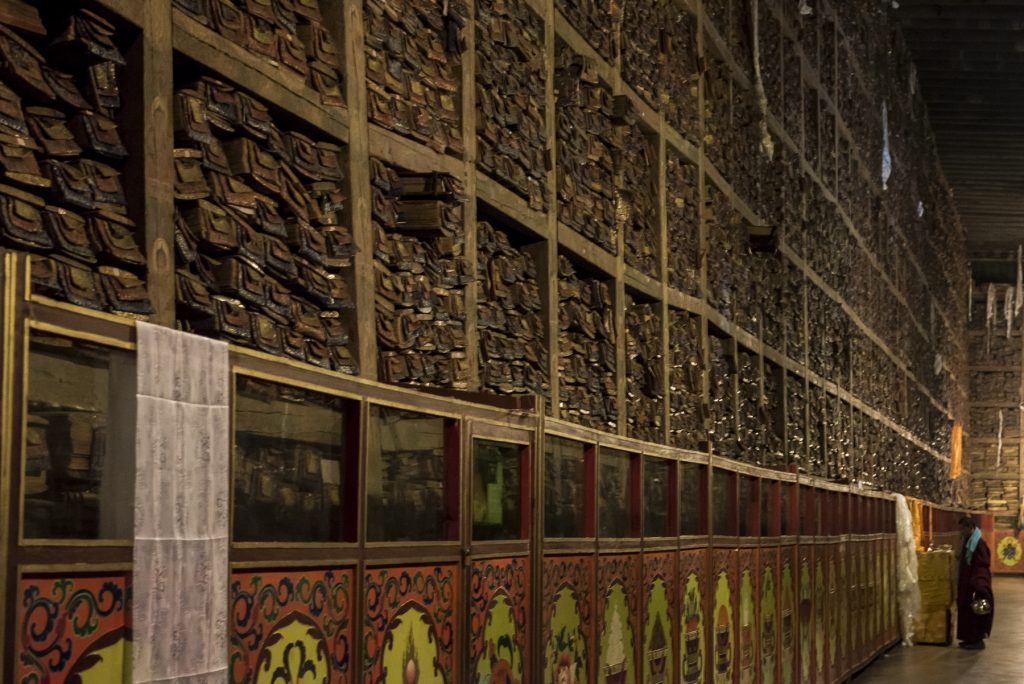
Giant Ancient Scripture Library
The most famous treasure of Sakya Monastery is its enormous collection of Buddhist scriptures. The monastery houses thousands of ancient palm-leaf manuscripts and hand-copied Tibetan Buddhist texts. One legendary scripture is bound with iron covers and weighs more than 500 kilograms. This giant volume required several people to carry it. These handwritten texts were created by monks across generations, with ink made from precious minerals and gold powder. Many of these manuscripts contain detailed illustrations, commentary and religious records you cannot find anywhere else. Some palm-leaf scriptures were originally brought from India and Nepal more than a thousand years ago, their delicate leaves carefully preserved under controlled conditions. These texts are not only religious works; they are also invaluable historical documents recording medicine, astronomy, philosophy and ancient Himalayan politics.
Magnificent Wall Murals
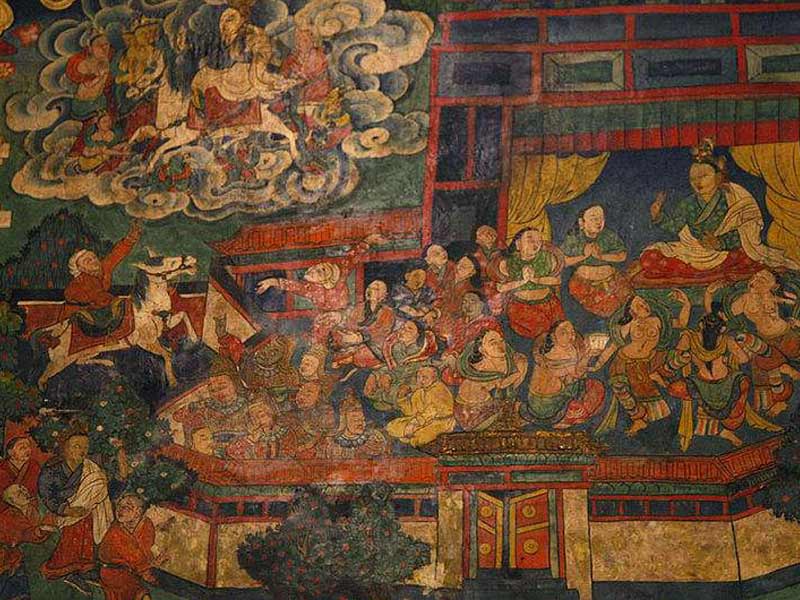
Sakya Monastery murals and scriptures are widely celebrated by art historians and travelers alike. The monastery’s halls are covered with grand wall murals dating back hundreds of years. Painted with mineral pigments including gold, lapis lazuli and cinnabar, the murals retain bright colors even after centuries. The mural themes cover Buddhist cosmology, life stories of Buddhas and bodhisattvas, portraits of Sakya lineage masters and historical scenes of ancient Tibet. Some murals record important events from the Yuan-Tibet period, offering valuable visual materials for historians. Photography is strictly banned inside the halls to protect these fragile artworks. Even casual visitors can notice the fine brushwork and layered painting techniques, which reflect the peak level of Tibetan mural art.
Bronze Buddha Statues & Religious Sculptures
A large number of bronze Buddha statues are kept within Sakya Monastery. Some statues were cast in Tibet, while others traveled here from Nepal and India many centuries ago. Many statues are inlaid with turquoise, coral and other semi-precious stones. The statues vary in size from small portable figures to towering Buddha images standing several meters high. These sculptures show the evolution of Himalayan Buddhist art styles over centuries. Many statues bear fine carvings on robes and lotus pedestals, with subtle facial expressions that convey calm and compassion.
Thangka Paintings & Ritual Objects
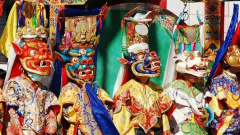
The monastery preserves a rich collection of antique thangka scroll paintings. Many were embroidered or painted with gold and mineral pigments. You can also find ancient ritual instruments: copper bells, dorjes, offering vessels, ceremonial crowns and masks used in traditional religious dances. These artifacts were used by Sakya lamas in major ceremonies and are still respected as sacred treasures. Some of these thangkas are extremely large and only displayed on special religious festivals, so regular visitors may only view permanent smaller thangka collections inside the exhibition halls.
Travel Route & How to Get to Sakya Monastery
Sakya town sits southwest of Shigatse. Most visitors travel overland from Shigatse by private car or tour vehicle. The road runs through rural Tibetan valleys, with views of farmland and small villages along the way. Many travelers add Sakya Monastery into a Gyantse, Shigatse and Sakya southern Tibet circuit. The drive from Shigatse to Sakya takes roughly 2 hours, making it a suitable day trip or overnight stop during your southern Tibet itinerary. The road is mostly paved, but you will cross open grasslands and small river valleys. Travelers often stop briefly along the route to take photos of the countryside, where local farmers grow barley and yaks graze on hillsides. Staying overnight in Sakya town is a wonderful choice if you want to escape busy tourist hubs and experience quiet rural Tibetan life, with simple local guesthouses available for foreign visitors.
Practical Visiting Information
Opening Hours
It is important to note Sakya Monastery opening hours for foreign tourists when planning your trip. Sakya Monastery is open from 9:30 AM to 5:30 PM during peak travel season from May to October. In winter, the closing time moves to 4:30 PM. The last entry is usually 1 hour before closing. Morning visits are recommended, as the light is softer and fewer tour groups arrive before midday.
Ticket & Permit Notes
Foreign visitors need to bring their original passport for ticket purchase and entry. The monastery ticket can be bought at the entrance gate. When you book a Tibet tour, your travel operator will help arrange the necessary travel documents for visiting Sakya. Do remember to keep your passport with you at all times while traveling across southern Tibet, as checkpoints along the route require document inspection.
Recommended Visiting Time
Plan around 2 hours to tour the main halls and appreciate the treasures inside. If you are deeply interested in murals and scriptures, reserve 3 hours for your visit. Rushing through the halls means you will easily miss subtle details on statues, murals and scripture collections.
Visiting Etiquette & Tips
Learning Sakya Monastery visitor etiquette before your arrival will help you show proper respect to the monastic community and local pilgrims.
1. No photography or video recording inside all monastery halls; photos are only allowed in outdoor courtyards.
2. Walk clockwise when touring chapels and religious circuits, following local pilgrimage customs.
3. Wear modest clothing: shoulders and knees should be covered. Avoid shorts, tank tops and revealing outfits.
4. Keep voices low and avoid loud conversation inside the halls.
5. Do not touch relics, statues, thangkas or glass display cases.
6. Stay hydrated and move slowly. Sakya sits at high altitude; take breaks if you feel short of breath.
7. Hiring a local guide is highly recommended. A professional guide can explain the stories behind each treasure and help you understand the Sakya school’s unique history. Guides know the hidden stories of each hall and can point out details that independent visitors might overlook.
Frequently Asked Questions
Q: What is Sakya Monastery most famous for?
A: Sakya Monastery is best known for its massive collection of Tibetan Buddhist treasures, including giant scriptures, ancient murals, bronze statues and rare palm-leaf manuscripts.
Q: Can I visit Sakya Monastery on a day trip from Shigatse?
A: Yes. The driving distance allows a day trip, but many travelers choose to stay overnight in Sakya town to enjoy the quiet atmosphere.
Q: Is Sakya Monastery included in the Shigatse classic tour route?
A: It is an optional highlight. Most standard Shigatse tours cover Tashilhunpo Monastery, while extended southern Tibet itineraries add Sakya Monastery.
Conclusion
This Sakya Monastery Tibetan Buddhist treasures visit guide shows why Sakya deserves a spot on your Tibet travel bucket list. More than just a stone building, it is a living museum holding centuries of Himalayan Buddhist art and wisdom. The giant scriptures, vivid ancient murals, inlaid bronze statues and rare thangkas represent the peak of Tibetan religious craftsmanship. When you walk through its fortress-like halls, you are not merely sightseeing; you are witnessing priceless Tibetan Buddhist treasures that have survived wars, time and changing dynasties. Unlike crowded landmarks, Sakya gives visitors a rare chance to connect with authentic Sakya traditions. If you travel across southern Tibet from Gyantse to Shigatse, do not miss the chance to explore Sakya Monastery and the remarkable relics guarded by its monks for nearly a thousand years.