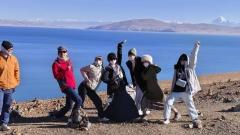

February is the final month of winter in Tibet, and although temperatures remain low, the region is generally dry, sunny, and surprisingly comfortable during the daytime. Strong plateau sunshine, clear skies, and very little precipitation make February particularly attractive for travelers who want fewer crowds and a more authentic cultural experience. However, conditions vary significantly by altitude, so destinations such as Mount Kailash and Namtso Lake are generally unsuitable, while Lhasa, Shannan, Nyingchi, and Shigatse remain much more accessible.
Key Points
- February is cold but exceptionally dry and sunny: Tibet’s average temperature ranges from -8°C to 15°C, with only about 1 mm of precipitation, approximately 1 wet day, and average relative humidity of just 27%.
- Lhasa and central Tibet are among the best choices: Lhasa averages -6°C to 9°C, while Shigatse reaches around -9.2°C to 8.4°C, with abundant sunshine and very little rain or snow.
- Higher-altitude destinations can be extremely cold: Everest Base Camp averages -15°C to 4°C, while Mount Kailash can fall to -27°C, making western Tibet unsuitable for trekking in February.
- February offers a quieter cultural experience: With fewer tourists, travelers can explore monasteries and historic sites more peacefully and may also experience Tibetan New Year, the Great Prayer Festival, and the Butter Lamp Festival, depending on the Tibetan calendar.
What Is Tibet Weather Like in February?
February is still winter in Tibet, but the weather is not necessarily as harsh as many first-time visitors expect. The plateau receives abundant sunshine, while rainfall and snowfall remain limited across most accessible areas. During sunny afternoons, temperatures can rise considerably compared with the early morning and evening, creating a noticeable difference between daytime and nighttime conditions.
Across Tibet, the average minimum temperature in February is around -8°C, while the average maximum can reach approximately 15°C. The average temperature is about 3.5°C, with only around 1 mm of precipitation during the month. On average, there is just one wet day, and relative humidity is approximately 27%.
The biggest factor to remember is the temperature difference between direct sunlight and shade. Under the strong winter sun, walking around Lhasa or visiting monasteries can feel comfortable even when the air temperature is low. After sunset, however, temperatures fall rapidly, and the wind can make the cold feel considerably stronger.
February is also generally windy, particularly outside urban areas and around mountain passes. Travelers heading to places such as Yamdrok Lake or Everest Base Camp should therefore prepare for both low temperatures and strong winds.
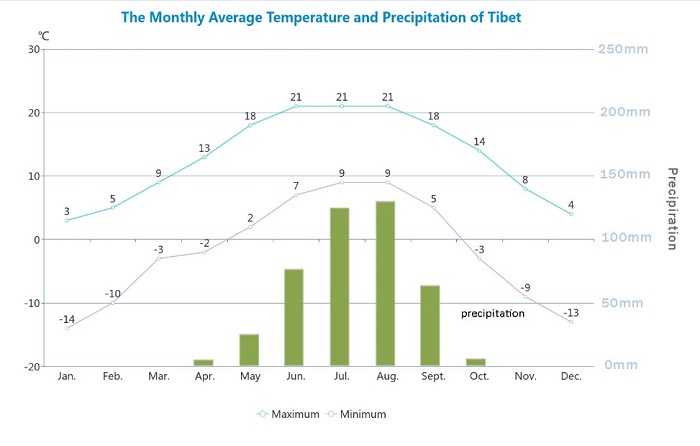
Tibet Weather
Lhasa Weather in February
Lhasa is one of the most comfortable destinations in Tibet during February. The average minimum temperature is around -6°C, while the average maximum reaches about 9°C. Average precipitation is only 1 mm, with approximately one rainy day during the month. Relative humidity is around 26%, and average wind speed is approximately 13.6 km/h.
Early February can see temperatures around -8°C to 8°C, while conditions tend to become slightly milder toward the end of the month, when temperatures can reach approximately -5°C to 12°C.
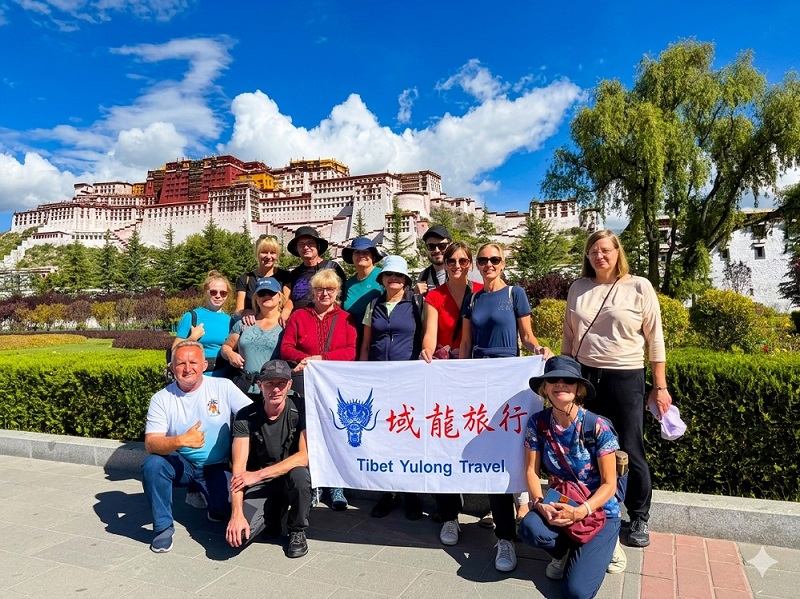
The combination of dry air and strong sunshine is what makes winter sightseeing in Lhasa possible. You may feel quite warm while walking in the sunshine, particularly when visiting places that require climbing or extended walking, such as the Potala Palace.
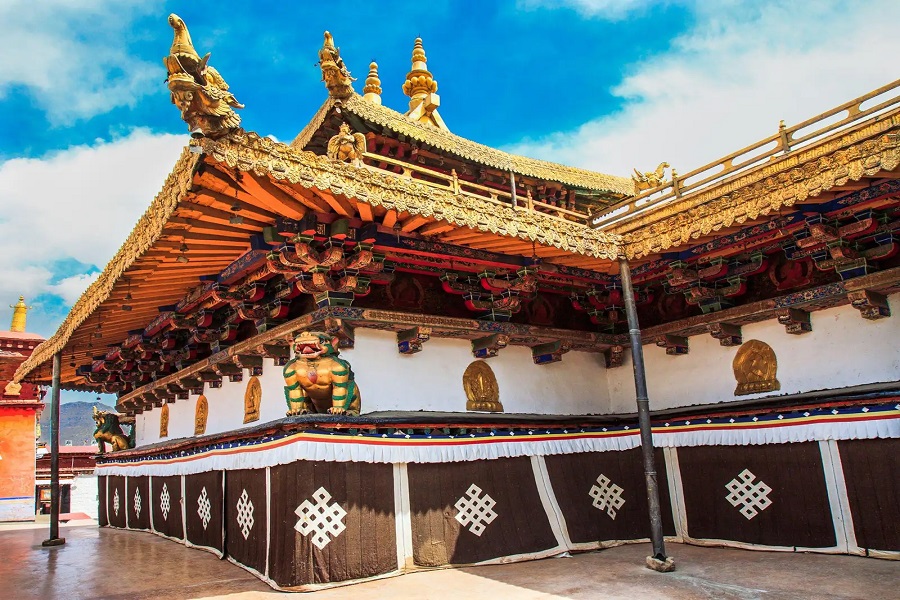
February is also a good time to explore Lhasa’s cultural attractions without the crowds of the high season. The Potala Palace, Jokhang Temple, Sera Monastery, and Drepung Monastery can be experienced at a slower pace, while Barkhor Street provides opportunities to observe local pilgrims and everyday Tibetan life.
Because Lhasa is known as the “City of Sunlight,” February’s clear skies can also create excellent conditions for photography, especially in the morning and late afternoon when the sunlight illuminates the city’s traditional architecture.
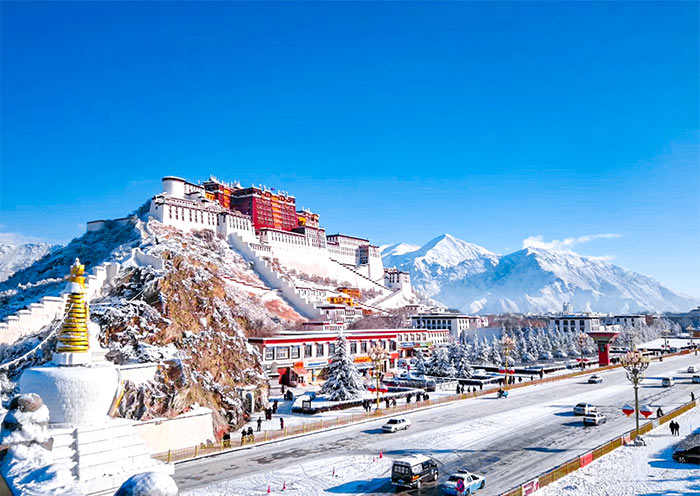
Potala Palace in Winter
Namtso Lake Weather in February
Namtso Lake is one of the destinations where winter weather becomes a major travel limitation. In February, temperatures average around -7°C to 9°C, with virtually no precipitation.
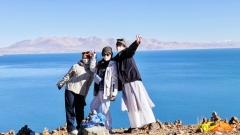
However, the problem is not simply the temperature. Namtso sits at a very high elevation, and winter snowfall can close the mountain passes leading to the lake. The lake itself remains frozen, making access difficult or impossible during this period.
For this reason, Namtso Lake is generally not accessible to normal tourist itineraries in February. Even though the frozen lake and surrounding snow-covered landscape can be spectacular, road and weather conditions make winter travel there unreliable.
Travelers who want to include Namtso in their Tibet itinerary should generally consider a warmer season when the roads and mountain passes are more dependable.
Nyingchi Weather in February
Nyingchi is one of the milder areas of Tibet in February. Its average minimum temperature is around -3°C, while the average maximum is approximately 10°C. Average precipitation is about 5 mm, with roughly six rainy days.
Compared with the high plateau around Lhasa and western Tibet, Nyingchi benefits from its lower elevation and forested valleys. February therefore provides a relatively comfortable winter environment for travelers interested in natural scenery.
The region’s mountains, forests, lakes, and snow-covered landscapes create a striking combination in winter. Ranwu Lake, in particular, can appear exceptionally clear, with snow-covered peaks reflected in its blue waters.
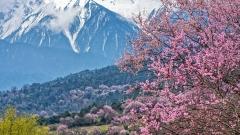
February can also be an excellent period for photography because the dry winter atmosphere often produces sharp views of distant mountains. Travelers interested in Mount Namcha Barwa and the surrounding scenery may find the combination of snow, forests, and clear skies particularly rewarding.
For visitors who want to experience Tibet’s natural landscapes without dealing with the extreme cold of Ngari or the highest mountain passes, Nyingchi is one of the more attractive choices.
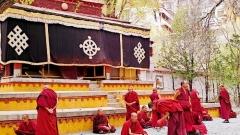
Shannan Weather in February
Shannan experiences a significant difference between daytime and nighttime temperatures in February. The average maximum temperature is approximately 10°C, while the minimum can fall to around -12°C. Rainfall is almost nonexistent during this period.
The cold is therefore concentrated mainly in the early morning and after sunset. During the daytime, strong sunshine makes outdoor sightseeing considerably more pleasant.
Shannan is particularly suitable for travelers interested in Tibetan history and culture. The region is often regarded as one of the important birthplaces of Tibetan civilization, and February is a good time to visit sites such as Yungbulakang Palace and Samye Monastery.
Yungbulakang, traditionally regarded as the first palace in Tibet, is especially atmospheric under February’s deep blue sky. Travelers can also follow the Yarlung Tsangpo River through the surrounding valleys and enjoy the combination of historical sites and winter scenery.
Yamdrok Lake Weather in February
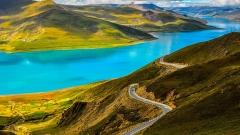
Yamdrok Lake remains accessible in February despite the winter cold. Temperatures generally range from around -11°C to 4°C, while precipitation is approximately 1 mm.
Parts of the lake can freeze during winter, creating a very different appearance from the turquoise waters seen during warmer months. Snow-covered mountains surrounding the lake provide a dramatic contrast with the deep blue and partially frozen water.
February is also one of the quietest periods for visiting Yamdrok Lake. Instead of encountering large numbers of tourists, travelers may have longer periods to appreciate the landscape in relative solitude.
Because the area is exposed to strong winds, however, visitors should bring a windproof outer layer, gloves, a warm hat, and suitable footwear.
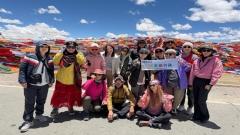
Gyantse Weather in February
Gyantse remains cold and dry in February, with temperatures averaging approximately -11.8°C to 7.6°C. Average precipitation is only 0.4 mm, and there are typically no rainy days during the month. Relative humidity is around 33%.
The large difference between daytime and nighttime temperatures is typical of the Tibetan Plateau. Under direct sunlight, exploring Gyantse’s cultural attractions can be comfortable, but temperatures fall quickly once the sun disappears.
One of the major attractions is Palcho Monastery, home to the famous Gyantse Kumbum. February’s clear blue skies provide a striking backdrop for the monastery’s colorful architecture.
Gyantse is also a natural stopping point for travelers traveling between Lhasa and Shigatse, making it easy to incorporate into a broader cultural itinerary.
Shigatse Weather in February
Shigatse becomes slightly warmer as winter approaches its end, although nighttime temperatures remain very cold. The average minimum temperature is around -9.2°C, while the average maximum is approximately 8.4°C. Precipitation is only about 0.16 mm, with around two rainy days.
The city enjoys abundant winter sunshine, with approximately eight hours of sunshine on many clear days. This makes February a surprisingly pleasant month for daytime sightseeing.
The highlight of Shigatse is Tashilhunpo Monastery, the traditional seat of the Panchen Lama and one of Tibet’s most important monasteries. The dry atmosphere, limited crowds, and clear skies can make a winter visit particularly peaceful.
Travelers should nevertheless bring substantial winter clothing, especially if they plan to spend time outdoors after sunset.
Everest Base Camp Weather in February
Everest Base Camp on the Tibetan side remains firmly in winter in February. Temperatures range from approximately -15°C to 4°C, while precipitation averages around 5 mm and rainy days are extremely rare.
The region can be extremely windy, with an average wind speed of around 9 km/h, and road conditions may occasionally be affected by snow and severe weather.
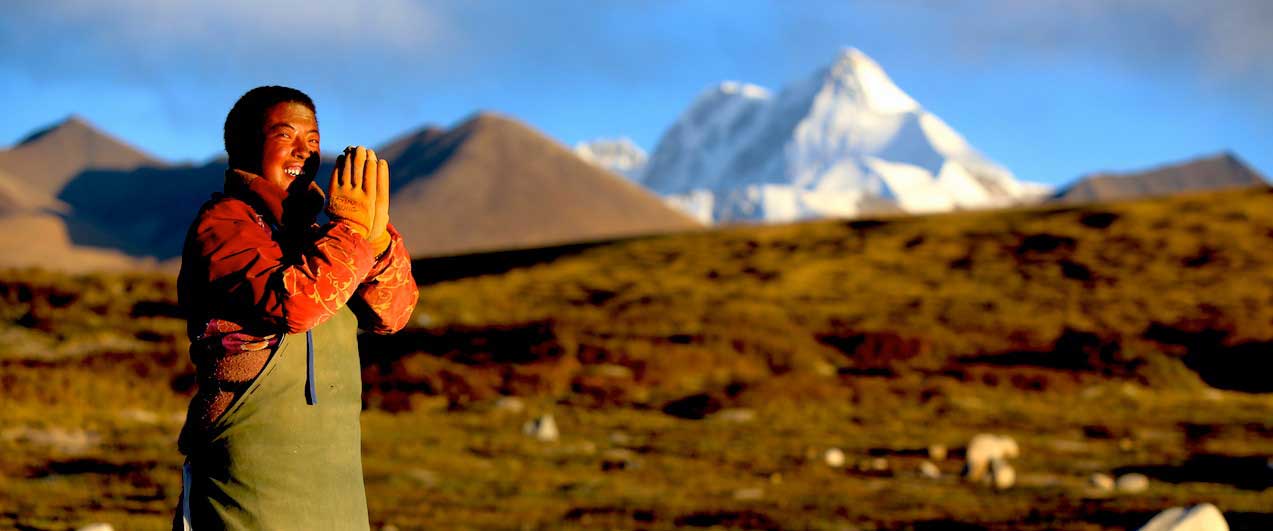
Despite the cold, February can offer some of the clearest views of Mount Everest. The dry atmosphere and limited cloud cover create excellent opportunities to see the summit against a deep blue sky. The surrounding landscape can also look particularly dramatic when covered with snow and ice.
The key advantage is the combination of clear visibility and very few tourists. If reaching Everest Base Camp is an important goal, winter can provide a much quieter experience than the peak travel season.
However, travelers must be properly equipped for extreme cold and should not underestimate the effects of altitude and wind.
Mount Kailash Weather in February
Mount Kailash is not suitable for normal tourism or trekking in February. Temperatures range from approximately -27°C to -10°C, with average precipitation around 15 mm and roughly eight rainy days.
Heavy snow covers the region, while mountain passes and trekking routes can become blocked by ice and snow. Conditions are particularly severe because Mount Kailash lies in one of the highest and most remote parts of Tibet.
The best period for a Mount Kailash trek is generally from April to October, when temperatures and road conditions are considerably more favorable.
Travelers planning a Kailash pilgrimage or trekking journey should therefore avoid February rather than attempting to force the destination into a winter itinerary.
Lhasa to Kathmandu Overland in February
A Lhasa-to-Kathmandu overland journey combines the Tibetan Plateau with the warmer Himalayan foothills of Nepal. Kathmandu is considerably milder in February, with average temperatures of around 4°C to 19°C and approximately 14 mm of rainfall.
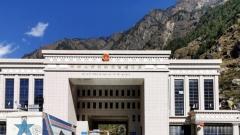
The route crosses the Friendship Highway and passes through Gyirong Port before continuing toward Nepal. Gyirong is much colder than Kathmandu, with temperatures around -5°C to 4°C in the supplied data.
Snow and ice can occasionally affect the road, particularly at higher elevations, so travelers should allow some flexibility in their schedule.
For international travelers planning this route, the necessary travel documents should be arranged in advance. Travelers entering Tibet overland from Nepal also need to follow the applicable visa and Tibet travel permit procedures.
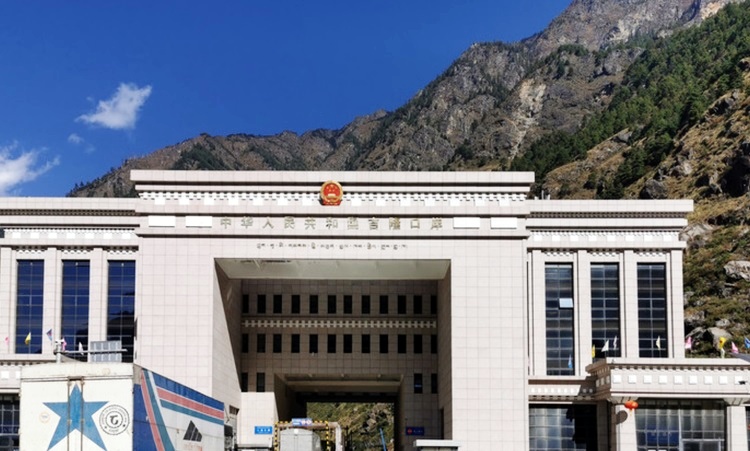
Gyirong Borde
Tibetan Festivals in February
One of the biggest reasons to visit Tibet in February is the possibility of experiencing Losar, the Tibetan New Year.
Losar is the most important traditional festival in Tibetan culture. Celebrations begin according to the Tibetan lunar calendar and can include family gatherings, religious ceremonies, traditional food, dancing, singing, and rituals intended to welcome the new year and drive away negative influences.
Travelers may see locals preparing traditional New Year foods such as guthuk, visiting friends and relatives, hanging decorations, and participating in religious ceremonies.
February can also coincide with the Great Prayer Festival, or Monlam Chenmo. Monks from major monasteries gather for prayers and religious activities, with Lhasa becoming an important center of religious observance.
The Butter Lamp Festival is another important event associated with this period. Thousands of butter lamps can illuminate monasteries and streets, creating an especially atmospheric experience after dark.
The exact dates of these festivals change each year according to the Tibetan calendar, so travelers should check the festival calendar for their specific year before planning a trip.
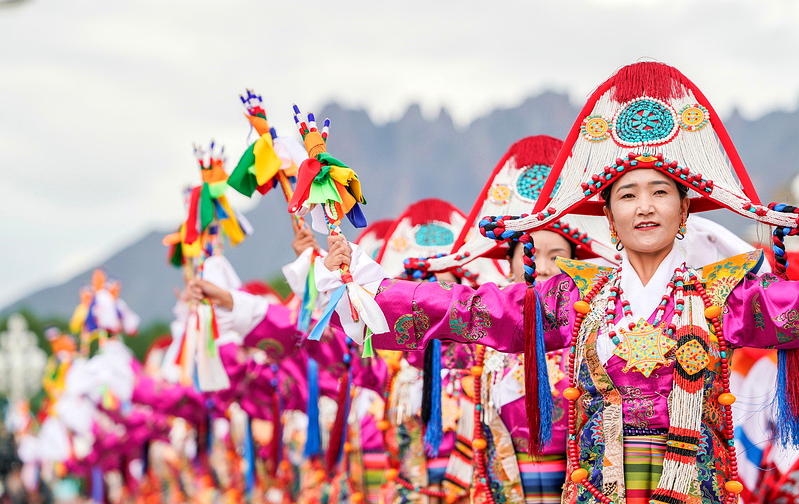
Losar, the Tibetan New Year
Why Visit Tibet in February?
For travelers who can handle winter temperatures, February offers several advantages that are difficult to find during the busy summer season.
The first is fewer tourists. Popular attractions in Lhasa, Shigatse, and other accessible areas are generally much quieter, allowing visitors to explore monasteries and cultural landmarks without the crowds common during peak season.
The second is excellent visibility. Dry winter air and frequent sunshine create clear skies and strong contrasts between snow-covered mountains, blue skies, and traditional Tibetan architecture.
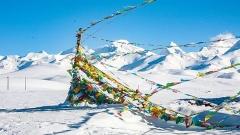
The third is a more authentic atmosphere. Winter is not only a quiet period for international tourism; it is also an important time for local religious and cultural activities. Travelers may encounter pilgrims performing kora, visiting monasteries, hanging prayer flags, and participating in religious ceremonies.
Finally, February can be more economical. Low-season travel often means better availability and lower prices for hotels and transportation compared with the busiest months.
What to Wear in Tibet in February
Warm clothing is essential for a February trip to Tibet. The most useful approach is to dress in layers so you can adjust your clothing as temperatures change throughout the day.
A thermal base layer provides basic insulation, while a fleece or warm sweater can serve as a middle layer. A thick down jacket is especially important for mornings, evenings, high-altitude destinations, and exposed areas such as Yamdrok Lake and Everest Base Camp.
You should also pack:
- A warm wool or fleece hat
- Gloves
- A scarf
- Warm wool socks
- Comfortable, insulated shoes or winter boots
- Sunglasses
- High-SPF sunscreen
- Lip balm and moisturizer
- Windproof outerwear
Sun protection remains important even during winter. Tibet’s high elevation means strong ultraviolet radiation, and the bright sunlight reflected from snow can increase exposure.
The air is also extremely dry in February, so moisturizer, lip balm, and other skincare products can make the trip considerably more comfortable.
Altitude Considerations in February
Altitude is an important consideration regardless of the season, and winter travel requires additional preparation because cold temperatures and strong winds can make physical exertion more demanding.
The best approach is to allow your body time to adapt after arriving in Tibet. Avoid rushing directly into demanding activities or high-altitude destinations.
Lhasa is generally a more suitable starting point because it is lower than destinations such as Everest Base Camp and Mount Kailash. Travelers should increase altitude gradually and pay attention to how their bodies respond.
If you experience concerning symptoms at altitude, stop strenuous activity and seek appropriate medical assistance rather than attempting to push through them.
Is February a Good Time to Visit Tibet?
Yes, February can be a good time to visit Tibet if you prioritize clear skies, cultural experiences, fewer tourists, and winter scenery rather than warm weather.
The key is choosing the right destinations. Lhasa, Shigatse, Shannan, Gyantse, and Nyingchi are generally more suitable for February travel, while Namtso and Mount Kailash can be inaccessible because of snow and frozen mountain passes.
Everest Base Camp is possible for well-prepared travelers and offers the potential for exceptionally clear views of Mount Everest, but the extreme cold means that winter travel there should be carefully planned.
For international travelers, Tibet Yulong Travel can help design a winter itinerary around accessible destinations, local weather conditions, transportation, permits, accommodation, and cultural experiences. A well-planned February route can combine Lhasa’s major monasteries with Shigatse, Shannan, Yamdrok Lake, Nyingchi, or Everest Base Camp while avoiding destinations where winter conditions make travel unreliable.