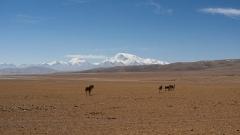

January is the heart of winter in Tibet, but that does not necessarily mean the region is unsuitable for travel. Most of Tibet is dry, sunny, and remarkably clear, with daytime temperatures often becoming much warmer under the strong plateau sunshine. The main challenge is the sharp drop in temperature after sunset, along with strong winds at high mountain passes. For international travelers who want fewer crowds, lower travel costs, and exceptional mountain visibility, January can offer a very different and rewarding side of Tibet.
Key Takeaways
- January is cold but exceptionally sunny: Lhasa can reach 7°C in the daytime, with around 28 clear days and only 1 mm of precipitation on average.
- Lhasa, Nyingchi and Everest are the better winter choices: Nyingchi reaches around 8.5°C, while Everest Base Camp can have approximately 29 clear days despite temperatures as low as -15°C.
- High-altitude western Tibet is much harsher: Mount Kailash can fall to -21°C, with around 9 mm of precipitation, while some roads may become affected by snow and ice.
- January offers a quieter Tibet experience: Fewer tourists, lower-season prices, clear mountain views, and opportunities to experience local pilgrims and winter Tibetan culture make this an appealing time for travelers prepared for the cold.
Tibet Weather In January: Temperature And Climate
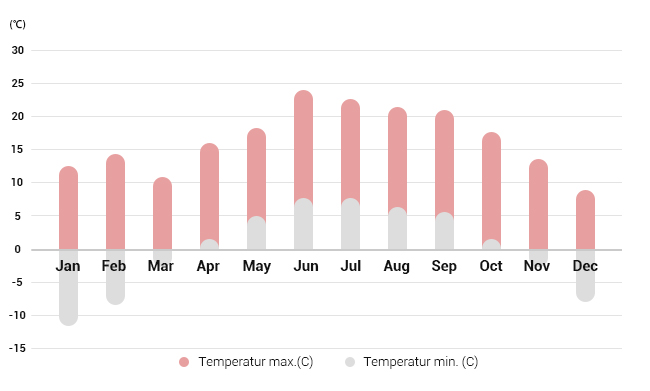
Tibet in January is dominated by cold, dry winter weather. Across the region, daytime temperatures generally range from around 0°C to 15°C, while nighttime temperatures can fall to approximately -15°C or lower in colder areas. The large difference between daytime and nighttime temperatures is one of the most important characteristics of winter travel in Tibet.
Despite the cold, January is not usually a month of continuous snow or gloomy weather. The Tibetan Plateau receives abundant sunshine, and many days are bright and cloudless. Strong sunlight can make daytime sightseeing feel considerably warmer than the thermometer suggests, particularly in Lhasa and other relatively lower-altitude destinations.
However, conditions change quickly after sunset. Temperatures fall sharply in the evening, and strong winds can make exposed mountain areas feel significantly colder. Travelers visiting high passes, Everest Base Camp, Namtso, or western Tibet should therefore prepare for genuine winter conditions rather than relying on daytime temperatures in Lhasa.
Tibet Weather
Tibet Weather Data In January
The main destinations have noticeably different winter conditions. Lhasa has a relatively mild daytime climate, while Mount Kailash and Everest Base Camp are considerably colder.
- Lhasa: maximum around 7°C, minimum around -9°C, approximately 28 clear days, and only 1 mm precipitation.
- Namtso: maximum around 7°C, minimum around -10°C, approximately 30 clear days, with virtually no precipitation.
- Shigatse: maximum around 6°C, minimum around -13°C, approximately 28 clear days, and around 0.36 mm precipitation.
- Everest Base Camp: maximum around -5°C, minimum around -15°C, approximately 29 clear days, with around 5 mm precipitation.
- Mount Kailash: maximum around -8°C, minimum around -21°C, approximately 25 clear days, and around 9 mm precipitation.
- Nyingchi: maximum around 8.5°C, minimum around -5°C, approximately 27 clear days, and around 1.82 mm precipitation.
- Gyirong Port: maximum around -7°C, minimum around -17°C, approximately 29 clear days, with around 1.8 mm precipitation.
These figures illustrate an important point: January is not equally cold everywhere in Tibet. Lhasa and Nyingchi are substantially more comfortable than Mount Kailash or the high Himalayan areas.
Why Visit Tibet In January?
For travelers who can handle winter temperatures, January offers several advantages that are difficult to find during Tibet’s busy travel season.
Fewer Tourists And A More Peaceful Experience
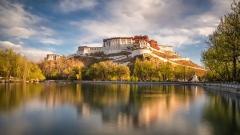
January is one of the quietest periods for tourism in Tibet. Major attractions such as the Potala Palace, Jokhang Temple, and monasteries around Lhasa are generally much less crowded than during the summer months.
This gives international travelers more time to appreciate Tibetan architecture, religious artwork, prayer halls, murals, and daily religious activities without the crowds that characterize the high season.
The atmosphere can also feel more authentic. With fewer overseas and domestic tourists around, you may see more local pilgrims traveling to Lhasa, performing kora around temples, turning prayer wheels, lighting butter lamps, or participating in traditional religious practices.
Clear Skies And Excellent Mountain Views
January is particularly attractive to photographers and mountain lovers because of its dry air and high frequency of clear days.
For example, Lhasa averages around 28 clear days, while Everest Base Camp can experience approximately 29 clear days in January. Namtso can have around 30 clear days.
The dry winter atmosphere can produce exceptionally sharp views of snow-covered mountains. When the weather cooperates, the Himalayas appear remarkably crisp against the deep blue Tibetan sky.
Lower-Season Travel Costs
Another advantage is the lower demand for travel. Hotels, flights, and other tourism services can be more affordable than during the peak summer season, while popular attractions are considerably quieter.
For travelers who prefer a more relaxed experience rather than traveling during the busiest months, January can therefore provide good value.
Where To Go In Tibet In January?
Although some remote areas become extremely cold or difficult to access, many popular destinations remain suitable for winter travel.
Lhasa
Lhasa is arguably the easiest place to visit Tibet in January.
The city can reach approximately 7°C during the daytime and fall to around -9°C at night, while January averages approximately 28 clear days.
Known as the “City of Sunlight,” Lhasa can feel surprisingly pleasant when you are walking in direct sunshine during the day. The cold becomes much more noticeable in the early morning and after sunset.
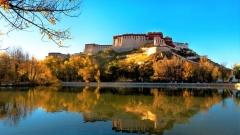
January is an excellent time to explore the Potala Palace, Jokhang Temple, Sera Monastery, Drepung Monastery, Barkhor Street, and traditional Tibetan neighborhoods.
You can also experience a slower side of Lhasa by visiting local teahouses, watching pilgrims perform kora, or simply spending time in the sunshine around the old city.
Winter is also an interesting season for birdwatching around Lhasa, as migratory birds can be seen in parts of the region.
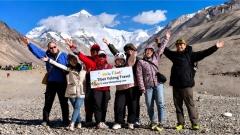
Mount Everest Base Camp
For travelers whose main goal is to see Mount Everest, January can be surprisingly rewarding.
Everest Base Camp experiences extremely cold conditions, with temperatures ranging from approximately -15°C to -5°C according to the provided climate data. Yet the region can have around 29 clear days in January.
The combination of dry air, limited precipitation, and clear skies can provide excellent visibility of Mount Everest and the surrounding Himalayan peaks.
The key challenge is the cold. Sunrise and sunset are particularly demanding, and travelers should wear a high-quality down jacket, thermal layers, gloves, a warm hat, and windproof outer clothing.
Because winter conditions can be severe, road and accommodation conditions should be checked before departure, and the itinerary should remain flexible.
Nyingchi
Nyingchi is one of the more comfortable destinations in Tibet during January because its elevation is lower than many other parts of the region.
Temperatures can reach approximately 8.5°C during the day and fall to around -5°C at night. With approximately 27 clear days, January provides good conditions for enjoying the region’s forests, valleys, lakes, and snow-covered mountains.
Winter scenery around Namcha Barwa, Basum Tso, and Laigu Glacier can be particularly impressive. Snow-covered landscapes contrast with the darker forests and deep valleys, creating a very different visual experience from the barren high plateau.
For travelers concerned about extreme cold or altitude, Nyingchi can also be a more comfortable addition to a winter itinerary.
Shigatse
Shigatse is another worthwhile winter destination. January temperatures can range from approximately -13°C to 6°C, with around 28 clear days.
The cold is more noticeable than in Lhasa, especially after sunset, but sunny daytime conditions are suitable for cultural sightseeing.
The highlight is Tashilhunpo Monastery, one of the most important monasteries in the region. Winter’s quieter atmosphere can make visiting the monastery particularly peaceful.
Yamdrok Lake
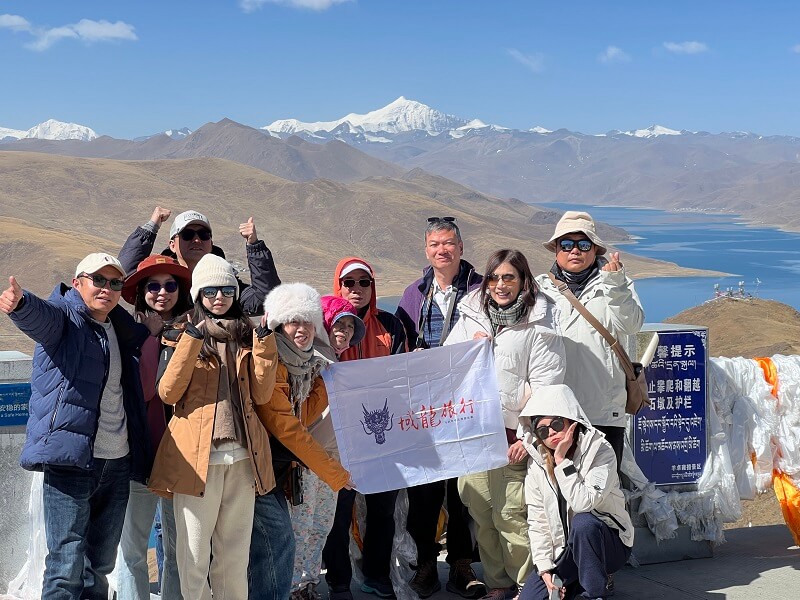
Yamdrok Lake remains a popular excursion from Lhasa during winter.
The turquoise lake, surrounding mountains, and snow-covered landscape create a dramatic contrast under the clear winter sky. Because the weather can change quickly around high mountain passes, however, travelers should check road conditions before setting out.
A winter visit to Yamdrok is especially attractive for photographers looking for fewer people and a more dramatic landscape.
Shannan
Shannan is another good option for travelers interested in Tibetan history and culture.
Often described as one of the cradles of Tibetan civilization, the region is home to important historical sites such as Samye Monastery and Yumbulakang Palace.
Rather than focusing entirely on extreme high-altitude scenery, a winter trip through Shannan allows visitors to explore some of Tibet’s cultural roots in a quieter season.
Tourists to Yamdrok Lake
What About Namtso Lake And Mount Kailash?
Not every destination is equally suitable for January travel.
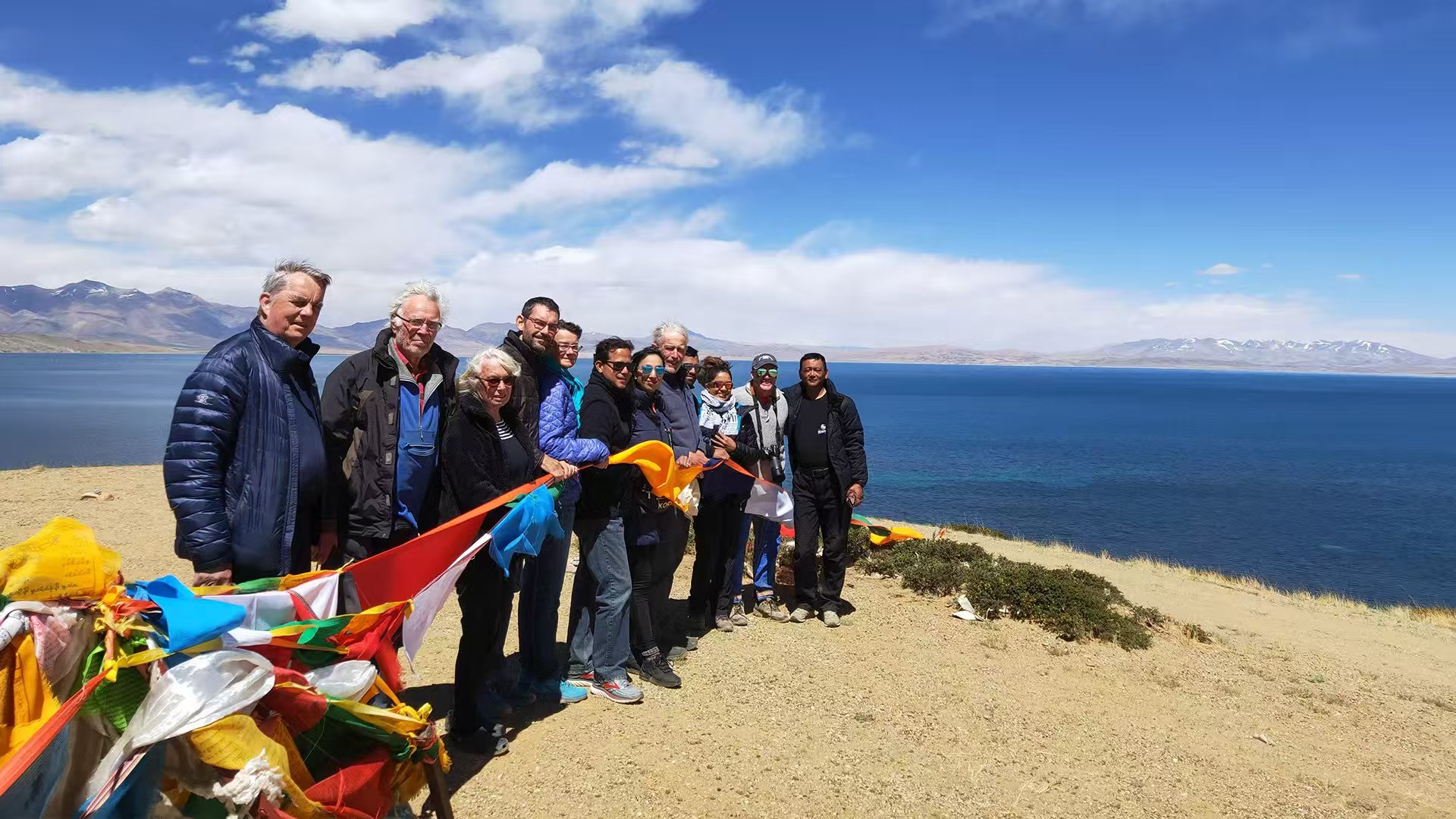
Namtso Lake
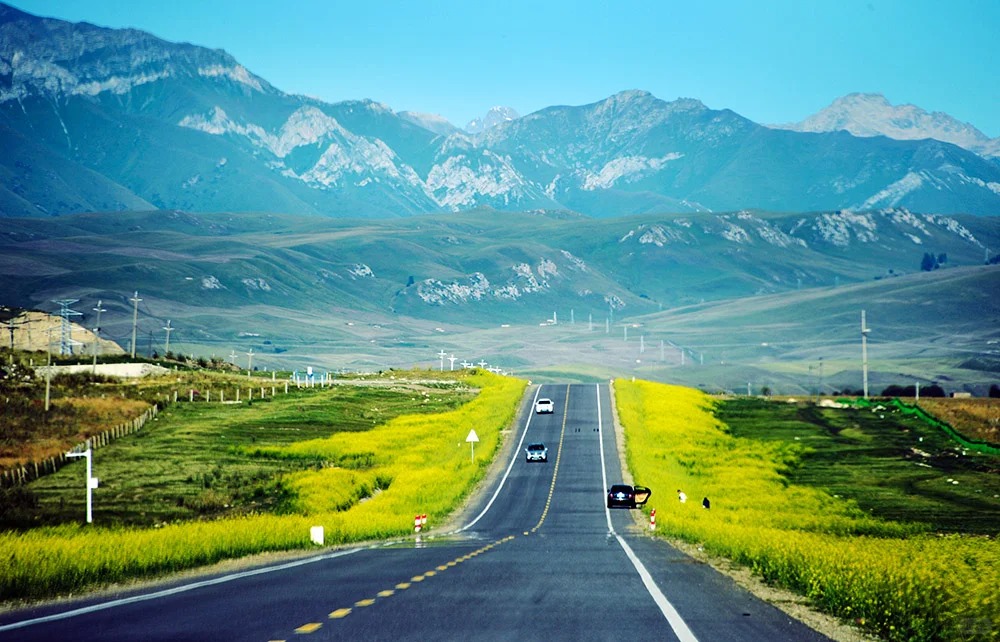
Namtso is one of Tibet’s most spectacular sacred lakes, but January brings severe winter conditions.
Temperatures can fall to around -10°C, and the lake and surrounding landscape can be covered with ice and snow. The provided data indicates around 30 clear days, meaning the scenery can be spectacular when access is possible.
However, snow and ice can affect roads over mountain passes. Travelers should therefore confirm road conditions before including Namtso in a January itinerary.
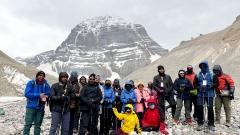
Mount Kailash
Mount Kailash is considerably more challenging in January.
Temperatures can range from approximately -21°C to -8°C, and the region receives more winter precipitation than many central areas of Tibet. Heavy snow and icy conditions can make high mountain passes difficult or impossible to cross.
For these reasons, January is generally not a suitable season for the Mount Kailash trekking circuit. Travelers interested in the Kailash kora should consider a warmer period when the trekking route is accessible.
Tibetan Festivals And Local Culture In January
January can also provide opportunities to experience Tibetan culture that is less visible during the busy tourism season.
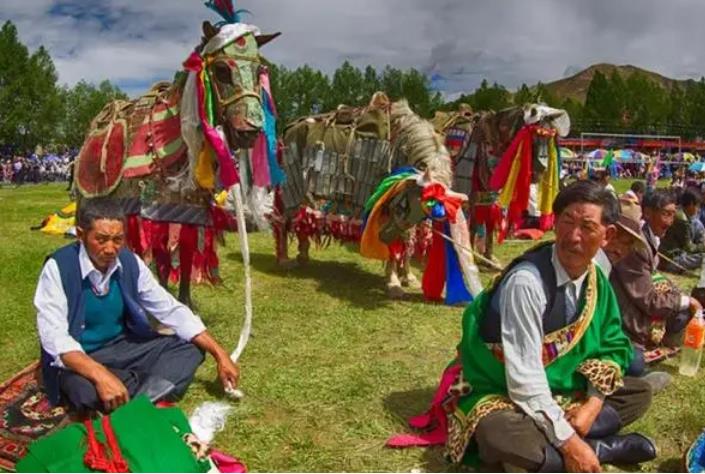
One important event is Tsang Losar, or Shigatse New Year, which is celebrated according to the Tibetan calendar and may fall in January.
The celebration is associated with family gatherings, traditional ceremonies, religious activities, and performances. At Tashilhunpo Monastery, visitors may have opportunities to observe traditional religious dances and other cultural activities when the festival takes place.
Because Tibetan festival dates follow the Tibetan lunar calendar rather than the Gregorian calendar, travelers should check the exact dates for the year of their visit before planning around a particular celebration.
Shigatse New Year
What To Wear In Tibet In January?
The most important rule for January travel is simple: dress in layers and prepare for strong wind.
A suitable winter packing list should include a thermal base layer, fleece or wool mid-layer, and a thick down jacket. Warm trousers and wool socks are particularly useful when temperatures fall below freezing.
A wool or insulated hat, scarf, and thick gloves are essential, especially when visiting high-altitude destinations. Windproof outerwear is also valuable because strong winds can make the actual conditions feel considerably colder.
For walking on icy or snowy surfaces, choose comfortable winter boots with good traction. Sunglasses and high-SPF sunscreen are also important because the Tibetan sun can be intense even in the middle of winter.
The dry climate can cause cracked lips and dry skin, so moisturizer, lip balm, and adequate drinking water should also be part of your luggage.
Altitude And Health Considerations
Cold weather is not the only challenge when traveling in Tibet. Altitude is equally important.
Lhasa is located at approximately 3,650 meters above sea level, while Everest Base Camp is around 5,200 meters. The higher you travel, the more demanding the environment becomes.
International visitors should allow time to acclimatize after arriving in Tibet rather than immediately traveling to the highest destinations. Avoid strenuous exercise during the first days, stay hydrated, eat regularly, and pay attention to how your body feels.
If you develop serious or worsening symptoms such as severe headache, difficulty breathing, confusion, or persistent vomiting, seek medical attention promptly rather than assuming the symptoms are simply part of acclimatization.
Is January A Good Time To Visit Tibet?
Yes, January can be an excellent time to visit Tibet if you prioritize clear skies, fewer tourists, cultural experiences, and lower-season travel costs over warm temperatures.
Lhasa, Nyingchi, Shigatse, and selected cultural destinations are generally better choices for a January trip. Everest Base Camp can also be rewarding for travelers who are properly equipped for extreme cold and who have a flexible itinerary.
On the other hand, destinations such as Mount Kailash may be unsuitable because of snow, freezing temperatures, and difficult road conditions.
For international travelers, the best January itinerary is therefore not necessarily the longest one. A well-designed route that combines Lhasa’s cultural attractions with selected scenic destinations can provide a much more comfortable experience than attempting to cover every corner of Tibet in the middle of winter.
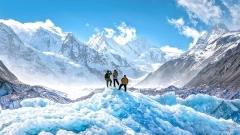
Plan A January Tibet Trip With Tibet Yulong Travel
For international visitors considering a winter journey, Tibet Yulong Travel can help design a Tibet itinerary around January’s weather, altitude, road conditions, and seasonal attractions. A local travel team can also help determine which destinations are realistic for the conditions during your specific travel dates, arrange transportation and accommodation, and adjust the route when winter weather affects remote areas.
For travelers who want to experience Tibet without the crowds, January offers a unique combination of sunny winter days, exceptionally clear mountain views, quiet monasteries, authentic local culture, and lower-season travel costs. With appropriate clothing, sensible acclimatization, and careful route planning, winter can reveal a remarkably peaceful side of the Tibetan Plateau.