
✨Highlights:
- Tsampa — roasted barley flour, the soul of Tibetan cuisine for over 4,000 years
- Po Cha (Yak Butter Tea) — salty, rich, and the ultimate high-altitude energizer
- Momos — Tibet’s beloved steamed or fried dumplings stuffed with yak or vegetables
- Thukpa — hearty noodle soup that warms you from the inside at 3,650 meters
- Yak Meat — from dried jerky to tender stews, the protein that powers plateau life
- Sweet Tea — a surprising British-influenced favorite, perfect with any Tibetan meal
- Chang — fermented highland barley wine, served at every Tibetan celebration
Perched at over 4,000 meters, the Tibetan Plateau is one of the harshest inhabited environments on Earth. Yet out of this rugged landscape has emerged a cuisine that is deeply comforting, surprisingly sophisticated, and essential to understanding Tibetan culture.
Tibetan food is survival cuisine refined over millennia. The cold, thin air and short growing season mean vegetables have historically been scarce, so the diet relies on what the land provides: highland barley, yak, mutton, and dairy. Butter, tea, tsampa, and beef are known as the “four treasures” of the Tibetan diet — cultural symbols that have sustained nomads, monks, and city dwellers for generations.
If you’re traveling to Tibet, eating like a local is non-negotiable. This guide walks you through the must-try dishes and where the best food experiences hide. Every bite tells a story of resilience, tradition, and the extraordinary flavors of the Roof of the World.
1. Tsampa — The Cornerstone of Tibetan Cuisine
Tsampa is more than food in Tibet — it’s a cultural touchstone. Made from roasted highland barley flour, it has fueled Tibetan people for over 4,000 years and remains the ultimate portable sustenance on the plateau.
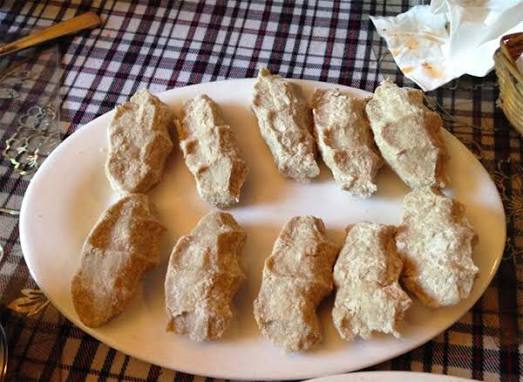
Tsampa
Traditionally, Tibetans mix tsampa with a splash of butter tea in their palms, kneading it into a doughy ball called “pa” before eating. The result is nutty, earthy, and incredibly filling. It’s also stirred into tea as porridge or served with butter, sugar, or yogurt.
You’ll find tsampa everywhere from monastery kitchens to roadside stalls. Many travelers are surprised by how much they enjoy it once they get past the unusual texture. Sharing tsampa is a gesture of hospitality across the plateau.
2. Po Cha (Yak Butter Tea) — The Drink of Tibet
If tsampa is the soul of Tibetan food, po cha is its heartbeat. This is the drink of Tibet, consumed multiple times a day and offered to every guest as a sign of welcome.
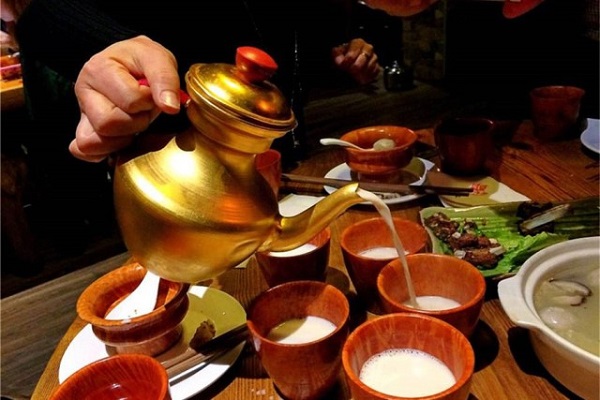
Po cha is made by boiling brick tea leaves, adding yak butter and salt, then churning vigorously until smooth and creamy. The result is a rich, salty, slightly oily beverage unlike any tea you’ve tried. The first sip can be challenging — it’s bold and savory, nothing like sweet Western teas. But give it a chance: butter tea effectively combats altitude sickness, replenishes energy, and keeps you warm.
There’s an etiquette to drinking butter tea. Your host will keep refilling your bowl whenever it’s about half empty — it’s polite to leave a little tea in the bottom rather than draining it completely.
3. Momos — Tibet’s Beloved Dumplings
Momos are the crown jewel of Tibetan food, loved by locals and travelers alike. These hand-crafted dumplings use thin, elastic wheat dough wrapped around a savory filling, then steamed to silky perfection or fried until golden and crisp.
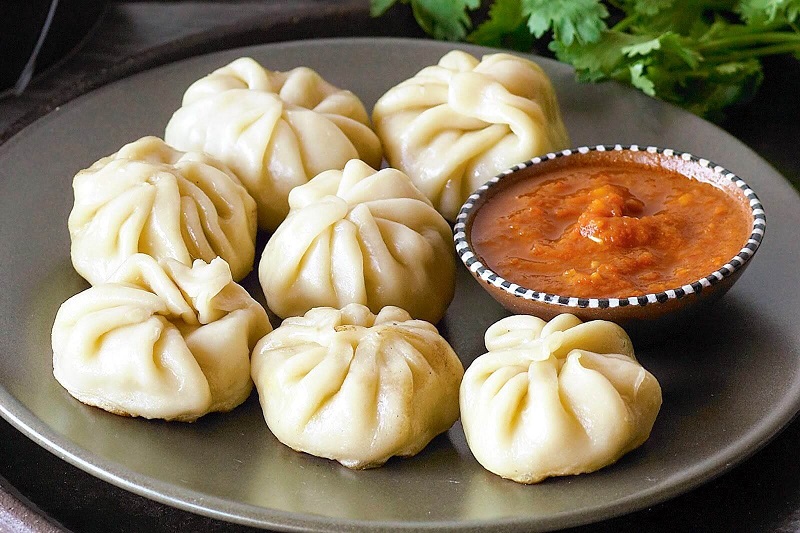
The filling is a tender, juicy mix of finely minced yak, chicken, or mutton seasoned with garlic, ginger, and fresh herbs. Vegetarian momos with cabbage, carrots, and spices are also widely available. They’re served with a spicy dipping sauce made from chili, tomato, and Sichuan pepper that adds an electrifying kick.
You’ll find momos everywhere in Tibet, from street vendors to upscale restaurants. The best are made fresh to order, with the dough folded into intricate pleats by skilled hands.
4. Thukpa — The Ultimate Comfort Noodle Soup
A bowl of thukpa is how many locals start their day. This hearty noodle soup is the ultimate comfort food on the cold plateau — simple, filling, and deeply warming.
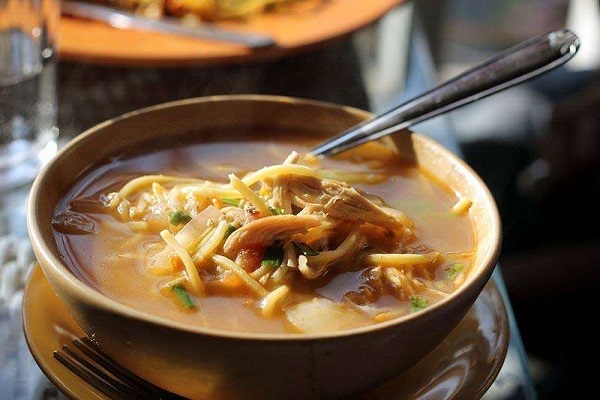
Thukpa features hand-pulled noodles in a clear yak-bone broth with pieces of yak meat, vegetables, and sometimes a soft-boiled egg. The noodles are chewy and substantial, the broth mild and savory, and the whole bowl feels like a hug. It’s affordable, ubiquitous, and the kind of meal that makes you feel instantly at home.
Variations include thenthuk (hand-pulled flat noodles) and gyathuk (thinner round noodles). You’ll see thukpa on breakfast menus across Lhasa, especially at local teahouses.
5. Yak Meat — The Protein of the Plateau
Yaks are indispensable to life on the Tibetan Plateau, and their meat is central to Tibetan cuisine. Yak meat is leaner than beef, with a rich, slightly gamey flavor many describe as a cross between beef and bison. It’s high in protein and healthy fats — exactly what you need to stay warm at altitude.
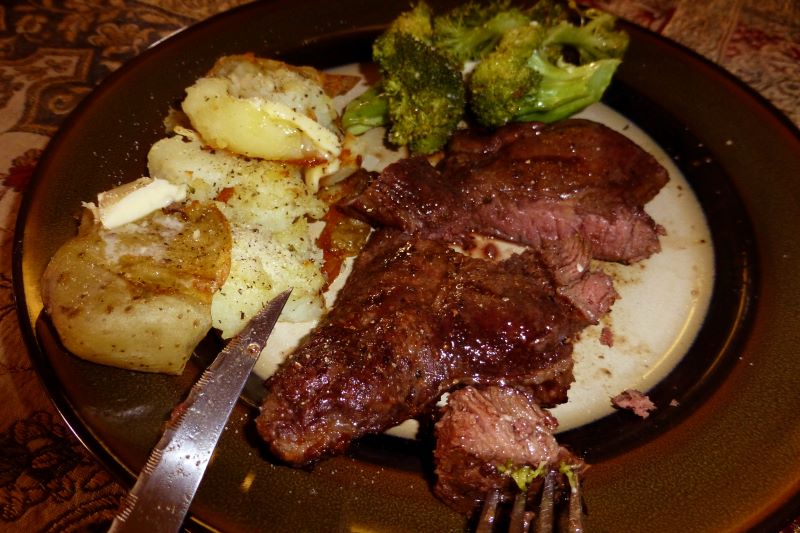
Yak appears in countless forms: dried yak meat (kampa) — air-dried until chewy and intensely flavorful, a nomad staple; yak stew — slow-cooked with potatoes and spices until tender; yak skewers — grilled over open flames with cumin and chili; and yak sausage (gyuma) — a traditional blood sausage with yak meat, blood, and barley flour.
6. Sweet Tea — The Surprising Favorite
While butter tea gets all the attention, sweet tea is arguably the most beloved daily drink in modern Tibet. This milky, sweet beverage is a legacy of British influence in the Himalayas, and Tibetans have made it entirely their own.
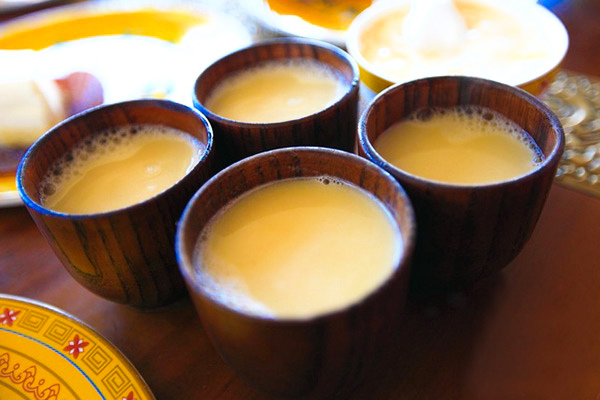
Tibetan sweet tea uses strong black tea, plenty of milk, and sugar, simmered together until creamy and comforting. It’s closer to Indian chai or British builder’s tea, but with a distinctly Tibetan character. Locals sip it at every hour, often paired with momos or Tibetan bread.
The best sweet tea is served in small glasses at local teahouses, where it costs just a few yuan per cup and is refilled constantly. It’s the perfect entry point for travelers who find butter tea too intense.
7. Sha Balep — The Tibetan Fried Meat Pastry
Sha balep is a fried meat pastry stuffed with yak or beef and vegetables, often eaten as a snack or breakfast. Think of it as Tibet’s answer to the empanada — crispy outside, juicy and savory inside.
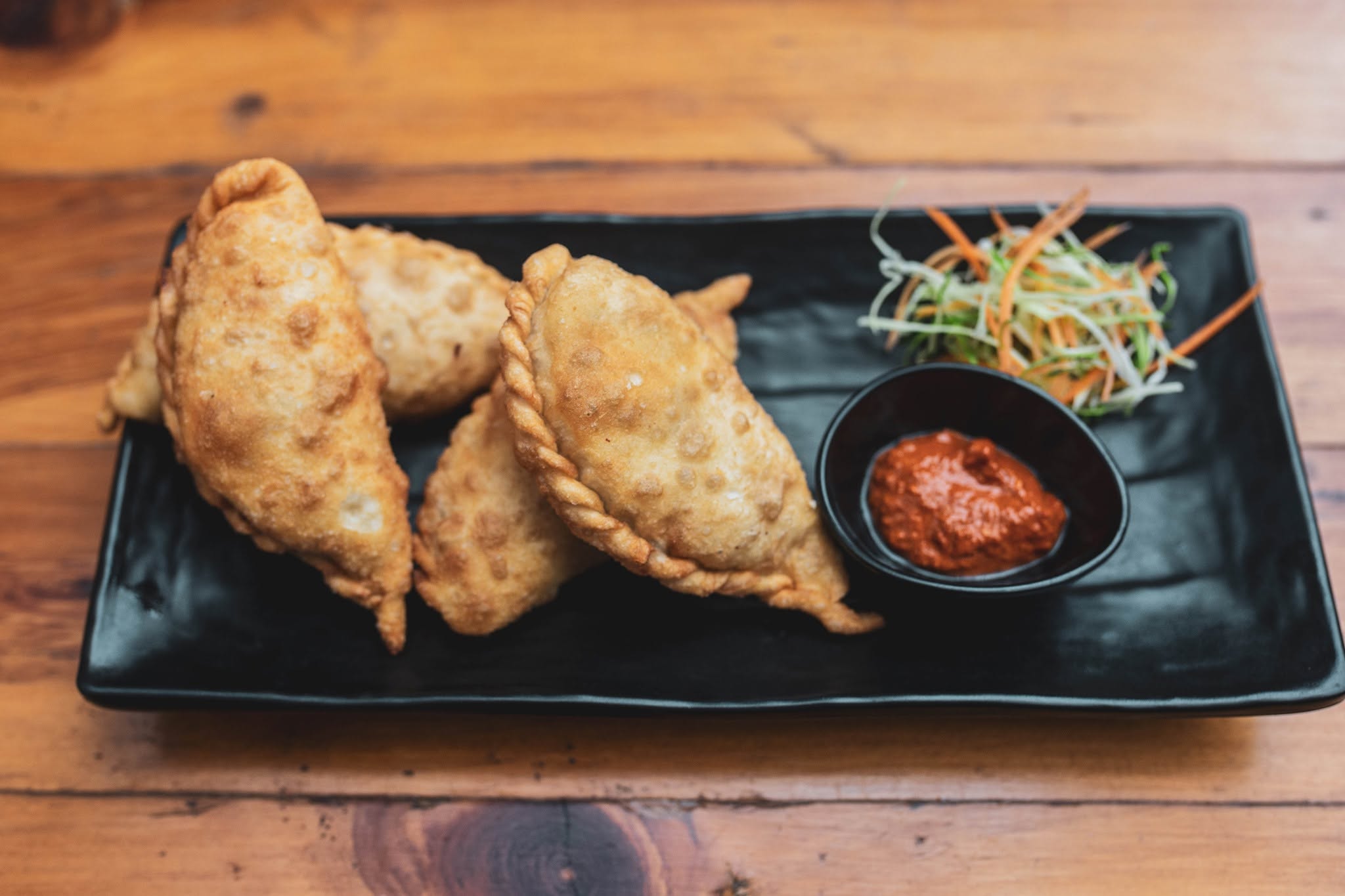
The dough is made from flour and water, rolled into circles, filled with spiced meat, then folded into half-moons and deep-fried until golden. The filling typically includes minced yak, onions, garlic, and ginger. Best eaten hot, straight from the fryer, with spicy dipping sauce.
You’ll find sha balep at street stalls, bakeries, and teahouses across Tibet. They’re portable, filling, and incredibly moreish.
8. Tingmo — Steamed Bread of Tibet
Tingmo is a soft, fluffy steamed bread that accompanies many Tibetan meals. Similar to Chinese mantou but with a slightly denser, chewier texture, it’s perfect for soaking up stews and curries.
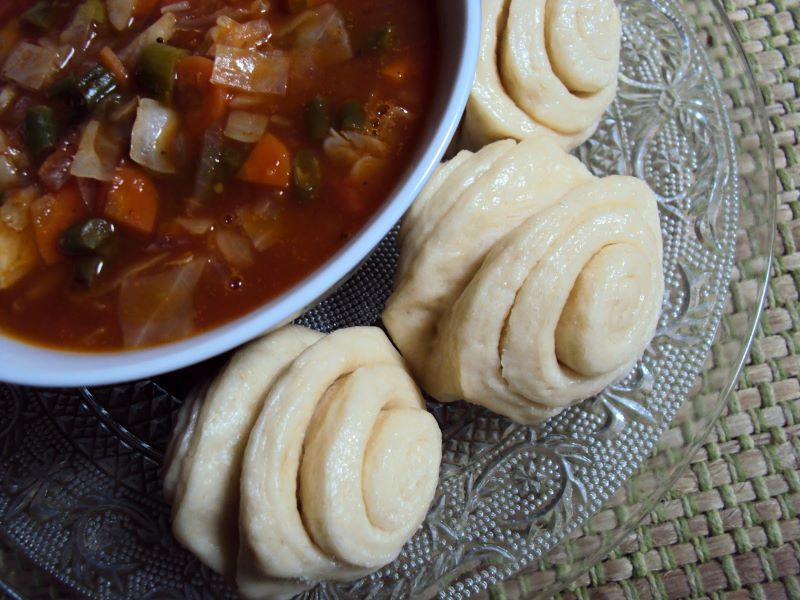
Made from wheat flour, yeast, and water, kneaded smooth and steamed in bamboo baskets, tingmo is pillowy and slightly sweet. It’s often served alongside yak stew, thukpa, or as part of a Tibetan breakfast spread. In some regions, it’s twisted into a spiral before steaming, creating beautiful layered texture.
9. Gyuma — Tibetan Blood Sausage
Gyuma is a traditional sausage made from yak meat, yak blood, and barley flour, stuffed into intestine casings and boiled or steamed. It divides travelers — some find it challenging, others rave about its rich, savory flavor.
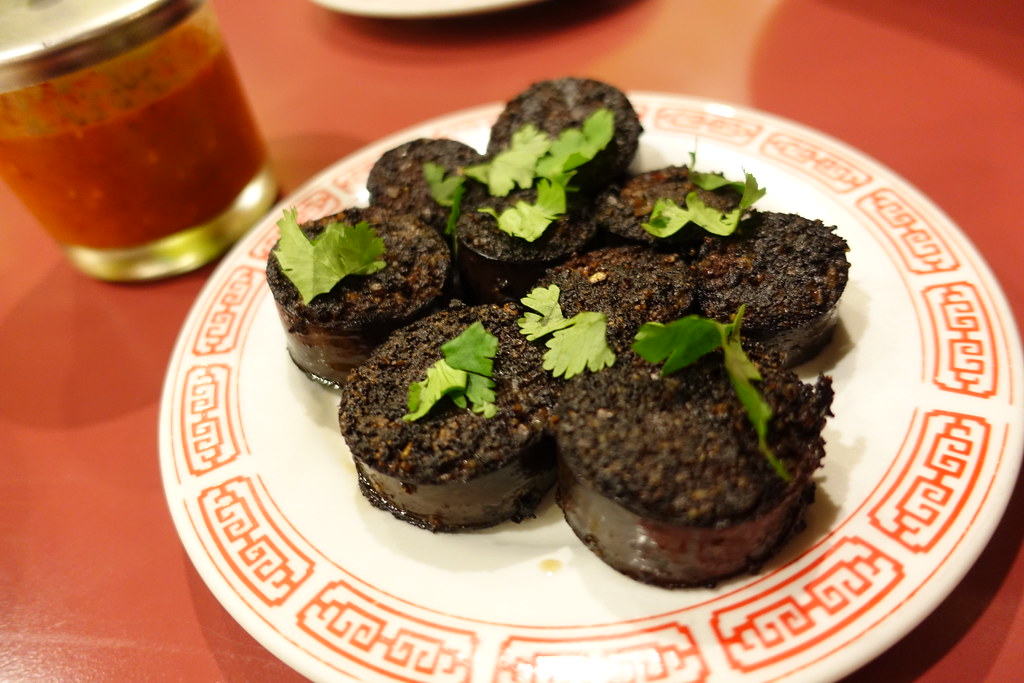
The texture is soft and slightly crumbly, with a deep, iron-rich taste balanced by nutty barley flour. It’s sliced and served with chili powder or spicy dipping sauce. Gyuma is a staple on traditional Tibetan dinner tables, especially during festivals and family gatherings.
If you’re a food adventurer, gyuma is a must-try. It’s one of the most authentically Tibetan dishes, offering a window into the resourcefulness of plateau cuisine.
10. Guthuk — The Ceremonial New Year Soup
Guthuk is a special soup that holds a unique place in Tibetan culture. Made with yak meat, mushrooms, celery, radish, peas, tomato, onion, garlic, and spinach, it’s a hearty stew eaten only once a year — on the eve of Losar (Tibetan New Year).
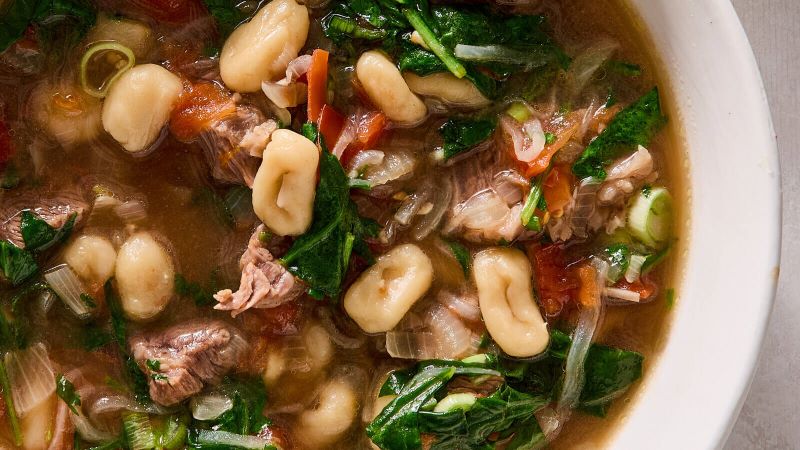
The name means “nine stews”, and the dish traditionally contains nine ingredients. Each bowl includes a large dough ball with a hidden object inside — coal, wool, or a chili pepper — said to predict your fortune for the coming year. It’s a playful, communal tradition that brings families together.
11. Tibetan Yogurt (Lulung)
Tibetan yogurt is a revelation. Made from yak or cow milk, it’s thick, creamy, and tangy — far more flavorful than most commercial yogurts. Served with sugar, honey, or dried fruit, it makes a perfect breakfast or refreshing snack.
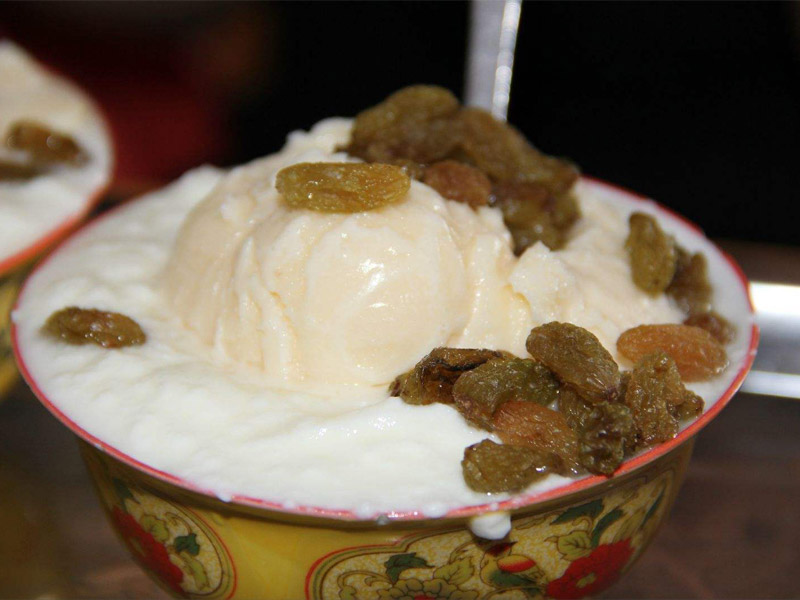
The best is made at home or in small monasteries, where milk ferments slowly in clay pots. It has a rich, almost cheesy texture and a bright, sour tang that cuts through the richness of other Tibetan dishes. Don’t miss the “yogurt and ginseng fruit sweet salad” — a traditional dessert combining creamy yogurt with sweet, nutty ginseng fruit.
12. Chang — Highland Barley Wine
Chang is Tibet’s traditional alcoholic beverage, made from fermented highland barley. It’s slightly sweet, low in alcohol (around 3-5%), and often served warm in wooden bowls or bamboo cups.
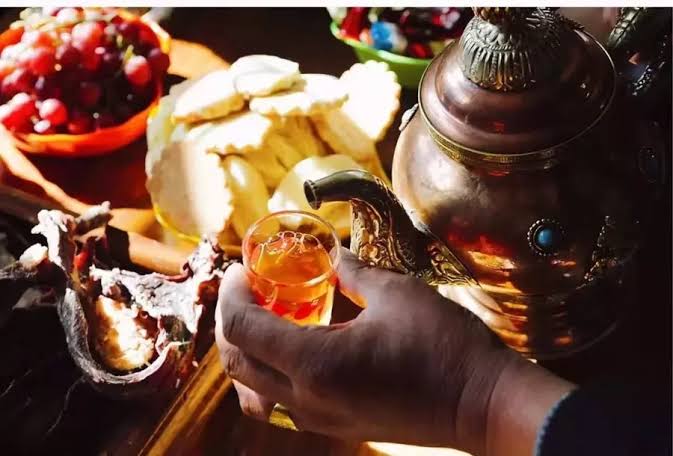
Chang plays a central role in Tibetan social and ceremonial life — offered at weddings, festivals, and religious ceremonies. There’s a ritual for accepting it: dip your finger and flick it toward the sky (gods), then toward the earth (spirits), then take a sip. Refusing chang can be impolite, so even non-drinkers should touch the cup to their lips.
The taste is light and slightly fizzy, with a grainy sweetness that’s surprisingly refreshing.
13. Shapaley — Tibetan Meat Pie
Shapaley is a deep-fried meat pie that’s a popular street food. Simple flour dough wraps around spiced meat filling — usually yak or beef with onions, garlic, and ginger — then flattened and fried until crispy and golden.
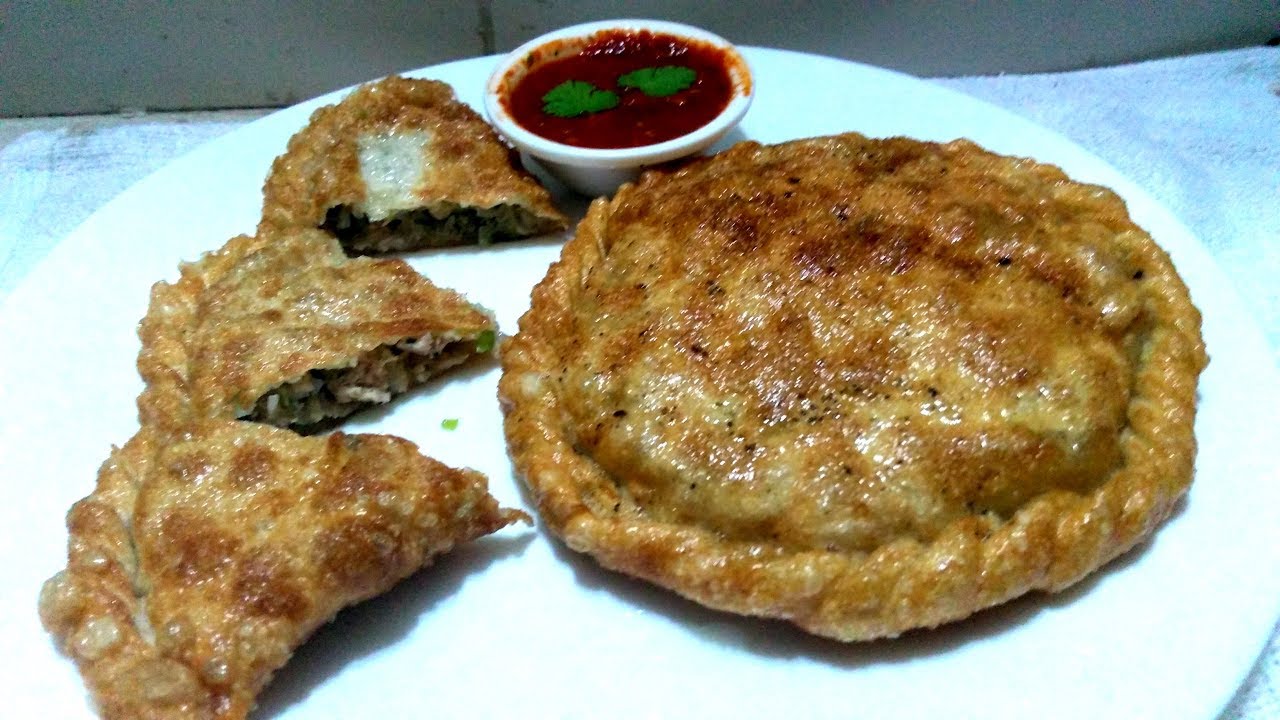
Unlike sha balep’s half-moon shape, shapaley is typically round and flat, more like a stuffed pancake. The crust is flaky and crisp, while the inside is juicy and flavorful. Best eaten hot with a squeeze of lemon or spicy sauce.
14. Thenthuk — Hand-Pulled Noodle Soup
Thenthuk, literally “finger-pulled noodles”, is a rustic Tibetan specialty. The dough is stretched and torn into irregular pieces directly into boiling broth, giving the noodles a unique chewy texture.
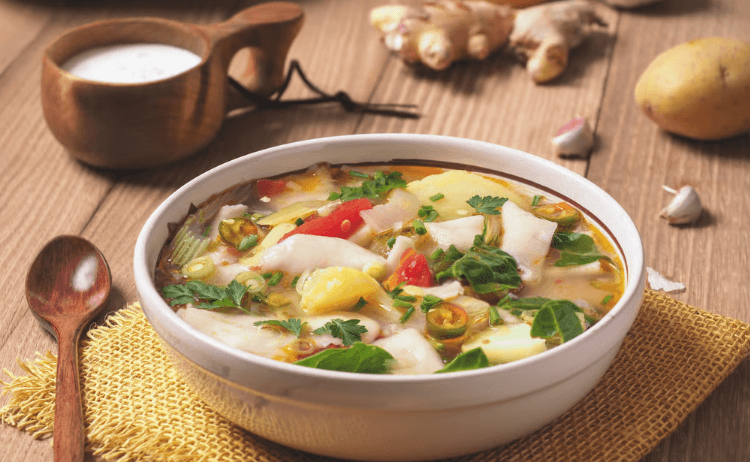
It’s served in a meat or vegetable broth with potatoes, greens, and sometimes yak meat. The hand-pulled technique takes years to master, and watching a chef work the dough is a performance in itself. Thenthuk is hearty, warming, and the kind of meal that sticks with you through a cold Tibetan day.
15. Dried Yak Meat (Kampa)
Dried yak meat, or kampa, is the most iconic Tibetan snack. Strips of yak meat hang in the cold, dry plateau air during winter, naturally preserved without additives. The result is chewy, intensely flavored jerky high in protein — perfect for long journeys.
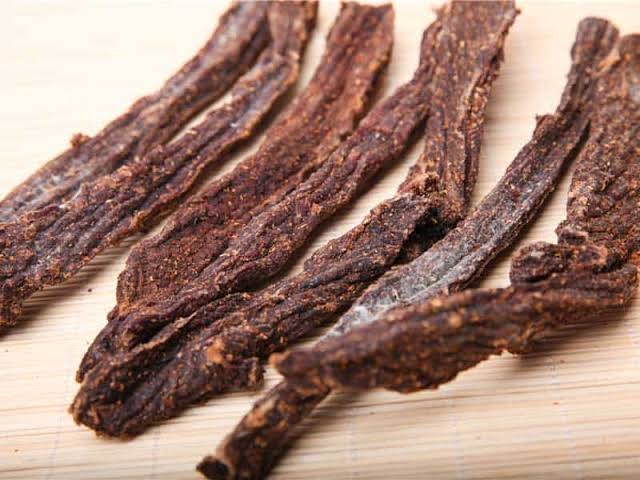
The best kampa uses the yak’s hind leg, sliced thin and seasoned with salt, garlic, and sometimes Sichuan pepper. Dried for several weeks until hard and shelf-stable, it’s eaten as a snack or rehydrated in soups. Nomads have relied on it for centuries as portable, nutrient-dense food. For travelers, kampa makes a great trail snack and unique souvenir.
Experience Tibetan Cuisine on a Custom Tibet Tour
The best way to truly experience Tibetan food is not just to eat it, but to understand the culture, landscape, and people behind every dish. Imagine sipping freshly churned butter tea with a nomad family by Yamdrok Lake, learning to fold momos with a local grandmother in Lhasa, or sharing warm chang under the stars at Everest Base Camp. These are the moments that turn a meal into a memory.
At Tibet Yulong, we specialize in custom Tibet tours that go beyond the standard itinerary. Our local guides know the hidden teahouses, family-run restaurants, and nomad homestays where you’ll taste the most authentic Tibetan food — the kind you won’t find in guidebooks. Whether you’re a foodie seeking a culinary adventure or a traveler wanting to connect with local culture through cuisine, we design a journey tailored to your interests, pace, and palate.
From Lhasa’s bustling markets to remote monasteries, every meal becomes an opportunity to connect, learn, and savor. We handle the permits, logistics, and reservations — all you need is an appetite and curiosity.
Ready to taste the Roof of the World? Contact us today to start planning your custom Tibet food journey.
Practical Tips for Eating in Tibet
- Acclimatize first: Give your body a day or two before eating rich foods. Start with thukpa and sweet tea.
- Drink the tea: Butter tea genuinely helps with altitude sickness. Try a cup or two even if unsure.
- Carry snacks: Remote areas have limited options. Pack dried yak meat or energy bars for long drives.
- Respect etiquette: When offered butter tea, it’s polite to accept. Leave a little at the bottom for refills.
- Be adventurous: The dishes you’re most hesitant to try often become favorites.
- Stay hydrated: The dry plateau air dehydrates quickly. Drink tea and water throughout the day.
Conclusion
Tibetan cuisine is far more than sustenance for a harsh environment — it’s a living expression of culture, history, and the deep connection between the Tibetan people and their extraordinary land. From a simple bowl of thukpa to the ceremonial richness of guthuk, every dish carries meaning beyond its ingredients.
As you travel through Tibet, let the food guide you. Sit in a local teahouse and watch the world go by over a pot of sweet tea. Try momos at a street stall where dumplings are folded by hand. Accept that bowl of butter tea even if you’re not sure you’ll like it. These small moments of culinary curiosity are often the ones that stay with you long after you’ve left the plateau.
The real magic happens when you sit down at a Tibetan table, share a meal, and let the flavors, warmth, and hospitality of the Roof of the World envelop you. Yak butter tea, anyone?