
Autumn is one of the most rewarding seasons for a Tibet trip. From September to November, the summer crowds gradually disappear, rainfall decreases, and the plateau is often blessed with clear blue skies and excellent mountain visibility. At the same time, temperatures become noticeably colder, particularly at night and in high-altitude areas. With the right preparation, autumn offers an excellent balance of comfortable sightseeing, dramatic landscapes, trekking opportunities, and authentic Tibetan cultural experiences.
Key Points at a Glance
- Best autumn months: September and October, especially for first-time visitors.
- Weather: Generally dry, sunny, and clear, with large temperature differences between day and night.
- Best for: Mountain photography, trekking, cultural sightseeing, Everest Base Camp, Mount Kailash, and scenic road trips.
- September: Mild temperatures, clearer skies, and lingering summer greenery.
- October: Golden landscapes, excellent visibility, and comfortable daytime conditions.
- November: Much colder, especially at night, but quieter and suitable for travelers who prefer fewer tourists.
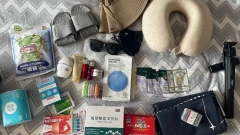
- What to pack: Layered clothing, warm jacket, windproof outerwear, comfortable shoes, sunglasses, hat, and high-SPF sunscreen.
- Altitude preparation: Take time to acclimatize in Lhasa before traveling to higher destinations.
Why Is Autumn One of the Best Times to Visit Tibet?
Autumn arrives in Tibet from around September and gradually transforms the plateau from its summer green into a landscape of golden grasslands, colorful forests, snow-covered mountains, and deep blue skies. As the summer monsoon season ends, rainfall decreases and the air becomes cooler and drier.
One of the biggest advantages of traveling during autumn is visibility. Summer showers and clouds can occasionally obscure high mountains, while the clearer autumn atmosphere creates excellent conditions for seeing and photographing Himalayan peaks. Mount Everest, Mount Kailash, Namcha Barwa, and many of Tibet’s famous lakes can look particularly spectacular under the autumn sun.
Another advantage is that the busiest summer travel period begins to fade. September and October still attract many visitors because of the excellent weather, but the atmosphere can be more relaxed than during the height of summer. November is considerably quieter, although temperatures drop sharply.
For travelers who want to combine sightseeing with trekking, photography, or cultural exploration, autumn provides one of the most balanced travel windows of the year.
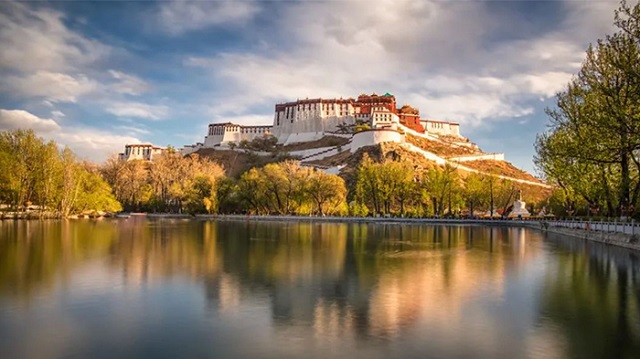
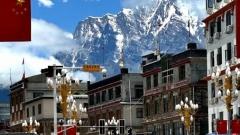
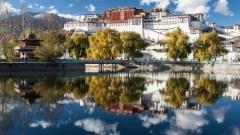
Potala Palace in Autumn
Tibet Weather in Autumn
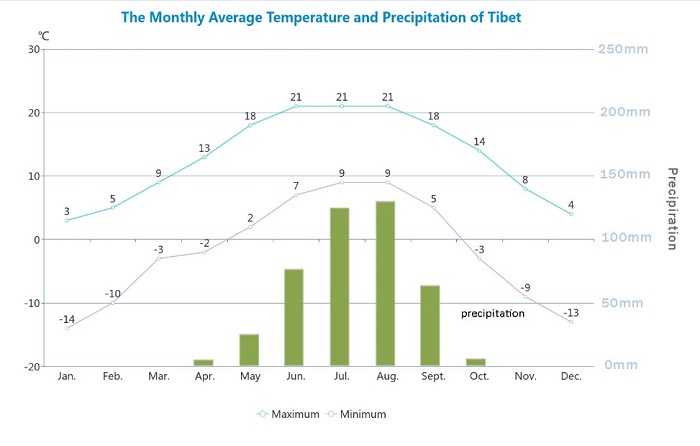
Tibet’s autumn generally covers September, October, and November, but conditions change considerably during these three months.
September Weather in Tibet
September is still relatively mild in many parts of Tibet. The summer rains are gradually ending, while the landscape retains much of its green appearance. Days are usually comfortable for sightseeing and outdoor activities, although mornings and evenings become increasingly cool.
This is particularly good for travelers who want to combine Lhasa sightseeing with Everest Base Camp, Mount Kailash, or trekking.
October Weather in Tibet
October is often considered one of the best months for Tibet travel. The weather becomes drier, skies are frequently clear, and autumn colors begin appearing across the plateau.
Nyingchi is especially attractive for photography as forests change from green to shades of yellow, orange, and red. In western Tibet, the combination of deep-blue skies, golden grasslands, and snow-covered Himalayan peaks creates dramatic scenery.
However, temperatures begin falling significantly after sunset, so warm clothing becomes increasingly important.
November Weather in Tibet
November marks the transition toward winter. Daytime sunshine can still make Lhasa and other lower-altitude destinations pleasant, but mornings and nights can be very cold. Higher-altitude areas may experience freezing temperatures and occasional snow.
The advantage is that tourist numbers are much lower. If you prioritize peace, photography, and cultural sightseeing over warm weather, November can still be rewarding, particularly in Lhasa, Shigatse, and Shannan.
Tibet Weather
How to Prepare for High Altitude in Tibet
Altitude is one of the most important considerations when planning a Tibet trip. The plateau’s thin air means that visitors may need time to adapt, especially when traveling from Lhasa to destinations above 4,000 or 5,000 meters.
Rather than trying to prepare through intense physical training immediately before your trip, focus on arriving rested and giving your body sufficient time to acclimatize. Avoid arriving in Tibet while suffering from a cold or other respiratory illness.
A sensible Tibet itinerary normally allows several days in Lhasa before moving to higher destinations. This gradual approach gives travelers more time to adjust before visiting places such as Namtso, Everest Base Camp, or Mount Kailash.
If you develop severe or persistent symptoms after reaching high altitude, seek medical assistance rather than attempting to continue the journey.
Give Yourself Time to Acclimatize
Do not plan your itinerary so tightly that you immediately travel from Lhasa to a much higher destination. Spend your first days exploring Lhasa at a relaxed pace, drinking enough water, sleeping well, and avoiding excessive physical exertion.
This is particularly important for trekking trips.
Avoid Traveling With a Cold
A respiratory infection can make the experience of high altitude more difficult. If you are unwell before departure, consider recovering fully before beginning your Tibet journey.
Stay Warm
Autumn temperatures can change dramatically between sunshine and shade, as well as between daytime and nighttime. Staying warm and avoiding unnecessary exposure to cold weather can make your trip much more comfortable.
What to Do in Tibet During Autumn
Autumn is not simply a good season for sightseeing. It is one of the best periods for experiencing several of Tibet’s most iconic landscapes.
Explore Lhasa and Its Cultural Heritage
Lhasa is an excellent starting point for an autumn journey. The city’s dry weather and abundant sunshine provide comfortable conditions for exploring its major cultural attractions.
Visit the Potala Palace, the iconic symbol of Tibet, then continue to Jokhang Temple and Barkhor Street to experience the spiritual heart of the city. Sera Monastery is another worthwhile stop, especially for travelers interested in Tibetan Buddhist traditions and the famous monk debates.
Autumn’s quieter atmosphere can also make it easier to appreciate Lhasa without feeling rushed.
See Mount Everest in Clear Autumn Weather
For mountain lovers and photographers, autumn is an excellent season to travel toward Everest Base Camp.
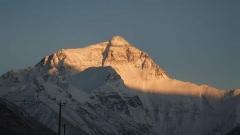
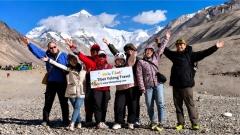
After the summer monsoon season retreats, the probability of clear mountain views improves. The road toward Everest offers dramatic Himalayan scenery, while Rongbuk Monastery provides an unforgettable perspective of Mount Everest from the Tibet side.
Trekking enthusiasts can also consider the classic route from Old Tingri toward Everest Base Camp. Autumn’s cooler and generally drier conditions can make long-distance hiking more comfortable than during the wetter summer months.
Experience Mount Kailash and Lake Manasarovar
Western Tibet becomes especially attractive in autumn for travelers interested in sacred landscapes and pilgrimage.
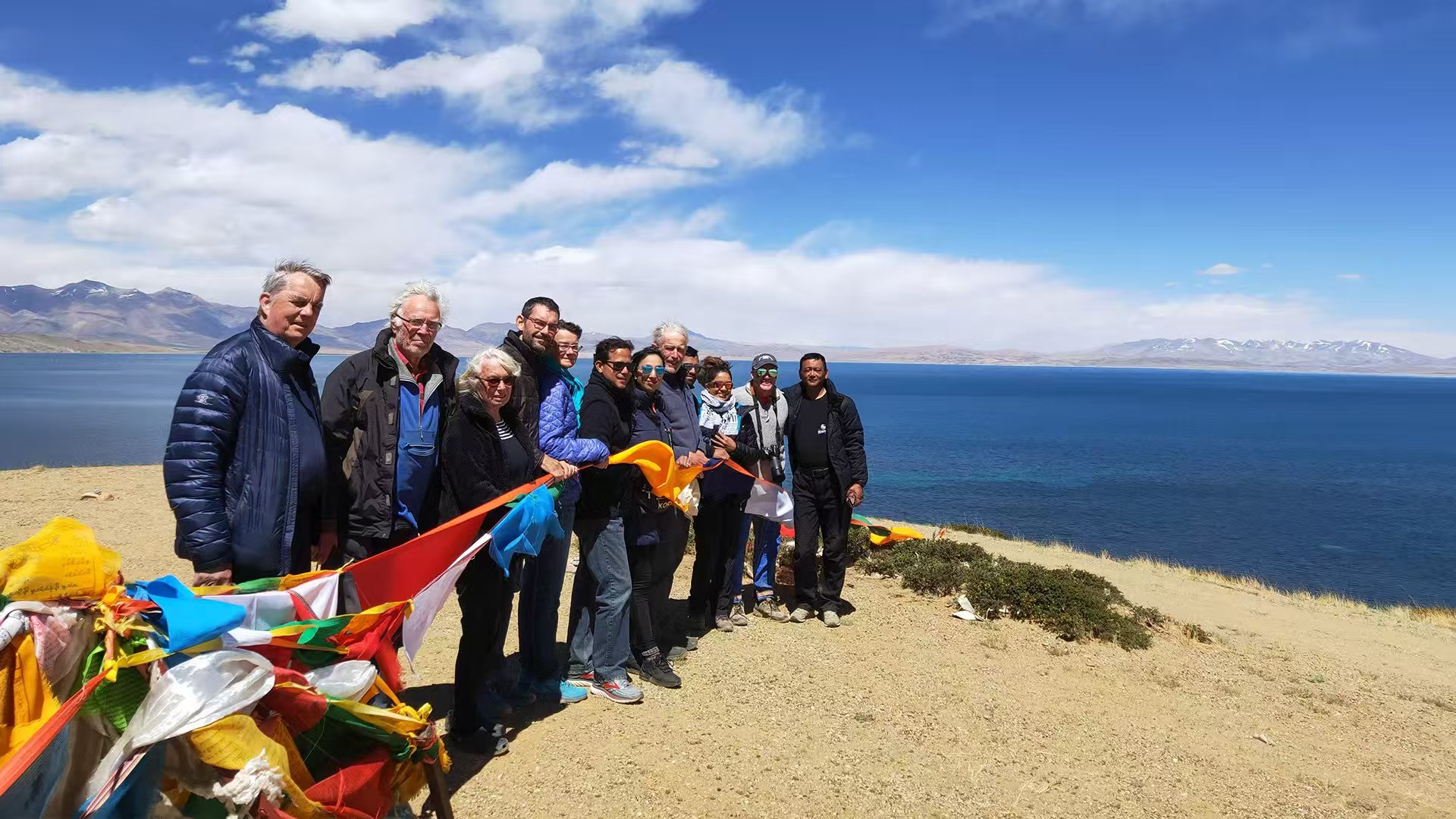
Mount Kailash is revered by followers of Buddhism, Hinduism, Jainism, and the Bon tradition. The traditional kora around the mountain is a physically demanding journey at high altitude, but it offers an extraordinary combination of spiritual atmosphere and Himalayan scenery.
Nearby Lake Manasarovar adds another major highlight. The lake’s blue waters, surrounding mountains, and vast open landscape create an unforgettable setting.
Because the Mount Kailash region is considerably higher and colder than Lhasa, travelers should be well acclimatized and properly equipped before attempting the kora.
Photograph Nyingchi’s Autumn Colors
Nyingchi is famous for its spring peach blossoms, but autumn offers an entirely different visual experience.
As the forests change color, Lulang and surrounding areas become filled with golden, orange, and reddish foliage. Snow peaks, forests, alpine meadows, rivers, and villages create layered landscapes that are particularly appealing to photographers.
Namcha Barwa, rising to 7,782 meters, is one of the most spectacular subjects in southeastern Tibet. The mountain and the surrounding Yarlung Zangbo region provide some of the most dramatic scenery available during an autumn Tibet tour.
Enjoy Tibet’s Lakes
Autumn sunshine can give Tibet’s high-altitude lakes an intense blue or turquoise appearance. Yamdrok Lake, Namtso, and Lake Manasarovar are among the most famous examples.
Namtso, located at an elevation of more than 4,600 meters, is significantly higher than Lhasa, so proper acclimatization is particularly important before visiting.
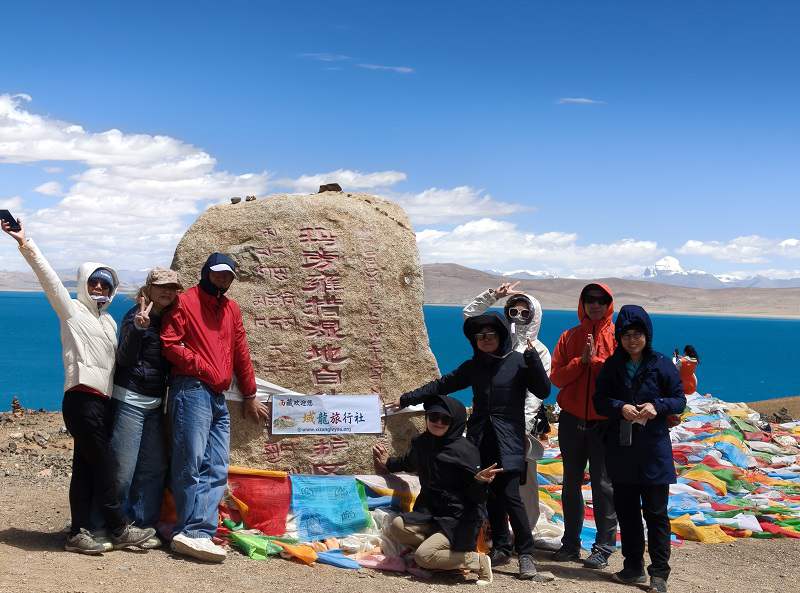
Lake Manasarovar
Autumn Festivals and Cultural Experiences
Autumn is also connected with several traditional Tibetan festivals and agricultural celebrations.
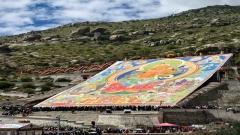
The Ongkor Festival, for example, is associated with the harvest season. Villagers participate in religious ceremonies, circumambulate fields, and celebrate with traditional singing, dancing, food, and other activities.
Other regional celebrations can include horse-racing events and religious traditions. Festival dates may vary according to local and Tibetan calendars, so travelers interested in attending a particular event should confirm the schedule before planning their itinerary.
These celebrations can offer a more personal perspective on Tibetan culture beyond the major tourist attractions.
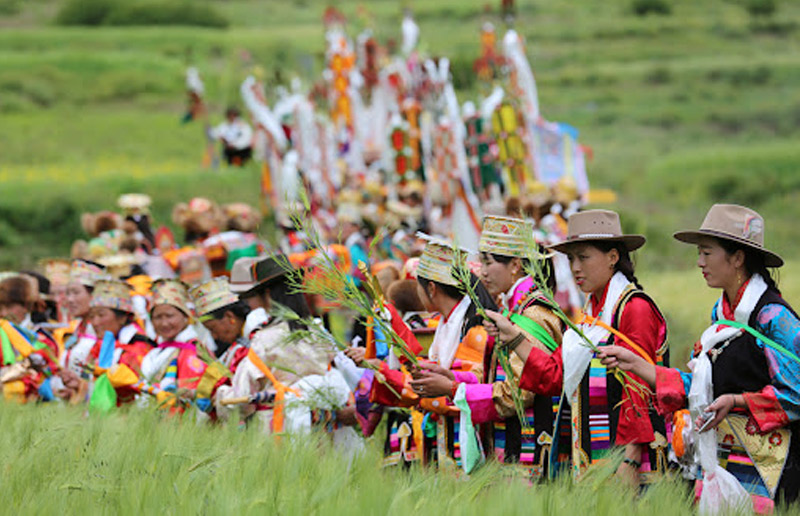
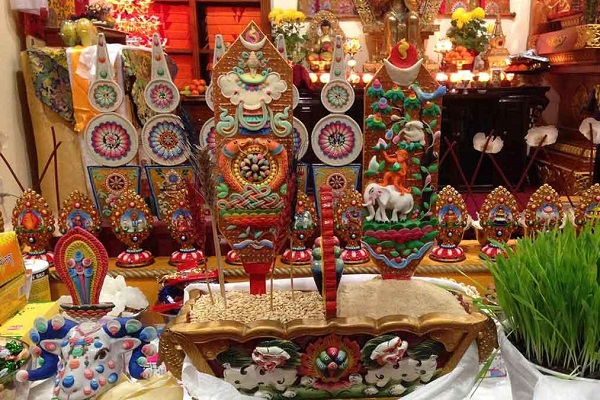
Tibet Ongkor Festival
Autumn Trekking in Tibet
For outdoor enthusiasts, autumn is among the most attractive trekking seasons.
The combination of cooler temperatures, reduced rainfall, clear skies, and spectacular mountain visibility creates favorable conditions for routes around Everest and Mount Kailash. Depending on your interests and physical condition, trekking itineraries can range from relatively short walks to demanding multi-day journeys.
However, altitude remains the primary challenge. A route that looks moderate on a map can become considerably more demanding at elevations above 4,000 meters. Proper acclimatization, appropriate equipment, sufficient rest, and an experienced local support team are therefore essential.
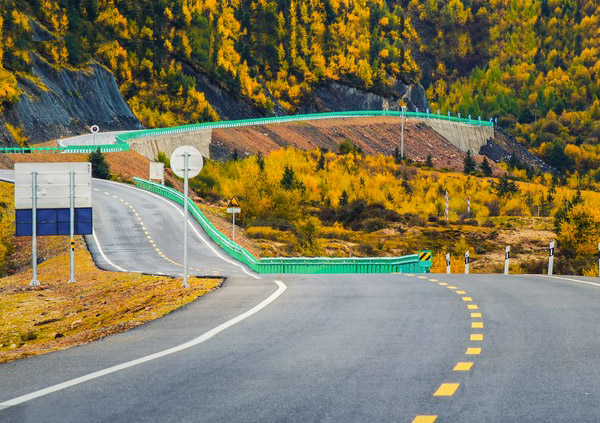
Driving From Chengdu to Tibet Along G318
Autumn is also an excellent season for a road journey along China’s famous G318 Sichuan-Tibet Highway.
The route crosses more than 2,000 kilometers of spectacular mountain scenery between Chengdu and Lhasa. In autumn, the rainy season gradually disappears, while forests across western Sichuan and southeastern Tibet begin changing color.
Along the way, travelers can experience Kham Tibetan culture and visit places such as Kangding, Danba, Litang, and Xinduqiao. The route also provides opportunities to explore glaciers, snow mountains, grasslands, valleys, and dramatic river landscapes.
For travelers who enjoy road trips and photography, an autumn G318 journey can be one of the most memorable ways to reach Tibet.
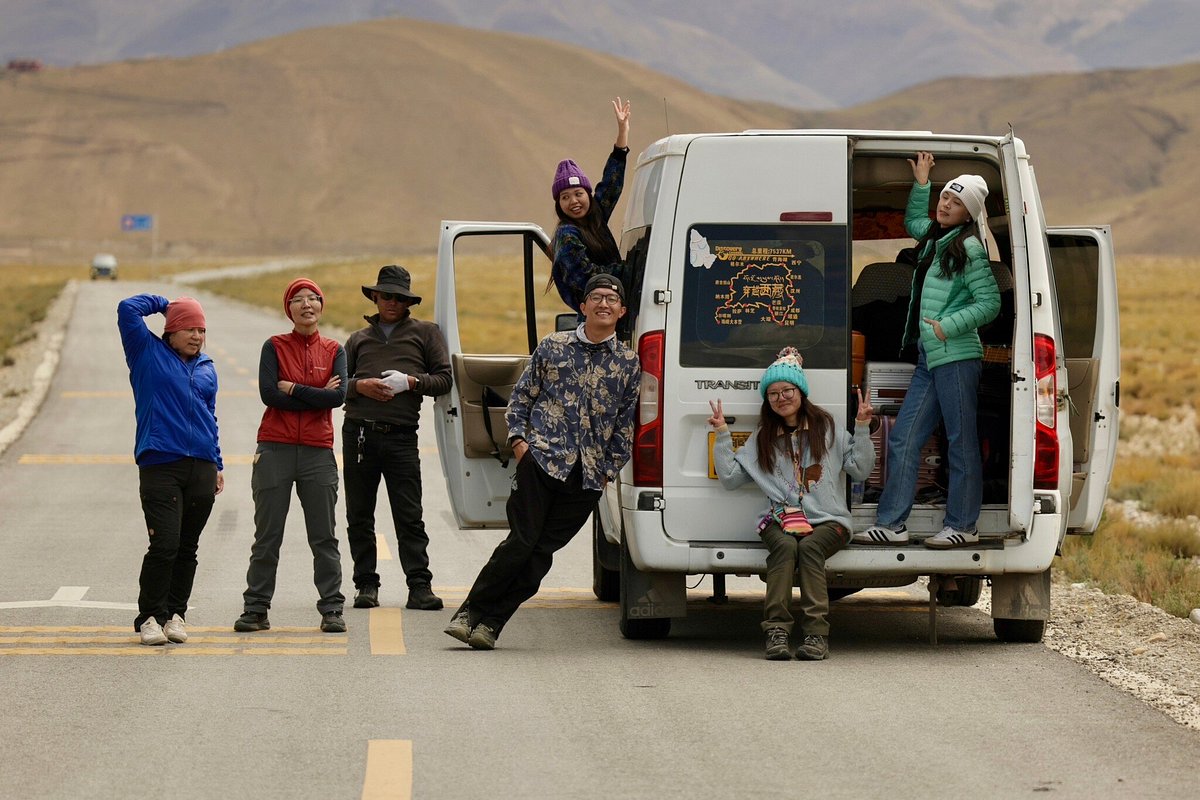
G318
What Should You Pack for Tibet in Autumn?
The most important rule is dress in layers. Tibet can feel warm under direct afternoon sunshine but surprisingly cold once the sun disappears.
| Essential item | Why you need it |
|---|---|
| Down jacket or warm coat | Essential for cold mornings, evenings, and high-altitude areas |
| Fleece or sweater | Useful as a middle layer |
| Windproof jacket | Helps protect against strong plateau winds |
| Comfortable walking shoes | Important for monasteries, sightseeing, and light hiking |
| Sunglasses and sun hat | Strong plateau sunlight makes eye and sun protection essential |
| Sunscreen and lip balm | Helps protect exposed skin from intense UV radiation |
| Warm socks and gloves | Particularly useful in October and November and at high elevations |
If you are planning to trek to Everest Base Camp or complete the Mount Kailash kora, bring warmer and more technical outdoor clothing than you would need for a simple Lhasa sightseeing tour.
Practical Tips for a Comfortable Autumn Tibet Trip
Plan for Large Temperature Differences
Do not judge Tibet’s weather only by the daytime temperature. The temperature can fall rapidly after sunset, particularly in high-altitude destinations.
Protect Yourself From the Sun
Cool temperatures do not mean weak sunlight. The high-altitude environment exposes travelers to intense UV radiation. Sunglasses, a hat, sunscreen, and protective clothing should be part of your daily travel gear.
Keep Your Itinerary Flexible
Weather can change quickly in mountainous regions. Allow some flexibility when traveling to remote areas, particularly if your itinerary includes trekking or high mountain passes.
Book Earlier for Popular Autumn Routes
September and October are popular because of their favorable conditions. If you are planning an Everest, Mount Kailash, or long-distance road trip, arranging transportation, accommodation, permits, and guides in advance can make the journey much smoother.
Is Autumn the Right Season for Your Tibet Trip?
Autumn is particularly suitable if your priorities include clear mountain views, photography, trekking, cultural sightseeing, and fewer crowds than the summer peak.
September is a good choice if you prefer relatively mild temperatures and greener landscapes. October offers an excellent combination of clear skies, autumn colors, and comfortable sightseeing conditions. November is better suited to travelers who value tranquility and do not mind significantly colder weather.
There is no single “best” month for every traveler. The ideal timing depends on whether you want to photograph Everest, trek around Mount Kailash, explore Lhasa’s cultural heritage, experience Nyingchi’s autumn scenery, or take a scenic road trip along G318.
Plan Your Autumn Tibet Tour With Tibet Yulong Travel
Choosing the right season is only one part of preparing for a Tibet journey. International travelers also need to consider Tibet Travel Permits, transportation, altitude acclimatization, regional travel conditions, accommodation, and the logistics of traveling to remote destinations.
Tibet Yulong is a locally operated Tibet travel agency specializing in private tours, small-group journeys, Everest Base Camp trips, Mount Kailash pilgrimages, and customized Tibet itineraries. With local travel experience and an on-the-ground team, we can help international travelers choose a suitable autumn route according to their interests, available time, and travel style.
Whether you are looking for a relaxed cultural journey through Lhasa, an autumn photography trip in Nyingchi, a Himalayan adventure to Everest, or a challenging Mount Kailash pilgrimage, planning around the season can make a significant difference to your Tibet experience.