Arriving in Lhasa is a dream for many travelers, but sitting at an elevation of roughly 3,650 meters (nearly 12,000 feet) above sea level means the air holds significantly less oxygen than what your body is used to. Understanding how to acclimatize to altitude in Lhasa first 48 hours is not just a matter of comfort; it is essential for your health and the success of your entire Tibetan journey. Rushing into sightseeing or ignoring early warning signs can lead to acute mountain sickness (AMS), which can quickly ruin your plans. The initial two days dictate how well your body will adjust to the thin air, setting the tone for the rest of your adventure across the Tibetan Plateau. Proper preparation and mindful behavior upon arrival are your best defenses against altitude-related issues.
✨ Highlights:
- Rest immediately upon arrival and avoid strenuous physical activity.
- Drink plenty of water continuously throughout the day to stay hydrated.
- Eat light, carbohydrate-rich meals and strictly avoid alcohol and smoking.
- Do not take a shower or wash your hair on the very first night to prevent catching a cold.
- Monitor your body closely and seek medical help if severe symptoms arise.
Why Understanding How to Acclimatize to Altitude in Lhasa First 48 Hours Matters
When you step off the plane at Lhasa Gonggar Airport or arrive by train at the Lhasa Railway Station, the immediate change in atmospheric pressure is palpable. At this elevation, the oxygen concentration in the air is about 65% of what you experience at sea level. Your body needs time to compensate for this deficit by increasing your breathing rate and heart rate, and eventually producing more red blood cells to carry oxygen more efficiently. This biological process does not happen instantly. Figuring out how to acclimatize to altitude in Lhasa first 48 hours requires patience and a willingness to slow down your usual travel pace.
Many travelers make the mistake of feeling fine immediately after landing and deciding to explore the Barkhor Street or climb the steps to the Potala Palace right away. This false sense of security is dangerous. Symptoms of altitude sickness often have a delayed onset, typically appearing between six and twelve hours after arrival. By overexerting yourself early on, you deplete your limited oxygen reserves and trigger headaches, nausea, dizziness, and extreme fatigue. Treating those crucial first two days as a mandatory recovery period rather than a sightseeing opportunity is the single most important mindset shift you need to make when visiting Tibet.
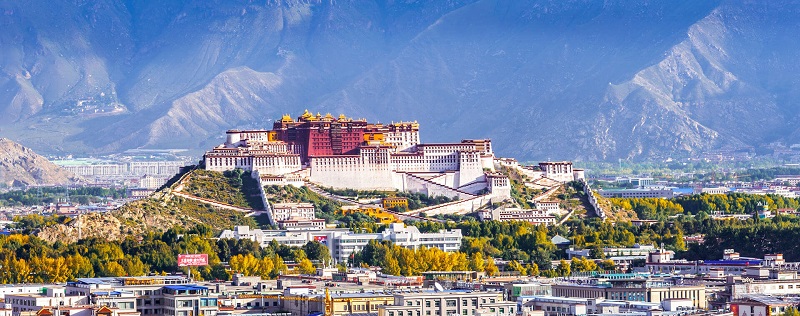
Lhasa Potala Palace
Pre-Arrival Preparation Before You Reach Lhasa
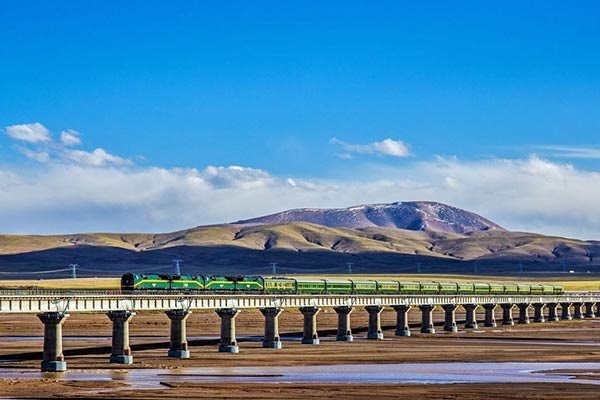
Acclimatization actually begins before you even set foot on the Tibetan Plateau. If you are flying directly from a low-altitude city, the shock to your system will be much more pronounced than if you take the Qinghai-Tibet Railway, which allows for a gradual ascent. Regardless of your mode of transport, there are several steps you should take in the weeks leading up to your trip to prepare your body.
Consulting with a healthcare professional about prophylactic medications is highly recommended. Drugs like acetazolamide (commonly known as Diamox) are frequently prescribed to accelerate the acclimatization process. If your doctor advises taking it, you usually need to start the medication 24 to 48 hours before ascending to high altitudes. Additionally, improving your baseline cardiovascular fitness through regular aerobic exercise in the months prior to your trip can help, but you should avoid heavy, exhausting workouts in the final few days before departure. Your body needs to be rested, not fatigued, when the altitude challenge begins.
Packing appropriately also plays a role in your comfort. Bring layers of clothing that are easy to put on and take off, as temperature fluctuations in Lhasa can be extreme between day and night. Catching a cold at high altitude is particularly risky because respiratory infections can rapidly complicate altitude sickness. Having a good supply of lip balm, sunscreen, and moisturizing lotion is also essential, as the high-altitude air is incredibly dry and will quickly chap your skin and lips, adding unnecessary discomfort to your acclimatization period.
Day One: Immediate Actions Upon Arrival
The moment you arrive in Lhasa, your primary goal is to minimize oxygen consumption. Whether you are greeted by a driver from a local agency like Tibet Yulong Travel or navigating your way to your hotel, every movement should be deliberate and slow. Walk at half your normal speed. Do not carry heavy bags yourself; let porters or your travel companions handle the luggage. The simple act of lifting a heavy suitcase can leave you breathless and dizzy at 3,650 meters.
Once you reach your hotel, check into your room and lie down. You do not necessarily need to sleep, but resting in a horizontal position reduces the workload on your heart. Keep your head slightly elevated with an extra pillow if you find it helps with breathing. Avoid reading on your phone or watching television intensely, as mental exertion also consumes oxygen. Simply lie quietly, breathe deeply and rhythmically, and allow your body to recognize its new environment.
Hydration must begin immediately. The dry air at high altitude causes moisture to evaporate from your lungs and skin at a rapid rate, leading to dehydration, which thickens your blood and exacerbates AMS symptoms. Start drinking water as soon as you arrive. Aim for small, frequent sips rather than chugging large amounts at once, which can upset your stomach. Warm water or mild herbal teas are preferable to ice-cold beverages, as they are gentler on your digestive system. In Lhasa, sweet tea and butter tea are local staples. Sweet tea is generally easier for newcomers to digest and provides a quick source of carbohydrates and hydration, making it an excellent choice on your first day.
Dietary Choices During the Initial 48 Hours
What you eat during your first two days in Lhasa has a direct impact on how smoothly you acclimatize. Digestion requires a significant amount of energy and oxygen. Heavy, greasy, or protein-dense meals force your digestive system to work overtime, diverting precious oxygen away from your brain and vital organs. Therefore, your diet should consist primarily of easily digestible carbohydrates.
Foods like rice, noodles, bread, porridge, and steamed vegetables are ideal. Tibetan noodle soup (Thukpa) is a fantastic option, as it combines hydration with easily digestible carbs and warming spices. Avoid eating until you are completely full; instead, eat smaller portions more frequently throughout the day. Overeating is a common trigger for nausea and headaches at high altitudes.
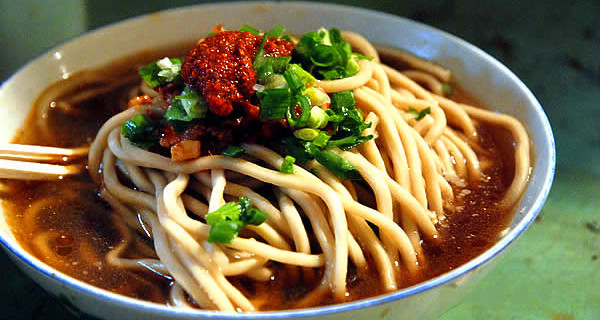
Tibetan Noodles
Equally important is what you must absolutely avoid. Alcohol is strictly prohibited during your first 48 hours. Alcohol depresses the central nervous system, slows down your breathing rate during sleep, and acts as a diuretic, accelerating dehydration. Even a single beer can trigger severe altitude sickness symptoms. Smoking should also be avoided, as it introduces carbon monoxide into your bloodstream, further reducing your blood’s capacity to carry oxygen. Caffeine is a bit of a gray area; while moderate amounts might help with altitude headaches due to its vasoconstrictive properties, excessive coffee consumption can lead to dehydration and increased heart rate. Stick to water, sweet tea, or mild juices to be safe.
The Shower Dilemma: To Wash or Not to Wash
One of the most surprising pieces of advice travelers receive regarding how to acclimatize to altitude in Lhasa first 48 hours is the recommendation to avoid showering or washing hair on the first night. While it may sound unappealing after a long journey, there is solid physiological reasoning behind this rule.
Hot showers cause your blood vessels to dilate. When your blood vessels expand, blood pressure drops, which can lead to sudden dizziness or fainting, especially when your body is already struggling to deliver adequate oxygen to your brain. Furthermore, stepping out of a warm shower into the cool, dry air of a Lhasa hotel room creates a rapid temperature drop. This makes you highly susceptible to catching a cold. At high altitudes, a common cold can quickly escalate into more serious respiratory issues, complicating your acclimatization process significantly.
If you feel you absolutely must freshen up, use a warm, damp towel to wipe your face, neck, and underarms. If you decide to take a quick shower on the second day once you are feeling more stable, ensure the bathroom is pre-warmed, keep the shower short, use lukewarm rather than hot water, and dry your hair immediately and thoroughly with a hairdryer before stepping out of the bathroom. Prioritizing warmth and avoiding sudden temperature changes is key.
Managing Sleep and Breathing at High Elevation
Sleeping at high altitude is notoriously difficult, especially during the first couple of nights. Many travelers experience a phenomenon known as periodic breathing or Cheyne-Stokes respiration. You might notice a cycle where your breathing becomes progressively deeper and faster, then shallower, followed by a brief pause where you stop breathing entirely for a few seconds before gasping awake. While this can be terrifying, it is a relatively normal physiological response to lower oxygen levels and higher carbon dioxide thresholds during sleep.
To improve your sleep quality, prop yourself up with multiple pillows to create a semi-reclined position. Sleeping flat on your back can worsen periodic breathing and make you feel more short of breath. Sleeping on your side is generally recommended. Ensure your hotel room is adequately ventilated; cracking a window slightly can sometimes help, though you must balance this with keeping the room warm enough to prevent a chill.
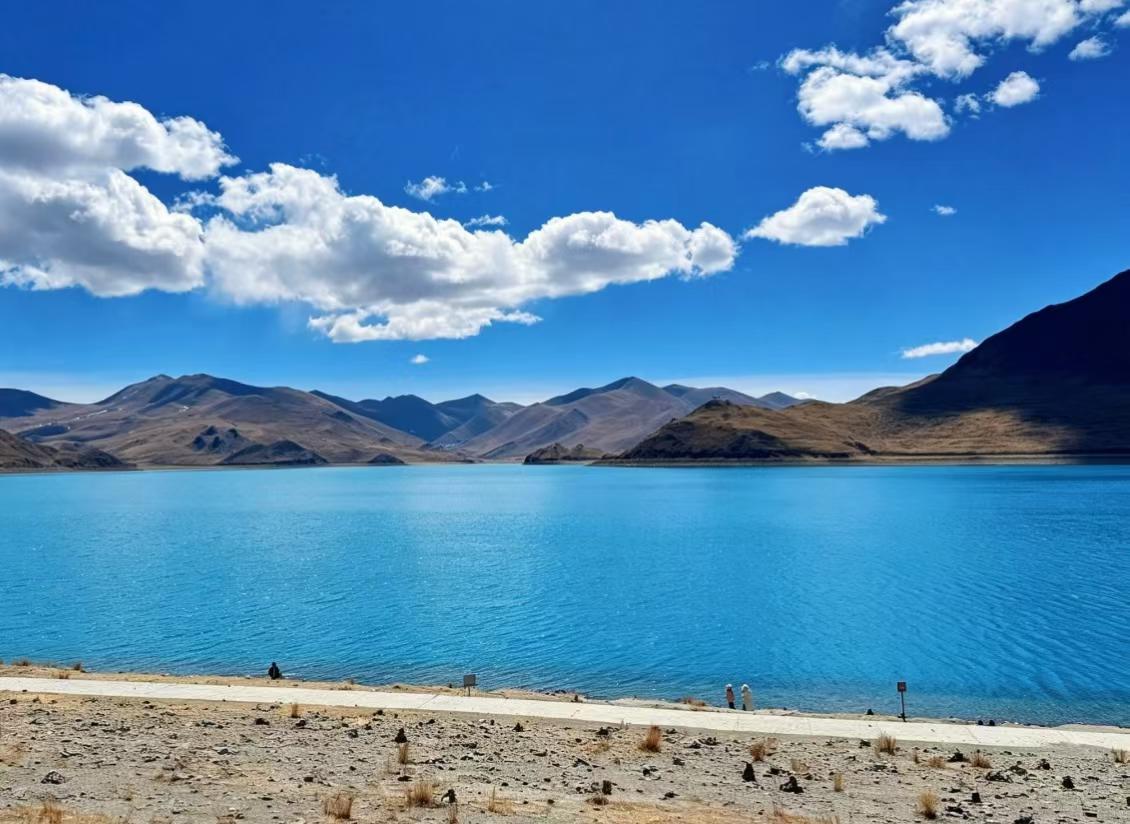
Yamdrok Lake
Avoid taking sleeping pills or sedatives unless explicitly prescribed by a doctor who is aware of your high-altitude situation. Most standard sleep aids are respiratory depressants, meaning they slow down your breathing rate. At 3,650 meters, slowing your breathing artificially can dangerously reduce your blood oxygen saturation levels overnight. If you are experiencing a mild headache that prevents sleep, a basic over-the-counter pain reliever like ibuprofen or paracetamol can be helpful, provided you have no allergies or contraindications.
Recognizing the Symptoms of Acute Mountain Sickness
Understanding the difference between normal acclimatization discomfort and the onset of acute mountain sickness is critical. Mild symptoms such as a slight headache, minor shortness of breath when walking, a faster resting heart rate, and slight fatigue are expected. These indicate that your body is actively working to adapt to the reduced oxygen levels. However, if these symptoms intensify or new ones appear, you need to take action.
Warning signs of developing AMS include a throbbing headache that does not respond to basic painkillers, persistent nausea or vomiting, severe dizziness, loss of coordination, and extreme lethargy where you cannot muster the energy to get out of bed. If you experience any of these, you must inform your guide or hotel staff immediately. Reputable local operators, such as Tibet Yulong Travel, train their guides extensively to monitor clients for these exact symptoms during the crucial first 48 hours, ensuring swift intervention if necessary.
In rare cases, AMS can progress to life-threatening conditions like High Altitude Pulmonary Edema (HAPE), characterized by a wet cough and extreme difficulty breathing even at rest, or High Altitude Cerebral Edema (HACE), marked by confusion, hallucinations, and inability to walk in a straight line. These require immediate descent to a lower altitude and emergency medical treatment. Knowing your limits and communicating honestly about how you feel is far more important than pushing through to stick to an itinerary.
Gentle Movement vs. Complete Bed Rest
There is a common misconception that learning how to acclimatize to altitude in Lhasa first 48 hours means you should remain completely immobilized in bed for two days. While aggressive physical activity is strictly forbidden, complete immobility is not necessarily the best approach either, unless you are feeling severely ill.
Gentle, minimal movement is actually beneficial. After your initial rest period upon arrival, taking very slow, short walks around your hotel room or strolling gently through the hotel lobby helps promote blood circulation without overly taxing your cardiovascular system. Remaining completely static for too long can increase the risk of deep vein thrombosis (blood clots), especially after a long flight.
However, “gentle” is the operative word. Climbing stairs should be done one step at a time, pausing to catch your breath if needed. Do not attempt to visit attractions that require significant walking or stair climbing, such as the Potala Palace or the upper tiers of the Jokhang Temple, during your first 48 hours. Save those activities for day three or four, once your resting heart rate has normalized and your headaches have subsided. Listen to your body meticulously; if a short walk leaves you panting, return to your bed immediately.
Utilizing Supplemental Oxygen Wisely
Most hotels in Lhasa catering to tourists provide supplemental oxygen, either through wall-mounted diffusers in the rooms or portable oxygen cylinders available at the front desk. Deciding whether and when to use oxygen requires a balanced approach.
Using mild supplemental oxygen via a room diffuser during your first night can significantly ease the transition and help you sleep better. It takes the edge off the hypoxia (oxygen deficiency) and gives your body a gentler introduction to the altitude. However, relying heavily on portable oxygen tanks every time you feel a slight twinge of discomfort can actually delay your natural acclimatization process. Your body needs the stimulus of lower oxygen levels to trigger the production of red blood cells and other adaptive mechanisms.

The general rule is to use oxygen for comfort, especially at night, but try to wean yourself off it during the day as your symptoms improve. If you find that you cannot function at all without continuous high-flow oxygen after 24 hours, it may indicate that your body is struggling severely with the altitude, and you should consult a medical professional. Never use oxygen as a tool to push yourself to do more physical activity than your body is ready for; it should only be used to aid rest and recovery.
Planning Your Itinerary for Gradual Ascent
A well-planned itinerary is your best defense against altitude sickness. Professional tour operators understand the physiology of acclimatization and structure their routes accordingly. For instance, agencies like Tibet Yulong Travel often design itineraries that keep you in Lhasa for at least two to three full days before venturing to higher elevations like Yamdrok Lake (over 4,400 meters) or Mount Everest Base Camp (over 5,000 meters).
During your first 48 hours, your schedule should be virtually empty. Day one is for arrival, transfer, and rest. Day two can include very light, ground-level exploration, such as sitting in a local teahouse, slowly walking the flat, paved areas near your hotel, or simply enjoying the view from a park bench. Do not schedule any major temple visits, long drives over high mountain passes, or hiking excursions during this window. By respecting this timeline, you ensure that when you finally do embark on the spectacular sights of Tibet, you are physically capable of enjoying them rather than suffering in the back seat of a vehicle.
What to Do If Symptoms Worsen
Despite your best efforts, some individuals are genetically more susceptible to altitude sickness, regardless of their fitness level or preparation. If your symptoms worsen significantly during your first 48 hours, do not wait and hope they will resolve on their own.
First, notify your guide, travel companion, or hotel staff. They can arrange for supplemental oxygen and assess your condition. Visit a local clinic or hospital; Lhasa has medical facilities experienced in treating altitude-related illnesses, and doctors can administer IV fluids, oxygen therapy, or specific medications like dexamethasone to reduce inflammation and alleviate severe symptoms. If medical professionals advise descent, follow their instructions immediately. Descending even a few hundred meters can produce dramatic improvements in how you feel. Never let pride or a desire to stick to a travel schedule override medical advice when dealing with high-altitude environments.
Mastering how to acclimatize to altitude in Lhasa first 48 hours comes down to a simple philosophy: respect the mountain environment, prioritize rest over exploration, hydrate relentlessly, and listen closely to the signals your body sends you. By dedicating your initial two days to careful adjustment, eating lightly, avoiding showers and alcohol, and utilizing resources like experienced local guides from Tibet Yulong Travel, you lay a solid physiological foundation. This patience ensures that the remainder of your Tibetan adventure is defined by breathtaking landscapes and rich cultural experiences, rather than the misery of preventable altitude sickness.