Standing at the foot of the highest peak on Earth is a dream shared by travelers across the globe. However, reaching Everest Base Camp does not guarantee a clear view of the summit. The mountain is notoriously shy, often hiding behind thick clouds, swirling snow, and unpredictable weather systems. Knowing the best month to see Mount Everest clearly from base camp is the single most important piece of information you can gather before booking your flights and permits. Timing your visit correctly transforms a potentially disappointing trip into a life-changing visual spectacle. This comprehensive guide breaks down the seasonal shifts, atmospheric conditions, and practical travel advice you need to maximize your chances of witnessing the mighty Chomolungma in all its glory, without any obstructing cloud cover.
✨ Highlights:
- October offers the clearest skies and best visibility for viewing the summit.
- May provides stable pre-monsoon weather with excellent photographic opportunities.
- Winter months bring crystal-clear air but extreme cold and challenging road conditions.
- Monsoon season from June to September should be avoided due to heavy cloud cover.
- Acclimatization and choosing the right tour operator are crucial for a successful journey.
Understanding the Climate at Everest Base Camp
To determine the best month to see Mount Everest clearly from base camp, you first need to understand the unique climate that governs the Himalayas. Situated at an altitude of approximately 5,200 meters (17,060 feet) on the Tibetan plateau side, the base camp environment is harsh, dry, and heavily influenced by high-altitude jet streams and monsoon patterns. Unlike lower elevations where weather can change gradually, the conditions here shift dramatically between seasons.
The atmosphere at this elevation holds very little moisture naturally. When weather systems are stable, the air is incredibly crisp, allowing light to travel without scattering, which results in razor-sharp views of the surrounding peaks. However, when moisture is introduced—either through the Indian summer monsoon or sudden winter cyclonic systems—the mountain disappears behind walls of white. Temperature also plays a massive role in visibility. Colder air holds less moisture, which is why the deep winter months often feature astonishingly clear skies, even though the physical toll on the human body is immense. Understanding these meteorological dynamics is the foundation for planning your expedition.
Why Autumn is the Best Month to See Mount Everest Clearly from Base Camp
If there is one consensus among seasoned mountaineers, photographers, and local guides regarding the best month to see Mount Everest clearly from base camp, it is that autumn reigns supreme. Specifically, October stands out as the absolute pinnacle of the viewing season, closely followed by late September and early November.
During October, the summer monsoon has fully retreated southward, pulling the heavy moisture and cloud cover away from the Himalayan range. What remains is a period of remarkable atmospheric stability. The jet stream, which batters the summit with hurricane-force winds during the winter, has usually shifted northward, leaving the mountain relatively calm. This lack of wind means fewer spindrift plumes blowing off the summit, which frequently obscure the peak even on sunny days.
The sky in October transitions into a deep, piercing blue that contrasts spectacularly with the stark white snow and dark rock faces of the mountain. Daytime temperatures at base camp hover around freezing to slightly above, making it tolerable to stand outside for extended periods while taking photographs. At night, the temperature drops significantly, but the absence of cloud cover creates some of the best stargazing conditions on the planet. For those whose primary goal is an unobstructed, breathtaking view of the world’s highest point, October is simply unmatched.
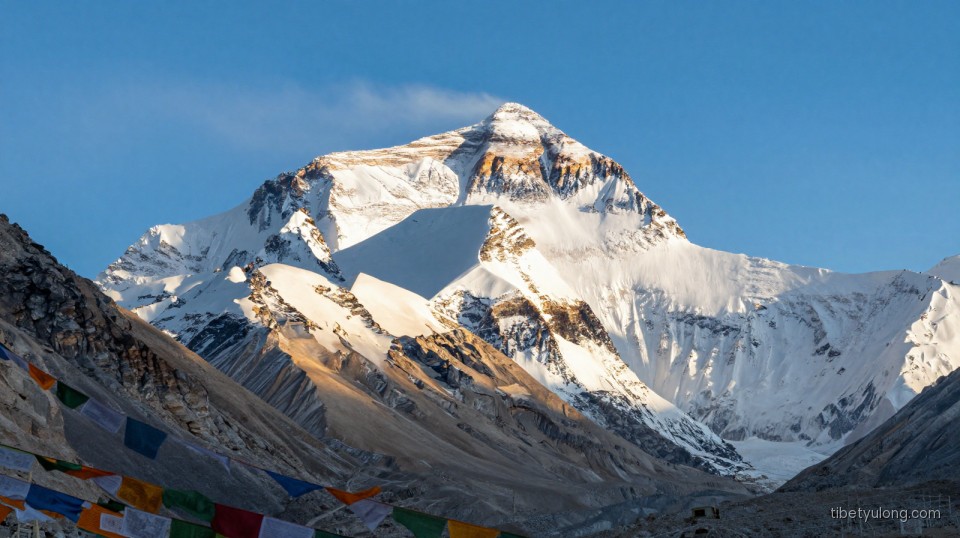
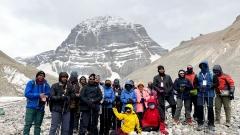
Mount Everest
Spring Visibility: The Second Best Time for Clear Views
While autumn takes the top spot, spring is widely considered the second-best window for experiencing the best month to see Mount Everest clearly from base camp. April and May offer a different but equally rewarding set of conditions for travelers heading to Tibet.
Before the arrival of the summer monsoon, the spring months benefit from warming temperatures and generally stable weather patterns. April marks the beginning of the transition, where the bitter cold of winter starts to ease, yet the heavy rains have not yet arrived. By May, the landscape begins to feel slightly more alive, though at 5,200 meters, it remains a stark and rugged environment.
One distinct advantage of visiting in May is the climbing season. While the northern base camp in Tibet operates differently than the southern route in Nepal, the presence of expeditions preparing for summit pushes adds a vibrant energy to the area. The visibility in May is generally excellent, though there is a slightly higher chance of afternoon cloud build-up compared to October. These clouds tend to form later in the day, meaning early morning viewings are almost guaranteed to be spectacular. If you cannot travel in the autumn, targeting the weeks between mid-April and late May will provide highly reliable, clear views of the summit.
Winter Months: Crystal Clear Skies but Extreme Conditions
December, January, and February present a fascinating paradox for travelers seeking the best month to see Mount Everest clearly from base camp. From a purely meteorological standpoint, winter offers some of the most transparent air imaginable. The frigid temperatures ensure that the atmosphere is completely devoid of humidity, resulting in zero haze and infinite visibility on calm days.
However, the trade-off is severe. Winter on the Tibetan plateau is unforgiving. Temperatures at base camp routinely plunge to -20°C (-4°F) during the day and can drop below -30°C (-22°F) at night. Furthermore, the jet stream often dips southward during the winter, bringing ferocious winds that not only make standing outside dangerous but also kick up massive amounts of snow from the summit, creating a persistent flag of ice crystals that hides the true peak.
Road conditions also become a significant factor. The journey from Tingri or Shelkar (Old Tingri) to the base camp involves traversing high mountain passes that may be covered in ice or blocked by snowdrifts. Many tourist facilities and tent guesthouses at the base camp close down entirely during the deepest parts of winter. While a clear winter day offers a view unlike any other season, the logistical challenges and physical discomfort mean it is only recommended for highly prepared, experienced travelers who prioritize photography over comfort.
Summer Monsoon: The Worst Time for Mountain Visibility
If your goal is to find the best month to see Mount Everest clearly from base camp, you must absolutely avoid the summer monsoon season, which typically runs from June through September. During these months, warm, moisture-laden air is pushed northward from the Bay of Bengal and the Indian Ocean, slamming into the Himalayas.
The result is near-constant cloud cover, frequent precipitation (often falling as snow at higher elevations), and thick fog that blankets the base camp area. It is entirely possible to spend several days at the base camp during July or August and never catch a glimpse of the summit. The mountain is completely swallowed by the weather system.
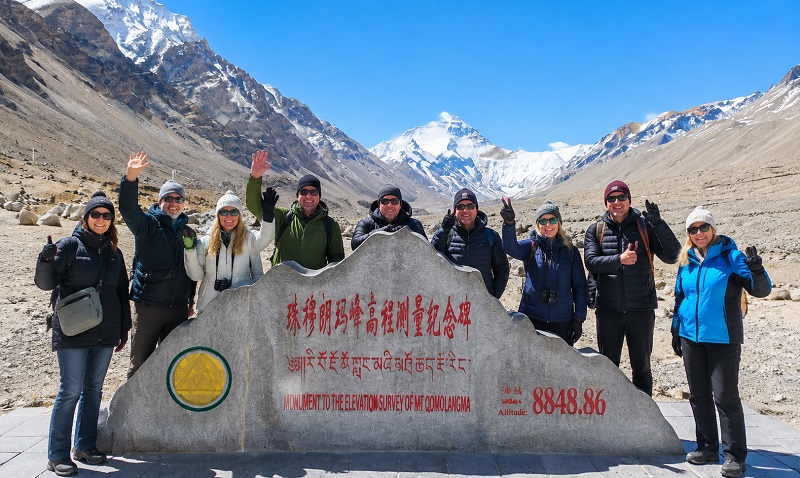
Mount Everest
Beyond the poor visibility, the summer months bring muddy, treacherous road conditions on the way to the Rongbuk Valley. Landslides and washouts can delay travel itineraries significantly. While the summer brings slightly warmer temperatures, the complete lack of views makes it the least desirable time for sightseers. Climbers rarely attempt the peak during this window, and casual tourists will find their efforts largely unrewarded visually. Planning your trip outside of this four-month window is essential for a successful experience.
Daily Weather Patterns and the Best Time of Day
Even if you select the best month to see Mount Everest clearly from base camp, understanding daily weather fluctuations is vital for capturing the perfect view. High-altitude environments follow predictable diurnal cycles that dictate when the mountain will be most visible.
Mornings are universally the best time for clear views across all viable seasons. Overnight cooling stabilizes the atmosphere, preventing the thermal updrafts that cause clouds to form. As soon as the sun rises, the air is still, and the sky is typically cloudless. Sunrise over Everest, where the first rays of light turn the snowy pyramid brilliant shades of gold and pink, is the highlight of any trip. To witness this, you must be awake, dressed warmly, and positioned at the viewing areas well before dawn.
As the day progresses and the sun heats the rocky terrain, thermals begin to rise. By early to mid-afternoon, especially in the spring months, cumulus clouds start to build around the peaks. While they may not bring rain during the dry seasons, they can easily obscure the summit. Therefore, do not plan to sleep in and expect a clear view at 3:00 PM. Structure your days so that your primary viewing and photography sessions happen between 6:00 AM and 11:00 AM. Late evenings can also offer brief windows of clarity as the temperatures drop and the afternoon clouds dissipate.
Photography Tips for Capturing Mount Everest from Base Camp
Securing the best month to see Mount Everest clearly from base camp is only half the battle; capturing the scale and beauty of the mountain requires specific photographic techniques. The extreme altitude and intense sunlight create challenging lighting conditions that can ruin photos if you are not prepared.
First, invest in a high-quality polarizing filter. The UV radiation at 5,200 meters is intense, and the sky can sometimes appear washed out in photographs. A circular polarizer will deepen the blue of the sky, increase the contrast between the snow and the clouds, and cut through any residual atmospheric glare. Second, understand your exposure settings. The vast expanse of white snow will trick your camera’s light meter into underexposing the image, turning the bright white mountain into a dull gray. You must dial in positive exposure compensation, usually between +1 and +2 stops, to render the snow accurately.
Bring multiple batteries and keep them warm. Cold temperatures drain lithium-ion batteries rapidly. Store your spare batteries inside your jacket, close to your body heat, and swap them out as needed. Finally, include foreground elements in your compositions. Shooting the mountain from a flat plain can make it look smaller than it is due to the lack of reference points. Frame your shots using the prayer flags, the marker stones, or the silhouette of the Rongbuk Monastery to give viewers a sense of the immense scale of the landscape.
Preparing for Your Journey to the North Side Base Camp
Reaching the Tibetan side of Everest Base Camp requires careful logistical planning, regardless of whether you have chosen the best month to see Mount Everest clearly from base camp. Unlike the Nepalese side, which requires days of trekking, the northern approach in Tibet allows vehicles to drive directly to the base camp area, making it accessible to a wider range of travelers.
However, accessibility does not mean simplicity. All foreign travelers must obtain a Tibet Travel Permit, which can only be arranged through a registered travel agency. Independent travel in Tibet is not permitted. You will also need an Alien Travel Permit and a military permit to enter the Everest region. These documents take time to process, so booking your tour several months in advance is mandatory.
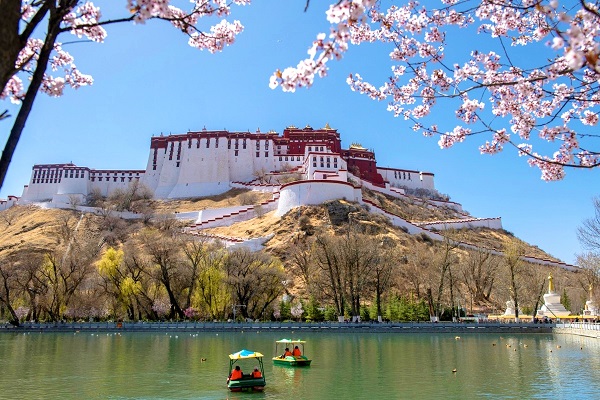
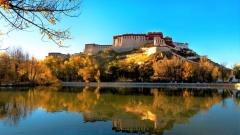
The Potala Palace in Lhasa
Altitude sickness is the most significant physical hurdle. Because you can drive to 5,200 meters relatively quickly, your body does not have the natural acclimatization period that trekkers experience. It is highly recommended to spend at least two to three nights in Lhasa (3,650 meters) and another night in Shigatse or Tingri before ascending to the base camp. Drink plenty of water, avoid alcohol, and consult your doctor about carrying altitude medication such as acetazolamide. Pack layered clothing, as the temperature difference between the sunny afternoons and the freezing nights is drastic.
Choosing the Right Tour Operator for Your Everest Adventure
Navigating the permit requirements, transportation logistics, and altitude management of a Tibet trip demands the expertise of a reliable local agency. When you have finally pinpointed the best month to see Mount Everest clearly from base camp, partnering with professionals ensures your vision becomes reality without unnecessary stress. This is where specialized operators like Tibet Yulong Travel prove invaluable to international visitors.
Tibet Yulong Travel has built a strong reputation for organizing seamless, safe, and deeply enriching journeys to the roof of the world. Their intimate knowledge of the Tibetan plateau’s micro-climates means they know exactly when to position you at the base camp for optimal viewing conditions. Rather than rushing travelers up the mountain, their itineraries are carefully paced to prioritize acclimatization, ensuring you actually feel well enough to enjoy the spectacular scenery once you arrive.
From handling the complex paperwork required for the Tibet Travel Permit to providing experienced English-speaking guides and reliable drivers accustomed to the rugged mountain roads, Tibet Yulong Travel manages every logistical detail. They utilize comfortable vehicles suited for the high-altitude terrain and arrange accommodations that offer the best balance of warmth and proximity to the viewing platforms. Whether you choose the crisp, flawless skies of October or the dynamic energy of May, relying on an established team like Tibet Yulong Travel guarantees that your focus remains entirely on the majestic peak of Chomolungma rather than the hurdles of getting there. Their commitment to authentic cultural experiences also means your trip will encompass visits to ancient monasteries and interactions with local communities, transforming a simple sightseeing excursion into a profound Himalayan adventure.