📌 Highlights:
- 📋 Complete Central Tibet packing checklist for overseas guests covering documents, clothing, health supplies and travel gadgets
- 📜 Clear Tibet Travel Permit requirements for overseas visitors and passport and visa preparation guidelines
- 🌡️ Practical tips on what to bring to Central Tibet for foreign visitors to cope with high altitude and extreme temperature differences
- 🏔️ Seasonal layered clothing, sun protection and altitude sickness prevention tips for plateau travel
- 🖨️ Handy printable packing checklist for Central Tibet overseas tourists for easy pre-trip preparation
Planning a trip to Central Tibet is a once-in-a-lifetime experience. Home to iconic destinations including Lhasa, Shigatse, and Shannan, Central Tibet features sacred monasteries, high-altitude plateaus, pristine lakes, and authentic Tibetan culture. However, the unique high-altitude climate, extreme temperature fluctuations, strict travel regulations, and strong ultraviolet radiation make packing vastly different from regular international travel. For overseas guests, a well-prepared luggage list is the key to a comfortable, safe, and smooth Tibet tour. This comprehensive guide serves as a professional Central Tibet packing checklist for overseas guests, covering essential documents, layered clothing, altitude sickness prevention, sun protection, daily supplies, and travel gadgets, fully tailored to the travel needs of foreign visitors exploring Central Tibet.
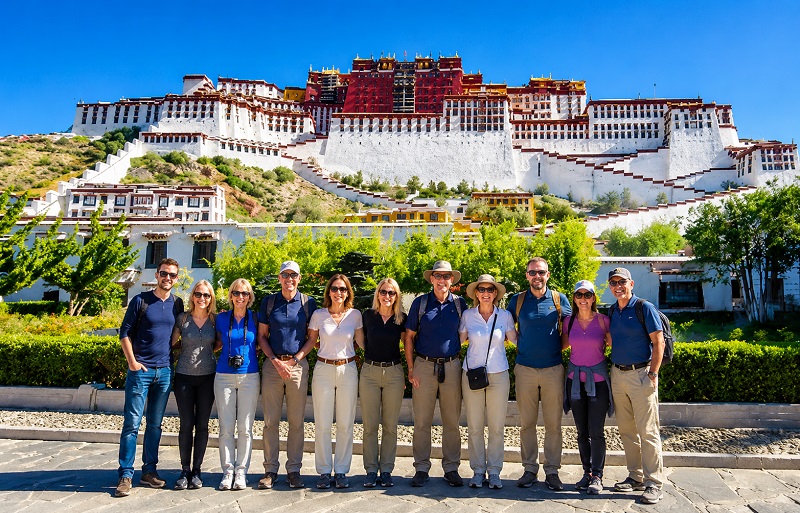
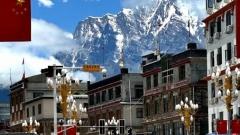
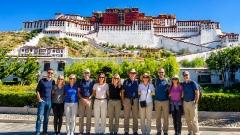
Potala Palace
Many international travelers often wonder what to bring to Central Tibet for foreign visitors, as the plateau environment brings unique packing challenges that do not exist in conventional tourist destinations. Most overseas guests face three common packing dilemmas before visiting Central Tibet: overpacking bulky unnecessary items, missing critical altitude-adaptive supplies, or bringing ineligible items that affect entry. Unlike low-altitude tourist destinations, Central Tibet’s average altitude exceeds 3600 meters, with a typical “hot days and cold nights” climate, dry air, and intense UV rays throughout the year. Whether you travel in spring, summer, autumn, or winter, targeted packing is essential. This practical guide will help overseas guests pack efficiently, avoid travel risks, and fully enjoy the charm of Central Tibet’s culture and scenery.
Mandatory Travel Documents & Certifications (Non-Negotiable for Overseas Guests)
Different from domestic travel in China, overseas visitors require exclusive certified documents to enter and travel in Central Tibet. Missing any item will directly hinder your itinerary, so these documents must be prioritized and stored properly. It is recommended to prepare physical copies and electronic backups separately to prevent loss. You can also save this full guide as a printable packing checklist for Central Tibet overseas tourists for offline reference before departure.
Valid Passport & Chinese Visa: Proper passport and visa preparation for Central Tibet tour is the first step of your plateau travel planning. Your original passport with a validity period of more than 6 months and a valid Chinese tourist visa are the basic entry credentials. Ensure there are enough blank visa pages for entry and exit stamps. Overseas guests should check the visa validity and stay duration in advance to avoid illegal stay issues.
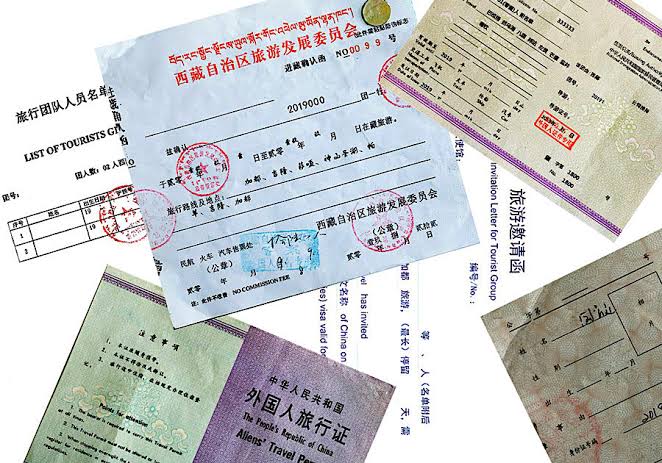
Documents for foreigners entering Tibet
Tibet Travel Permit: Understanding official Tibet Travel Permit requirements for overseas visitors is critical for a hassle-free trip. This is the most core exclusive document for foreign travelers entering Central Tibet. Unlike Chinese citizens, all overseas visitors must apply for the Tibet Travel Permit through a formal travel agency before departure. It is required for visiting all core scenic spots in Lhasa, Shigatse and other Central Tibet areas. Be sure to carry the original permit and keep electronic scanned copies for emergencies.
Additional Preparations: Prepare printed copies of travel insurance policies (covering altitude sickness, accidental injury and medical evacuation), emergency contact lists, hotel reservation confirmations, and tour itineraries. For guests participating in group tours, keep the local guide’s contact information handy. These documents can greatly improve efficiency when encountering inspections or emergencies.
Layered Clothing Packing List (Adapt to Central Tibet’s Extreme Temperature Difference)
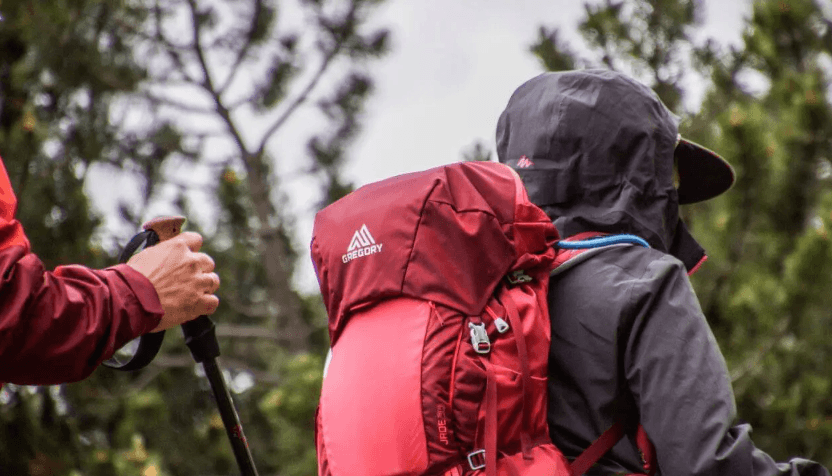
The biggest climate feature of Central Tibet is the drastic day-night temperature difference, even in summer. The plateau sunshine is strong with warm daytime temperatures, while the night temperature drops sharply, accompanied by cold winds. The layered dressing method is the most scientific packing strategy for Central Tibet, which is convenient for wearing and taking off according to temperature changes, avoiding heatstroke during the day and cold at night. All clothing should prioritize breathability, warmth, wind resistance and light weight.
Basic Inner Layers (Daily & Night Use)
Choose quick-drying, thermal and skin-friendly base layers instead of pure cotton clothes, which are slow to dry and easy to cause colds after sweating. 2-3 sets of thermal underwear and quick-drying sportswear are suitable for daily sightseeing and night rest. Merino wool base layers are highly recommended for their excellent warmth retention and sweat-wicking performance, perfectly adapting to the dry and cold plateau environment.
Warm Middle Layers (Core Warmth Retention)
Fleece jackets, thin sweaters and down vests are essential middle layers for Central Tibet travel. They are lightweight, foldable and easy to carry, providing stable warmth in low temperatures. In spring and autumn, one middle layer can cope with most daytime outdoor activities; in winter, you can stack two middle layers for enhanced warmth. Avoid thick and bulky cotton-padded clothes that affect walking and sightseeing.
Windproof Outer Layers (Weather Resistance)
A windproof and waterproof hardshell jacket or lightweight down jacket is a must-have outerwear for overseas guests. Central Tibet’s plateau winds are strong all year round, and sudden light rain or snow is common. Windproof outer layers can effectively block cold wind and prevent temperature loss. Summer travel can choose thin windbreakers, while winter travel needs thick down jackets to resist sub-zero night temperatures.
Accessories & Footwear
Prepare a sun hat, warm knitted hat, gloves and scarf. The sun hat resists strong UV radiation during the day, while the warm hat and gloves protect against cold wind in the morning, evening and high-altitude scenic spots. For footwear, non-slip, wear-resistant and breathable hiking shoes or casual sneakers are the best choices. Avoid new shoes with poor comfort and high heels. Prepare 3-5 pairs of thick cotton socks to keep feet warm and prevent frostbite.
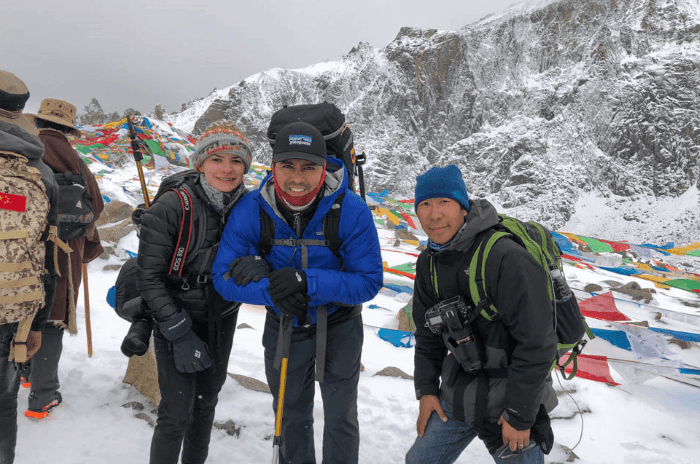
Cultural Dress Reminder: When visiting Potala Palace, Jokhang Temple and other major monasteries in Central Tibet, overseas guests need to wear modest clothes, avoiding shorts, sleeveless tops and overly exposed outfits to respect local religious customs.
Altitude Sickness Prevention & Health Supplies (Most Critical for Overseas Travelers)
Altitude sickness is the primary concern for most overseas guests traveling to Central Tibet. Long-term living in low-altitude areas makes foreign travelers more sensitive to plateau hypoxia. Reasonable preparation of health supplies can effectively relieve altitude reactions and ensure travel safety. Note: All prescription medicines need to be consulted with a personal doctor in advance.
Professional Altitude Sickness Medicines
Commonly used altitude relief medicines include acetazolamide (Diamox), which helps alleviate hypoxia symptoms, and glucose oral solution to replenish physical strength and relieve dizziness and fatigue. It is not recommended to rely excessively on oxygen cans; you can purchase local oxygen supplies in Lhasa after arrival according to physical conditions. For guests with chronic diseases, carry sufficient personal special medicines and doctor’s diagnosis certificates.
Basic First-Aid Kit
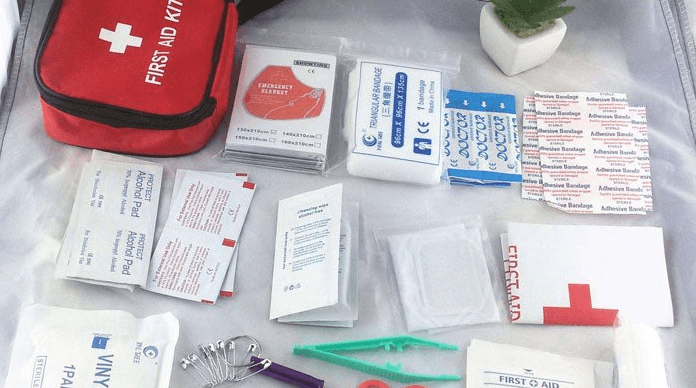
Prepare portable first-aid supplies including band-aids, antiseptic wipes, motion sickness medicine, gastrointestinal medicine (for altitude-induced gastrointestinal discomfort), and painkillers. Central Tibet’s scenic spots are widely distributed, and medical resources in remote areas are limited. A small first-aid kit can handle minor physical discomfort during travel.
Plateau Skincare & Hydration Supplies
Central Tibet has extremely dry air and strong ultraviolet rays, which can easily cause skin dryness, peeling and sunburn. Overseas guests must prepare high-SPF sunscreen (SPF50+), UV-blocking sunglasses, moisturizing facial lotion, body lotion and moisturizing lip balm. Portable hydrating facial masks can quickly replenish skin moisture and relieve plateau dryness. Avoid bringing alcohol-based skincare products that are prone to volatilization and irritation at high altitudes.
Electronic Devices & Practical Travel Gadgets
For overseas guests, stable electronic equipment and practical gadgets can greatly improve the travel experience, so selecting reliable travel gadgets to pack for Central Tibet tour is an essential part of pre-trip preparation. Central Tibet’s scenic spots have complex terrain and long travel distances, making these supplies indispensable.
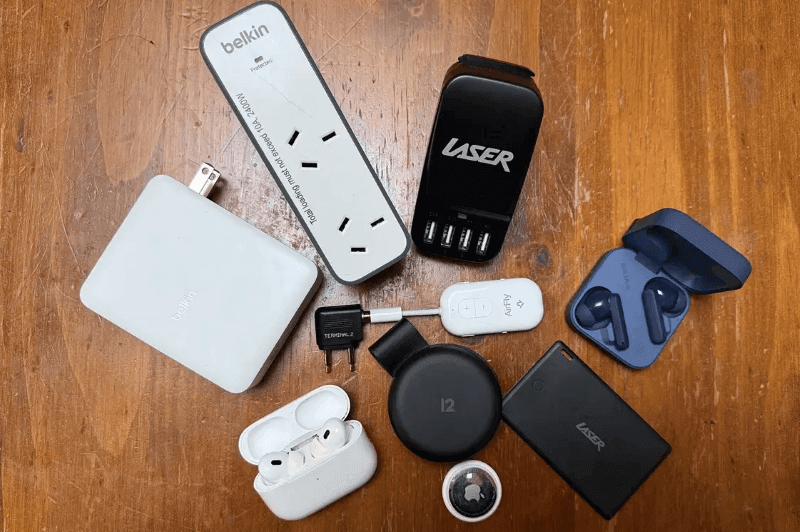
Power Supply & Charging Equipment: Prepare a high-capacity portable power bank (compliant with aviation standards). Many scenic spots and remote homestays in Central Tibet have unstable power supply, and long outdoor sightseeing makes timely charging essential. Bring multi-port adapters and international conversion plugs to adapt to local power sockets.
Photography & Recording Equipment: Central Tibet has stunning natural and cultural scenery. You can carry cameras, mobile phones and drones (note: drone flight is prohibited in core scenic spots such as Potala Palace, and advance consultation is required). Prepare waterproof and dustproof bags for electronic devices to prevent damage from plateau wind and sand.
Portable Practical Gadgets: A lightweight waterproof daypack is essential for daily sightseeing, which can hold water cups, sunscreen, documents and other items. Sealed waterproof storage bags can protect documents and electronic devices from moisture. A portable pulse oximeter is recommended to monitor blood oxygen saturation in real time and judge physical adaptation to the plateau.
Daily Necessities & Taboo Items for Overseas Travelers
Recommended Daily Supplies
Prepare portable toiletries, disposable towels and compressed towels to save luggage space and ensure hygiene. Bring a portable thermos cup to drink hot water frequently, which helps relieve altitude dryness and keep the body warm. Appropriate dry food such as nuts and chocolate can replenish physical strength during long-distance transfers between scenic spots.
Strictly Prohibited & Restricted Items
Overseas guests must pay attention to entry regulations and avoid carrying prohibited items. It is forbidden to bring flammable and explosive items, controlled knives, and a large number of liquid cosmetics. In addition, do not carry any items involving illegal publications and sensitive content to avoid affecting entry inspection. It is recommended to check the latest Tibet entry regulations before departure to ensure compliance.
Seasonal Packing Tips for Central Tibet
Spring & Autumn (March-May, September-November): These are the best travel seasons in Central Tibet with pleasant temperatures. Prepare 3 layers of clothing, windproof jackets, thin fleece and thermal inner wear. Sun protection and warm accessories are still essential due to strong ultraviolet rays and cold mornings and evenings.
Summer (June-August): The plateau summer is cool with occasional rainfall. Focus on quick-drying breathable clothes, matched with thin windbreakers. Do not abandon warm clothes completely, as the night temperature in high-altitude scenic spots such as Namtso Lake is still low.
Winter (December-February): Central Tibet is cold and dry in winter. Prioritize thick down jackets, thermal leggings, warm gloves and hats. Strengthen skin hydration and sun protection, as UV radiation is still strong in winter plateau.
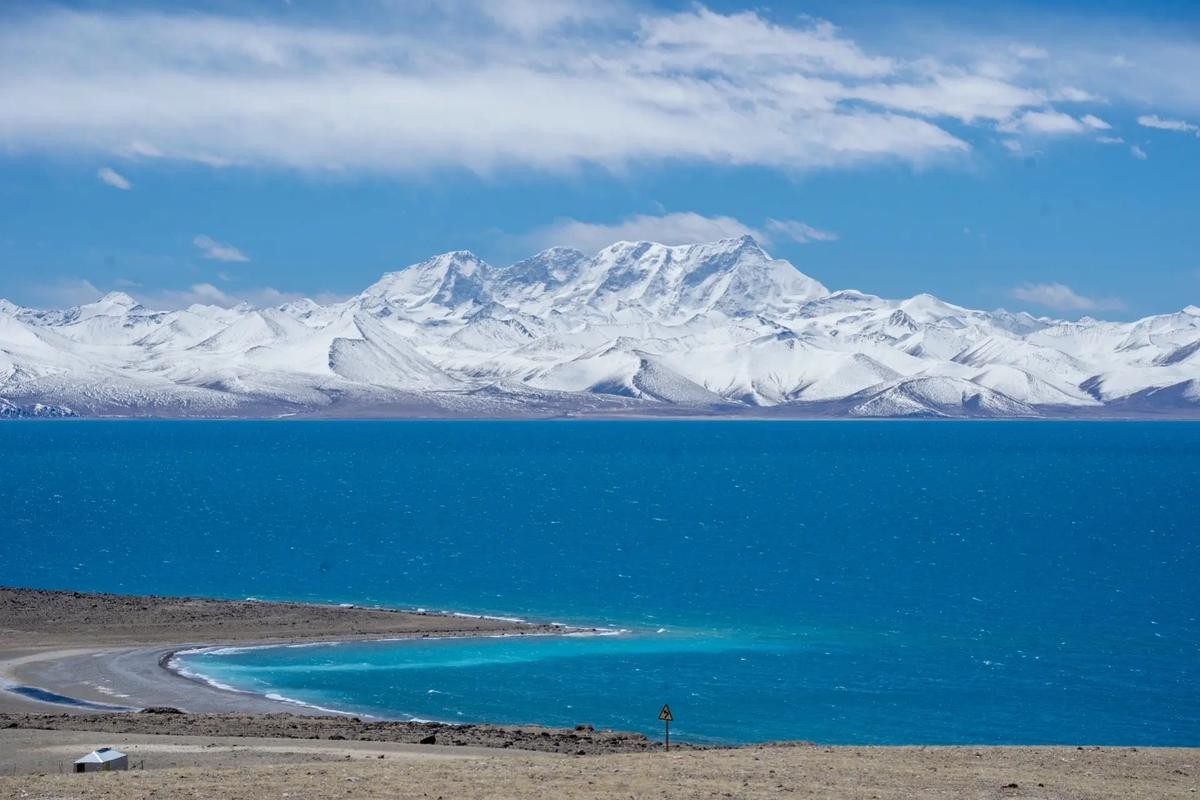
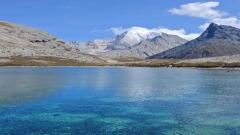
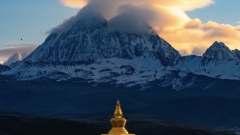
Namtso Lake
Final Packing Checklist Summary for Overseas Guests
To sum up, the core of packing for Central Tibet travel for overseas guests is lightweight, warm, sun-proof, safe and compliant. Prioritize valid travel documents and altitude sickness prevention supplies, match layered clothing according to seasons, prepare practical electronic gadgets and skincare products, and avoid prohibited items. Reasonable packing can not only reduce luggage burden, but also effectively cope with the special plateau environment of Central Tibet.
Adequate preparation is the first step to a perfect Central Tibet trip. With this detailed practical checklist, overseas guests can avoid travel pitfalls, adapt to the plateau environment faster, and focus on experiencing the unique Tibetan culture, sacred temples and magnificent natural scenery of Lhasa, Shigatse and surrounding areas, and harvesting an unforgettable high-altitude travel memory.