Traveling across the Tibetan Plateau during summer presents unique challenges that every adventurer must understand before setting out. The monsoon season Tibet July impact on overland routes is a critical factor for anyone planning an expedition to this remote region. While July brings lush landscapes and vibrant cultural festivals, it also introduces heavy rainfall, unpredictable weather patterns, and significant changes to road infrastructure. Understanding these dynamics ensures a safer and more enjoyable journey through one of the world’s most spectacular terrains. Whether you are driving from Lhasa to Everest Base Camp or traversing the rugged paths toward Mount Kailash, preparation is your greatest asset.
Before diving into the detailed guide, here is a quick summary of the key points regarding the monsoon season Tibet July impact on overland routes:
- Heavy rainfall frequently triggers landslides and mudslides on mountain passes.
- Unpaved roads often become muddy, severely slowing down travel progress.
- Cloud cover obscures major peaks, though mornings may offer brief clear views.
- Alternative dry-zone itineraries like Ngari provide better summer travel conditions.
- Hiring experienced local drivers and agencies is essential for safe navigation.
Understanding the Monsoon Season Tibet July Impact on Overland Routes
The Indian Ocean monsoon dictates much of the summer weather across the Himalayas. Moisture-laden winds sweep northward, colliding with the massive topographical barrier of the Tibetan Plateau. By the time these weather systems reach the highlands in July, they bring concentrated bursts of precipitation, particularly to the southern and eastern fringes of Tibet. This climatic reality fundamentally alters the logistics of overland travel.
When analyzing the monsoon season Tibet July impact on overland routes, travelers must recognize that not all areas are affected equally. The southeastern regions, including Nyingchi and the Yarlung Tsangpo Grand Canyon area, receive the brunt of the rainfall. In contrast, the northern and western expanses, such as Changtang and parts of Ngari, remain relatively arid due to the rain shadow effect created by the towering Himalayan range. This geographical variance means that route selection in July is not just a matter of preference, but a vital safety consideration.
Rainfall during this month rarely falls as continuous drizzle; instead, it typically arrives in intense afternoon downpours or overnight storms. These sudden deluges saturate the fragile alpine soil rapidly. Because the plateau’s vegetation is sparse and the terrain steep, water runoff is aggressive. For overland travelers, this translates directly into compromised road surfaces, reduced visibility, and the ever-present threat of geological hazards blocking the path ahead.
How Rainfall Alters Road Conditions Across the Plateau
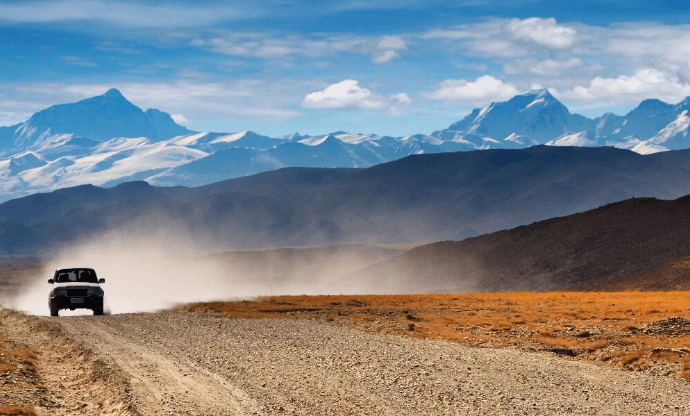
The physical state of the roads is the most immediate manifestation of the monsoon season Tibet July impact on overland routes. While China has invested heavily in paving major highways across Tibet, many secondary roads, mountain passes, and routes leading to specific attractions remain unpaved or poorly maintained dirt tracks. When July rains hit, these dirt roads transform into treacherous ribbons of thick, slippery mud.
Vehicles can easily become bogged down in deep ruts, requiring hours of digging or towing to free them. Even on paved sections, the sheer volume of water can cause flash flooding across the tarmac, creating hydroplaning risks for vehicles traveling at speed. Drainage systems on remote mountain roads are often basic, meaning that rivers can temporarily overflow onto the highway without warning.
Furthermore, the constant freeze-thaw cycles at high altitudes weaken the structural integrity of the road base. When saturated by monsoon rains, potholes expand rapidly, and asphalt can buckle or wash away entirely. Drivers navigating these routes must constantly adjust their speed, often reducing a journey that takes six hours in autumn to ten or twelve hours in July. Patience becomes a mandatory requirement for anyone undertaking an overland trip during this period.
Landslides and Mudslides: Major Hazards on Mountain Passes
Perhaps the most severe consequence of the monsoon season Tibet July impact on overland routes is the heightened risk of landslides and mudslides. The geology of the Himalayas and the Transhimalayan ranges consists of fractured rock, loose scree, and shallow topsoil. When prolonged rainfall infiltrates these unstable slopes, gravity takes over.
Major thoroughfares, such as the Friendship Highway connecting Lhasa to the Nepal border, traverse numerous steep gorges. Sections near Gyirong and Tingri are notoriously susceptible to debris flows during the summer months. A landslide can completely sever a route, stranding vehicles on either side for days until heavy machinery can clear the debris. In some cases, entire sections of the road are washed into the river valleys below, necessitating long detours or forcing travelers to turn back entirely.
Mudslides pose a different but equally dangerous threat. Unlike rocky landslides, mudslides move fluidly and can bury roads under meters of thick sludge. They are particularly common in the forested regions of eastern Tibet, where the combination of steep gradients and heavy monsoon precipitation creates ideal conditions for mass wasting events. Travelers must monitor local weather reports closely and heed the advice of local authorities who may close certain passes preemptively when rainfall thresholds are exceeded.
River Crossings and Bridge Safety During Peak Summer
Water levels in Tibet’s rivers rise dramatically in July, directly influencing the monsoon season Tibet July impact on overland routes. Rivers fed by glacial melt and monsoon rains swell rapidly, turning placid streams into raging torrents. For routes that require fording rivers—common in remote areas like the trek toward Mount Kailash or the off-road trails of the Changtang plateau—July presents extreme danger.
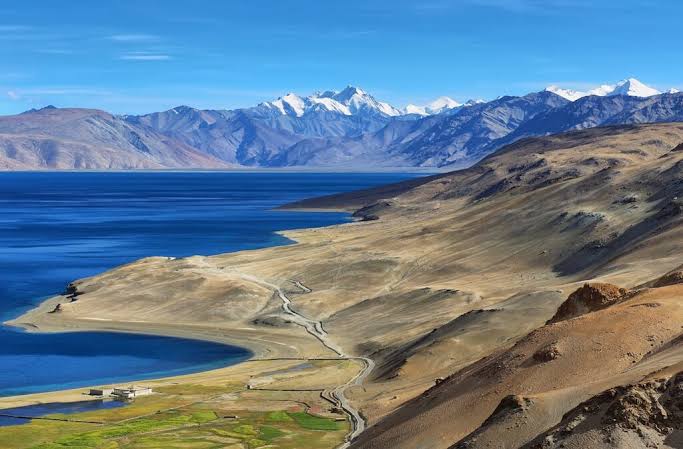
What might be a knee-deep crossing in May can become an impassable wall of fast-moving water by mid-July. Vehicles attempting to cross swollen rivers risk being swept away or suffering catastrophic engine failure if water breaches the intake. Even established bridges are not immune to the monsoon’s fury. Temporary wooden or steel truss bridges can be undermined by the eroding banks, while concrete structures may face pressure from debris floating downstream, including uprooted trees and boulders.
Overland travelers must always have contingency plans for river crossings. If a primary bridge is washed out, alternative routes may add hundreds of kilometers to a journey. Local knowledge is invaluable here; indigenous drivers often know which temporary crossings are safe and which have been compromised by recent storms.
Visibility Challenges and Scenic Expectations in July
Many visitors travel to Tibet specifically to witness its iconic snow-capped peaks. However, the monsoon season Tibet July impact on overland routes extends beyond physical road conditions to affect the visual experience. July is characterized by persistent cloud cover, particularly in the afternoons. Mountains like Everest, Cho Oyu, and Shishapangma are frequently shrouded in thick mist, denying travelers the panoramic views they anticipated.
This does not mean July is devoid of beauty. The moisture brings the plateau to life. Alpine meadows turn vibrant green, dotted with wildflowers, and the rivers run full and powerful. To maximize scenic opportunities, travelers should adopt an early-rising schedule. Mornings in July often feature clearer skies before the thermal heating of the day triggers convective cloud formation. Reaching viewpoints like Gawu La Pass or the Rongbuk Monastery vantage point by dawn significantly increases the chances of seeing the peaks before the clouds roll in.
Understanding this daily weather rhythm helps manage expectations. Disappointment is common among those who arrive at a viewpoint in the late afternoon expecting clear vistas, only to find a wall of white fog. Adjusting your itinerary to prioritize morning viewings is a practical strategy for mitigating the visual drawbacks of the monsoon season.
Regional Variations: Which Areas Are Most Affected?
To truly grasp the monsoon season Tibet July impact on overland routes, one must look at regional variations. Tibet is vast, and the monsoon’s influence weakens as you move north and west. The southeastern corridor, encompassing Nyingchi, Bomi, and the route to Ranwu Lake, receives the highest rainfall. The dense forests and deep gorges here are stunning but highly prone to landslides and road washouts in July. Overland travel in this sector requires robust 4×4 vehicles and flexible scheduling.
Central Tibet, including Lhasa, Shigatse, and Gyantse, experiences moderate rainfall. The main highways here are generally well-maintained and paved, making them more resilient to monsoon impacts. However, the roads branching off toward remote monasteries or higher altitude lakes can still deteriorate quickly after heavy storms.
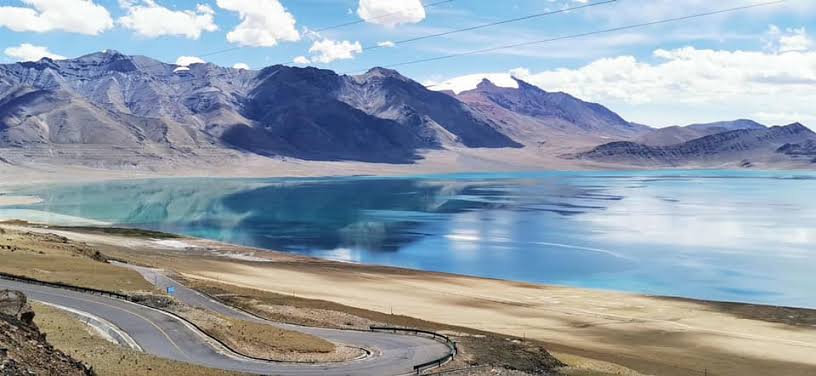
Western Tibet, specifically the Ngari Prefecture, offers a stark contrast. Protected by the Himalayas, regions around Lake Manasarovar and Mount Kailash receive significantly less precipitation. While temperatures are warmer in July, making it a popular pilgrimage season, the roads here are mostly unpaved dirt tracks. When it does rain, even lightly, these tracks can become slick. Nevertheless, the overall disruption from the monsoon is far less severe in the west than in the south or east, making Ngari a preferred destination for overland expeditions during the peak summer months.
Vehicle Preparation and Driving Strategies for Wet Roads
Navigating the monsoon season Tibet July impact on overland routes demands rigorous vehicle preparation and conservative driving strategies. Standard sedans or two-wheel-drive vehicles are entirely unsuitable for remote Tibetan roads in July. A high-clearance 4×4 vehicle with low-range gearing is mandatory. Tires must be all-terrain or mud-terrain variants with deep tread patterns to grip wet clay and loose gravel.
Before departure, the vehicle should undergo a comprehensive mechanical inspection. Brakes must be in optimal condition, as descending wet mountain switchbacks places immense strain on braking systems. Suspension components should be checked for wear, given the punishing nature of rutted, waterlogged tracks. Carrying spare tires, recovery gear (such as tow straps, shackles, and a portable winch), and extra fuel is non-negotiable. Fuel stations are sparse, and detours caused by road closures will consume more petrol than planned.
Driving techniques must adapt to the conditions. Speeds should be kept low to maintain traction and allow reaction time for sudden obstacles like fallen rocks or washed-out edges. When encountering standing water on the road, drivers should never rush through blindly. It is safer to stop, assess the depth, and walk the path if necessary before committing the vehicle. Engaging four-wheel drive before entering muddy sections, rather than waiting until the vehicle is stuck, is a fundamental rule of wet-weather off-roading.
Health and Safety Considerations Amidst Summer Storms
The physical toll of traveling during the monsoon adds another layer to the monsoon season Tibet July impact on overland routes. High altitude combined with cold, wet conditions increases the risk of hypothermia, even in summer. Temperatures can drop near freezing at night above 4,500 meters, and damp clothing accelerates heat loss. Travelers must pack waterproof outer layers, insulated jackets, and moisture-wicking base layers to stay dry and warm.
Altitude sickness remains a primary concern regardless of the season. However, the stress of difficult travel conditions, delayed schedules, and poor sleep caused by storm noise can exacerbate symptoms. It is crucial to ascend gradually, stay hydrated, and carry appropriate medications like acetazolamide, consulting with a physician prior to the trip.
Hygiene and health also intersect with the monsoon. Stagnant water and flooded areas can increase the presence of insects and waterborne pathogens. Ensuring that all drinking water is boiled or purified is essential. Additionally, because road closures can strand travelers for extended periods, carrying a comprehensive first-aid kit, extra prescription medications, and several days’ worth of emergency food rations is a standard safety protocol for any July overland expedition.
Alternative Itineraries to Minimize Monsoon Disruptions
If the monsoon season Tibet July impact on overland routes seems too daunting for your primary itinerary, strategic adjustments can salvage your trip. Instead of attempting the notoriously wet southern routes, consider pivoting toward the drier northern and western circuits. An overland journey focusing on the Changtang Nature Reserve, exploring remote lakes like Namtso, Siling Co, and Dangra Yumco, offers spectacular scenery with significantly lower rainfall risks.
Another approach is to build buffer days into your schedule. If a standard route takes five days, allocate seven or eight. This flexibility allows you to wait out severe storms in a safe town rather than pushing through dangerous conditions to meet a tight deadline. When a pass is closed by a landslide, having extra time means you can safely navigate alternative detours without missing international flights or pre-booked accommodations.
Cultural immersion can also serve as a reliable backup plan. When roads are impassable, utilizing the downtime to explore the rich monastic architecture, attend local summer festivals, or engage with communities in towns like Shigatse or Sakya transforms a logistical delay into a memorable cultural experience. Flexibility is the ultimate tool for overcoming seasonal travel barriers.
The Role of Experienced Agencies Like Tibet Yulong Travel
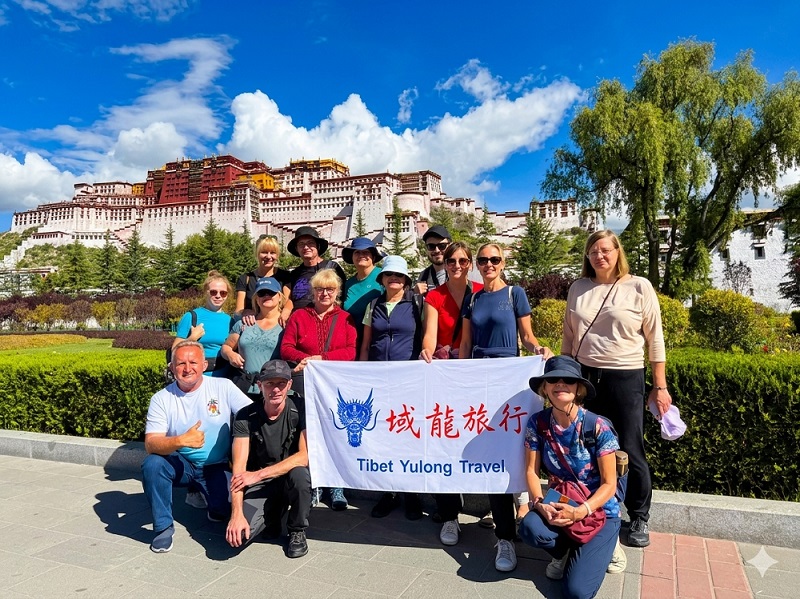
Given the complexities of the monsoon season Tibet July impact on overland routes, independent travel is strongly discouraged for those unfamiliar with the plateau’s summer dynamics. Partnering with a seasoned local operator makes a profound difference in both safety and enjoyment. Agencies like Tibet Yulong Travel specialize in navigating the logistical hurdles that define Tibetan summers. Their drivers possess intimate knowledge of micro-climates, knowing exactly which valleys flood first and which mountain passes hold their structural integrity longest after heavy rains.
Tibet Yulong Travel provides real-time route monitoring, adjusting itineraries dynamically based on daily weather forecasts and reports from drivers currently on the road. This proactive approach prevents travelers from driving blindly into hazardous zones. Furthermore, established agencies maintain networks with local mechanics and rescue services, ensuring that if a vehicle breaks down or gets stuck in the mud, assistance is dispatched promptly.
Beyond logistics, operators like Tibet Yulong Travel handle the intricate permit requirements necessary for foreign travelers in Tibet, which can become complicated if route changes push you into restricted areas unexpectedly. Their expertise transforms a potentially stressful journey into a managed, secure adventure, allowing you to focus on the breathtaking environment rather than the anxiety of the road conditions.
Preparing Your Mindset for Summer Overland Adventures
Ultimately, surviving and enjoying a summer expedition requires understanding and accepting the monsoon season Tibet July impact on overland routes as part of the adventure. Tibet is not a manicured tourist park; it is a raw, dynamic wilderness where nature dictates the terms of travel. July brings the plateau its most vibrant colors, its most active wildlife, and its most dramatic skies, but it demands respect and preparation in equal measure.
Travelers must abandon rigid expectations. A fixed mindset leads to frustration when a washed-out road forces a three-day detour. An adaptable mindset sees the same detour as an opportunity to discover a hidden village or an unvisited monastery. Communication with your travel companions and guides is vital; maintaining morale during long, muddy drives or unexpected delays keeps the journey positive.
By researching thoroughly, securing reliable transportation, packing for extreme weather variability, and leveraging the expertise of local professionals, the challenges posed by the summer rains become manageable variables rather than insurmountable obstacles. The Tibetan Plateau rewards those who prepare diligently, offering an overland experience in July that is as humbling as it is unforgettable.