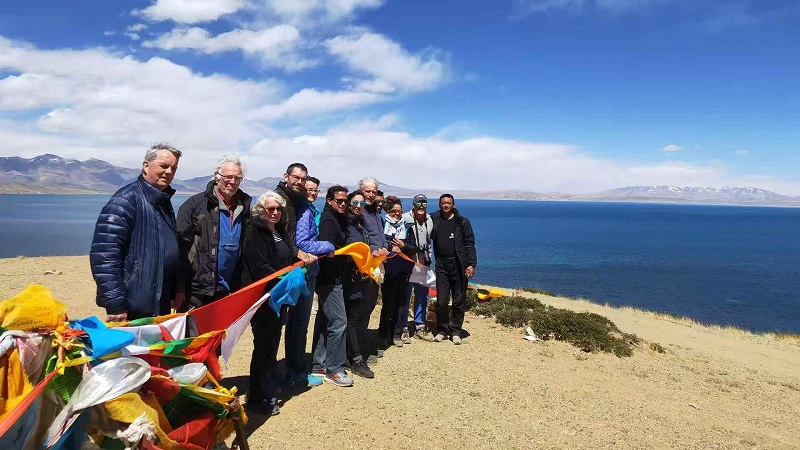
When travelers think of visiting the Roof of the World, spring rarely comes to mind first. However, understanding the Tibet in March off-peak travel advantages and weather patterns can completely transform your approach to this incredible destination. While summer draws the largest crowds, early spring offers a uniquely serene experience that seasoned explorers often prefer. The transition from winter to spring brings crisp air, stunning visibility, and a peaceful atmosphere that is hard to find during peak tourist seasons. Exploring Tibet in March off-peak travel advantages and weather details reveals a side of the plateau that feels untouched and deeply authentic. Whether you are drawn by spiritual pilgrimages, dramatic landscapes, or cultural immersion, planning a trip during this quiet month provides an unparalleled opportunity to connect with the region on a much more personal level.
Before diving into the comprehensive guide, here is a quick summary of the key points regarding a springtime journey to the plateau:
- Significantly reduced travel costs for flights and accommodations.
- Fewer tourists allowing for deeper cultural and spiritual immersion.
- Exceptionally clear skies offering unmatched mountain visibility.
- Cold but manageable daytime temperatures requiring strategic layering.
- Gradual reopening of high-altitude routes as winter snows begin to melt.
Understanding Tibet in March Off-Peak Travel Advantages and Weather Basics
To truly appreciate why early spring is such a compelling time to visit, one must first understand the fundamental climate characteristics of the region. The weather in Tibet during March is defined by its transitional nature. Winter’s deep freeze is slowly retreating, yet the warmth of late spring has not fully arrived. This creates a climate that is cold, dry, and remarkably clear. Daytime temperatures in major hubs like Lhasa typically range from 8°C to 15°C (46°F to 59°F) when the sun is shining directly. However, once the sun dips behind the mountains, temperatures plummet rapidly, often dropping to -3°C to -5°C (26°F to 23°F) at night.
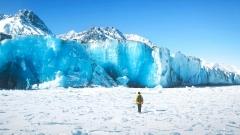
The defining feature of the Tibet in March off-peak travel advantages and weather profile is the lack of precipitation. March falls squarely within the dry season. Rainfall is exceptionally rare, meaning you will likely experience bright blue skies day after day. This arid climate also means the air is incredibly thin and dry, which intensifies the feeling of cold when out of direct sunlight but also guarantees spectacular visibility. The atmospheric clarity during this month is arguably the best of the entire year, making it a paradise for landscape photographers and mountain enthusiasts.
Because the plateau sits at such extreme elevations, microclimates vary drastically depending on where you are. While Lhasa enjoys relatively mild days, higher altitude areas like Namtso Lake or Mount Everest Base Camp remain firmly in the grip of winter. Understanding these variations is crucial for anyone analyzing the Tibet in March off-peak travel advantages and weather conditions before booking their itinerary.
The Financial Benefits of Visiting Tibet in March
One of the most immediate and tangible Tibet in March off-peak travel advantages and weather related benefits is the significant reduction in travel expenses. During the peak summer months, demand for flights, trains, and hotels surges, driving prices to their highest points. In contrast, March represents the tail end of the low season, and the tourism industry actively encourages visitors through competitive pricing.
Flights into Lhasa Gonggar Airport from major Chinese cities like Chengdu, Chongqing, or Xining are noticeably cheaper in March. Airlines often offer substantial discounts to fill seats that would otherwise remain empty during the quieter weeks. Similarly, train tickets on the Qinghai-Tibet Railway, while always popular, are generally easier to secure without the frantic competition seen in July and August.
Accommodation costs also drop dramatically. Luxury hotels that might charge premium rates in the summer often reduce their tariffs by thirty to fifty percent in early spring. Mid-range guesthouses and boutique hotels offer even better deals, allowing budget-conscious travelers to upgrade their comfort level without breaking the bank. Even local restaurants and tour operators tend to offer more flexible pricing and personalized packages during this slow period. When calculating the overall cost of a trip, the financial savings alone make exploring the Tibet in March off-peak travel advantages and weather logistics highly appealing for those looking to maximize their travel budget.
Escaping the Crowds: A More Authentic Cultural Experience
Beyond the financial savings, the most profound of all Tibet in March off-peak travel advantages and weather considerations is the sheer absence of mass tourism. Summer in Tibet can sometimes feel overwhelming, with large tour groups crowding the narrow streets of Barkhor Street and creating long queues at major monasteries. In March, the atmosphere shifts entirely.
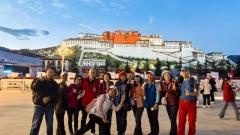
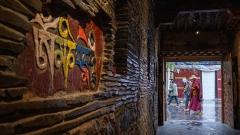
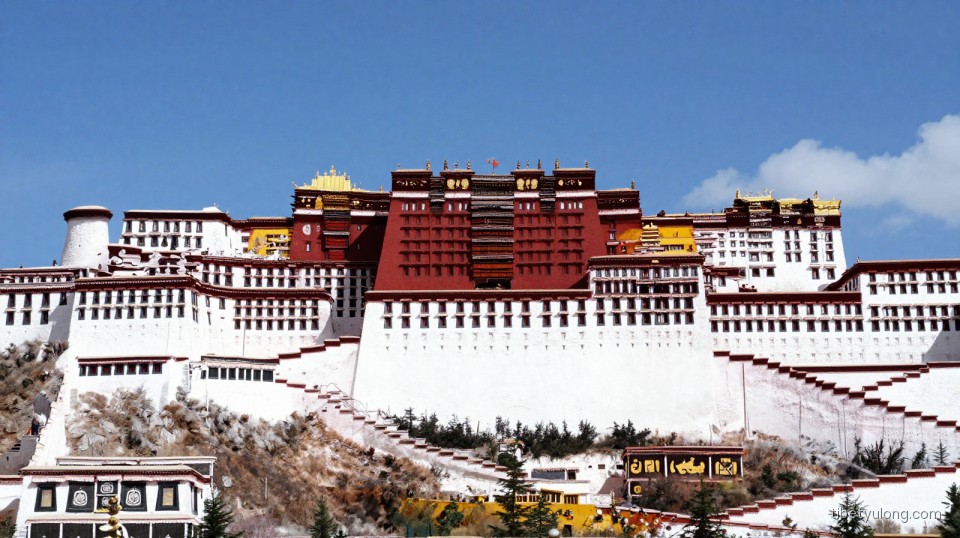
Without the constant influx of large tourist buses, the sacred sites return to their primary function as active centers of worship and daily life for the local Tibetan people. When you visit the Potala Palace in March, you are far more likely to have the courtyards and chapels to yourself, allowing for quiet contemplation rather than rushed photography sessions. The Jokhang Temple, the spiritual heart of Tibetan Buddhism, feels deeply intimate. You can sit quietly in the corners of the temple squares, watching monks go about their daily routines and observing devout pilgrims performing their prostrations without feeling like an intrusive spectator.
This tranquility extends to interactions with locals. Shopkeepers, tea house owners, and guides have more time to engage in genuine conversations. You are treated less like a passing transaction and more like a welcomed guest. For travelers seeking spiritual reflection, cultural learning, or simply a break from the noise of modern life, the solitude provided by the Tibet in March off-peak travel advantages and weather environment is an invaluable asset that cannot be replicated during the busy summer months.
Unmatched Mountain Visibility and Photography Opportunities
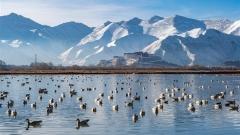
If your primary motivation for visiting the Himalayas is to witness the towering peaks in all their glory, then the Tibet in March off-peak travel advantages and weather conditions align perfectly with your goals. The dry, stable air of early spring eliminates the haze, smog, and cloud cover that frequently obscure mountain views during the warmer, wetter months.
Mount Everest, known locally as Qomolangma, is notoriously shy during the summer monsoon season, often hiding behind thick banks of clouds for days at a time. In March, however, the skies above the Everest Base Camp region are typically crystal clear. The chances of witnessing a perfect, unobstructed sunrise or sunset illuminating the summit are significantly higher. The golden light hitting the snow-capped peaks against a deep azure sky creates a visual spectacle that leaves even the most seasoned travelers speechless.
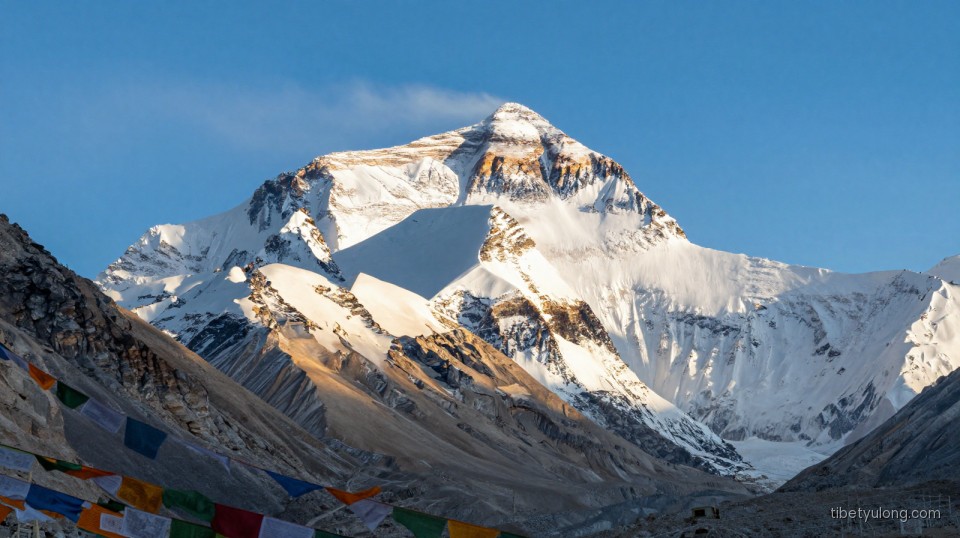
See Mount Everest Clearly from Base Camp
This exceptional visibility applies across the entire plateau. Views of the Nyainqentanglha mountain range from Namtso Lake are breathtakingly sharp. The distant peaks visible from Yamdrok Lake stand out in stark relief against the turquoise waters. Photographers will find that the low angle of the spring sun casts long, dramatic shadows across the valleys, highlighting the rugged textures of the landscape. The combination of pristine air and dramatic lighting makes the Tibet in March off-peak travel advantages and weather dynamics a dream scenario for anyone carrying a camera.
Essential Packing and Preparation for March Weather
Understanding the Tibet in March off-peak travel advantages and weather realities means acknowledging that preparation is non-negotiable. The temperature swings between day and night require a strategic approach to clothing. The concept of layering is your best defense against the unpredictable plateau climate.
Your base layer should consist of moisture-wicking thermal underwear. Cotton should be avoided entirely, as it retains sweat and will make you dangerously cold when temperatures drop. Over this, add insulating mid-layers such as fleece jackets or lightweight down vests. Your outermost layer must be a windproof and waterproof hard shell jacket. The winds sweeping across the plateau in March can be fierce, and wind chill will make a 10°C day feel closer to freezing if you are not properly shielded.
Accessories are equally critical. A warm beanie that covers your ears, insulated gloves, and a thick scarf or neck gaiter are mandatory, especially for early morning excursions or high-altitude drives. Sturdy, broken-in hiking boots with good ankle support and thermal socks will keep your feet comfortable during monastery visits and short treks.
Beyond clothing, the intense UV radiation at high altitudes requires serious protection. The thin atmosphere filters very little sunlight. High SPF sunscreen, UV-blocking sunglasses, and wide-brimmed hats are necessary even on cold days. Furthermore, the extreme dryness demands heavy-duty lip balm, rich moisturizing creams, and nasal saline sprays to prevent discomfort. Being thoroughly prepared ensures you can fully enjoy the Tibet in March off-peak travel advantages and weather without physical setbacks.
Managing Altitude Sickness During Early Spring
Altitude sickness, or Acute Mountain Sickness (AMS), is a reality for any visitor to Tibet, regardless of the season. However, the Tibet in March off-peak travel advantages and weather context introduces specific factors regarding acclimatization. Because the air is colder and drier in March, your respiratory system works slightly harder, which can sometimes make the initial adjustment feel more challenging than in the humid summer months.
The golden rule of acclimatization is to take it incredibly slow upon arrival. When you land in Lhasa, which sits at approximately 3,650 meters (11,975 feet), do not rush out to explore immediately. Spend the first twenty-four to forty-eight hours resting at your hotel. Avoid strenuous walking, climbing stairs quickly, or taking hot showers, as these activities increase oxygen demand and exacerbate symptoms.
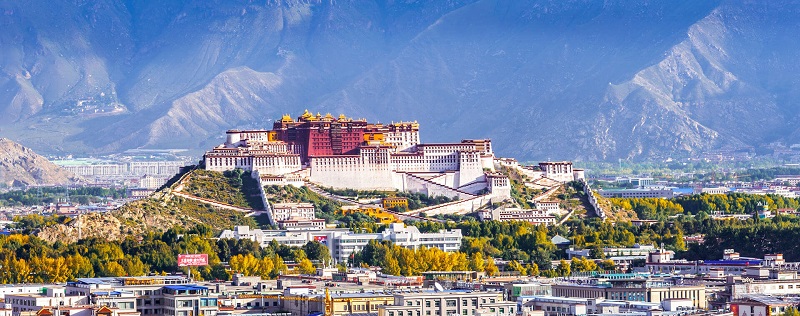
Lhasa Potala Palace
Hydration is paramount. The dry March air dehydrates you rapidly without you realizing it. Drink plenty of water throughout the day, even if you do not feel thirsty. Traditional Tibetan butter tea is an excellent local remedy that provides hydration, calories, and warmth simultaneously. Avoid alcohol and heavy, greasy meals during your first few days, as they interfere with your body’s ability to acclimatize.
Consult your doctor before traveling about prophylactic medications like acetazolamide. If you experience severe headaches, nausea, dizziness, or shortness of breath at rest, inform your guide immediately. Descending to a lower altitude is the only definitive cure for severe AMS. Respecting the altitude allows you to safely reap the Tibet in March off-peak travel advantages and weather rewards.
Route Accessibility and Itinerary Planning
When evaluating the Tibet in March off-peak travel advantages and weather implications for route planning, flexibility is key. While the main arteries connecting Lhasa to Shigatse and Gyantse are generally open and well-maintained year-round, some of the more remote or extremely high-altitude destinations may still be affected by lingering winter conditions.
For instance, the road to Mount Kailash in the far west is often closed or highly impassable in March due to heavy snow accumulation in the mountain passes. Similarly, certain trekking routes around Namtso Lake might be inaccessible until later in the spring when the ice begins to thaw. However, this does not mean your options are limited. The classic Lhasa-Shigatse-Everest Base Camp route is usually viable, though travelers must be prepared for icy patches on the high passes like Gawu La.
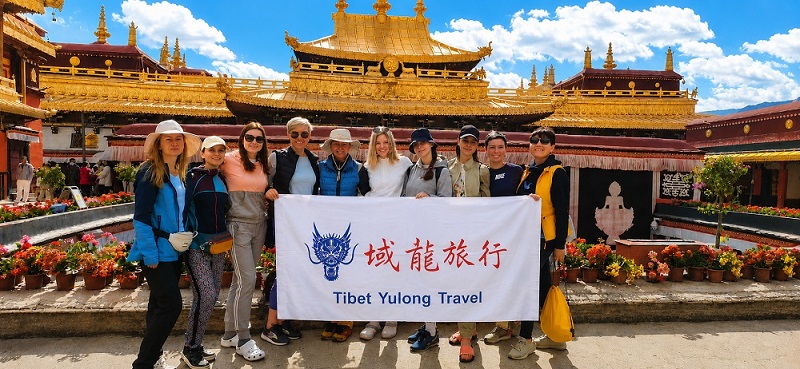
Working with experienced local operators is crucial during this transitional season. Agencies deeply familiar with the region, such as Tibet Yulong Travel, possess real-time knowledge of road conditions, permit regulations, and safe routing. They understand how the Tibet in March off-peak travel advantages and weather fluctuations impact daily logistics. By relying on experts who monitor the melting snow lines and coordinate with local transport authorities, you ensure a smooth, safe, and optimized itinerary that maximizes your time without risking unnecessary delays or safety hazards.
Local Festivals and Cultural Events in March
While March is not traditionally packed with massive public festivals like Losar (Tibetan New Year, which usually falls in February or occasionally late January/early March depending on the lunar calendar), the cultural vibrancy remains intact. The Tibet in March off-peak travel advantages and weather timing often coincides with the quiet, deeply spiritual preparations for the upcoming agricultural and religious seasons.
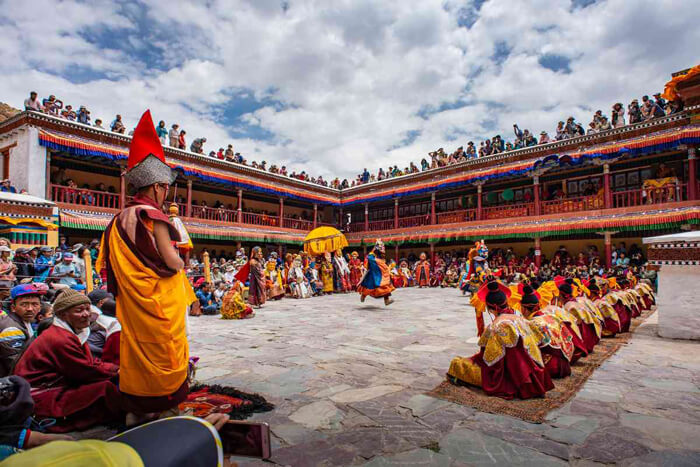
Losar Tibetan New Year Tour
Monasteries are bustling with internal activity. Monks engage in intense periods of study, debate, and ritual practice following the winter retreats. Visitors who respectfully observe these daily rhythms gain insight into Tibetan Buddhism that goes far beyond surface-level tourism. You might witness smaller, localized prayer ceremonies or the unfurling of new prayer flags as communities welcome the approaching spring.
In rural areas outside the main cities, farmers begin preparing their fields. The interaction between the harsh winter landscape and the hopeful signs of spring creates a poignant cultural backdrop. Engaging with local families in villages near Gyantse or Tsedang offers a glimpse into traditional nomadic and agrarian lifestyles that remain largely unchanged. The quietness of the season means locals are more receptive to sharing their customs, making the Tibet in March off-peak travel advantages and weather period ideal for anthropological curiosity and meaningful human connection.
Environmental Considerations and Responsible Tourism
Traveling during the off-peak season carries a responsibility to protect the fragile ecosystem of the plateau. The Tibet in March off-peak travel advantages and weather discussion must include environmental stewardship. The dry, windy conditions of March mean that any litter left behind is easily scattered across vast distances, damaging the pristine landscape.
Visitors must adhere strictly to Leave No Trace principles. Carry all waste back to designated disposal points in larger towns. Avoid purchasing products made from endangered wildlife or protected plants. When visiting sacred lakes like Yamdrok or Manasarovar, respect local customs by not washing clothes or bathing in the holy waters.
Furthermore, the reduced tourist footprint in March naturally lessens the strain on local infrastructure and natural resources. By choosing to travel during this time, you are inadvertently participating in a more sustainable model of tourism. Supporting locally owned guesthouses, eating at family-run restaurants, and hiring Tibetan guides ensures that the economic benefits of your visit remain within the community. This ethical approach enhances the overall value of the Tibet in March off-peak travel advantages and weather experience, leaving both the traveler and the destination better for the encounter.
Why Choose Professional Guidance for a Spring Journey
Navigating the complexities of permits, transportation, and altitude management requires professional expertise, especially during a transitional month. The Tibet in March off-peak travel advantages and weather nuances are best handled by teams who live and work on the plateau year-round. Independent travel is heavily restricted in the Tibet Autonomous Region, meaning all foreign visitors must be part of an organized tour with a licensed guide.
Selecting the right travel partner dictates the quality of your entire trip. Operators like Tibet Yulong Travel specialize in crafting itineraries that specifically leverage the benefits of early spring. They know exactly which viewpoints offer the clearest morning light, which hotels have the most reliable heating systems during cold nights, and how to pace your ascent to minimize altitude risks. Their drivers are experienced in handling vehicles on potentially icy mountain roads, ensuring your safety while traversing high passes.
By entrusting your journey to professionals who deeply understand the Tibet in March off-peak travel advantages and weather variables, you remove the stress of logistical planning. This allows you to focus entirely on the breathtaking scenery, the profound spirituality, and the unforgettable silence of the Himalayas waking up from their winter slumber. A well-guided trip transforms a simple vacation into a transformative expedition, proving that sometimes the best time to visit a place is when the rest of the world has decided to stay home.