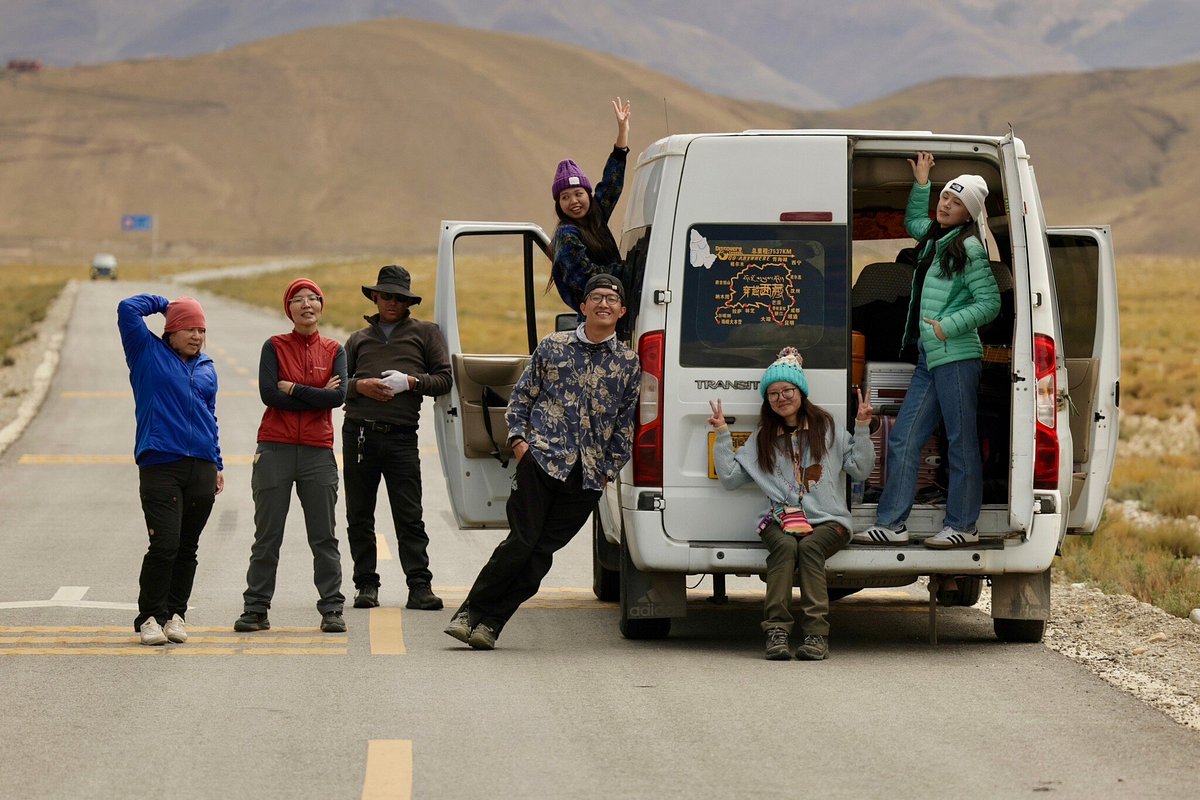
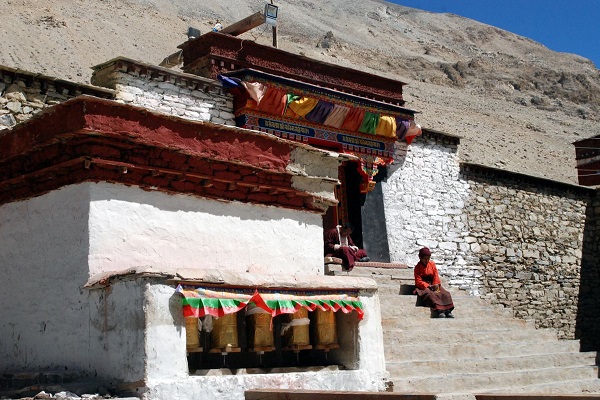
Tibet is a land of profound spiritual heritage, dramatic landscapes, and deeply rooted cultural traditions. Among all the festivals celebrated on the plateau, Losar stands out as the most significant and vibrant. If you are looking for a guide to Losar – the Tibetan New Year – including its dates and customs to help plan your trip, you are in the right place. Losar is not merely a change of the calendar; it is a comprehensive renewal of spirit, community, and environment. The festival spans several days, blending ancient pre-Buddhist rituals with Vajrayana Buddhist practices. For travelers, experiencing Losar offers an unparalleled window into the soul of Tibetan culture. From the aromatic smoke of juniper incense drifting through mountain air to the rhythmic chanting echoing inside centuries-old monasteries, every moment is steeped in meaning. Understanding the timing and traditions of this festival is essential before embarking on a journey to the roof of the world.
Before exploring this festival in detail, here are key takeaways covering Losar’s dates and traditions:
- Lunar Calendar Timing: Losar falls on the first day of the first Tibetan lunar month, usually in February or March.
- Pre-Festival Preparations: Cleaning homes, preparing special foods, and performing驱邪 (exorcism) rituals happen days before the new year.
- Sacred Ceremonies: Monks perform elaborate dances and prayers to dispel negativity and welcome auspiciousness.
- Community and Family: The first days focus on close family gatherings, while later days expand to community celebrations.
- Travel Planning: Visiting during Losar requires early booking due to high demand and specific regional travel regulations.
Losar Calendar: When Is the Tibetan New Year?
To truly appreciate the festival, one must first understand the mechanics of the Tibetan calendar. Unlike the Gregorian calendar used internationally, the Tibetan calendar is lunisolar, meaning it tracks both the moon’s phases and the sun’s position. This system dictates that the date of Losar shifts annually from a Western perspective. Generally, the festival aligns closely with the Chinese Lunar New Year, though differences in astronomical calculations occasionally cause them to diverge by a day or even an entire lunar month.
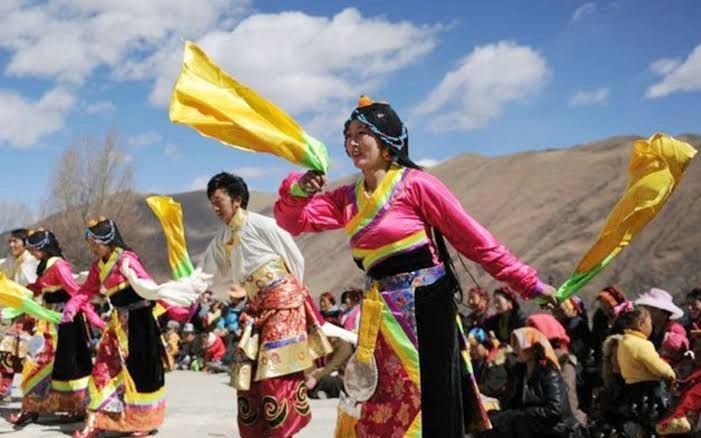
The Tibetan calendar operates on a sixty-year cycle known as Rabjung. Each year within this cycle is associated with one of twelve animals and one of five elements. These combinations influence agricultural planning, astrological readings, and religious observances. Because the calendar relies on precise lunar observations, local astronomers and monks at major monasteries calculate the exact dates well in advance. To confirm Losar’s exact dates and festival arrangements, travelers may refer to official Tibetan cultural calendars or consult a specialist travel agency.
Historically, the celebration of the new year predates the introduction of Buddhism to Tibet. Ancient Tibetans practiced the Bon religion, which involved winter solstice rituals to appease local spirits and ensure a prosperous harvest. When Buddhism arrived, these indigenous practices were seamlessly integrated into the new religious framework. Today, Losar beautifully blends ancient Bon traditions with Buddhist teachings. The exact date marks the beginning of a fresh karmic cycle, a time when past misdeeds are symbolically washed away, and positive intentions are set for the months ahead.
The duration of the festival also varies. While the core celebrations last for three to five days, the broader festive atmosphere can extend up to fifteen days, culminating in the Butter Lamp Festival. During this extended period, different regions of Tibet might observe slightly varying schedules based on local customs and the specific sect of Buddhism predominant in their area. Understanding these nuances is crucial for anyone looking to immerse themselves fully in the experience.
Pre-Festival Rituals and Preparations
The anticipation of Losar begins long before the actual new year arrives. The preparation phase is arguably as important as the festival itself, filled with symbolic acts designed to clear away the old and make space for the new. One of the most prominent preparatory events is the Gutor ceremony, which takes place on the twenty-ninth day of the twelfth Tibetan month. This day is dedicated to thorough house cleaning. Families scrub their homes from top to bottom, sweep out dust, and discard broken items. This physical cleaning mirrors a spiritual purification, ridding the household of accumulated negative energy and bad luck from the past year.
On the evening of Gutor, families gather to eat a special noodle soup called Guthuk. This dish is far more than a simple meal; it is a playful divination game. Hidden inside the dough balls are various objects, each carrying a specific meaning. Finding a piece of charcoal suggests a black heart, while discovering wool indicates a kind nature. A chili pepper means the person is sharp-tongued, and a pea signifies good fortune. The sharing of Guthuk is accompanied by laughter and lighthearted teasing, strengthening family bonds before the solemnity of the new year begins.
After the Guthuk dinner, communities take part in purification rituals to clear misfortune and obstacles. Straw torches are lit, and people move through homes and villages to send away hardships and negative influences. Monasteries host larger-scale versions of this ceremony. Monks craft detailed tormas, barley-and-butter sculptures that symbolise obstacles and negative energies. Following chants and masked rituals, these tormas are carried outside and burned in bonfires, symbolising the removal of hindrances for the year ahead.
Another vital preparation involves stocking up on supplies. Markets become incredibly busy in the weeks leading up to Losar. Families purchase new clothes, particularly traditional Tibetan chubas, to wear on the first day of the new year. They also buy fresh ingredients, incense, prayer flags, and decorative items. Doorways are painted with auspicious symbols, and small shrines inside homes are meticulously cleaned and restocked with fresh offerings. Every action taken during this period is infused with the intention of welcoming prosperity, health, and spiritual merit.
Traditional Foods and Culinary Customs
Food plays a central role in the celebration of Losar, serving as both sustenance and a medium for expressing cultural identity. The culinary traditions associated with the new year are rich, hearty, and deeply symbolic, reflecting the harsh climate and pastoral lifestyle of the Tibetan plateau. Food preparation is closely tied to the festival schedule and forms a core part of Losar’s cultural traditions.
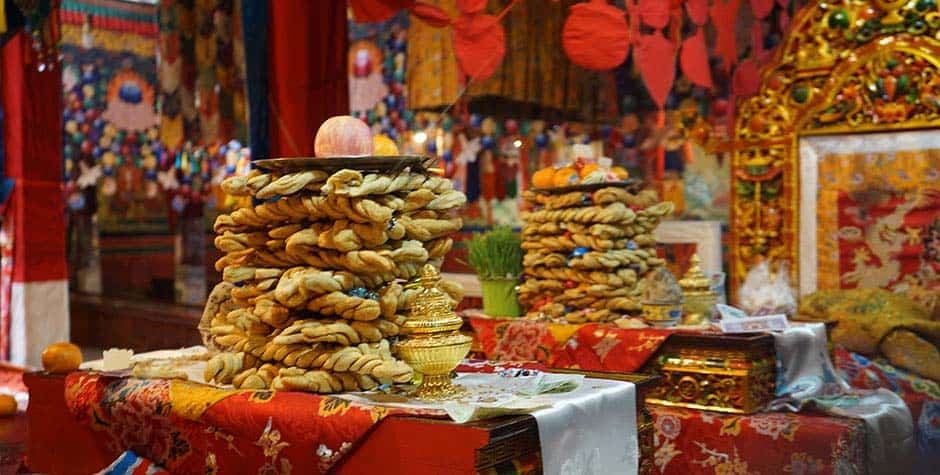
The centerpiece of any Losar table is the Derga, or Khapse. These are deep-fried pastries made from wheat flour, butter, eggs, and sugar. Khapse comes in various shapes and sizes, from simple twisted ribbons to elaborate ear-like structures. The preparation of Khapse usually begins days before the new year, requiring collective effort from female family members. Once fried to a golden crisp, they are stacked in towering, pyramid-like arrangements on the family altar. This display is not meant to be eaten immediately but serves as an offering to deities and a symbol of abundance for the coming year.
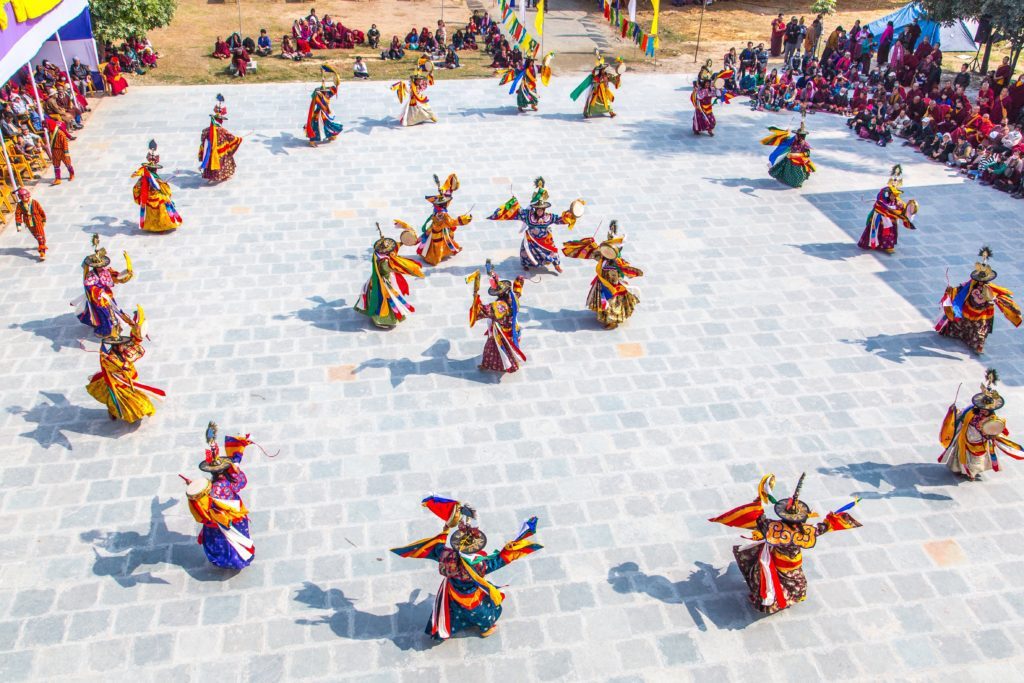
Losar Folk Cultural Activities
Another indispensable element is the Chemar box. This beautifully decorated wooden container holds two distinct compartments. One side contains tsampa (roasted barley flour) mixed with butter and sugar, while the other holds roasted barley grains. When guests arrive during Losar, the host presents the Chemar box. The guest takes a pinch of the contents, tosses a small amount into the air as an offering to the gods, and then places a bit in their mouth, exchanging blessings of “Tashi Delek” (auspicious greetings). This ritual reinforces social harmony and mutual respect.
Chang, a mildly alcoholic beverage brewed from fermented barley, flows freely during the festivities. It is served warm in wooden bowls and is essential for toasting to good health and happiness. Alongside Chang, copious amounts of yak butter tea are consumed to ward off the winter chill. Main meals often feature momos (steamed dumplings filled with meat or vegetables), dried yak meat, and rich stews made with root vegetables and noodles. The emphasis is on calorie-dense, warming foods that provide the energy needed for days of continuous celebration, visiting, and participating in outdoor activities.
Religious Observances and Monastic Celebrations
While Losar is a joyous family occasion, its foundation is deeply religious. The monasteries across Tibet transform into hubs of intense spiritual activity during the new year. The religious observances are complex, visually stunning, and profoundly moving, making them a primary draw for culturally inclined travelers who are planning their Losar trip and sorting out practical logistics.
On the first day of Losar, known as Lama Losar, the focus is entirely on spiritual matters. Laypeople generally stay home or visit their local temples, while monks engage in rigorous prayer sessions. Early in the morning, before the sun rises over the Himalayas, monks blow massive copper horns called dungchen. The deep, resonant sound echoes across valleys, signaling the dawn of the new year and awakening the protective deities. Inside the main assembly halls, hundreds of monks sit in rows, chanting sutras in polyphonic tones that create a hypnotic, vibrating atmosphere.
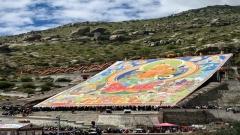
One of the most spectacular events occurs at major monasteries such as Tashilhunpo, Sera, and Drepung. Monks unfurl gigantic Thangka paintings—appliqué silk tapestries depicting Buddhas, Bodhisattvas, or historical figures—down the sides of hills or monastery walls. These Thangkas can be dozens of meters tall and are only displayed once a year during Losar. Pilgrims and locals gather at the base, pressing their foreheads to the ground in prostration, spinning prayer wheels, and reciting mantras, hoping to accumulate immense merit by simply viewing the sacred image.
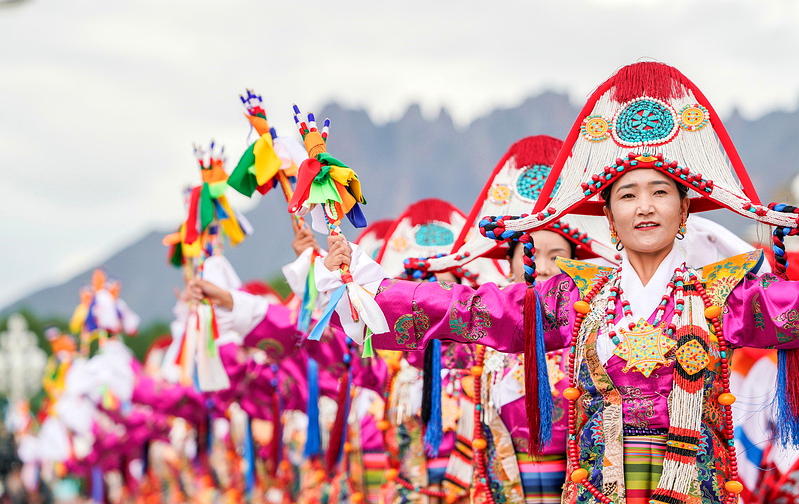
Losar, the Tibetan New Year
Cham dances are another highlight of the monastic celebrations. These are not mere performances but sacred rituals where monks don elaborate masks and costumes representing various deities, demons, and historical figures. The choreography is precise and passed down through generations. These dances tell symbolic stories of wisdom overcoming ignorance and difficulty. The rhythmic beating of drums, the clash of cymbals, and the swirling colors of the costumes create a mesmerizing spectacle. For outsiders, witnessing a Cham dance is a privilege that offers deep insight into the Vajrayana Buddhist worldview, where art, religion, and daily life are inextricably intertwined.
Family Gatherings and Social Etiquette
After the spiritually focused first day, the second day, known as King’s Losar or Gyalpo Losar, opens the festival to broader social interactions. This is when friends, extended family, and neighbors begin visiting each other’s homes. The social etiquette during this period is highly structured, emphasizing respect, generosity, and communal harmony.
When visiting a home during Losar, it is customary to bring small gifts. These might include a ceremonial scarf known as a Khata, a bottle of Chang, or bricks of tea. The Khata is particularly important. Usually white to symbolize purity and compassion, it is presented with both hands, often accompanied by a slight bow. The recipient accepts it graciously and may drape it around the giver’s neck in return. Exchanging Khatas establishes a bond of goodwill and sets a positive tone for the interaction.
Greetings are exchanged enthusiastically. The phrase “Tashi Delek,” meaning “auspiciousness and goodness,” is heard everywhere. Elders are treated with the utmost reverence. Younger family members will approach elders, offer them the first cup of butter tea or Chang, and listen attentively to their blessings and advice for the new year. Seating arrangements inside traditional Tibetan homes reflect this hierarchy, with the most honored seats near the hearth reserved for senior members or respected monks.
Children are given special attention during Losar. They receive new clothes, small amounts of money, and treats like candies and dried fruits. Games are organized, and the streets fill with the sounds of children playing. The atmosphere is one of universal warmth. Even disputes from the previous year are expected to be forgiven and forgotten during Losar. Holding onto anger or resentment during the new year is considered highly inauspicious. Therefore, the festival acts as a societal reset button, mending fractured relationships and reinforcing the tight-knit community fabric that is essential for survival in the challenging Tibetan environment.
Regional Variations Across the Plateau
Tibet is vast, and its cultural landscape is not monolithic. As you learn about Losar, you will discover regional variations across the plateau. These variations are shaped by geography, historical influences, and the dominant Buddhist sects in each area.
In Lhasa, the capital and spiritual heart of Tibet, Losar is celebrated with grand public processions and massive gatherings around the Jokhang Temple. The Barkhor circuit, the ancient pilgrimage route surrounding the temple, becomes a river of humanity. Pilgrims walk clockwise, spinning prayer wheels and chanting, while vendors sell festive goods. The celebrations here are highly formalized and attract Tibetans from all over the plateau.
In contrast, the Shigatse region, historically the seat of the Panchen Lama, observes Losar slightly differently. Here, the agricultural traditions heavily influence the festivities. Farmers perform specific rituals to bless their fields and livestock for the coming planting season. The Tashilhunpo Monastery dominates the local celebrations, hosting some of the most elaborate Thangka unveilings and Cham dances in Tibet.
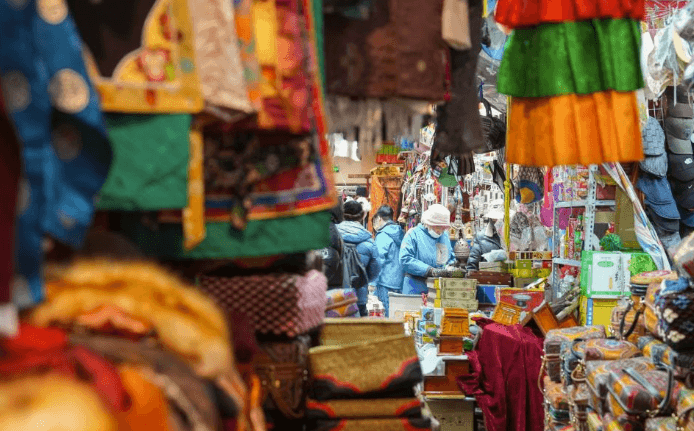
People in Lhasa make preparations for upcoming Tibetan New Year
Further east, in the Kham and Amdo regions, the nomadic heritage shines through. Nomadic families celebrate Losar in their tents, focusing heavily on horse racing, archery competitions, and robust singing and dancing around campfires. The dates in these eastern regions sometimes differ from Lhasa, as local lamas calculate the calendar based on regional astronomical observations. The food also varies; Khampa Tibetans are renowned for their spicy dishes and larger-than-life hospitality, making their version of Losar particularly lively and energetic.
Tibetan communities in Nepal, India and Bhutan also preserve Losar traditions with deep devotion. While the setting changes, the core rituals—the Guthuk soup, the Cham dances, the Chemar boxes—remain intact, serving as a powerful anchor to their ancestral homeland and cultural identity.
Practical Advice for Travelers and Working with Tibet Yulong Travel
Experiencing Losar as a traveler is a profound privilege, but it requires meticulous planning. The intersection of high altitude, cold weather, strict travel regulations, and massive local movement makes independent travel during this period highly challenging. Understanding Losar travel rules and logistics for international visitors is the foundation of a smooth journey.
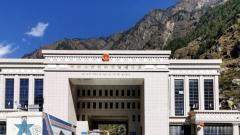
Foreign travelers cannot enter the Tibet Autonomous Region without a Tibet Travel Permit, which must be arranged through a registered travel agency well in advance. During Losar, government offices and permit-issuing authorities often close for extended periods. Therefore, applications must be submitted months ahead of the festival. Accommodation in cities like Lhasa and Shigatse books up rapidly as domestic tourists and returning pilgrims flood the region. Securing comfortable, heated lodging requires early action.
Health and safety are paramount. Winter temperatures in Tibet drop significantly below freezing, especially at night. Travelers must pack heavy thermal layers, windproof jackets, and insulated boots. Altitude sickness remains a constant risk, exacerbated by the physical exertion of participating in festival crowds. Acclimatization days must be built into any itinerary before attempting to join large gatherings.
Navigating these complexities is where partnering with experienced professionals becomes invaluable. Tibet Yulong Travel specializes in crafting itineraries that align perfectly with the Tibetan lunar calendar. By working with Tibet Yulong Travel, visitors gain access to expertly timed schedules that ensure they witness the most critical moments of Losar—from the Gutor purification ceremonies to the grand Thangka displays—without logistical hiccups. Their deep local connections allow for authentic interactions with Tibetan families, providing cultural immersion that goes far beyond standard tourist observation. Whether you need assistance securing permits, finding the best vantage points for Cham dances, or understanding the subtle nuances of local etiquette, Tibet Yulong Travel ensures that your journey into the heart of the Tibetan New Year is safe, respectful, and unforgettable. Proper preparation transforms a daunting logistical challenge into the adventure of a lifetime, allowing you to fully absorb the magic of the plateau’s greatest celebration.