The vast grasslands of northern Tibet come alive every summer when nomadic tribes gather for one of the most spectacular cultural events on the plateau. Understanding the Nagqu horse racing festival dates and activities is essential for any traveler hoping to witness this extraordinary celebration of Tibetan nomadic heritage. Held in the high-altitude expanse of Nagqu, this event draws thousands of locals and visitors who come to experience thrilling equestrian competitions, traditional dances, and vibrant market exchanges. It is far more than a simple sporting event; it is a living testament to the resilience and rich culture of the people who call the Changtang grasslands home. For travelers seeking authentic experiences away from heavily commercialized tourist routes, timing a visit around this festival offers an unparalleled glimpse into traditional Tibetan life.
✨ Highlights:
- The festival typically takes place in August each year.
- Events include horse racing, archery, and traditional dancing.
- Nagqu sits at over 4,500 meters, requiring altitude preparation.
- Nomadic tent cities form a temporary, vibrant community.
- Booking transport and guides early is highly recommended.
Understanding the Nagqu Horse Racing Festival Dates and Activities
When planning a journey to the roof of the world, knowing the exact Nagqu horse racing festival dates and activities can make the difference between a standard sightseeing trip and a deeply immersive cultural adventure. The festival traditionally aligns with the first week of August according to the Gregorian calendar, though the specific days may shift slightly depending on the Tibetan lunar calendar and local administrative announcements. Because the event is tied to the brief, lush summer season of the Changtang plateau, August provides the ideal weather conditions—relatively mild temperatures and green pastures that sustain the massive herds of horses, yaks, and sheep brought by the nomads.
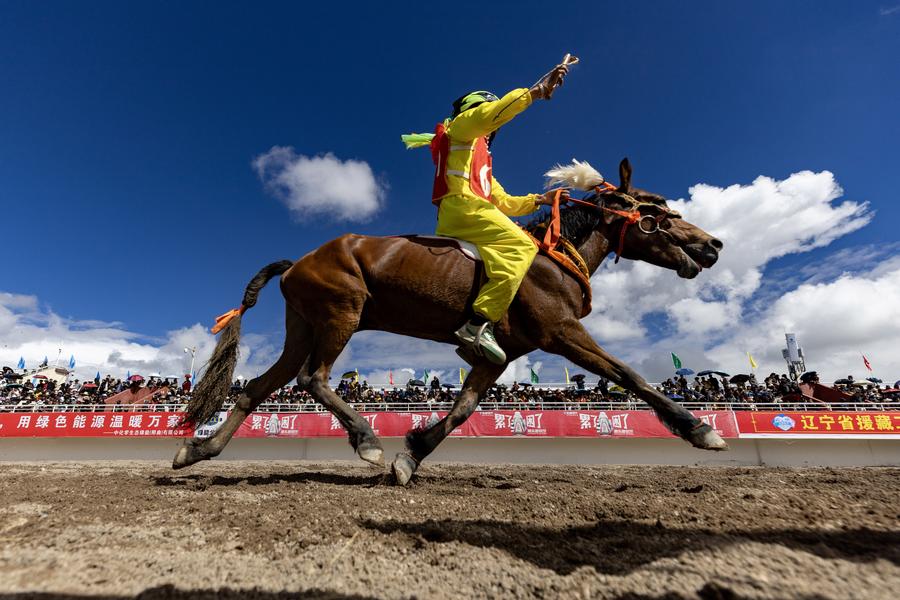
The activities span several days, usually lasting anywhere from five to ten days, transforming the open grasslands near Nagqu Town into a bustling temporary metropolis. During this period, the air is filled with the sounds of galloping hooves, chanting monks, folk songs, and the lively chatter of traders. Visitors should anticipate a dynamic schedule where morning hours are dedicated to intense athletic competitions, while afternoons and evenings shift toward social gatherings, feasting, and cultural performances. To fully grasp the scope of the Nagqu horse racing festival dates and activities, one must look beyond the racetrack and understand the deep-rooted traditions that govern every aspect of the gathering.
The Historical and Cultural Significance of the Festival
To truly appreciate the Nagqu horse racing festival dates and activities, it helps to understand the historical context of this grand gathering. The roots of the festival stretch back centuries, originating as a practical assembly for nomadic tribes scattered across the remote Changtang region. In ancient times, these gatherings served multiple purposes: they were opportunities for trade, religious ceremonies, dispute resolutions, and matchmaking among different clans. Horses were the lifeline of the nomadic existence, essential for herding, transportation, and defense. Therefore, showcasing the speed, agility, and endurance of one’s horses was a matter of immense family pride and tribal prestige.
Over time, what began as a pragmatic convergence evolved into a formalized cultural extravaganza. Today, the festival retains its core spiritual and communal elements while incorporating modern organizational structures. Monks from local monasteries often perform blessings before the races begin, chanting sutras to ensure the safety of the riders and the prosperity of the community. The festival remains a vital mechanism for preserving intangible cultural heritage, passing down equestrian skills, traditional songs, and nomadic customs from older generations to the youth. When you study the Nagqu horse racing festival dates and activities, you are essentially reading the living history of Tibet’s pastoral communities.
Detailed Breakdown of Festival Activities and Competitions
The core appeal of the event lies in the sheer variety of the Nagqu horse racing festival dates and activities. While horse racing is undoubtedly the centerpiece, the itinerary is packed with diverse competitions and performances that highlight the physical prowess and artistic talents of the Tibetan people.
Equestrian Competitions
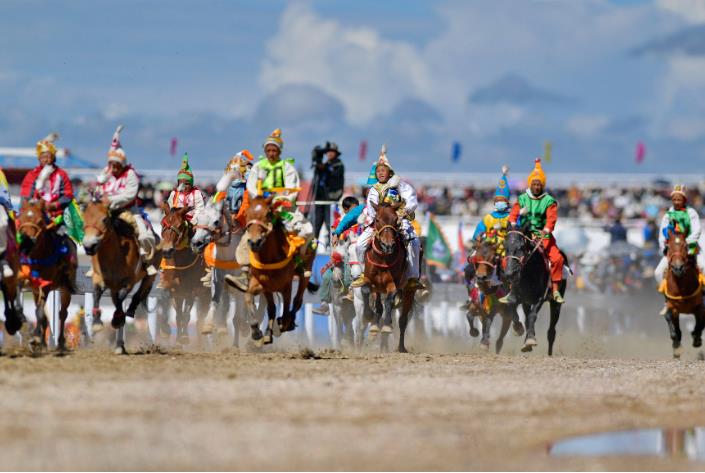
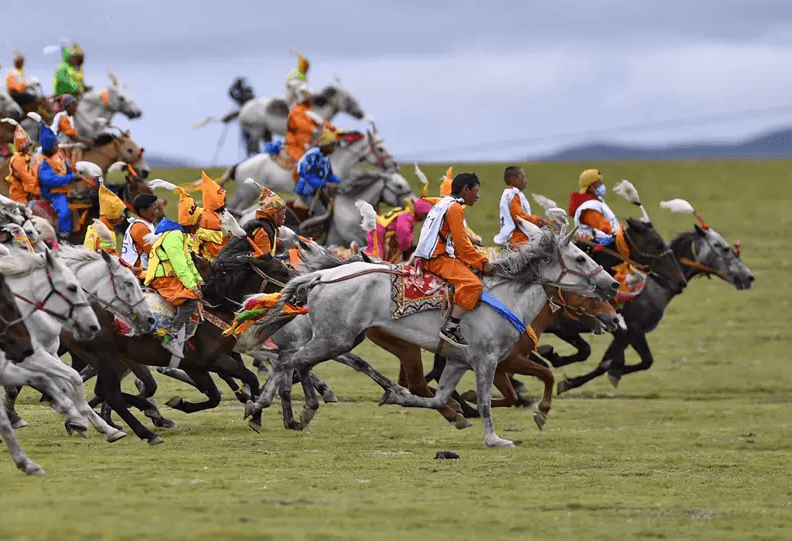
The horse races themselves are divided into several categories. Long-distance endurance races test the stamina of both horse and rider across miles of open steppe. Short sprints, on the other hand, are explosive displays of raw speed. However, the most visually stunning events are the equestrian acrobatics. Riders perform daring feats while their horses are at a full gallop, such as picking up white scarves (khata) from the ground, shooting arrows at targets, or standing upright on the saddle. These stunts require years of training and an almost telepathic bond between the rider and the animal. The horses are often adorned with colorful ribbons, intricate saddles, and ornate headgear, making the track a kaleidoscope of motion and color.
Traditional Sports and Archery
Beyond the racetrack, the Nagqu horse racing festival dates and activities encompass a wide array of traditional Tibetan sports. Archery is a prominent feature, with competitors using traditional bows to strike targets from impressive distances. Yak racing, while slower and clumsier than horse racing, draws massive crowds due to its comedic and unpredictable nature. Wrestling matches and tug-of-war competitions test individual and team strength, often accompanied by roaring cheers from spectators seated on the grassy hillsides. Stone-carrying contests, where men lift extraordinarily heavy boulders, pay homage to the physical demands of nomadic life.
Cultural Performances and Social Gatherings
As the sun begins to lower, the focus shifts from athletic competition to cultural celebration. Guozhuang dances—large, circular group dances—are organized, inviting participants of all ages to join hands and move rhythmically to traditional folk music. Singers perform epic ballads recounting the legends of King Gesar and other mythological figures. The evenings are also prime time for socializing. Families invite guests into their tents to share yak butter tea, dried meat, tsampa (roasted barley flour), and chang (Tibetan barley wine). Understanding the full spectrum of the Nagqu horse racing festival dates and activities means recognizing that the informal hospitality shared inside these tents is just as important as the official events on the field.
Preparing for Your Journey: Altitude and Logistics
Researching the Nagqu horse racing festival dates and activities is only the first step; preparing your body and logistics for the journey is equally critical. Nagqu is one of the highest cities in the world, sitting at an elevation of approximately 4,500 meters (nearly 15,000 feet). At this altitude, the oxygen level is roughly half of what it is at sea level. Altitude sickness is a genuine concern for travelers, and failing to acclimatize properly can ruin the experience or pose serious health risks.
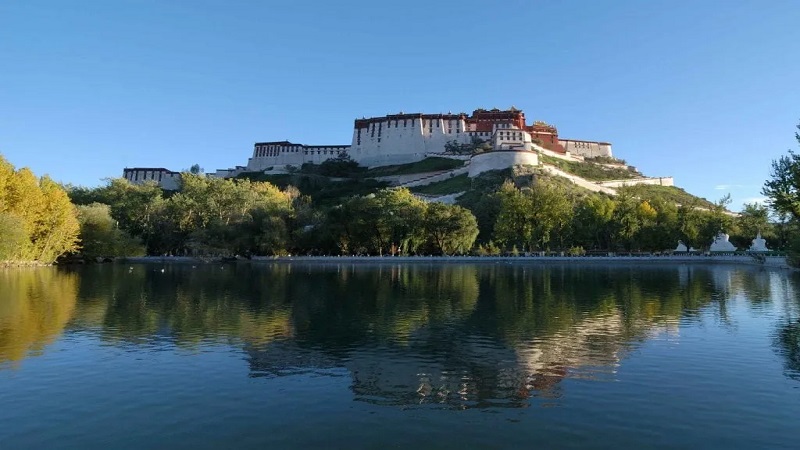
It is highly recommended to spend several days in Lhasa, which sits at a relatively lower elevation of 3,650 meters, before traveling north to Nagqu. This allows your body to adjust gradually. Hydration is paramount, and travelers should avoid alcohol and strenuous exercise during the initial days of acclimatization. Consulting a physician before the trip regarding altitude medication, such as acetazolamide, is a prudent measure.
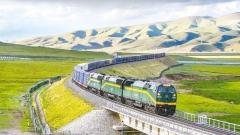
Logistically, reaching Nagqu requires careful planning. The Qinghai-Tibet Railway passes through Nagqu, offering a scenic train ride from Lhasa or Xining. Alternatively, long-distance buses and hired vehicles traverse the highway connecting Lhasa to Nagqu. Given the influx of visitors during the festival, transportation tickets and vehicle hires sell out rapidly. Aligning your travel bookings precisely with the confirmed Nagqu horse racing festival dates and activities ensures you do not miss the opening ceremonies or get stranded without accommodation.
Accommodation and the Nomadic Tent City
One of the most unique aspects of experiencing the Nagqu horse racing festival dates and activities is the accommodation situation. While Nagqu Town has permanent hotels and guesthouses, they are limited in number and often fully booked months in advance of the festival. Furthermore, staying in a concrete hotel isolates you from the true atmosphere of the event.
During the festival, a massive temporary city of black yak-hair tents and modern canvas pavilions springs up on the grasslands just outside the town. Many nomadic families set up their traditional tents and welcome paying guests, offering an authentic homestay experience. Sleeping in a yak-hair tent, waking up to the smell of juniper incense and simmering milk tea, and stepping directly into the festival grounds is an unforgettable experience. However, amenities are basic. Electricity might be generated via portable solar panels, and restroom facilities are rudimentary. Travelers must pack accordingly, bringing sleeping bags rated for cold weather, as nighttime temperatures on the plateau can drop near freezing even in August. Coordinating these unique stays is often easier when working with experienced local operators who have established relationships with nomadic hosts.
Local Cuisine and Culinary Experiences
Exploring the Nagqu horse racing festival dates and activities naturally leads to discovering the robust culinary traditions of the Tibetan plateau. The diet here is designed to provide maximum energy in a harsh, high-altitude environment. Yak meat is the staple protein, served dried, boiled, or roasted. Dried yak meat is chewy, flavorful, and perfect for snacking while watching the races.
Tsampa, made from roasted barley flour mixed with yak butter tea, forms the carbohydrate foundation of the nomadic diet. Visitors are often invited to mix their own tsampa, a skill that requires practice to achieve the right dough-like consistency. Yak butter tea itself is an acquired taste for many foreigners—salty, rich, and incredibly warming. Sweet milk tea is also widely available for those who prefer a milder flavor. During the festival, temporary food stalls line the perimeter of the grounds, selling everything from momos (Tibetan dumplings) to instant noodles and fresh fruits brought up from lower elevations. Engaging with the local food vendors adds a delicious layer to your understanding of the Nagqu horse racing festival dates and activities.
Photography Tips and Etiquette at the Festival
For photographers and visual storytellers, the Nagqu horse racing festival dates and activities present a paradise of vibrant colors, dramatic landscapes, and expressive faces. The high-altitude light is exceptionally clear and bright, creating sharp contrasts and vivid skies. A polarizing filter is highly recommended to manage the glare and enhance the deep blue of the Tibetan sky.
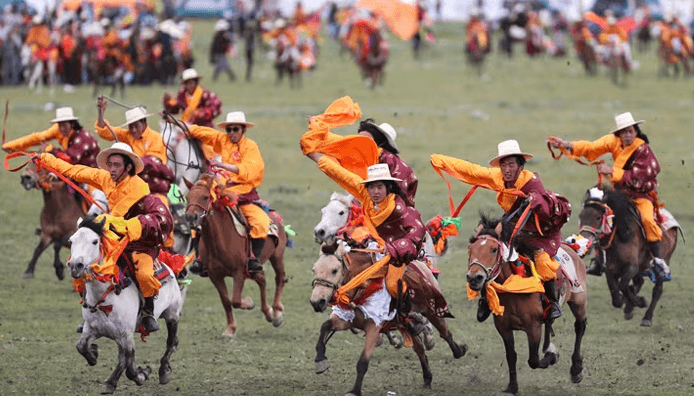
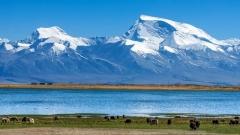
However, photography etiquette is crucial. While the festival is a public event, the participants are individuals practicing their culture, not paid models. Always ask for permission before taking close-up portraits, especially of monks or elders. A smile and a gesture toward your camera usually suffice, but respecting a refusal is mandatory. During sacred rituals or blessings, put the camera away entirely. When photographing the horse races, use fast shutter speeds to freeze the action of the galloping horses, or experiment with panning techniques to convey a sense of blistering speed. Capturing the wider landscape—the endless green steppes dotted with hundreds of colorful tents against the backdrop of snow-capped mountains—provides essential context to your images.
How Tibet Yulong Travel Can Enhance Your Experience
Navigating the complexities of high-altitude travel, securing permits, and accurately tracking the Nagqu horse racing festival dates and activities can be overwhelming for independent travelers. This is where professional guidance becomes invaluable. Tibet Yulong Travel specializes in crafting itineraries that connect visitors with the authentic heart of the Tibetan plateau. Their deep local knowledge ensures that travelers are informed well in advance about the confirmed Nagqu horse racing festival dates and activities, allowing for precise logistical planning.
Tibet Yulong Travel can arrange reliable transportation, secure comfortable accommodations whether in town hotels or curated nomadic tent stays, and provide knowledgeable guides who speak both Tibetan and English. These guides do more than translate; they explain the subtle nuances of the competitions, introduce you to local families, and ensure you navigate the festival grounds safely and respectfully. By partnering with Tibet Yulong Travel, you remove the stress of logistics and free yourself to fully immerse in the breathtaking spectacle of the event. Their expertise transforms a challenging journey into a seamless, culturally rich adventure, ensuring that every moment spent exploring the Nagqu horse racing festival dates and activities is memorable and meaningful.
Essential Packing List for the Festival
Because the Nagqu horse racing festival dates and activities fall during the summer monsoon transition, the weather is notoriously unpredictable. You might experience brilliant sunshine, heavy rain, and biting winds all within a single afternoon. Layering is the golden rule of packing for the Changtang grasslands.
Start with moisture-wicking base layers, add insulating mid-layers like fleece or down, and top it off with a waterproof, windproof outer shell. Sturdy, broken-in hiking boots are necessary for navigating the uneven terrain of the festival grounds. Sun protection is non-negotiable at 4,500 meters; bring high-SPF sunscreen, UV-blocking sunglasses, and a wide-brimmed hat. A reusable water bottle helps maintain hydration and reduces plastic waste. Finally, pack a basic medical kit including pain relievers, stomach medication, blister plasters, and any prescribed altitude sickness remedies. Being self-sufficient ensures that minor discomforts do not distract you from enjoying the Nagqu horse racing festival dates and activities.
Environmental Responsibility on the Grasslands
The Changtang grasslands are a fragile ecosystem, and the sudden influx of tens of thousands of people during the festival places significant pressure on the environment. As responsible travelers learning about the Nagqu horse racing festival dates and activities, it is our duty to minimize our ecological footprint. Carry out all trash, particularly plastics and batteries, as waste management infrastructure in remote areas is limited. Stick to established paths and avoid trampling sensitive vegetation. Respect the wildlife; the plateau is home to species like the Tibetan antelope and wild kiang, which should never be approached or disturbed. By practicing Leave No Trace principles, we help ensure that the pristine beauty of the Nagqu grasslands remains intact for future generations of nomads and travelers alike.
Attending this magnificent gathering is a privilege that offers profound insights into human adaptability and cultural preservation. By carefully researching the Nagqu horse racing festival dates and activities, preparing physically for the extreme altitude, and approaching the local customs with deep respect, travelers can partake in one of Asia’s last great nomadic traditions. The thundering hooves, the chanting monks, the warm hospitality inside the yak-hair tents, and the endless expanse of the Tibetan sky combine to create an experience that resonates long after you have descended from the plateau.