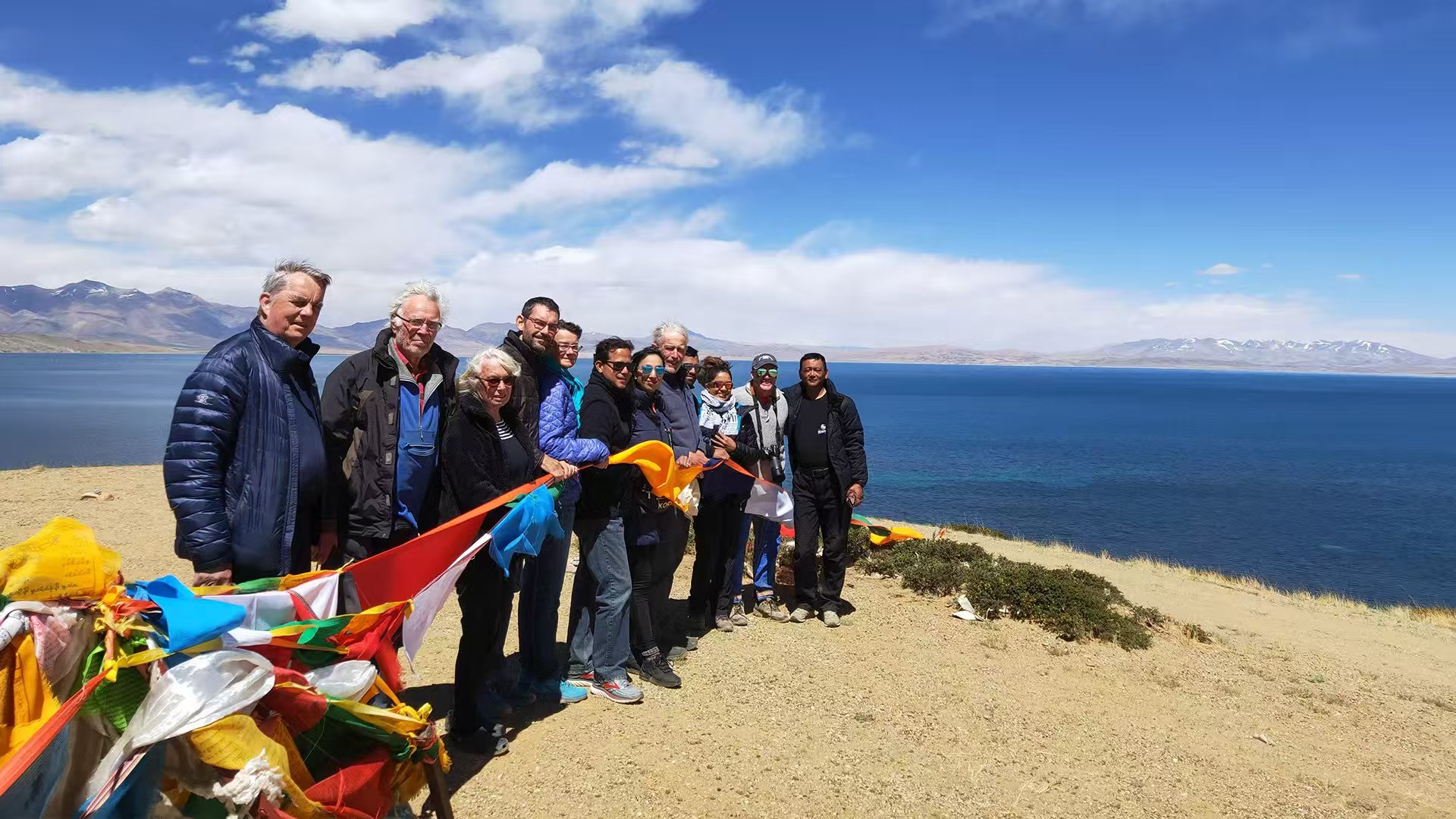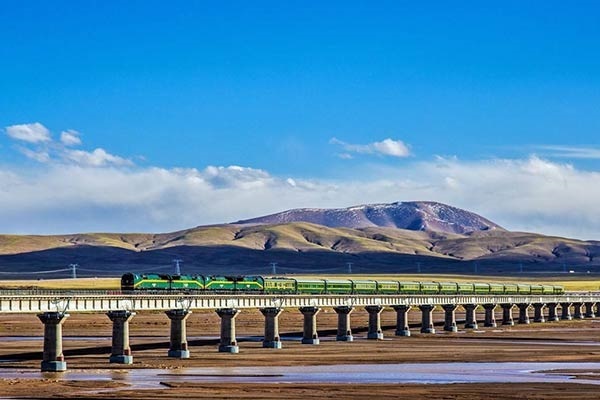

November marks the beginning of winter in Tibet, but it does not mean that the entire region is already covered in snow. In Lhasa and other central areas, sunny daytime conditions can still be comfortable, while the dry air and clear skies create excellent visibility. However, temperatures fall sharply after sunset, and high-altitude destinations such as Namtso and Ngari become increasingly difficult to access. For travelers who choose their destinations carefully, November can offer a quieter, more affordable, and surprisingly rewarding Tibet experience.
Key Points
- November is dry and clear across much of Tibet: The region averages about 24 clear days, with only around 10 mm of snowfall and a temperature range of -4°C to 12°C (25°F to 54°F).
- Central Tibet remains suitable for sightseeing: Lhasa averages -5°C to 16°C (23°F to 61°F), with around 25 clear days, while Shigatse averages -7°C to 14°C (19°F to 57°F).
- Everest Base Camp is cold but often exceptionally clear: Temperatures range from about -11°C to 9°C (12°F to 48°F), with approximately 20 clear days, making November favorable for mountain views.
- High-altitude northern and western Tibet become difficult: Ngari can fall to -14°C (7°F), while Namtso may begin freezing and Mount Kailash is generally unsuitable for November travel because of snow, extreme cold, and possible road closures.
What Is the Weather Like in Tibet in November?
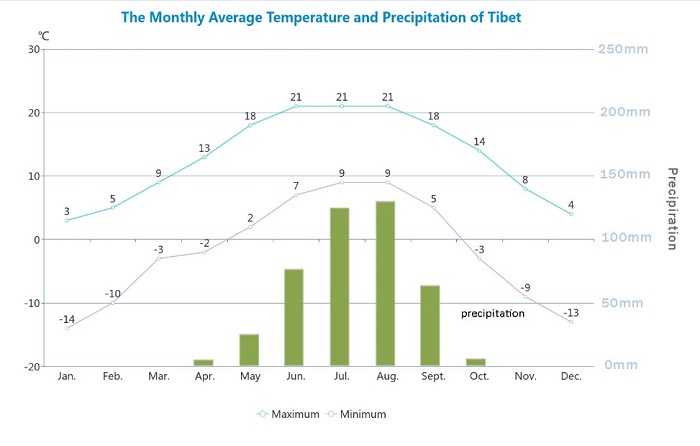
November is a transition period between autumn and winter. The rainy season has ended, and most of Tibet experiences dry air, strong sunshine, and remarkably clear skies. At the same time, temperatures begin to drop significantly, especially after sunset and in areas above 4,500 meters.
Across Tibet, historical November averages show temperatures ranging from approximately -4°C to 12°C (25°F to 54°F). The region receives only around 10 mm of snowfall over roughly two days, while there can be about 24 clear days during the month.
The contrast between daytime and nighttime is particularly noticeable. In Lhasa, for example, sunshine can make the afternoon feel pleasant, while temperatures fall below freezing after dark.
For international travelers, this means November is less about avoiding Tibet because of winter and more about choosing the right destinations and preparing properly for the cold.
Tibet Weather
November Weather in Major Tibet Destinations
Different parts of Tibet experience very different conditions in November. The following historical averages provide a useful overview:
| Destination | Temperature Range | Clear Days |
|---|---|---|
| Lhasa | -5°C to 16°C (23°F to 61°F) | 25 |
| Shigatse | -7°C to 14°C (19°F to 57°F) | 22 |
| Everest Base Camp | -11°C to 9°C (12°F to 48°F) | 20 |
| Nyingchi | 4°C to 18°C (39°F to 64°F) | 21 |
| Ngari | -14°C to 2°C (7°F to 36°F) | 13 |
These figures should be used as general travel references rather than precise forecasts. Weather can vary from year to year, particularly in remote, high-altitude regions.
Lhasa Weather in November
Lhasa is one of the best places to visit in Tibet during November. The city can experience temperatures from approximately -5°C to 16°C (23°F to 61°F), but the strong daytime sunshine often makes the afternoon feel much warmer.
With approximately 25 clear days in the month, November provides excellent conditions for sightseeing around the Potala Palace, Jokhang Temple, Barkhor Street, Sera Monastery, and other cultural attractions.
Rain is uncommon, and the dry weather makes outdoor sightseeing more comfortable than the temperature figures alone might suggest. The main challenge is the sharp temperature difference between day and night.
Most visitors spend their evenings in hotels or restaurants, so the daytime conditions are more important for sightseeing. Nevertheless, warm clothing is essential for early-morning visits and evening walks.
Shigatse Weather in November
Shigatse is slightly colder than Lhasa. Temperatures range from approximately -7°C to 14°C (19°F to 57°F), with around 22 clear days.
The dry weather is particularly favorable for exploring Tashilhunpo Monastery and the surrounding areas. The reduced tourist numbers also mean that November visitors can experience Shigatse’s cultural attractions at a slower pace.
If your itinerary continues from Lhasa toward Everest Base Camp, Shigatse is an important stop for acclimatization and preparation before traveling to higher elevations.
Nyingchi Weather in November
Nyingchi is the warmest of the major destinations listed above, with temperatures ranging from approximately 4°C to 18°C (39°F to 64°F).
Its relatively mild conditions are largely associated with its lower elevation and forested valleys. While much of the Tibetan Plateau becomes increasingly barren in November, Nyingchi can retain impressive autumn colors well into the month.
Chase The Last Autumn Colors
November can be one of the final opportunities to experience autumn scenery in Nyingchi before winter fully arrives.
Basum Tso and the Lulang Forest area are particularly attractive. Golden and orange foliage contrasts with snow-covered mountains, clear lakes, and deep blue skies.
Another highlight is Mount Namcha Barwa. The dry November atmosphere can provide excellent visibility, increasing the chance of seeing the mountain clearly and potentially catching its famous golden glow around sunset.
For travelers interested in photography and landscapes rather than extreme high-altitude trekking, Nyingchi is one of the strongest choices for November. A stay of around three days allows enough time to explore the region without rushing between scenic areas.
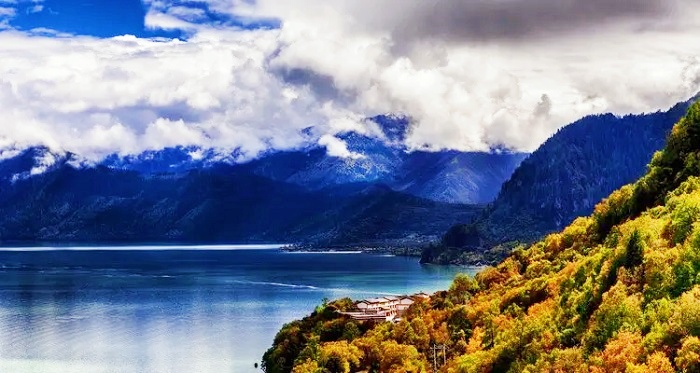
Autumn in Basum Tso Lake
Everest Base Camp Weather in November
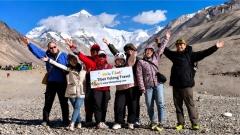
November is cold at Everest Base Camp, but it can offer some of the clearest views of Mount Everest.
Temperatures range from approximately –11°C to 9°C (12°F to 48°F), and the area averages around 20 clear days. Snowfall is limited compared with the deeper winter months, while the dry atmosphere often produces excellent visibility.
The most memorable moment can come around sunset, when the last sunlight illuminates the summit and surrounding Himalayan peaks.
However, the temperature drops rapidly after sunset. Anyone planning to stay outside for sunset should bring a heavy down jacket, thermal layers, gloves, a hat, and warm footwear.
Because Everest Base Camp sits at approximately 5,200 meters, both the cold and altitude can be physically demanding. Rather than staying overnight at the base camp itself, travelers can consider accommodation in Tashizong (Everest Town), roughly 50 kilometers away, where conditions are generally more comfortable.
Is Namtso Lake Open in November?
Namtso becomes increasingly difficult to visit in November.
As temperatures fall, the lake begins to freeze and snowfall becomes more likely. Ice and snow can affect roads, and sudden weather changes may result in unexpected travel disruptions.
If Namtso is an important part of your itinerary, check road conditions before departure and allow flexibility in your schedule.
November is therefore not the most reliable month for a Namtso trip. Travelers should avoid assuming that clear weather in Lhasa means the road to Namtso will also be clear.
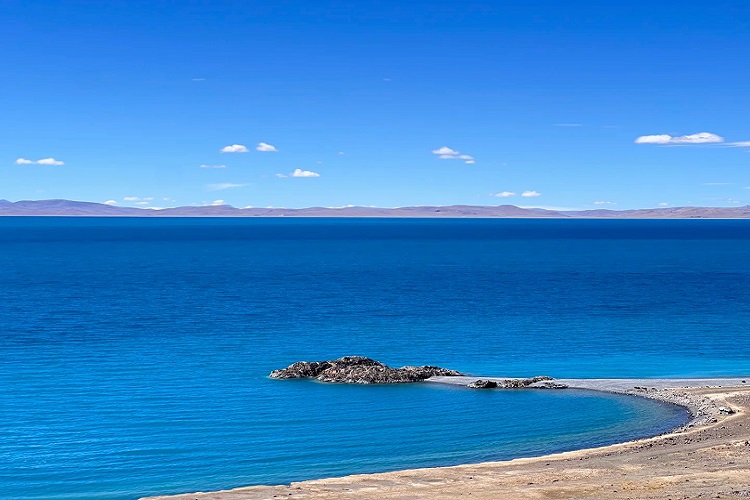
Namtso Lake
Can You Visit Mount Kailash in November?
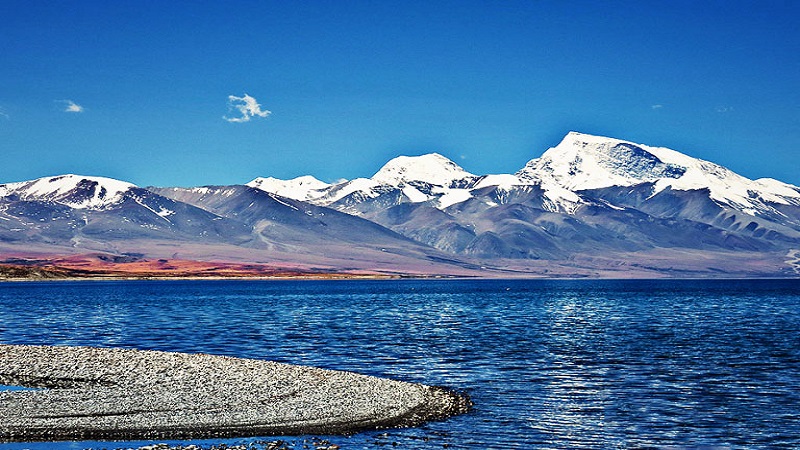
Mount Kailash and the wider Ngari region are generally not suitable for international tourist trips in November.
Ngari has some of the harshest November conditions in Tibet, with temperatures ranging from approximately -14°C to 2°C (7°F to 36°F) and only around 13 clear days on average.
Snowfall, freezing temperatures, and difficult road conditions can make transportation and trekking increasingly unreliable.
For travelers whose main goal is the Mount Kailash kora, it is better to plan the journey during a warmer season rather than trying to force a November itinerary.
What Can You Do in Tibet in November?
Although some remote destinations become inaccessible, November still offers plenty of worthwhile experiences.
Explore Lhasa Without Summer Crowds
November is part of Tibet’s low travel season. Major attractions such as the Potala Palace and Jokhang Temple are generally much quieter than during the summer peak.
This allows travelers to spend more time exploring monasteries, photographing traditional Tibetan architecture, and walking through the old streets without the same level of crowding.
The combination of clear blue skies and low visitor numbers can make November particularly attractive for travelers who prefer a slower cultural experience.
See Mount Everest Under Clear Skies
For travelers who are properly prepared for the cold, Everest Base Camp can be one of November’s highlights.
The combination of approximately 20 clear days and limited precipitation creates favorable conditions for viewing Mount Everest. The dry atmosphere can also provide excellent photographic clarity.
Experience Nyingchi’s Autumn Landscape
Nyingchi offers an entirely different side of Tibet. Forests, lakes, valleys, and snow-covered mountains create a landscape that contrasts sharply with the barren high plateau.
November is particularly appealing for travelers who want autumn scenery and relatively mild temperatures.
Explore The Changtang Grassland
For adventurous travelers, November can also be a fascinating time to explore the Changtang Grassland.
The grasslands have turned golden, while winter approaches across the northern plateau. Depending on the route and conditions, travelers may encounter Tibetan antelopes, wild yaks, kiangs, and domestic herds.
This is a remote experience involving long drives and challenging conditions, so it is better suited to travelers who are comfortable with basic facilities and extended time on the road.
Tibet Travel Costs and Crowds in November
One of November’s biggest advantages is the low-season atmosphere.
Popular attractions are generally quieter, accommodation can be substantially cheaper than during the peak season, and transportation may be easier to arrange.
According to the information provided for this itinerary, Tibet’s winter tourism period from November 1 to March 15 also includes significant scenic-area discounts. Many A-level scenic areas, excluding temples, offer free admission during this period, including major destinations such as Everest Base Camp and Namtso Lake.
This can make November an attractive option for travelers who prioritize value.
However, winter discounts do not mean every destination is equally accessible. A lower entrance fee is of little benefit if snowfall or road conditions prevent you from reaching the attraction, so itinerary planning remains important.
What Should You Wear in Tibet in November?
The key to staying comfortable in Tibet in November is layering.
A practical clothing system includes a thermal base layer, fleece or down mid-layer, and a windproof outer jacket. At Everest Base Camp and other high-altitude destinations, a thick down jacket is strongly recommended.
You should also bring:
- Thermal underwear for cold mornings and nights
- A fleece jacket or down vest
- Windproof and waterproof outerwear
- Warm hat, gloves, and scarf
- Sturdy waterproof hiking boots
- Warm socks
- Sunglasses
- High-SPF sunscreen
- Lip balm and moisturizer
The UV index remains very high at high altitude, even when the air feels freezing. Snow and ice can also reflect sunlight, making sunglasses and sunscreen particularly important.
If you visit Nyingchi, you may need fewer heavy layers during the daytime, but always keep a warm jacket available for mornings and evenings.
Altitude Sickness and November Travel
Cold weather can make high-altitude travel feel more demanding, particularly when combined with reduced oxygen levels.
Lhasa sits at approximately 3,650 meters, while Everest Base Camp is around 5,200 meters. Namtso is also located at a very high elevation.
For this reason, it is advisable to spend at least two full days in Lhasa before traveling to higher areas. During the initial acclimatization period, avoid strenuous exercise, alcohol, and unnecessary physical exertion.
Travelers who are particularly concerned about altitude can consider a route that includes Nyingchi. At around 3,000 meters, it is considerably lower than many other Tibetan destinations and offers a milder environment.
If you experience serious or worsening symptoms at altitude, do not simply assume that they are part of normal acclimatization. Inform your guide and seek appropriate medical assistance.
Is November a Good Time to Visit Tibet?
November can be an excellent month for the right type of Tibet trip. If you want quiet monasteries, clear skies, lower travel costs, Lhasa sightseeing, Nyingchi autumn scenery, or a potentially spectacular view of Mount Everest, November has considerable advantages.
The main limitation is that Tibet’s weather becomes increasingly severe as altitude increases. Ngari, Mount Kailash, and potentially Namtso should not be treated like ordinary November sightseeing destinations.
For most international travelers, a well-planned November itinerary should focus on Lhasa, Shigatse, Nyingchi, and carefully selected Everest routes, while allowing flexibility for high-altitude road conditions.
Plan Your November Tibet Trip With Tibet Yulong Travel
Tibet Yulong Travel can help international travelers plan a November itinerary around actual seasonal conditions rather than simply following a standard summer route. We can arrange transportation, accommodation, local guides, Tibet travel permits, and customized routes covering destinations such as Lhasa, Shigatse, Nyingchi, and Everest Base Camp.
For November trips, we particularly recommend discussing the altitude, road conditions, and seasonal accessibility of each destination before finalizing your itinerary. This helps you enjoy the advantages of Tibet’s quiet winter season while avoiding unnecessary risks caused by extreme weather.