
October marks the transition from Tibet’s mild autumn into the colder season. For travelers, it can be an excellent month for clear skies, low rainfall, and spectacular mountain views, but conditions vary sharply by altitude and region. Lhasa, Shigatse, and Yamdrok Lake can still be comfortable during the day, while Everest Base Camp, Namtso, and Mount Kailash become increasingly cold and may experience snow or road closures later in the month.
Key Takeaways
- October is generally dry and clear across Tibet, with average precipitation ranging from just 2 mm in Ngari to 41 mm in Nyingchi, while average humidity is around 38.8%.
- Lhasa remains relatively comfortable during the day, averaging 17°C (63°F) at its warmest and 2°C (36°F) at night, making early October particularly suitable for sightseeing.
- High-altitude destinations become much colder, with Mount Everest averaging about -7°C to 12°C (19°F–54°F) and Mount Kailash around -8°C to 6°C (18°F–43°F).
- Early October is the safest window for visiting Namtso and Mount Kailash, while mid-to-late October brings increasing snowfall, freezing temperatures, and possible road disruptions.
What Is Tibet Weather Like in October?
October is one of the driest months in Tibet. By this time, the summer monsoon has largely disappeared, while the stronger winter winds that typically arrive in November have not yet fully developed. The result is generally sunny weather, low humidity, little rain, and excellent visibility.
The biggest factor to remember is altitude. Tibet is not a single climate zone, and temperatures can differ dramatically between Lhasa and remote areas such as Ngari or Namtso. Daytime sunshine can make lower-altitude cities feel pleasantly warm, but temperatures fall rapidly after sunset.
In central Tibet, including Lhasa, Shigatse, Nyingchi, and Shannan, daytime highs generally remain around 15–18°C (59–64°F). At night, temperatures can fall close to freezing. In the colder regions of Nagqu and Ngari, average temperatures can range from -6°C to 8°C and -15°C to 2°C, respectively.
October is therefore best understood as a comfortable sightseeing month in central Tibet but an increasingly cold travel month in high-altitude areas.
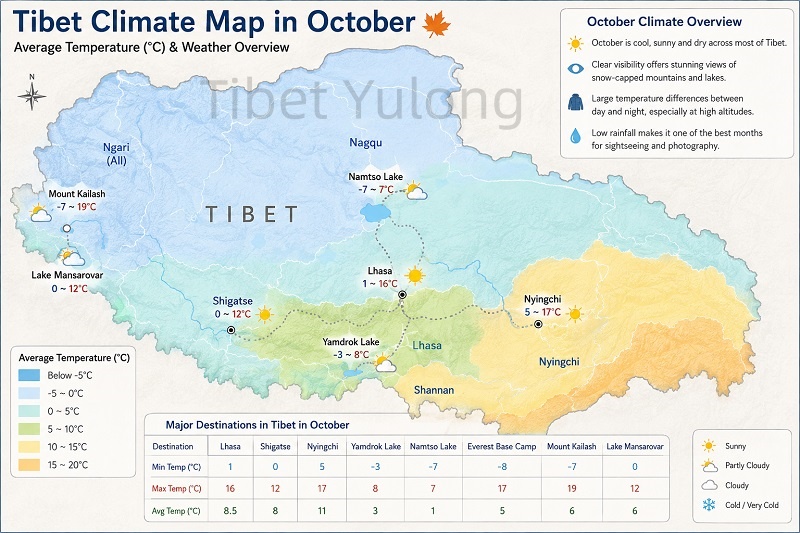
Tibet Weather In October
Tibet Weather Data for October
The following historical figures provide a useful overview of conditions across major areas of Tibet:
| City | High | Low | Rainfall | Humidity |
|---|---|---|---|---|
| Lhasa | 17°C | 2°C | 8 mm | 33% |
| Shigatse | 15°C | -2°C | 4 mm | 32% |
| Nyingchi | 17°C | 5°C | 41 mm | 58% |
| Shannan | 18°C | 3°C | 8 mm | 33% |
| Nagqu | 8°C | -6°C | 20 mm | 49% |
| Ngari | 2°C | -15°C | 2 mm | 22% |
These figures are based on historical weather data and should be treated as general reference rather than a forecast. Actual conditions can vary from year to year.
The data also show why travelers should not rely on the weather in Lhasa when preparing for an Everest, Namtso, or Mount Kailash trip. A warm afternoon in Lhasa does not mean that conditions will be similar at 5,000 meters.
Lhasa Weather in October
Lhasa is one of the most comfortable destinations in Tibet in October. The average high is around 17°C (63°F), while the average low falls to approximately 2°C (36°F). Rainfall is minimal at about 8 mm, and humidity averages only 33%.
The combination of dry weather and clear skies makes October excellent for exploring attractions such as the Potala Palace, Jokhang Temple, Sera Monastery, and Barkhor Street.
During the day, sunlight can make the weather feel considerably warmer than the actual air temperature. However, mornings and evenings are cold, so visitors should bring warm layers rather than relying entirely on lightweight clothing.
October also offers good photographic conditions. With less rainfall and fewer clouds, the intense blue Tibetan sky creates a striking backdrop for Lhasa’s historic monasteries and mountain scenery.
Shigatse and Shannan in October
Shigatse and Shannan are also favorable destinations in October. Shigatse has an average high of 15°C (59°F) and an average low of around -2°C (28°F), with only about 4 mm of precipitation.
Shannan is slightly warmer, averaging 18°C (64°F) during the day and 3°C (37°F) at night. Its historical rainfall is approximately 8 mm.
These conditions are particularly suitable for cultural sightseeing. Travelers can explore Tashilhunpo Monastery in Shigatse or visit the Yarlung Valley and historic sites around Shannan without dealing with the heavy summer rains.
However, early mornings can already feel distinctly wintry, especially when traveling outside urban areas.
Nyingchi Weather in October
Nyingchi is one of the relatively warmer and wetter parts of Tibet in October. Temperatures typically range from around 5°C to 17°C (41°F–63°F), while average precipitation reaches approximately 41 mm.
Although this is still considerably drier than the summer monsoon season, Nyingchi receives more rainfall than most other major Tibetan destinations.
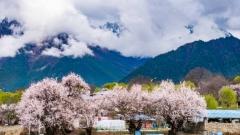
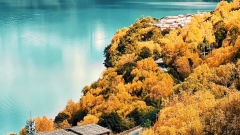
The lower altitude and forested landscape give Nyingchi a noticeably different climate from the high plateau around Lhasa and Ngari. October is a beautiful period to experience the changing colors of the forests and the dramatic contrast between autumn vegetation and snow-covered mountain peaks.
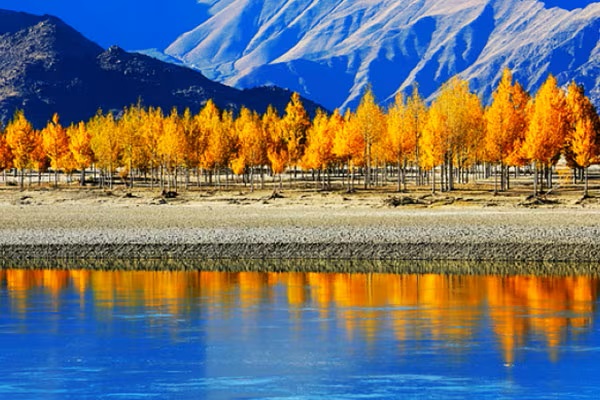
Nyingchi in October
Mount Everest Weather in October
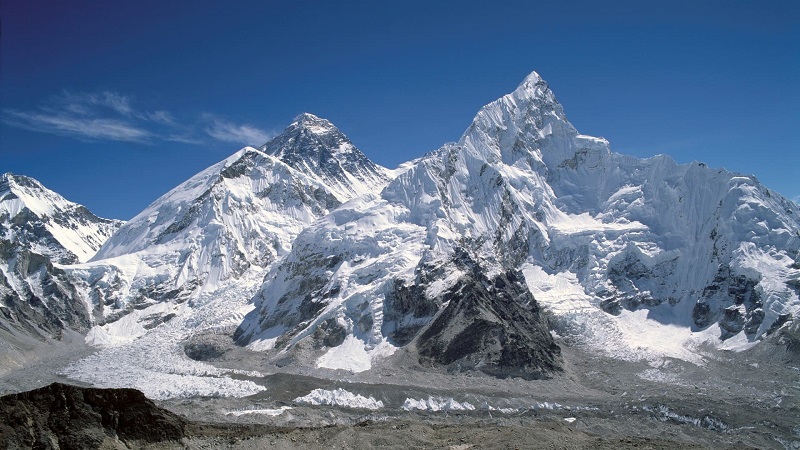
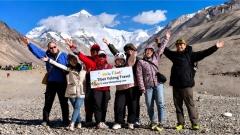
October is one of the most attractive months to visit the Tibetan side of Mount Everest because the monsoon has largely ended. Clear skies and low rainfall often provide excellent visibility of the world’s highest mountain.
However, conditions at Everest Base Camp are much colder than in Lhasa. Temperatures can range from approximately -7°C to 12°C (19°F–54°F).
During the daytime, sunshine can make sightseeing relatively comfortable, but temperatures fall rapidly after sunset. At night, a heavy down jacket or similar insulated outer layer becomes essential.
October is particularly appealing for photographers because the reduced cloud cover can reveal the summit and surrounding Himalayan peaks with remarkable clarity.
For travelers planning an Everest Base Camp trip, it is important to prepare for strong sunlight during the day and freezing conditions after dark.
Mount Kailash Weather in October
Mount Kailash becomes increasingly cold in October. Temperatures can range from approximately -8°C to 6°C (18°F–43°F), and snowfall normally begins to become more frequent during the month.
The first ten days of October can still be suitable for travelers who want to visit Mount Kailash. Conditions become considerably more difficult from mid-October onward as temperatures fall and snow and ice become more common.
This is particularly important for travelers planning the Mount Kailash kora. The route reaches high mountain passes where cold, wind, snow, and thin air can make walking physically demanding.
October is also a different kind of travel season around Mount Kailash. Many of the people encountered during this period may be Tibetan pilgrims rather than conventional international tourists, as pilgrimage to the sacred mountain continues even when the weather becomes challenging.
Yamdrok Lake Weather in October
Yamdrok Lake is one of the easier high-altitude lake destinations to visit from Lhasa. In October, temperatures around the lake can range from approximately 2°C to 18°C (36°F–64°F).
Rainfall is rare, and the skies are often exceptionally clear. The combination of deep-blue water, dry autumn landscapes, and snow-covered Mount Nojin Kangsang creates some of the most memorable scenery of the season.
The surrounding vegetation gradually turns brown as autumn advances, creating a striking contrast with the turquoise-blue lake.
For travelers who want to experience a Tibetan sacred lake without traveling deep into the western plateau, Yamdrok Lake is one of the strongest choices for an October itinerary.
Namtso Lake Weather in October
Namtso is a very different story.
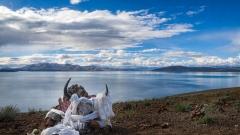
Located at a high elevation, Namtso becomes extremely cold in October. Temperatures can fall to approximately -15°C (5°F), while daytime highs remain in the low single digits.
The first part of October can still offer an opportunity to visit, particularly during the first ten days. However, conditions deteriorate as the month progresses. Snowfall becomes increasingly likely, and icy roads can make transportation difficult or even result in a trip being cancelled.
For this reason, early October is considerably more suitable than mid- or late October for Namtso.
If Namtso is an important part of your Tibet itinerary, it is wise to keep some flexibility in your schedule and check road and weather conditions before departure.
Is October a Good Time to Visit Tibet?
For many travelers, yes—but the timing within October matters.
The first half of October offers a particularly attractive combination of dry weather, clear skies, and manageable temperatures in central Tibet. It is an excellent period for visiting Lhasa, Shigatse, Shannan, and Yamdrok Lake, while Everest Base Camp can also offer outstanding mountain visibility.
The situation changes when traveling to the highest and most remote areas. Namtso and Mount Kailash become progressively colder, and snowfall can affect roads and trekking routes.
Therefore, if your priority is culture, monasteries, photography, and sightseeing, October can be an excellent choice. If your priority is Mount Kailash, Namtso, or other high-altitude trekking, early October is preferable to the latter part of the month.
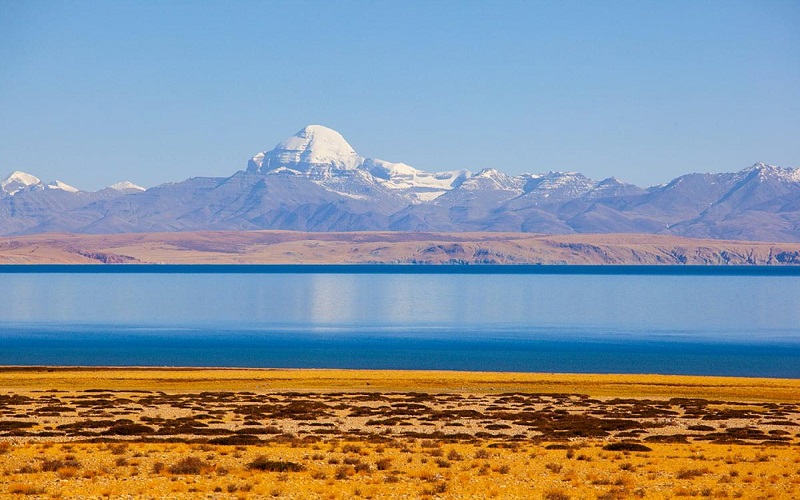
Mount Kailash
What Should You Pack for Tibet in October?
Packing for October requires more preparation than traveling to Tibet in summer. The most useful approach is to dress in layers so that you can adjust your clothing as temperatures change throughout the day.
For Lhasa and other central areas, bring warm trousers, long-sleeved shirts, a fleece or sweater, and a warm jacket. For Everest Base Camp, Namtso, or Mount Kailash, you should add a thick down jacket, thermal base layers, warm gloves, a hat, and insulated footwear.
The dry Tibetan air also requires attention. Historical humidity can fall as low as 22% in Ngari, while the average across the region is around 38.8%. Lip balm, moisturizer, and sufficient drinking water are therefore useful.
Strong sunlight remains another important consideration. Even when the temperature feels cold, the high-altitude sun can be intense. Sunglasses, sunscreen, and a hat should remain part of your daily travel kit.
If you plan to trek, comfortable waterproof hiking shoes and trekking poles are also recommended.
Is October Suitable for a Tibet Everest or Kailash Tour?
It depends heavily on the itinerary.
An Lhasa–Shigatse–Everest Base Camp journey can be particularly rewarding in early and mid-October because of the dry weather and excellent mountain visibility. However, you still need warm clothing for the nights at Everest Base Camp.
A Mount Kailash and Manasarovar journey is more weather-sensitive. The first ten days of October may still be feasible, but later in the month the increasing cold and snowfall make the journey substantially more challenging.
If you are considering a high-altitude Tibet trip in October, a local travel agency can also help monitor road conditions and adjust the itinerary when necessary.
Travel Tibet in October with Tibet Yulong Travel
For international travelers, Tibet Yulong Travel can help organize October Tibet journeys based on the season, altitude, and destinations you want to visit. We can arrange Tibet travel permits, transportation, accommodation, local guides, and customized itineraries for destinations such as Lhasa, Everest Base Camp, Mount Kailash, Manasarovar, and the major sacred lakes.
Because October conditions can change quickly in high-altitude areas, we also recommend building reasonable flexibility into itineraries that include Namtso, Mount Kailash, or Everest Base Camp. The goal is not simply to reach each destination, but to make the journey safer, more comfortable, and more enjoyable.
Frequently Asked Questions About Tibet Weather in October
Is October a good month to visit Tibet?
Yes. October is generally dry and sunny, with little rainfall and excellent visibility. Early October is especially favorable for most sightseeing trips.
How cold is Tibet in October?
It depends on the destination. Lhasa averages 17°C during the day and 2°C at night, while Mount Everest can range from -7°C to 12°C and Mount Kailash from -8°C to 6°C.
Can I visit Everest Base Camp in October?
Yes. October is one of the better months for visiting the Tibetan side of Everest because rainfall is minimal and skies are often clear. However, nighttime temperatures can fall well below freezing.
Can I visit Namtso in October?
Yes, particularly during the first 10 days of October. Mid- and late October are less reliable because snowfall and icy road conditions become increasingly likely.
Can I visit Mount Kailash in October?
Early October can still be possible, but conditions become increasingly cold and snowy later in the month. Travelers planning a kora should be prepared for severe high-altitude conditions.
Does it snow in Tibet in October?
Snow is uncommon in many central areas during early October, but snowfall becomes more frequent in high-altitude regions such as Ngari and around Mount Kailash and Namtso.