
The Tibetan people have developed one of the world’s most distinctive cultures in one of its most demanding environments. Shaped by the high-altitude Tibetan Plateau, Tibetan society has long been influenced by Buddhism, pastoral traditions, family values, trade, and a deep relationship with the natural landscape. For international visitors, learning about Tibetan people offers a richer way to understand the monasteries, festivals, food, clothing, pilgrimage routes, and everyday life encountered during a journey through Tibet.
Key Takeaways
- Tibetans are an indigenous ethnic group whose cultural homeland is centered on the Tibetan Plateau.
- Tibetan communities also live in parts of Qinghai, Sichuan, Gansu, Yunnan, Nepal, India, and Bhutan.
- Tibetan languages include several major regional varieties, reflecting the geographic diversity of the plateau.
- Tibetan Buddhism has profoundly influenced religion, art, architecture, customs, and everyday life.
- Practices such as kora (circumambulation) and prostration remain important forms of religious devotion.
- Jokhang Temple and Mount Kailash are among the most important pilgrimage destinations for Tibetan Buddhists.
- Family, community, hospitality, and respect for elders remain important aspects of Tibetan social life.
Who Are the Tibetan People?
Tibetans are an ethnic group indigenous to the Tibetan Plateau, a vast high-altitude region stretching across what is today Tibet and neighboring areas. Their history, traditions, language, and spiritual practices have developed over many centuries in an environment characterized by high mountains, wide grasslands, cold winters, and relatively limited agricultural land.
Tibetan cultural identity is closely connected to the landscape. Mountains, lakes, rivers, grasslands, and monasteries are not simply geographical features; many carry religious or historical meaning. This connection is particularly evident when traveling through western Tibet, where sacred mountains and lakes form an important part of pilgrimage traditions.
Traditional Tibetan historical narratives also contain fascinating origin stories. One well-known Tibetan Buddhist legend describes the Tibetan people as descendants of the compassionate bodhisattva monkey Pha Trelgen Changchup Sempa and the rock ogress Ma Drag Sinmo. Such stories are part of Tibet’s rich religious and cultural heritage and illustrate how mythology, spirituality, and identity have long been intertwined.
Today, Tibetan society is not limited to traditional pastoral communities. Tibetans live in cities and rural areas, work in tourism, education, commerce, agriculture, transportation, and many other professions, and participate in modern life while continuing to preserve important aspects of their cultural heritage.
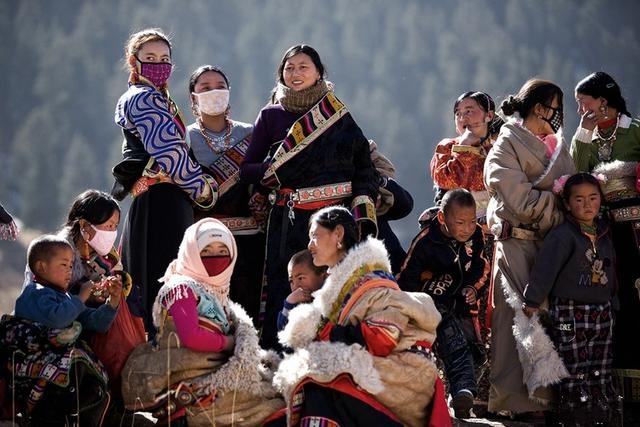
Tibetan People
Where Do Tibetan People Live?
Although Tibet is the heartland of Tibetan culture, Tibetan communities are found well beyond the boundaries of the Tibet Autonomous Region. Significant Tibetan-populated areas exist in Qinghai, Sichuan, Gansu, and Yunnan, particularly in regions historically connected with Tibetan cultural and linguistic areas.
There are also Tibetan communities in neighboring countries, including Nepal, India, and Bhutan. Ladakh in northern India, for example, shares many cultural and religious traditions with the Tibetan world, while Bhutan has its own closely related Himalayan Buddhist heritage.
For travelers, this means Tibetan culture can be encountered in several parts of Asia. However, different regions have developed their own customs, dialects, architecture, cuisine, and artistic traditions. It is therefore better to think of Tibetan culture as a diverse cultural world rather than a completely uniform tradition.
For international visitors specifically interested in experiencing Tibetan life, traveling through Tibet itself provides an opportunity to see how religion, landscape, architecture, food, and everyday life come together in their original high-altitude setting.
Tibetan Language And Regional Dialects
Language is one of the most important elements of Tibetan cultural identity. Tibetan belongs to the broader Tibeto-Burman branch of the Sino-Tibetan language family, and different regions have developed distinct spoken varieties.
The Tibetan written language provides an important cultural link between communities separated by enormous distances. Its long literary tradition preserves religious texts, historical records, poetry, medicine, philosophy, and other forms of knowledge.
Spoken Tibetan, however, varies considerably from place to place. Lhasa Tibetan is widely used as an important standard variety, while Kham and Amdo Tibetan represent major regional linguistic traditions. Other varieties are spoken in Tibetan cultural regions of Sichuan, Qinghai, Gansu, Yunnan, Nepal, Bhutan, and India.
Visitors should not be surprised if the Tibetan language they hear in one region sounds very different from what they encounter elsewhere. The geographic isolation created by the plateau’s mountains and valleys contributed to this linguistic diversity.
Tibetan Buddhism And Everyday Life
Religion is perhaps the most visible influence on traditional Tibetan culture. Tibetan Buddhism has shaped Tibetan philosophy, art, architecture, festivals, literature, pilgrimage, and everyday customs for centuries.
Monasteries and temples are important religious centers, but spirituality is not confined to religious buildings. Prayer wheels, mani stones, prayer flags, incense, sacred images, and devotional practices can be encountered in villages, towns, mountain passes, and along pilgrimage routes.
For many Tibetans, religious practice is integrated into ordinary life. People may pray before important events, visit monasteries for blessings, turn prayer wheels while walking, or recite mantras during daily activities.
This relationship between religion and daily life is particularly meaningful for visitors who travel beyond the major tourist attractions. Watching local pilgrims quietly circumambulate a temple or spin prayer wheels can provide a more authentic understanding of how spirituality functions within Tibetan society.
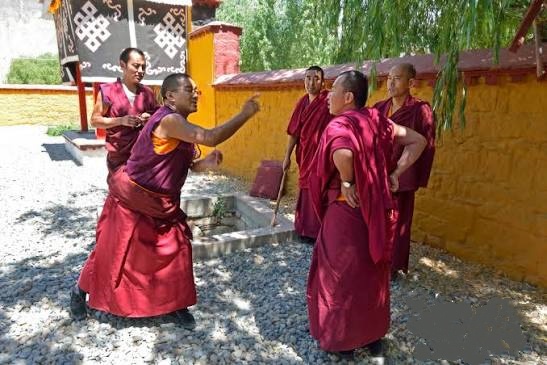
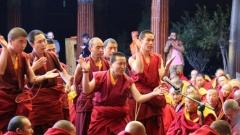
Tibetan Monk Debating
Kora And Prostration of Tibetan People
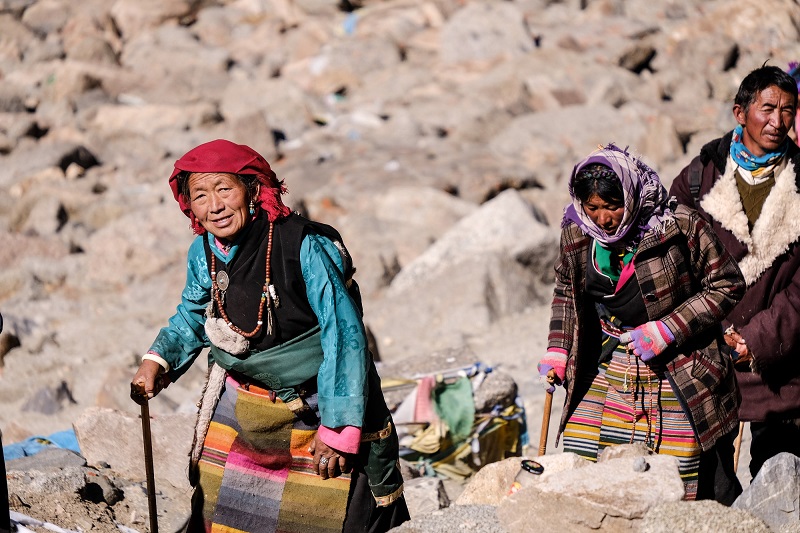
One of the most distinctive practices visitors may encounter in Tibet is kora, the ritual circumambulation of a sacred site. Pilgrims walk clockwise around temples, monasteries, mountains, lakes, or other holy places while praying or reciting mantras.
The purpose of a kora is not simply physical movement. For believers, it can represent devotion, purification, the accumulation of merit, and a spiritual journey.
Mount Kailash is perhaps the most famous example. The Kailash Kora attracts pilgrims from different religious traditions, and completing the circuit is considered a deeply meaningful spiritual undertaking.
Another striking practice is full-body prostration. Pilgrims may repeatedly kneel, place their hands together, lower themselves to the ground, stand, and repeat the movement while progressing toward a sacred destination. Some undertake extremely long journeys in this manner.
For international travelers, these practices are best observed respectfully rather than treated merely as photographic subjects. They are expressions of personal faith and should be approached with sensitivity.
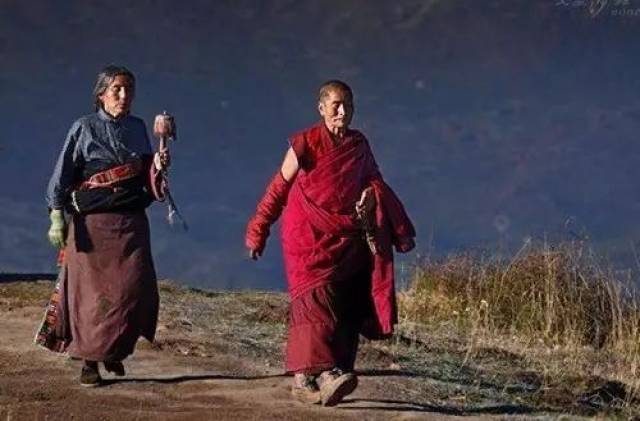
Kora of Tibetan People
Jokhang Temple And Mount Kailash Kora
Among Tibet’s many sacred places, Jokhang Temple in Lhasa occupies a particularly important position in Tibetan Buddhist tradition. Located in the historic center of Lhasa, the temple is closely associated with the Jowo Rinpoche statue and attracts pilgrims throughout the year.
Visitors may see Tibetans performing kora around the temple, turning prayer wheels, making offerings, or prostrating themselves outside. These activities demonstrate how religious practice remains part of everyday life rather than being something confined to formal ceremonies.
Farther west, Mount Kailash represents another major center of pilgrimage. The mountain is sacred to Tibetan Buddhists as well as followers of Bon, Hinduism, and Jainism. Its distinctive shape and remote location have contributed to its powerful spiritual and cultural reputation.
The journey to Mount Kailash also reveals another side of Tibetan culture. Pilgrimage routes pass through remote settlements, monasteries, grasslands, and high mountain landscapes, allowing travelers to see how people have adapted to one of the world’s most challenging environments.
Mount Kailash Kora
Tibetan Beliefs About Death And Rebirth
Death and rebirth occupy an important place in Tibetan Buddhist thought. Rather than viewing death simply as the end of existence, Tibetan Buddhist traditions understand it as part of a larger cycle influenced by karma and spiritual development.
Ideas about compassion, ethical conduct, meditation, and accumulated merit therefore influence how life and death are understood. Religious ceremonies surrounding death can be highly significant for families and communities.
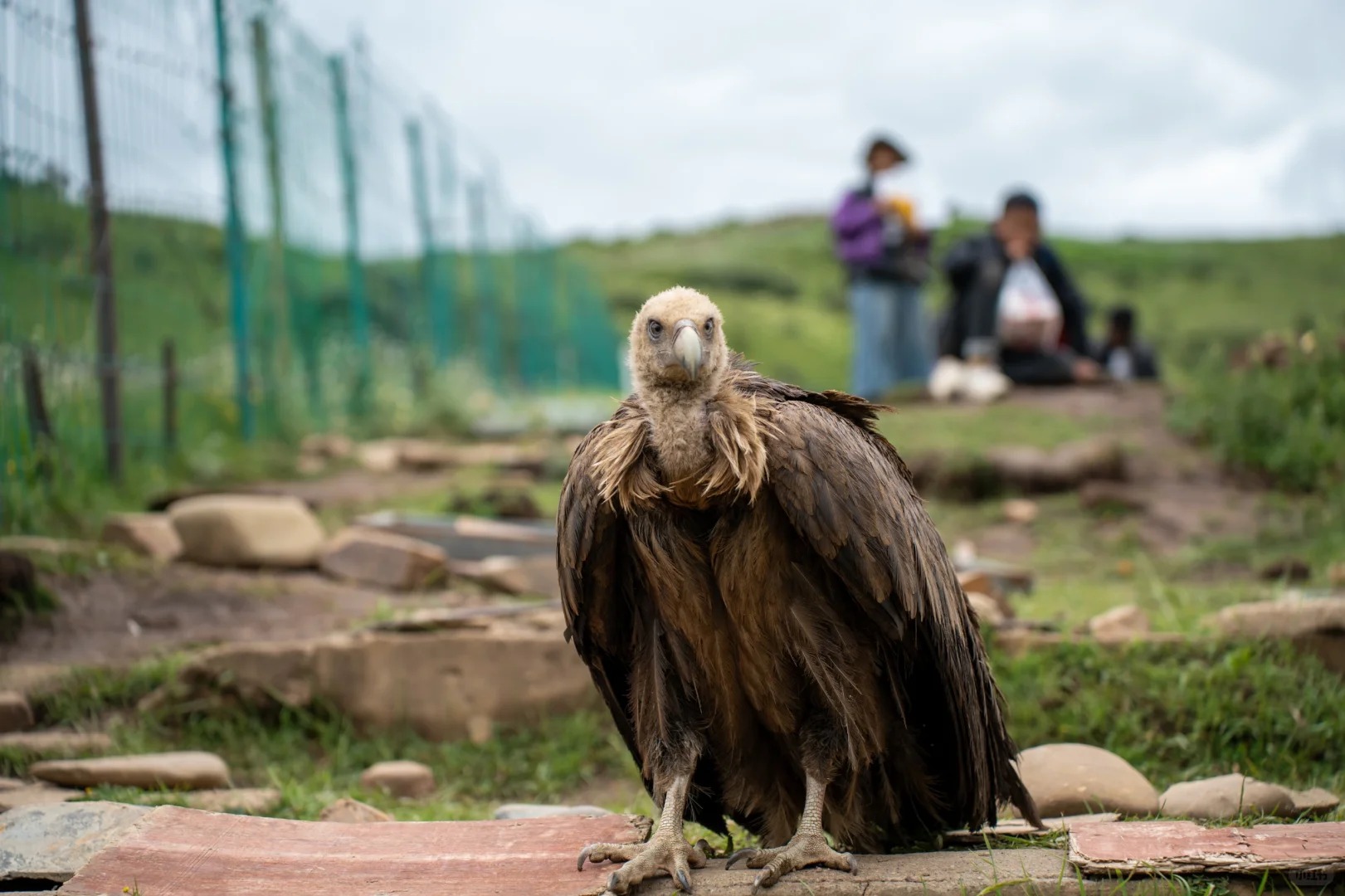
Tibet is also associated with distinctive funeral traditions, including sky burial. However, visitors should understand that such practices are religiously and culturally sensitive. They should never be treated as entertainment or approached without permission.
For travelers, the most appropriate response is respect. Photography, filming, and visits to sensitive religious ceremonies should always follow local rules and the guidance of local people or guides.
Traditional Tibetan Nomadic Life
The Tibetan Plateau is one of the highest inhabited regions on Earth, and its geography has historically shaped how people make a living. In many areas, particularly the vast grasslands of northern and eastern Tibet, pastoral nomadism developed as an effective way to use the available environment.
Traditional nomadic communities moved with their livestock according to seasonal grazing conditions. Yaks, sheep, goats, and horses were particularly important. Yaks provided milk, meat, butter, wool, transportation, and other essential resources.
Traditional yak-hair tents could be assembled and moved as families followed seasonal pasture. This lifestyle required extensive knowledge of weather, grasslands, water sources, animals, and mountain routes.
Modern Tibetan society has changed considerably, and many former nomadic families now live in permanent settlements or combine pastoral activities with other forms of employment. Nevertheless, the cultural memory of nomadic life remains an important part of Tibetan identity.
Highland Barley And Tibetan Food
Food is another excellent way for international visitors to understand Tibetan culture. The high altitude and climate limit the range of crops that can be grown, making highland barley particularly important.
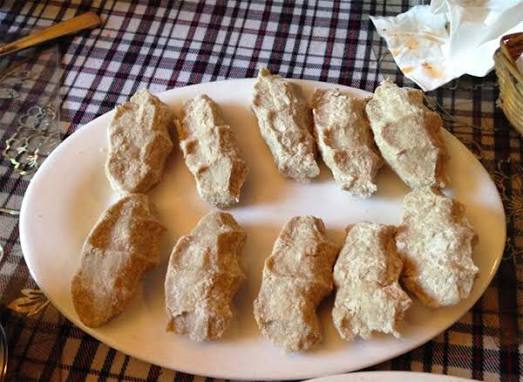
One of the best-known foods made from barley is tsampa, roasted barley flour traditionally mixed with butter tea or other ingredients. It is nutritious, portable, and well suited to life on the plateau.
Butter tea is another characteristic part of Tibetan cuisine. Made with tea, butter, and salt, it provides warmth and energy in the cold high-altitude environment.
Tibetan cuisine also includes yak meat, yak dairy products, noodles, dumplings, breads, and locally adapted versions of dishes influenced by neighboring regions.
For travelers, trying traditional Tibetan food in a local restaurant or teahouse can be a simple but memorable way to engage with the culture.
Tsampa
Tibetan Clothing And Adaptation To The Plateau
Traditional Tibetan clothing reflects both cultural identity and environmental necessity. The cold, dry climate of the plateau requires clothing capable of providing substantial warmth, particularly during winter and at high elevations.
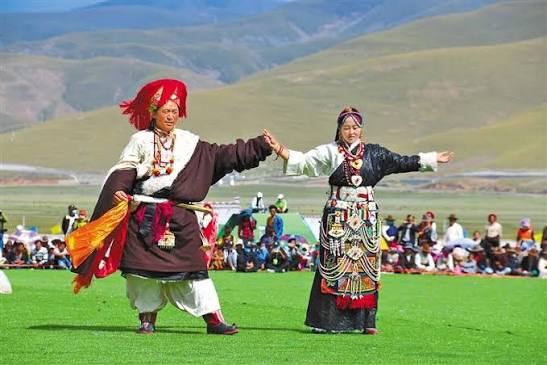
The traditional chuba, a long robe-like garment, is one of the most recognizable forms of Tibetan dress. Different regions have their own variations in fabric, decoration, color, and style.
Traditional clothing can also be highly practical. Heavy wool, sheepskin, and other insulating materials have historically helped people cope with dramatic temperature changes between day and night.
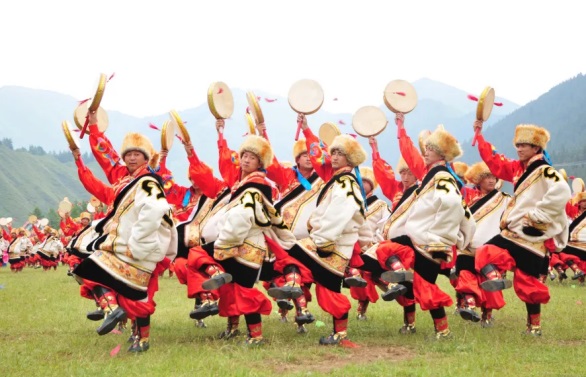
At festivals and celebrations, clothing becomes even more expressive. Bright colors, jewelry, embroidered fabrics, boots, and elaborate accessories can reflect regional traditions and family heritage.
Modern Tibetans often wear contemporary clothing in everyday life, particularly in cities, while traditional garments remain important during festivals, ceremonies, cultural events, and religious occasions.
Tibetan People
Family And Community In Tibetan Society
Family has traditionally been an important foundation of Tibetan social life. Extended families can maintain close relationships between parents, children, grandparents, cousins, and other relatives.
Elders are often respected for their experience and knowledge, while family gatherings, religious celebrations, weddings, and festivals provide opportunities for relatives to maintain close connections.
Community cooperation has also historically been essential in rural and pastoral areas. Life in a demanding environment encouraged people to rely on one another, whether caring for livestock, dealing with difficult weather, preparing for festivals, or supporting families during important events.
Of course, Tibetan families today are not frozen in a traditional model. Urbanization, education, technology, tourism, and changing employment patterns have transformed everyday life. Modern Tibetan society combines contemporary lifestyles with enduring cultural values.
Tibetan Hospitality And Respect For Guests
International travelers often remember their interactions with local people as one of the most meaningful parts of a Tibet journey. Tibetan communities have a strong tradition of hospitality, particularly in rural areas where sharing food, tea, and shelter has historically been important for survival.
Visitors may be offered tea, snacks, or food when entering a Tibetan home. A warm welcome can be especially memorable after traveling through remote mountain landscapes.
However, good cultural exchange works in both directions. Travelers should respect local customs, ask permission before photographing people, dress appropriately when visiting religious sites, and avoid treating local traditions as exotic spectacles.
Learning a simple Tibetan greeting, showing interest in local traditions, and listening to people’s stories can make interactions much more meaningful.
Tibetan People
How To Experience Tibetan Culture Respectfully
For international visitors, understanding Tibetan culture is not simply about visiting famous monasteries or taking photographs of mountain scenery. The most rewarding experiences often come from observing everyday life with patience and respect.
When visiting monasteries, follow posted rules and your guide’s instructions. Avoid touching religious objects unless invited to do so, keep your voice low, and dress appropriately. Around pilgrims, give people enough space to complete their religious practices.
Photography deserves particular attention. Always ask before taking close-up portraits, especially of elderly people, monks, or pilgrims. Some religious ceremonies and locations may have restrictions on photography or filming.
Travelers should also remember that Tibet is a high-altitude environment. Respecting the natural environment is part of responsible travel. Avoid littering, minimize unnecessary waste, and follow local environmental guidelines.
Discover Tibetan Culture With Tibet Yulong Travel
For international visitors, traveling through Tibet with a knowledgeable local team can make it much easier to understand the relationship between Tibetan people, religion, landscape, and everyday life. Tibet Yulong Travel focuses on Tibet travel experiences for international travelers, including small-group and private journeys that connect major destinations with local cultural experiences. Rather than seeing Tibet only through its famous landscapes, travelers can use their journey to learn about Tibetan monasteries, pilgrimage traditions, food, communities, and the long history of life on the Tibetan Plateau. For visitors who want to experience Tibet with greater cultural understanding and respect, learning about the Tibetan people before the journey is an important first step.
Frequently Asked Questions About Tibetan People
Are Tibetan People Indigenous To Tibet?
Yes. Tibetans are an ethnic group indigenous to the Tibetan Plateau and have developed a distinctive language, culture, religious tradition, and way of life over many centuries.
Where Do Tibetan People Live Today?
Tibetan communities are found primarily in Tibet and neighboring Tibetan cultural regions of Qinghai, Sichuan, Gansu, and Yunnan. Tibetan communities also exist in countries including Nepal, India, and Bhutan.
What Religion Do Tibetan People Follow?
Tibetan Buddhism has historically been the dominant religious tradition among Tibetans, while Bon also forms an important part of Tibetan religious heritage. Religious beliefs and practices vary among individuals and communities.
What Is A Traditional Tibetan Food?
Tsampa, made from roasted highland barley flour, is one of the best-known traditional Tibetan foods. Butter tea, yak dairy products, and yak meat are also closely associated with Tibetan cuisine.
What Is A Kora In Tibetan Culture?
A kora is a religious circumambulation around a sacred place such as a temple, monastery, mountain, or lake. It is an important form of Buddhist pilgrimage and devotion.
What Should Tourists Know Before Visiting Tibetan Religious Sites?
Visitors should dress respectfully, follow local rules, avoid disturbing pilgrims, ask before taking photographs, and listen to their local guide’s instructions. Respect is especially important during religious ceremonies.