
✨Highlights:
- 🏔️ Best Season: April–June and September–October offer mild weather and lower altitude risk for families
- 👶 Age Recommendation: Children over 5 years old adapt best; consult a pediatrician before traveling with younger kids
- 📋 Altitude Rule: Spend the first 2–3 days in Lhasa (3,600m) for gradual acclimatization before heading higher
- 🚗 Low-Altitude Route: Start in Nyingchi (2,900m) — “Tibet’s Jiangnan” — for the gentlest introduction to the plateau
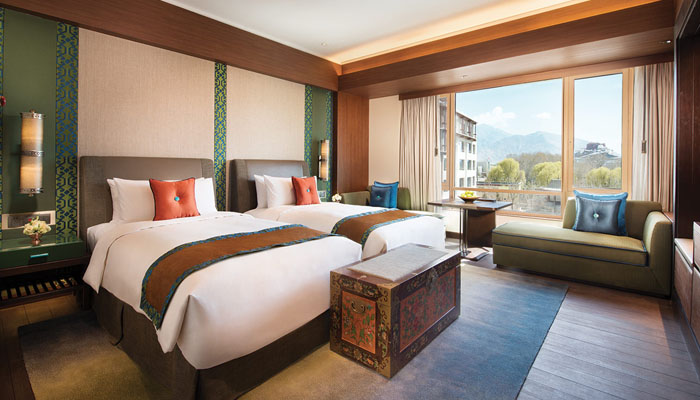
- 🏨 Oxygen Hotels: Book hotels with oxygen supply for the first 2 nights; many family-friendly options in Lhasa
- 🎒 Packing Essentials: Sunscreen SPF50+, lip balm, warm layers, reusable water bottles, and a basic first-aid kit
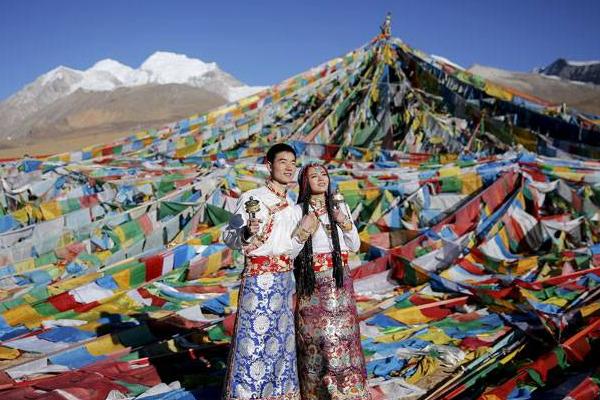
Why Take Your Children to Tibet? Tibet is not merely a destination — it is an experience that shapes how children see the world. From the moment your family steps onto the plateau, the vast skies, prayer flags fluttering in the wind, and the warm smiles of Tibetan people create memories that last a lifetime. A Tibet family tour with children offers something rare in today’s fast-paced travel culture: genuine connection. Children can witness monks debating in courtyards, try butter tea in a local home, and stand before the Potala Palace — a structure that seems to touch the clouds.
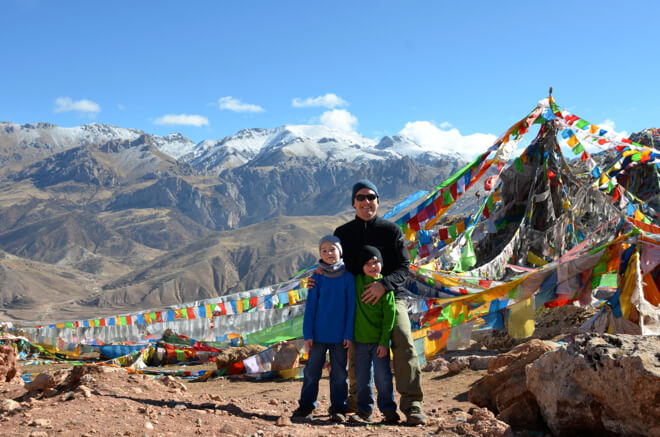
Unlike crowded theme parks or beach resorts, Tibet invites families to slow down. The pace of life here is gentle, and the landscape rewards those who take their time. Children learn patience, respect for different cultures, and an appreciation for nature’s grandeur. A family trip to Tibet is an investment in your children’s worldview — one that pays dividends for years to come.
Is Tibet Safe for Children?
This is the question every parent asks, and it deserves an honest answer. Tibet’s average elevation exceeds 4,000 meters, and altitude sickness is a real consideration. However, with proper planning, children often adapt to high altitude as well as — and sometimes better than — adults. The key factors are gradual ascent, medical consultation, watching for symptoms, and ensuring proper hydration and rest.
Never rush to higher elevations. Spend at least two full days in Lhasa at 3,600 meters before traveling to areas above 4,000 meters. Visit your pediatrician before departure, especially if your child has asthma, heart conditions, or recurrent respiratory issues. Children may not articulate altitude discomfort clearly, so look for headaches, loss of appetite, unusual fatigue, irritability, or difficulty sleeping. Ensure children drink water regularly and avoid strenuous activity in the first 48 hours.
Tibet Family Tour with Children
Most families who follow these guidelines experience no serious issues. The Tibetan plateau has been home to children for millennia, and the human body is remarkably adaptable when given time.
Best Time to Visit Tibet with Children
Timing is everything when traveling with children. The ideal windows for a Tibet family tour are spring and autumn. From April to June, temperatures range from 8°C to 20°C, the plateau awakens with wildflowers, and crowds are thinner than in summer. This is perhaps the best season for families — comfortable weather, clear skies, and manageable visitor numbers.
From September to October, post-monsoon skies are crystal clear, offering the best views of Himalayan peaks. Temperatures are mild, ranging from 10°C to 18°C, and the harvest season brings a festive atmosphere to rural areas.
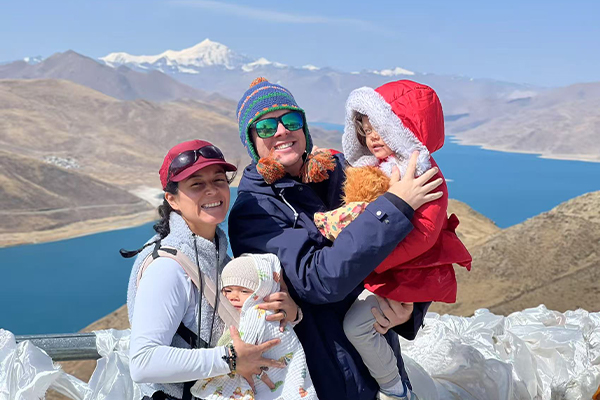
July to August is peak tourist season when school holidays align, but it is also the monsoon period. Rain can make some roads impassable, and popular sites are crowded. However, Nyingchi in eastern Tibet is particularly lush and green during these months, with the highest oxygen levels on the plateau.
November to March is winter and not recommended for families with young children. Temperatures drop well below freezing at night, and many high-altitude passes become dangerous. Lhasa itself can be visited in winter, but outdoor activities are limited.
Pre-Trip Preparation: What to Do Before You Go
Medical Preparation
Schedule a family check-up four to six weeks before departure. Discuss altitude sickness medication, such as Acetazolamide, with your doctor for adults and older children. Ensure routine vaccinations are up to date, and carry a letter from your pediatrician if your child has any chronic conditions.
Documentation
All foreign nationals require a Tibet Travel Permit, arranged through an authorized travel agency. A Chinese visa is required for entry into mainland China. Children need their own passports and visas — they cannot be on a parent’s document. Carry copies of all documents separately from the originals.
Packing List for Families
- For clothing, pack thermal base layers, fleece jackets, a windproof outer shell, warm hats, gloves, and a scarf. The plateau climate changes rapidly even within a single day, so layering is essential.
- For sun protection, bring SPF 50+ sunscreen and reapply every two hours, UV-protective sunglasses for everyone, wide-brim hats, and lip balm with SPF. The sun at altitude is far stronger than at sea level, and children’s skin is especially sensitive.
- For health and hygiene, carry insulated reusable water bottles, hand sanitizer, wet wipes, a basic first-aid kit, motion sickness tablets, and any altitude medication as prescribed by your doctor.
- For comfort on long drives, pack neck pillows, familiar snacks such as granola bars and dried fruit, and entertainment including tablets preloaded with movies, books, and coloring supplies.
- For footwear, choose comfortable, broken-in walking shoes with good grip, and bring warm socks. Many scenic spots have stone paths or uneven ground surfaces.
Kid-Friendly Attractions in Tibet
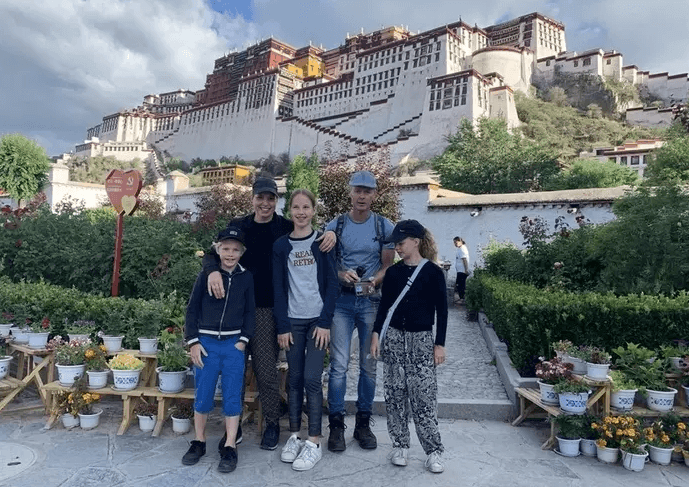
Potala Palace (Lhasa, 3,700m)
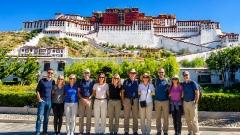
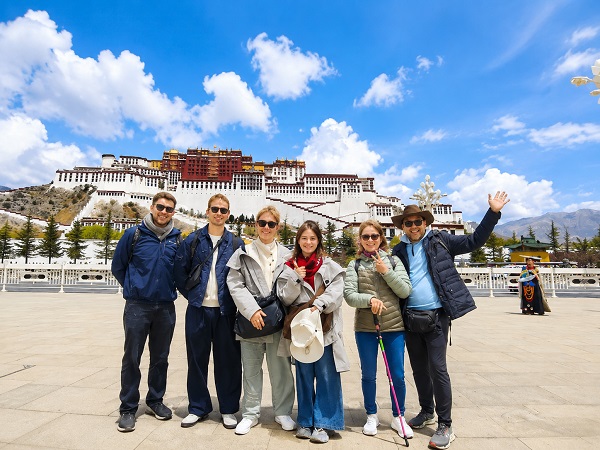
The iconic winter palace of the Dalai Lama is a UNESCO World Heritage Site and Tibet’s most recognizable landmark. While the climb to the top involves stairs, the pace is slow and there are plenty of resting spots. Children are fascinated by the golden roofs, ancient murals, and the story of how this palace was built. Book tickets in advance — daily visitor numbers are limited.
Jokhang Temple & Barkhor Street (Lhasa, 3,600m)
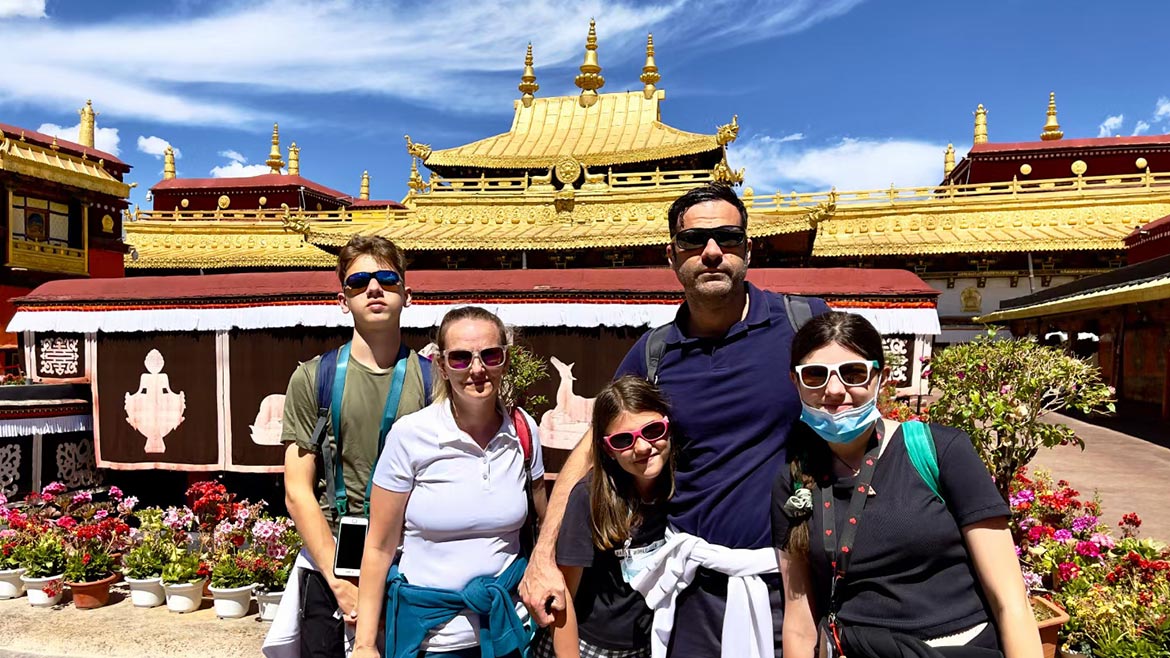
Jokhang Temple is the spiritual heart of Tibet, and the surrounding Barkhor Street offers a wonderful sensory experience for children. Watch pilgrims prostrating, spin prayer wheels together, and browse stalls selling Tibetan crafts, jewelry, and snacks. The flat, circular route is easy for little legs, and the atmosphere is endlessly engaging.
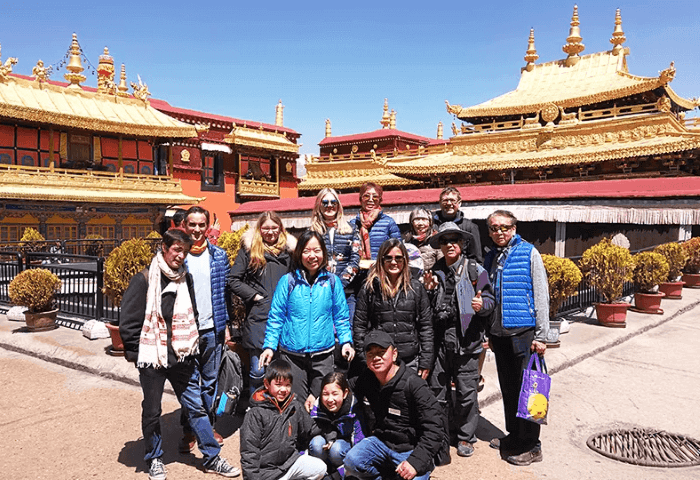
Jokhang Temple
Sera Monastery (Lhasa, 3,700m)
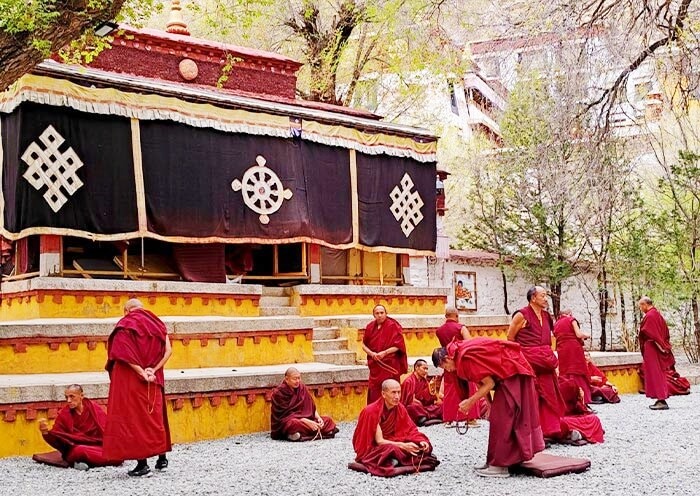
Home to the famous monks’ debate held daily in the courtyard around 3:00 PM, Sera Monastery is a highlight for families. The animated gestures, clapping, and philosophical exchanges are like nothing children have seen before. The monastery grounds are spacious, with gardens and pathways perfect for exploration.
Norbulingka (Lhasa, 3,600m)
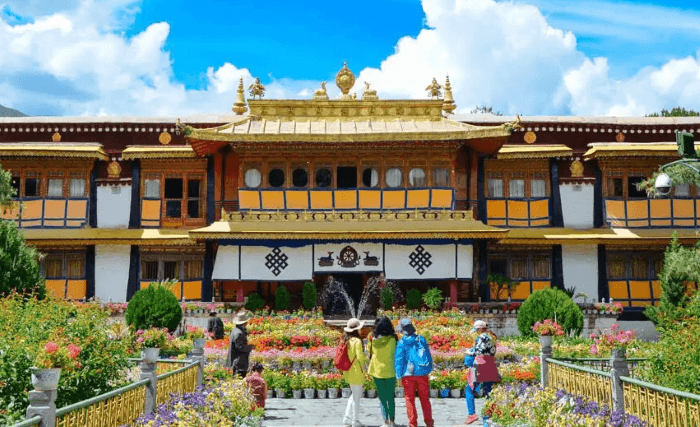
Known as the Summer Palace, Norbulingka is a vast park with gardens, lakes, and pavilions. It is the most relaxed attraction in Lhasa — children can run on the grass, feed fish in the ponds, and enjoy picnics under the trees. The flat terrain and abundant shade make it ideal for a low-energy acclimatization day.
Everest Base Camp (EBC)
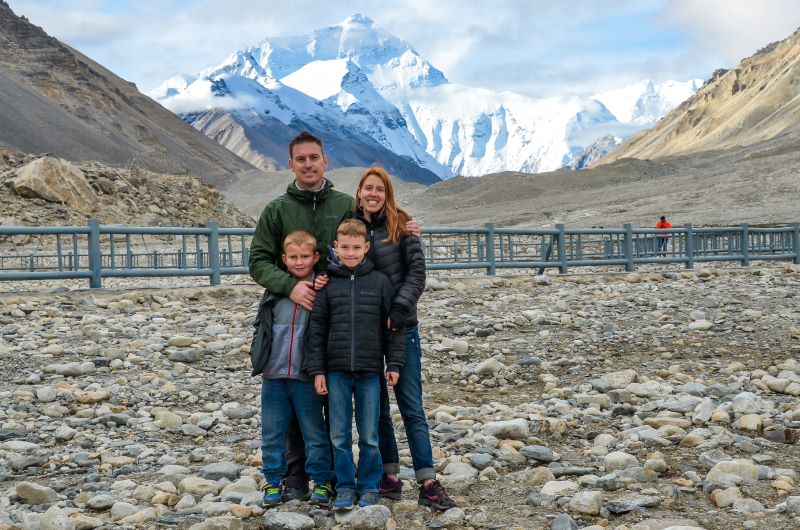
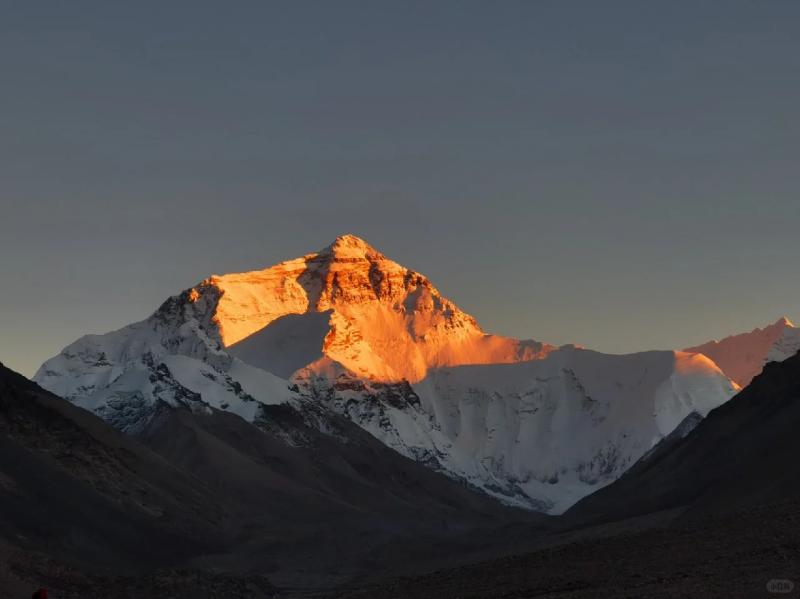
Nestled at an altitude of 5,200 meters, Everest Base Camp offers the closest and most splendid view of Mount Everest’s north face for regular travelers. As a iconic landmark in the Himalayas, it features pure blue sky, vast snow-capped ranges and primitive high-altitude wilderness. Visitors can take photos at the EBC monument and admire the breathtaking sunrise and sunset over the world’s highest peak. Adjacent to the world-famous Rongbuk Monastery, it creates a peaceful and sacred atmosphere, making it an unmissable highlight of Tibet highland travel.
Tashilhunpo Monastery
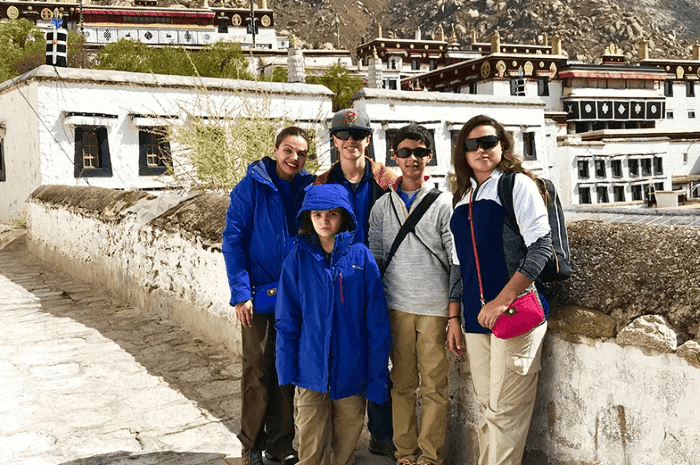
Located in the heart of Shigatse, Tashilhunpo Monastery is one of the most prestigious Gelugpa Buddhist monasteries in Tibet. Renowned for its grand scale and profound religious heritage, the monastery houses the stunning 26-meter-tall golden Maitreya Buddha statue, a precious treasure of Tibetan Buddhist art. With orderly traditional Tibetan architectural clusters, quiet courtyards and devout religious vibes, it perfectly showcases the unique culture and long-standing history of Shigatse, presenting a solemn and authentic Tibetan Buddhist pilgrimage experience.
Recommended 8-Day Family Itinerary
Tailored exclusively for family travel, this well-rounded 8-day Tibet itinerary strikes a perfect balance of classic cultural exploration, stunning natural scenery and scientific altitude acclimatization, especially friendly to children and first-time Tibet visitors. The itinerary adopts a gradual altitude adaptation rhythm: start with low-intensity rest and shallow sightseeing in Lhasa to help every family member get used to the high-altitude environment gently, then embark on an in-depth journey across holy lakes, magnificent glaciers and the legendary Everest Base Camp, before winding back to Lhasa to finish the trip comfortably.
We prioritize family travel safety and comfort throughout the whole journey. All overnight stops are carefully selected based on altitude conditions to avoid drastic altitude changes and reduce altitude reaction risks. The overall travel pace is leisurely and flexible, with no rigid crowded schedules. You can freely slow down the rhythm, extend rest time or skip optional activities according to children’s physical conditions and moods. Covering Lhasa’s time-honored monasteries, iconic imperial palaces, sacred pilgrimage streets, as well as the breathtaking Yamdrok Lake, Karola Glacier and the majestic Everest Base Camp, this itinerary allows families to experience the profound Tibetan culture and stunning alpine landscapes in a relaxed state, creating precious and warm shared travel memories.
Day 1: Arrival in Lhasa (3,650m)
Day 2: Lhasa Monastery Day: Drepung Monastery and Sera Monastery
Day 3: Lhasa Tour: Potala Palace, Jokhang Temple and Barkhor Street
Day 4: Lhasa – Gyantse- Shigatse (360 km): Yamdrok Lake, Korola Glacier
Day 5: Shigatse – Tingri – EBC (5,000m)
Day 6: EBC – Sakya – Shigatse
Day 7: Shigatse – Lhasa: Tashilhunpo Monastery
Day 8: Departure from Lhasa
Day 1: Arrival in Lhasa (3,650m)
Arrive and transfer to your oxygen-equipped hotel. No arranged sightseeing on your arrival day — simply take ample rest, replenish water and adjust your body state to adapt to the altitude environment. An early night is highly recommended for preliminary acclimatization and to reserve energy for the upcoming journey.
Day 2: Lhasa Acclimatization
Keep a gentle and slow travel pace for continuous altitude adaptation. Take a relaxing morning walk around the open Potala Palace Square to feel the local atmosphere at ease. In the afternoon, visit Norbulingka Summer Palace, featuring flat garden landscapes, tranquil fish ponds and lush vegetation, offering a comfortable sightseeing experience suitable for both adults and kids. Continue to monitor physical conditions and prioritize rest throughout the day.
Day 3: Drepung & Sera Monasteries Tour
Immerse yourself in Tibetan Buddhist culture with a full-day monastery tour. In the morning, explore the grand Drepung Monastery, nestled in a mountain valley, where you can admire panoramic valley views and witness huge ancient prayer wheels. In the afternoon, head to Sera Monastery to watch the most famous highlight — the lively and wonderful monk debating ceremony held at around 3 PM. Return to the hotel in Lhasa for a good rest at night.
Day 4: Potala Palace, Jokhang Temple & Barkhor Street
Visit Tibet’s most iconic landmarks on this cultural day. In the morning, tour the world-famous Potala Palace (advance reservation required) to appreciate its grand architectural style and profound religious and historical heritage. In the afternoon, pay a visit to the solemn Jokhang Temple, the spiritual heart of Lhasa, then wander around the bustling Barkhor Street. You can spin traditional prayer wheels, watch devout pilgrims, browse local handicraft stalls and experience authentic Tibetan folk customs. End the day with a delicious dinner of traditional Tibetan dumplings.
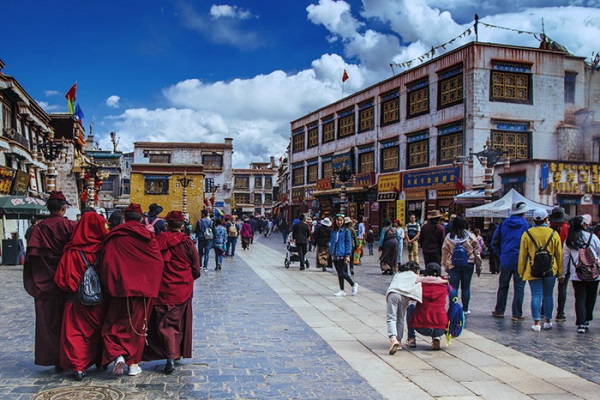
Barkhor Street
Day 5: Lhasa – Gyantse – Shigatse (360 km)
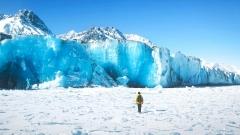
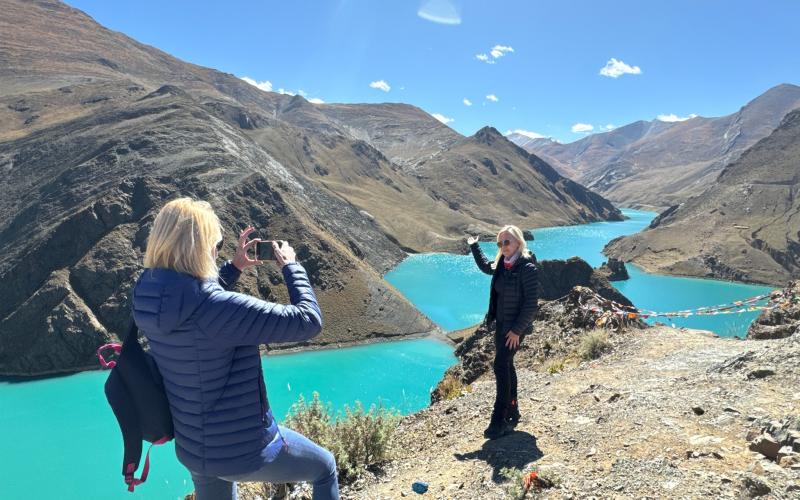
Embark on a wonderful cross-city scenic road trip. Drive over the picturesque Kamba La Pass to witness the stunning turquoise Yamdrok Lake, one of Tibet’s three holy lakes, then pass by the magnificent Karola Glacier with its towering ice peaks. Stop en route in Gyantse to visit the ancient Kumbum Stupa with unique architectural features, before continuing the journey to Shigatse for an overnight stay. It is recommended to prepare enough snacks and motion sickness medicine for the long-distance drive in advance.
Day 6: Shigatse – Tingri – EBC (5,000m)
Head for the world’s highest peak — Mount Everest. Drive through Tingri to reach Everest Base Camp, where you can stand in front of the EBC monument and admire the majestic north face of Mount Everest up close. Stay overnight near the serene Rongbuk Monastery. To ensure family travel comfort and safety, we provide a thoughtful family-friendly alternative: stay in Tingri (4,300m) with a milder altitude condition and take a day trip to EBC, avoiding overnight stay at the 5,000m high altitude. Remember to dress warmly and use oxygen supply in time if feeling unwell.
Day 7: EBC – Sakya – Shigatse
Rise early to catch the breathtaking sunrise over Mount Everest (subject to weather conditions), enjoying the stunning view of the snow-capped peak dyed golden by the morning sun. Then descend from EBC and continue the journey to visit the time-honored Sakya Monastery, renowned for its abundant ancient Buddhist scripture collections and unique architectural style. Finally, return to Shigatse to stay overnight at a lower and more comfortable altitude for a full rest.
Day 8: Shigatse – Lhasa & Departure
Start the final day of the journey with a visit to Tashilhunpo Monastery in the morning, home to the towering 26-meter golden Maitreya Buddha, showcasing exquisite Tibetan Buddhist art and culture. Then drive back to Lhasa along the beautiful Yarlung Tsangpo River valley, enjoying the charming river and mountain scenery along the way. Upon arriving in Lhasa, you can arrange spare time for simple rest or last-minute souvenir shopping before transferring to the airport or train station to end your unforgettable Tibetan family journey with warm memories.
Over this 8-day immersive Tibetan journey, your family will witness the solemn beauty of the Potala Palace, experience the lively monk debates in sunlit monastery courtyards, marvel at the crystal-clear holy lakes and grand glaciers, and stand in awe of the world’s highest peak. Most importantly, every wonderful moment is captured at a relaxed, kid-friendly pace, allowing every family member to truly feel, appreciate and remember the charm of Tibet rather than rushing through the scenery. These leisurely, warm and extraordinary family adventures will become precious shared memories that your family will cherish and recount for years to come.
Why Choose a Local Expert for Your Tibet Family Tour?
Planning a Tibet family tour with children involves more than booking flights and hotels. It requires navigating permit regulations, designing altitude-safe itineraries, selecting family-friendly accommodations, and having on-the-ground support if anything unexpected arises. This is where partnering with an experienced local travel specialist makes all the difference.
Tibetyulong specializes in creating customized, private family tours of Tibet designed around your children’s ages, interests, and pace. Unlike generic group tours that rush from site to site, their family itineraries prioritize gradual acclimatization, flexible scheduling, and child-centric activities. Every detail — from oxygen-equipped hotels to child-sized Tibetan clothing for photos — is handled by their team of local experts who know Tibet intimately.
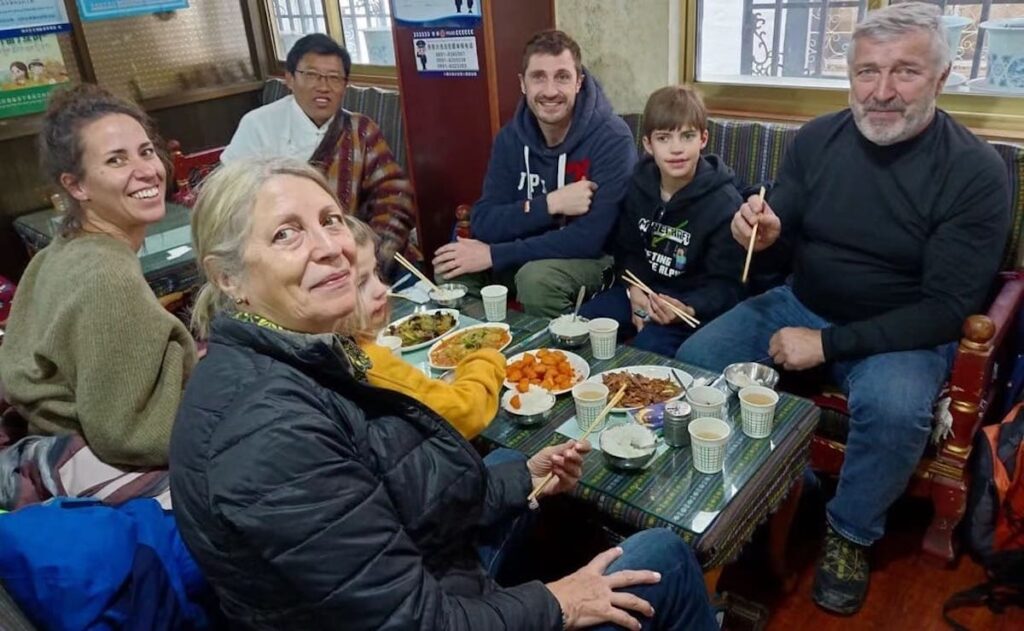
Their English-speaking guides are experienced with families and know how to make history and culture come alive for young minds. Whether your children are fascinated by monks, mountains, or momos, the guides adapt each visit to keep them engaged and curious. With 24/7 support throughout your trip and a commitment to safety as the top priority, Best China Journey ensures your family’s Tibet adventure is not just memorable, but worry-free.
To receive a free, no-obligation custom itinerary for your family, visit Best China Journey or contact their family travel specialists today.
Practical Tips for Traveling with Children in Tibet
Food and Dining
Tibetan cuisine may be unfamiliar to children, but several dishes are universally appealing. Momos are steamed or fried dumplings filled with meat or vegetables and are always a hit. Tsampa is roasted barley flour, often mixed with butter tea, and it is fun for children to shape with their hands. Yak butter tea is an acquired taste, so offer small sips rather than full cups. Noodles and rice are available at most restaurants, and Chinese-style dishes are widely available in Lhasa and Nyingchi. Pack familiar snacks from home for the first few days while children adjust.
Always choose restaurants with good hygiene standards. Bottled water is readily available — never drink tap water. Avoid raw or undercooked food, especially during the first week.
Transportation
Lhasa Gonggar Airport and Nyingchi Mainling Airport are the main entry points. Flying in allows for faster arrival but means less time for gradual acclimatization. The Qinghai-Tibet Railway is an experience in itself, with oxygen supplied in the carriages. The journey from Xining takes approximately 22 hours and allows for gradual altitude increase.
Distances between attractions are long. Private vehicles with experienced drivers are recommended for families. Ensure the vehicle has seatbelts for all passengers and carry motion sickness medication.
Accommodation
Book hotels with oxygen supply for at least the first two nights in Lhasa. Choose hotels with heating — nights can be cold even in summer. Look for family rooms or connecting rooms for comfort and privacy. Central locations in Lhasa minimize travel time and allow easy returns for rest. Check that hot water is reliable, as some smaller guesthouses have limited supply.
Keeping Children Engaged
Download movies, games, and books before the trip — internet access can be limited. Bring a journal or sketchbook for children to record their experiences. Turn sightseeing into games, such as finding the golden roof, counting the prayer flags, or spotting a yak. Allow downtime — over-scheduling leads to tired, cranky children. Learn a few Tibetan phrases together, such as “Tashi delek” for hello and blessings, and “Thukje che” for thank you.
Frequently Asked Questions
At what age can children visit Tibet?
There is no official minimum age, but most travel experts recommend children be at least 5 years old. Younger children cannot communicate altitude discomfort effectively. Always consult your pediatrician before traveling with children under 10.
Do children need a Tibet Travel Permit?
Yes, every foreign national — including infants and children — requires a Tibet Travel Permit. The application process is the same for all ages and must be arranged through an authorized travel agency.
Can we use a stroller in Tibet?
Strollers are practical in Lhasa’s flat areas such as Barkhor Street and Norbulingka, but difficult at many attractions with stairs and uneven ground. A baby carrier or backpack is more versatile for sightseeing.
Is there Wi-Fi and phone service?
Major hotels in Lhasa and Nyingchi offer Wi-Fi, though speeds may be slower than what you are used to. Mobile coverage is good in cities but unreliable in remote areas. Download entertainment and maps in advance.
What if my child gets altitude sickness?
Mild symptoms such as headache and mild nausea usually resolve with rest, hydration, and oxygen. If symptoms are severe or worsen, descend to a lower altitude immediately and seek medical attention. This is why having a private guide and driver is invaluable — they can respond quickly.
How much does a family Tibet tour cost?
Costs vary widely based on group size, accommodation level, duration, and season. A 7-day private family tour typically ranges from 1,500 to 3,000 US dollars per person, including permits, guide, driver, accommodation, and most meals. Children often receive discounts.
Final Thoughts
A Tibet family tour with children is one of the most rewarding journeys you can undertake together. It is not the easiest vacation you will ever plan, but it may well be the most meaningful. The combination of breathtaking landscapes, profound spirituality, and warm-hearted people creates an environment where families connect deeply and children gain a perspective they cannot get anywhere else.
The keys to a successful family trip to Tibet are simple: take your time, prioritize acclimatization, pack thoughtfully, and choose partners who understand family travel. With these foundations in place, you are ready to create memories that your children will carry with them forever — memories of prayer flags against blue skies, of yak herds on green hillsides, of the first glimpse of the Potala Palace at dawn, and of the warmth of Tibetan hospitality that makes every visitor feel like family.
Tibet is waiting. Are you ready to give your children the adventure of a lifetime?