
✨ Highlights:
- 📘 Professional Travel Guide: Comprehensive Lake Manasarovar travel guide Tibet covering scenery, routes, accommodation and travel precautions.
- 📸 Premium Viewing Spots: Handpicked scenic photography locations to capture the pure blue scenery of Lake Manasarovar.
- 🗺️ Reasonable Itinerary Design: Scientific one-day and two-day travel routes suitable for sightseeing and pilgrimage.
- ⛑️ Safe Plateau Travel: Practical altitude sickness prevention and plateau travel tips for your Tibet trip.
- 🏨 Full Travel Support: Detailed introduction of tickets, transportation and catering for a worry-free travel experience.
Lake Manasarovar, known as the “King of Sacred Lakes” in Tibet, is located in Purang County, Ngari Prefecture, western Tibet. As one of the three great holy lakes in Tibet and a world-famous sacred lake in Hinduism, Buddhism, and Jainism, it stands quietly at the foot of Mount Gurla Mandhata, facing the sacred Mount Kailash from afar. With an altitude of 4,588 meters, crystal-clear glacial lake water, and pure alpine scenery, Lake Manasarovar has become a must-visit destination for Tibet travel enthusiasts, backpackers, and pilgrimage believers. This professional Lake Manasarovar travel guide Tibet will comprehensively introduce travel time, transportation, classic routes, top attractions, accommodation, and travel precautions to help you plan a perfect Tibet holy lake trip.
Basic Introduction to Lake Manasarovar
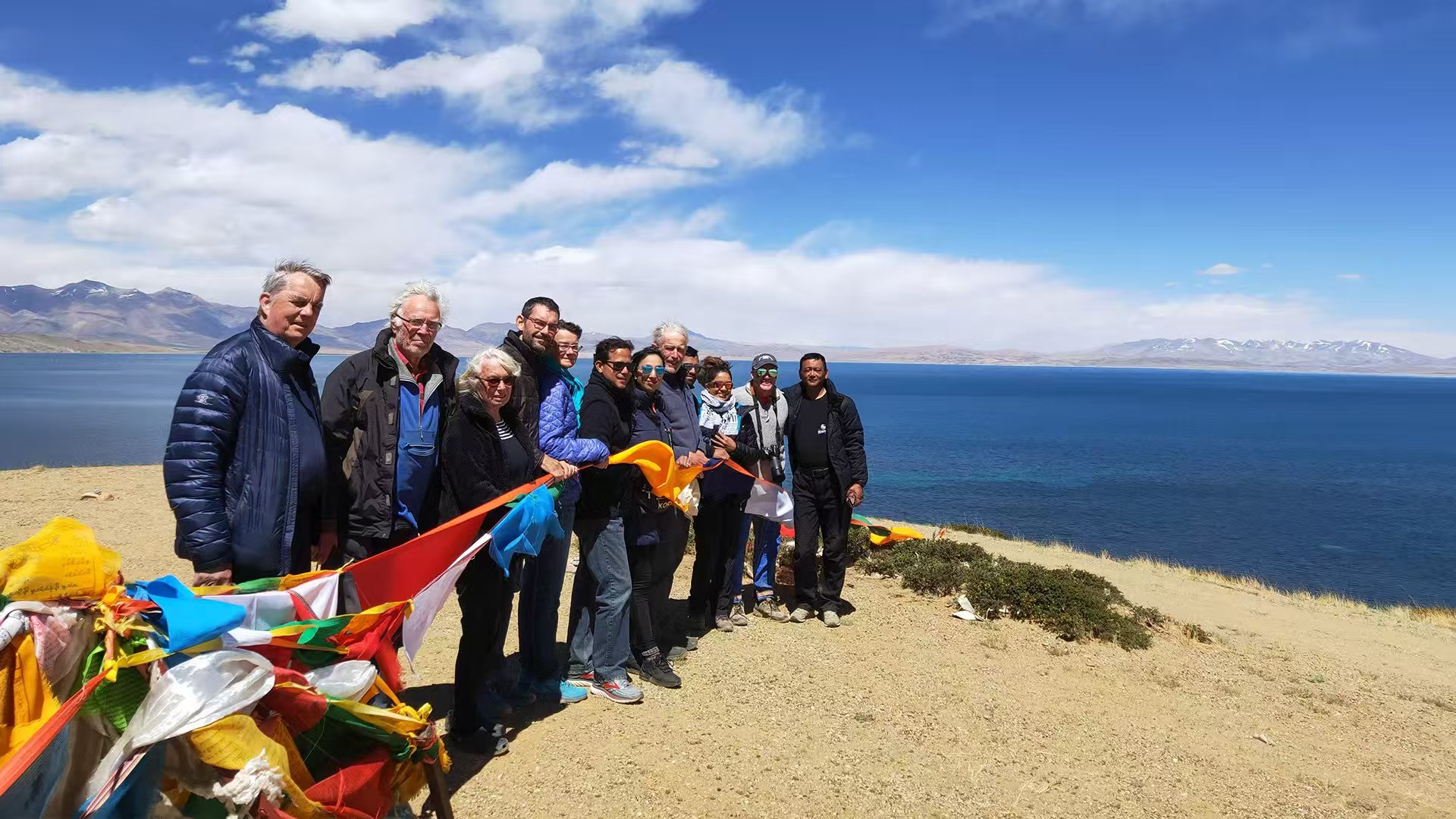
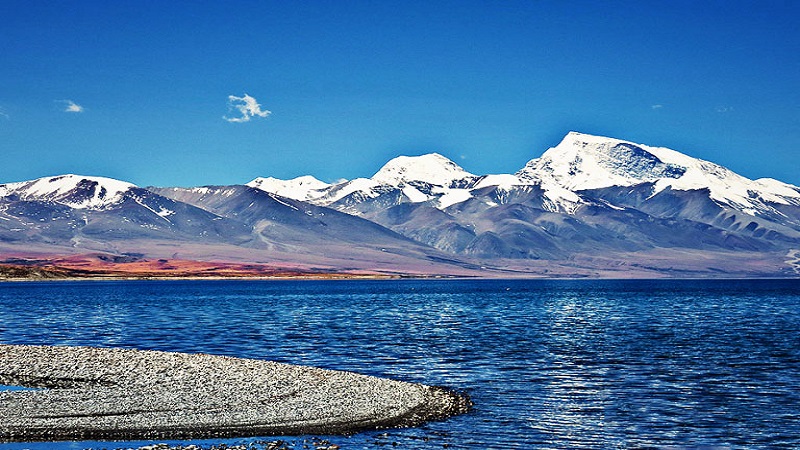
Lake Manasarovar covers an area of about 412 square kilometers, with a maximum water depth of 77 meters. It is the most transparent freshwater lake on the Qinghai-Tibet Plateau. Unlike the nearby brackish Lake Laang Tso (Ghost Lake), Lake Manasarovar is full of vitality, with lush alpine meadows along the lake, flocks of wild birds, and clear sweet water. For thousands of years, it has been regarded as a sacred lake that can purify sins and heal the soul. Every year, countless pilgrims and travelers come here to pray, circle the lake, and appreciate the purest alpine scenery. Surrounded by snow-capped mountains, vast grasslands, and flowing streams, the lake presents different blue tones with the change of light, from tender Tiffany blue in the morning to deep Klein blue at dusk, shocking every visitor. A reasonable Tibet Lake Manasarovar tour allows travelers to fully capture the diverse beauty of this plateau holy lake and experience the unique charm of western Tibet.
Best Travel Time to Visit Lake Manasarovar
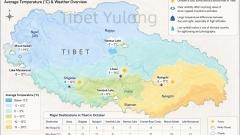
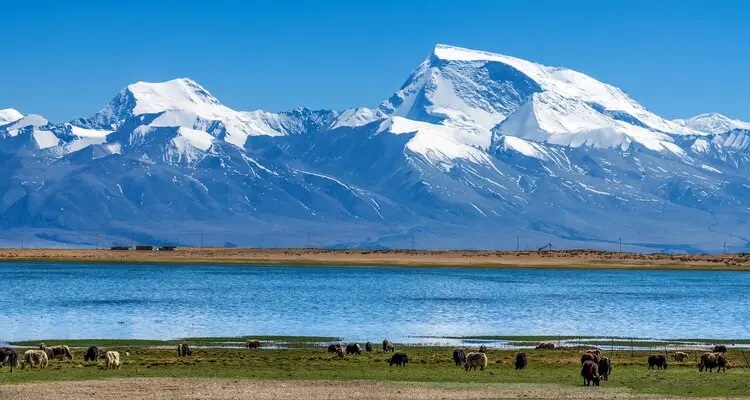
Figuring out the Best time to visit Lake Manasarovar is the first step to arranging a perfect plateau trip. The optimal travel period for Lake Manasarovar is June to September every year, which is the golden travel season of Ngari, Tibet. During this period, the temperature is mild, the weather is stable, the rainfall is moderate, and the alpine meadows around the lake are green with blooming wild flowers. The lake water reaches its highest transparency, perfectly reflecting the snow-capped Mount Gurla Mandhata, creating a stunning visual feast.
Lake Manasarovar
Among them, July and August are the most comfortable months for travel, with sufficient sunlight and a high clear sky rate, suitable for lake viewing, photography, and lake-circling hiking. September has crisp autumn air, fewer tourists, and softer light, which is the prime time for shooting literary and atmospheric landscape works. It is recommended to avoid the period from October to May of the next year. At this time, Ngari is cold and windy, with temperatures dropping to minus 20 degrees Celsius, some road sections are closed due to snow, and the lake is even partially frozen, which greatly affects the travel experience. In addition, you can avoid the peak pilgrimage season of the Tibetan calendar horse year to enjoy a quieter travel atmosphere.
Core Attractions & Classic Experience Projects
Lake Manasarovar is not only a natural scenic spot but also a holy land of religious culture. Mastering the Lake Manasarovar best viewpoints can help travelers efficiently capture the most stunning scenery and avoid missing the core highlights of the scenic area. There are many classic check-in spots and unique experience projects, suitable for sightseeing, photography, cultural pilgrimage and outdoor hiking.
Key Check-in Viewpoints
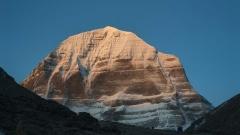
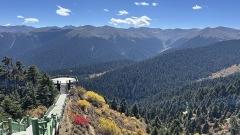
Chiu Monastery (Jiwu Temple) Viewing Platform: It is the top viewing spot of Lake Manasarovar. Located on the hillside by the lake, it can overlook the panoramic view of the holy lake. Standing on the platform, you can simultaneously capture the three major landscapes of Lake Manasarovar, Lake Laang Tso and Mount Kailash, with a super shocking God’s perspective, which is the must-take spot for every traveler.
North Shore Lake View: The lake water here is the clearest and calmest. On sunny days, the snow-capped Mount Kailash is completely reflected on the lake surface, forming a perfect symmetrical scene. The light is soft in the morning and evening, which is most suitable for shooting lake and snow mountain reflection works.
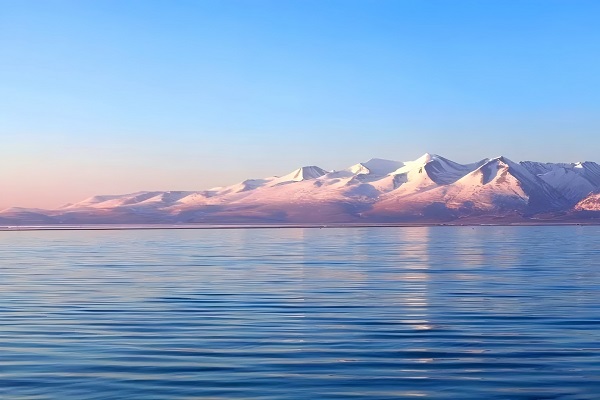
West Bank Bath Gate: It is a traditional sacred bathing place for believers. The lake water is clear and sparkling. It is the best place to feel the local religious culture and experience the pure spiritual faith of Tibetans.
Classic Travel Experiences
Circling the Holy Lake: The total length of Lake Manasarovar’s circling route is about 100 kilometers, which can be completed by self-driving or hiking. The self-driving lake circling takes about 4 hours, with flat road conditions and easy driving. The hiking lake circling is divided into short and long routes. The whole hiking takes 2-4 days, passing through grasslands, streams and ancient temples along the way, allowing you to fully immerse yourself in the alpine holy land and feel the power of faith.
Sacred Lake Baptism & Prayer Experience: Local believers believe that the water of Lake Manasarovar can purify the five poisons of the human heart. Travelers can experience the local prayer culture by watching believers’ bathing and praying, turning prayer wheels, and hanging prayer flags.
Travel Routes & Transportation Guide
Transportation Mode
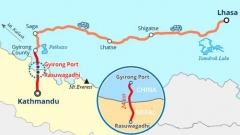
Lake Manasarovar is located in remote Ngari Prefecture, with no direct public transport. The mainstream travel modes are self-driving, chartered car and group tour. Self-driving tour is the most free and flexible way. Travelers can start from Lhasa, pass through Shigatse, Saga, and arrive at Purang County. The whole route is dominated by National Highway 219, with smooth road conditions and complete service areas, suitable for family travel and outdoor travel lovers. Chartered off-road vehicle is the first choice for most tourists. Professional drivers are familiar with the alpine road conditions, which can avoid altitude sickness risks and ensure travel safety. For novice travelers, joining a local small-group tour is more labor-saving, including accommodation, tickets and route arrangement.
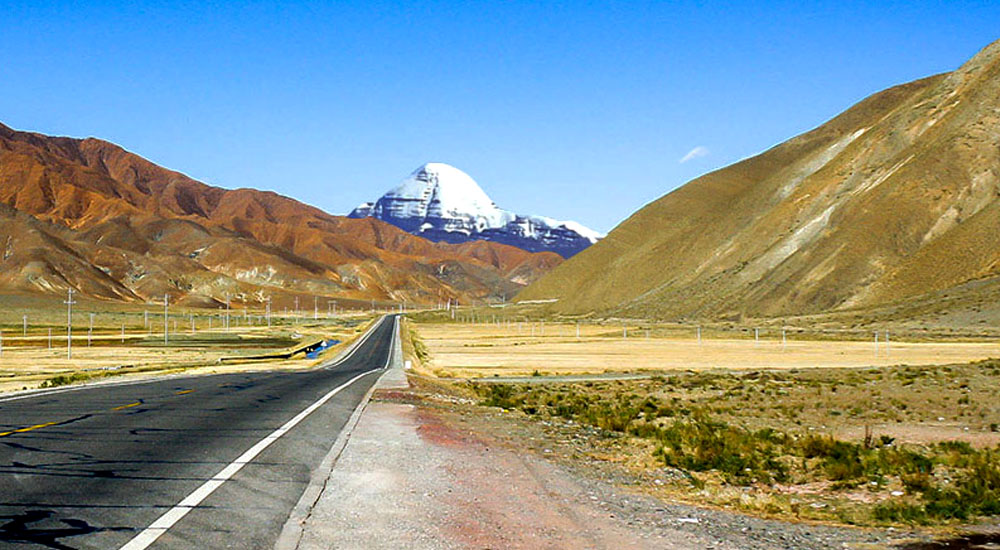
Mount Kailash Lake Mansarovar Tour via Lhasa Tibet
Classic Itinerary Arrangement
A well-planned Mount Kailash Lake Manasarovar itinerary is the core of a wonderful Ngari pilgrimage trip. One-day Classic Route: Hol Township → Chiu Monastery Viewing Platform → West Bank Bath Gate → North Shore Snow Mountain Reflection Spot → Free Photography Pasture. This route covers all core scenic spots, with a relaxed rhythm, suitable for travelers with tight time.
Two-day In-depth Route: On the first day, visit the surrounding viewing spots and watch the sunset of the holy lake; stay in Hol Township at night to enjoy the alpine starry sky. On the second day, hike the short-distance lake-circling route, watch the sunrise over the snow mountains, and experience the local temple culture, with a more immersive travel experience.
If you do not want to handle complicated route planning, vehicle booking and local arrangement on your own, our team at Tibetyulong can customize a private Tibet tour package covering Lake Manasarovar and Mount Kailash according to your travel duration, physical condition and preferences. Our experienced local drivers and tour guides will take care of all logistics so you can fully focus on the breathtaking plateau scenery.
Day 1: Arrival in Lhasa (3,650m)
Day 2: Lhasa Cultural Tour – Drepung Monastery & Sera Monastery
Day 3: Lhasa Tour – Potala Palace, Jokhang Temple & Barkhor Street
Day 4: Lhasa to Shigatse via Gyantse – Yamdrok Lake & Karola Glacier (360km)
Day 5: Shigatse (3,850m) to Everest Base Camp (5,000m)
Day 6: Everest Base Camp – Saga (4,640m)
Day 7: Saga – Lake Manasarovar – Mount Kailash View – Darchen (4,570m)
Day 8: Mount Kailash Kora Day 1 – Darchen to Dirapuk Monastery (4,900m)
Day 9: Mount Kailash Kora Day 2 – Dirapuk to Zuthulpuk Monastery via Dolma La Pass (5,630m)
Day 10: Mount Kailash Kora Completion – Darchen – Saga
Day 11: Saga – Shigatse
Day 12: Shigatse – Tashilhunpo Monastery – Lhasa
Day 13: Departure from Lhasa
Tickets, Accommodation & Catering Guide
Ticket Policy: The official ticket price of Lake Manasarovar Scenic Area is 150 yuan per person. In addition, there are free photography routes along National Highway 219. Drive 22 kilometers from the tourist center along G219, turn left to the dirt road for 20 kilometers to reach the hidden check-in spot near Jiwu Temple, which has a wide view and no ticket fee.
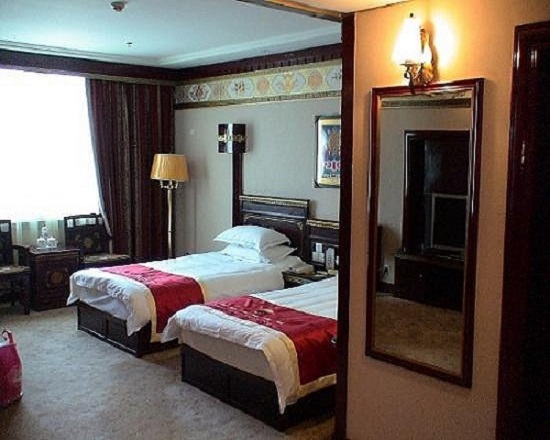
Accommodation Options: Most travelers choose to stay in Hol Township near the scenic area. There are various hotels and farmhouses with complete basic living facilities, affordable prices and convenient transportation. For travelers who like in-depth pilgrimage, they can choose to stay in the temples along the lake to experience the original Tibetan religious life, but the accommodation conditions are relatively simple.
Catering Guide: The catering in Hol Township is mainly Sichuan cuisine and Tibetan cuisine. You can taste Tibetan butter tea, tsampa, yak meat and other characteristic foods. It is recommended to prepare some high-energy snacks and drinking water by yourself to supplement physical strength during the lake-circling trip.
Travel Precautions & Tips
Mastering professional Lake Manasarovar altitude sickness tips is essential to guarantee a safe and comfortable plateau travel experience. First, prevent altitude sickness. The altitude of Lake Manasarovar exceeds 4,588 meters. Avoid strenuous exercise after arrival. Prepare anti-altitude sickness drugs in advance, keep warm, and avoid colds.
Second, pay attention to climate and dressing. The alpine climate is changeable with a large temperature difference between day and night. Even in summer, you need to prepare down jackets, windbreakers and other warm clothes. The ultraviolet rays are strong, so sun protection and skin protection work must be done well.
Third, abide by local customs. Do not litter in the lake, do not trample on the grassland at will, visit temples with hats off, and circle the lake and temples in a clockwise direction to respect local religious culture.
Fourth, safety travel. Some lake-circling sections are non-paved roads. It is recommended to travel in groups. When encountering pilgrims on the road, slow down and give way to ensure safe travel.
Conclusion
Lake Manasarovar is the purest gift from the Qinghai-Tibet Plateau. The blue lake water, rolling snow-capped mountains, devout pilgrims and vast alpine grasslands form the most touching picture of western Tibet. Whether you are pursuing natural beauty, seeking spiritual healing, or loving outdoor hiking, Lake Manasarovar can meet all your fantasies about Tibet’s holy land. Arrange your trip from June to September, walk into Ngari, meet the king of holy lakes, and feel the purity and shock from the world’s roof.