
⭐Highlights:
- ❄️ Blue Ice Spectacle – Walk on the crystal-blue frozen surface of Namtso Lake and Puma Yumco, where ice shimmers like a giant sapphire under the winter sun
- 🏔️ Snow Mountain Feast – Enjoy near-guaranteed views of Mount Everest and Namcha Barwa with winter’s crystal-clear skies and zero cloud cover
- 🛕 Cultural Immersion – Visit Potala Palace, Jokhang Temple, and Sera Monastery with fewer crowds, deeper spiritual vibes, and winter festival experiences
- 💰 Unbeatable Value – Off-season pricing on hotels and attractions means luxury experiences at a fraction of peak-season cost
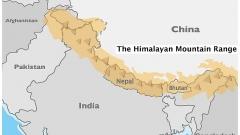
- 🌅 Sunrise Golden Peaks – Capture the legendary “golden mountain” sunrise over Himalayan peaks with dramatically higher success rates in winter
Why Choose a Tibet Winter Cultural and Blue Ice Combined Itinerary?
When most travelers picture Tibet, they imagine summer grasslands and monsoon clouds. But those in the know know better: winter is Tibet’s best-kept secret. From December through February, the Roof of the World transforms into a serene wonderland where ancient culture meets frozen natural beauty in ways no other season can match.
A winter in Tibet tour gives you the best of both worlds. By day, you explore UNESCO-listed monasteries and wander pilgrim-lined streets in Lhasa’s golden winter sunshine. By the journey’s end, you stand on a frozen sacred lake where the ice glows an impossible shade of blue – a phenomenon so stunning that travelers compare it to Baikal’s legendary ice, yet far more spiritually meaningful.
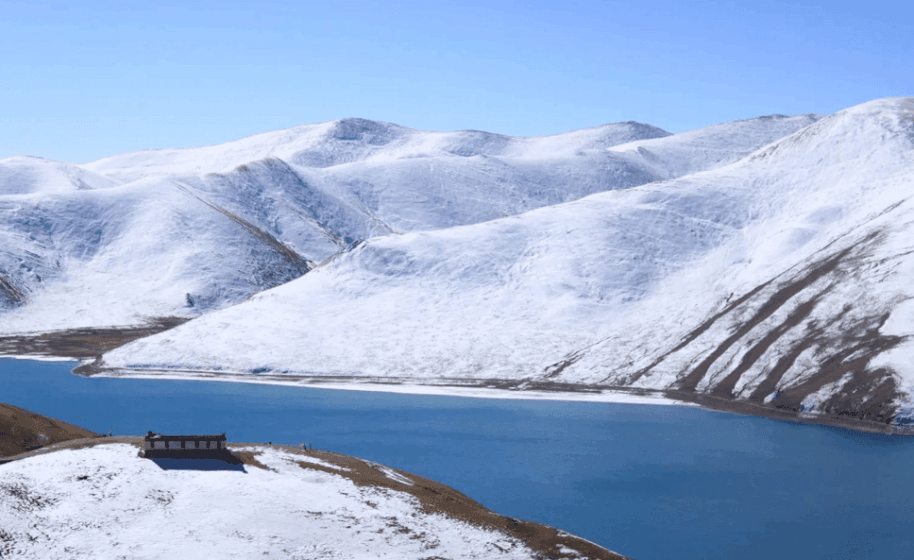
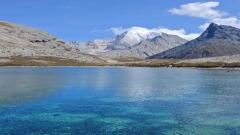
Yamdrok in winter
Winter also means dramatically fewer tourists. The Potala Palace, which books out weeks ahead in summer, becomes a quiet, contemplative space where you can absorb 1,300 years of history without crowds. Add off-season pricing – hotels cost 30–50% less, and many attractions offer discounted winter tickets – and it’s clear why savvy travelers choose winter for their Tibet adventure.
Best Time for a Tibet Winter Blue Ice Tour
The blue ice season in Tibet runs from mid-December through late February, peaking in January and early February when lake ice exceeds half a meter thick, displaying the full spectrum of blue from pale Tiffany to deep sapphire.
For the optimal Tibet winter festivals and blue ice lake combined travel guide experience, aim for mid-January to early February – the most stable blue ice formations, crystal-clear mountain visibility (often exceeding 100 km), pleasant daytime temperatures in Lhasa (5–15°C), and the chance to witness Tibetan New Year (Losar) preparations in late February.
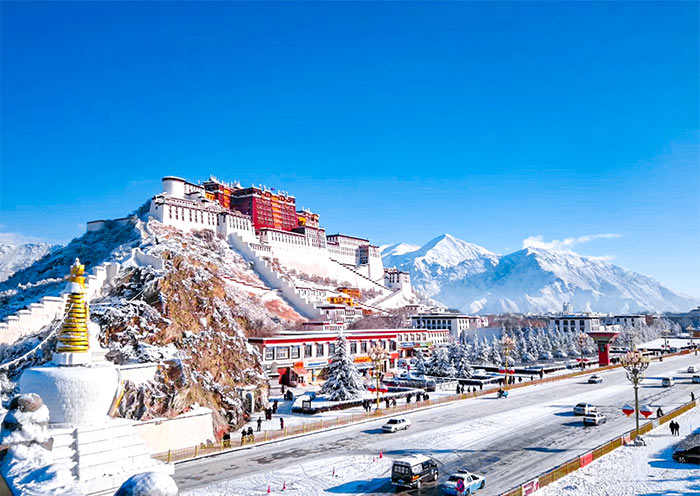
Potala Palace
8 Days Tibet Winter Cultural and Blue Ice Combined Itinerary
Spanning eight unforgettable days across the Roof of the World, this journey weaves together Tibet’s most sacred cultural landmarks with the ethereal beauty of winter’s frozen landscapes. From the sunlit courtyards of Lhasa’s ancient monasteries to the crystal-blue ice of high-altitude sacred lakes, each day deepens your connection to both the spiritual and natural wonders of Tibet. With fewer crowds, lower prices, and near-guaranteed mountain visibility, this winter itinerary delivers a Tibet experience most travelers never see.
Itinerary Overview:
Day 1 – Arrival in Lhasa (3,650m)
Day 2 – Lhasa Monastery Day: Drepung Monastery and Sera Monastery
Day 3 – Lhasa Tour: Potala Palace, Jokhang Temple and Barkhor Street
Day 4: Lhasa – Gyantse- Shigatse (360 km): Yamdrok Lake, Korola Glacier
Day 5 – Shigatse – Tingri – EBC (5,000m)
Day 6 – EBC – Sakya – Shigatse
Day 7 – Shigatse – Lhasa: Tashilhunpo Monastery
Day 8 – Departure from Lhasa
Day 1 – Arrival in Lhasa (3,650m)
Touch down in the City of Sunshine and begin your gentle altitude acclimatization with a leisurely stroll through historic streets, letting your body adjust to the high plateau while savoring your first cup of warm Tibetan butter tea.
Day 2 – Lhasa Monastery Day: Drepung & Sera Monasteries
Explore two of Tibet’s greatest monastic seats – wander the grand assembly halls of Drepung, once home to 10,000 monks, then witness the lively afternoon monk debates at Sera, where clapping gestures and philosophical exchanges bring Buddhist scholarship to vivid life.
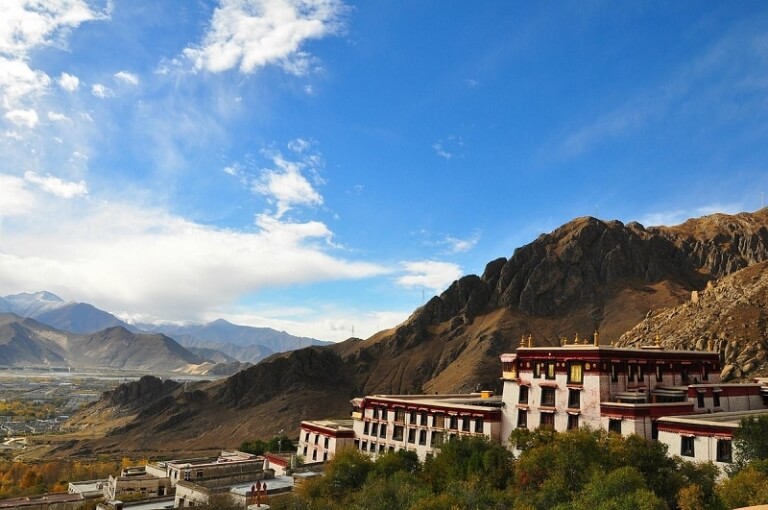
Drepung Monastery
Day 3 – Lhasa Iconic Tour: Potala Palace, Jokhang Temple & Barkhor Street
Stand before the majestic Potala Palace, a 13-story marvel of Tibetan architecture, then enter the holiest shrine of Tibetan Buddhism at Jokhang Temple. Cap the day by walking the pilgrim-lined kora of Barkhor Street as butter lamps flicker into the evening.
Day 4 – Lhasa → Gyantse → Shigatse (360 km): Yamdrok Lake & Karola Glacier
Cross the breathtaking Kamba La Pass for your first view of Yamdrok Lake’s winter palette – turquoise waters framed by white ice and snow-capped peaks – then pass the dramatic Karola Glacier before arriving in Shigatse, Tibet’s second city.
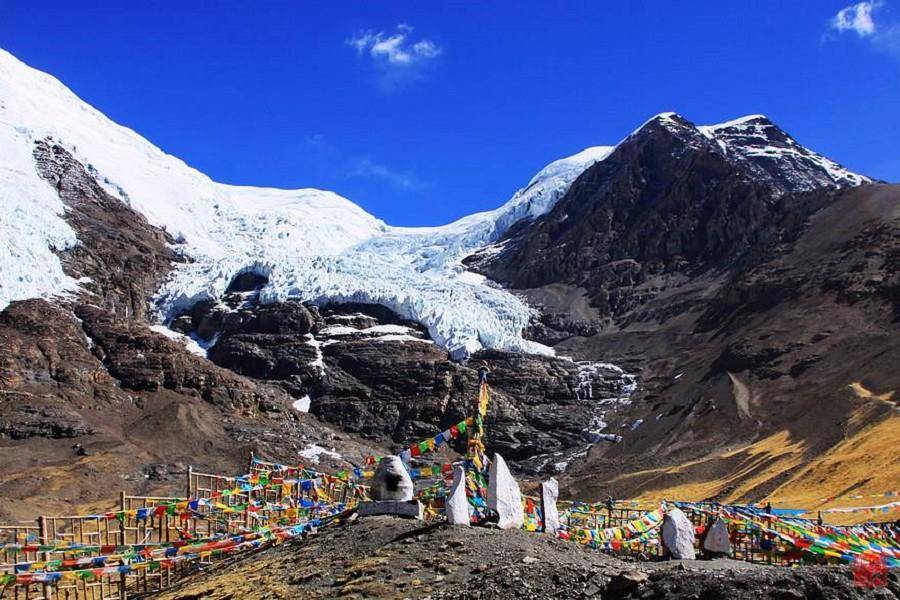
Karuola Glacier
Day 5 – Shigatse → Tingri → Everest Base Camp (5,200m)
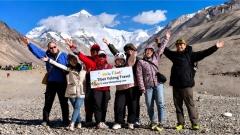
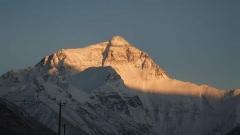
Ascend through rugged Himalayan terrain to the legendary Everest Base Camp. Winter brings 80%+ visibility odds, meaning you’re almost guaranteed a clear view of the world’s highest peak – golden light on Everest’s north face at sunset is simply unforgettable.
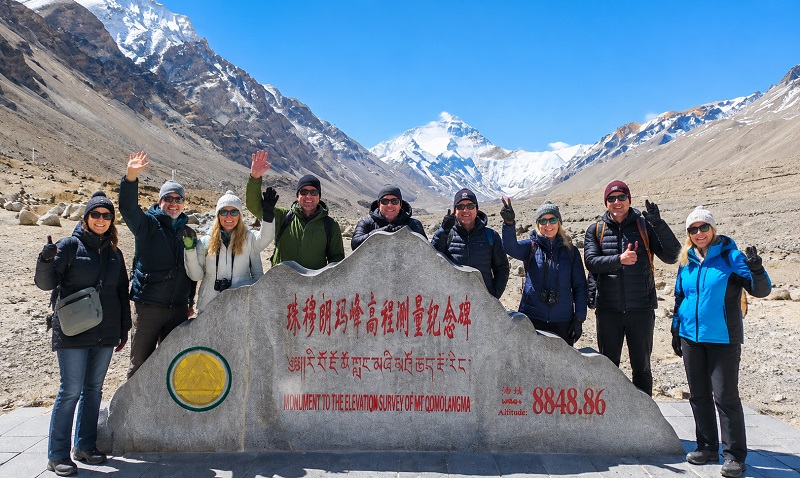
Mount Everest
Day 6 – Everest Base Camp → Sakya → Shigatse
Wake to a Himalayan sunrise, then descend via Sakya Monastery, the magnificent “painted temple” of the Sakya sect, whose gray-walled fortress houses one of Tibet’s finest collections of Buddhist art and scriptures.
Day 7 – Shigatse → Lhasa: Tashilhunpo Monastery
Visit Tashilhunpo Monastery, the historic seat of the Panchen Lama and one of Tibet’s most important religious centers, before the scenic drive back to Lhasa for a final evening of cultural reflection.
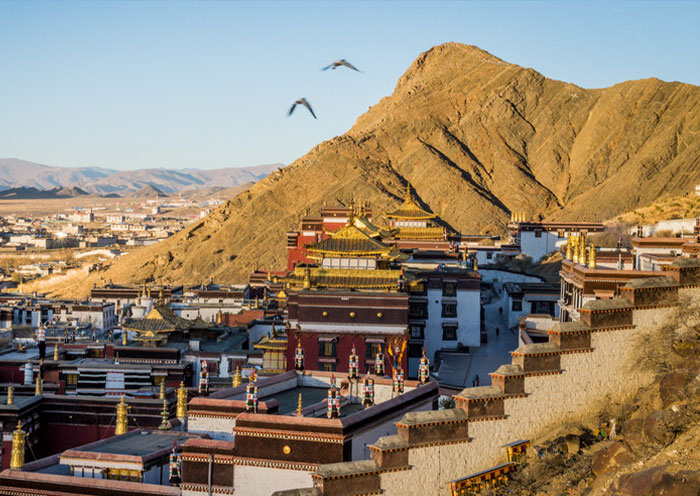
Tashilhunpo Monastery
Day 8—Departure from Lhasa
Carry memories of golden prayer flags, ancient chanting, and frozen sapphire lakes as you depart Lhasa – a journey that touched both the heights of the Himalayas and the depths of Tibetan culture.
Over eight days, this winter in Tibet tour delivers the full spectrum of what makes the plateau extraordinary – from the living spirituality of Lhasa’s monastery courtyards to the raw, frozen majesty of the Himalayan high country. Unlike rushed itineraries that skim the surface, this route balances cultural depth with natural wonder, giving you time to truly absorb each place rather than just check it off a list.
Whether you’re drawn by the promise of Namtso Lake blue ice with Lhasa cultural sites winter trip experiences, the thrill of standing before Everest under clear winter skies, or the quiet magic of morning pilgrim circuits, this 8-day journey is designed to leave you with more than photos – it leaves you with a feeling for Tibet. Ready to dive into the details? Below, we break down each day with timing, tips, and everything you need to plan your perfect winter escape.
Essential Tips for Your Tibet Winter Blue Ice Tour
Packing Essentials
- Extreme cold-weather gear: Down jacket rated to -20°C, thermal base layers, waterproof pants, warm gloves (two pairs), thick wool socks, and insulated winter boots with good traction
- Sun protection: Winter sun at high altitude is intense – bring high-SPF sunscreen, lip balm with SPF, and UV-protective sunglasses
- Altitude medication: Consult your doctor about Diamox or other altitude sickness prevention
- Portable charger: Cold temperatures drain batteries quickly – especially important if you’re planning a full day of Tibet winter cultural experience with frozen lake blue ice photography
Health & Safety
- Acclimatize properly: Spend at least 2 full days in Lhasa before heading to higher elevations
- Stay hydrated: Drink 3–4 liters of water daily
- Know the signs: Headache, nausea, and shortness of breath can signal altitude sickness – descend immediately if symptoms worsen
Permits & Booking
- Tibet Travel Permit: Required for all foreign visitors – book through a registered travel agency at least 2 weeks in advance
- Alien Travel Permit: Required for areas outside Lhasa, including Namtso Lake and Everest Base Camp
- Book early: The best guides and drivers fill up fast during blue ice season – this is especially true for anyone following a Tibet winter festivals and blue ice lake combined travel guide around Losar time
Conclusion
A Tibet winter cultural and blue ice combined itinerary is more than a vacation – it’s a journey into the soul of the Roof of the World. You’ll walk in the footsteps of pilgrims through ancient monasteries, stand in awe before the world’s highest peak, and experience the surreal beauty of a sacred lake frozen into a field of blue ice.
Winter reveals Tibet in its most authentic form: quieter, more spiritual, and breathtakingly beautiful. With fewer crowds, lower prices, and some of the planet’s most spectacular natural phenomena on full display, there’s never been a better time to experience the magic of winter in Tibet tour.
Ready to plan your Tibet winter cultural and blue ice adventure? Choose your dates during the peak blue ice window (January–February), book with a reputable local travel operator, and prepare for a journey that will stay with you for a lifetime.