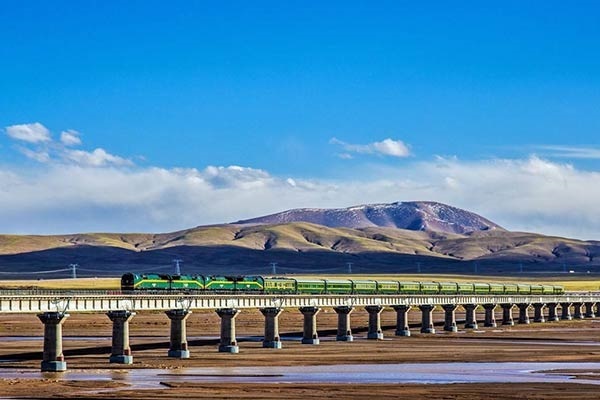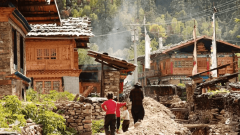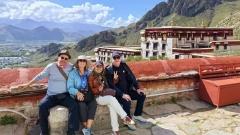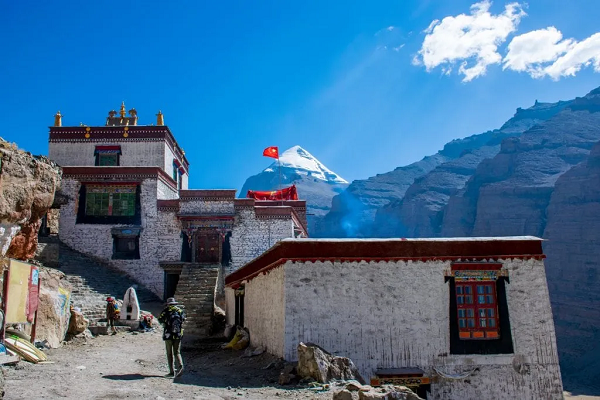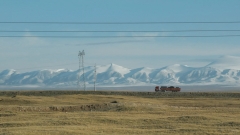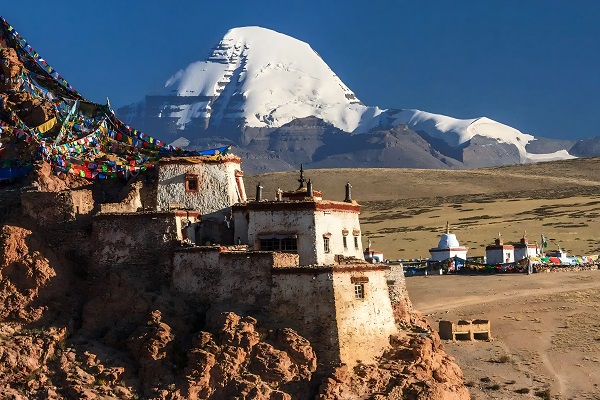

For professional landscape photographers, travel shutterbugs, and plateau scenery enthusiasts worldwide, the Namtso blue ice photography tour January & February stands as the most coveted winter photography adventure in Tibet. While most travelers opt for Tibet’s lush summer landscapes and avoid the frigid winter season, seasoned photographers know that January and February unlock Tibet’s purest, most untouched natural beauty. The deep winter plateau sheds bustling tourist crowds, boasts crystal-clear skies, ultra-clean air, minimal cloud cover, and layered soft light — creating once-in-a-year top-tier photography conditions that no other season can replicate.
Our exclusive 12-Day Tibet Winter Blue Ice Photography Tour focuses entirely on in-depth creation, covering Lhasa’s cultural landmarks, Nyingchi’s primitive winter valleys, Everest Base Camp’s snow-capped panoramas, and the star highlight — the stunning Namtso blue ice. This comprehensive SEO-optimized guide fully elaborates on the best shooting time, core photography advantages, unique winter scenery, professional tour arrangements, and travel tips for the Namtso blue ice photography tour January & February, helping you plan a perfect plateau winter photography journey and capture breathtaking high-altitude blue ice masterpieces.
Why January & February Are the Prime Time for Namtso Blue Ice Photography
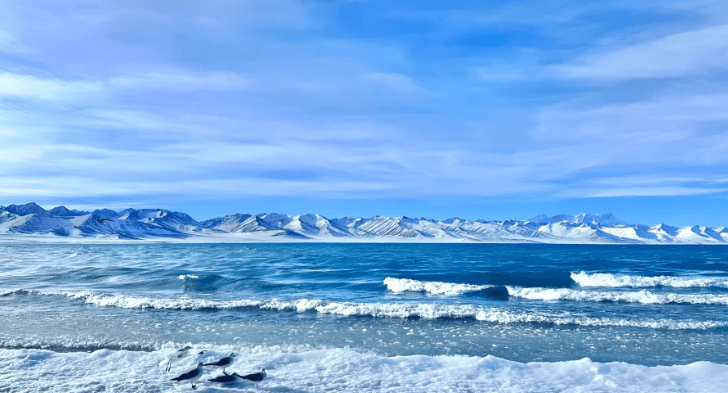
When searching for the best time for Namtso blue ice photography, professional photographers unanimously rank January and February as the absolute peak season. As one of Tibet’s three sacred lakes and known as the “Plateau Heavenly Lake”, Namtso transforms completely in deep winter, presenting a totally different landscape from its open-water summer appearance. From early January to late February, the Tibetan Plateau enters its coldest period of the year, with minimum temperatures plummeting to -20°C to -30°C. Sustained ultra-low temperatures freeze the entire Namtso lake surface thoroughly, forming a thick, stable, and safe ice sheet that stretches as far as the eye can see.
A key advantage of the Namtso blue ice photography tour January & February lies in nature’s unique winter sculpting. Strong, stable plateau winds sweep away loose surface snow on the frozen lake, exposing translucent gem-like blue ice. Under the action of extreme cold and lake water pressure, the ice sheet naturally forms delicate ice cracks, layered ice ridges, and vivid frozen ice bubbles — iconic blue ice landscapes that only appear in deep winter. The pure sapphire-blue ice field perfectly complements the snow-blanketed Nyenchen Tanglha Mountains and the cloudless azure sky, creating a dreamlike, high-contrast visual feast full of fairy-tale texture.
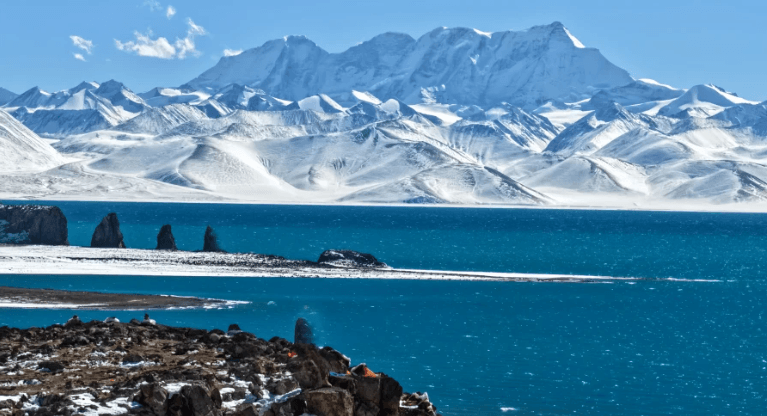
In contrast, other winter months fail to deliver ideal shooting conditions. In December, Namtso’s lake ice is incomplete and thin, posing potential safety hazards and lacking complete blue ice landscapes. Starting from March, temperatures gradually rise, causing the lake ice to melt, crack, and fade, with the unique blue ice texture disappearing rapidly. Only January and February feature stable ice structures, high-saturation blue ice tones, intact natural ice landscapes, and ultra-high air transparency, making this window irreplaceable for Namtso blue ice landscape photography.
Core Photography Advantages of Namtso Blue Ice Tour in January & February
The Namtso blue ice photography tour January & February outshines ordinary Tibet winter tours and even other plateau photography routes, thanks to its exclusive seasonal photography strengths tailored for professional creation. Unlike crowded summer photography destinations, this winter tour delivers unparalleled shooting advantages in scenery purity, light quality, and shooting experience.
First, crowd-free pure original shooting scenes. January and February belong to Tibet’s tourism off-season. Most conventional travel groups avoid Tibet’s winter due to low temperatures, resulting in almost no tourists at core scenic spots. During the entire winter Namtso blue ice photography tour, photographers can set up equipment freely on the vast ice field, capture clean, passerby-free blue ice close-ups and grand panoramic shots, and completely avoid the trouble of crowd interference that plagues summer photography. Every frame retains the primitive, solemn, and pure beauty of the plateau’s frozen scenery.
Second, premium plateau winter light for layered photography. The Tibetan Plateau features stable winter weather, extremely low rainfall, and thin atmospheric haze. The air transparency reaches its annual peak in January and February, allowing sunlight to penetrate unobstructedly and form rich light layers. The morning and evening golden shooting hours are longer than other seasons, with soft, three-dimensional light that perfectly highlights the delicate textures of blue ice, the rugged lines of ice cracks, and the grand contours of snow-capped mountains. Meanwhile, the clear night sky creates excellent conditions for plateau starry sky photography, enabling photographers to capture stunning works of blue ice matching the Milky Way.
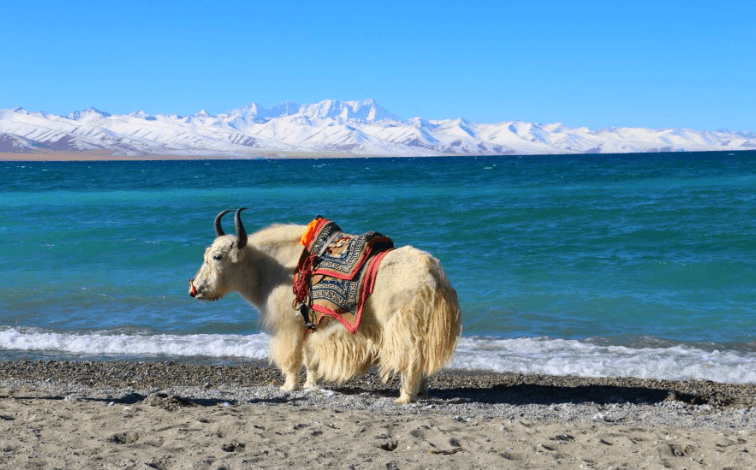
White Yaks at Namtso Lake
Third, exclusive seasonal landscape exclusivity. The blue ice, ice bubble clusters, and large-scale ice ridge landscapes of Namtso are seasonal limited scenery exclusive to January and February. The thick frozen ice sheet ensures safe walking and close-range shooting, allowing creators to flexibly adjust shooting angles and distances to record micro ice textures and macro ice field panoramas. This unique frozen plateau scenery cannot be replicated in any other season, making the Namtso blue ice photography tour January & February a must-take journey for landscape photography collectors.
12-Day Tibet Winter Blue Ice Photography Tour: Diversified Shooting Themes
Our classic 12-Day Tibet Winter Blue Ice Photography Tour: Lhasa, Nyingchi, Everest Base Camp & Namtso is professionally customized for photography enthusiasts focusing on Namtso blue ice photography in January & February. Different from rigid sightseeing group tours with rushed check-in schedules, this route abandons meaningless tourist arrangements, takes in-depth light-chasing photography as the core, and integrates multiple high-quality plateau photography themes to maximize your travel creation harvest.
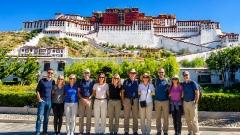
The tour starts from Lhasa, arranging sufficient shooting time for classic humanistic landmarks. In winter, Lhasa has mild daytime temperatures and clear skies, with fewer tourists around the Potala Palace, Jokhang Temple, and Barkhor Street. Photographers can capture quiet winter humanistic scenes, religious customs, and architectural details, perfectly combining plateau humanities and natural scenery. Next, the route extends to Nyingchi‘s winter primitive valleys. Unlike its prosperous summer scenery, Nyingchi in January and February presents quiet snow forests, frozen streams, and misty mountain valleys, delivering fresh and elegant winter natural shooting materials different from snow mountains and blue ice.
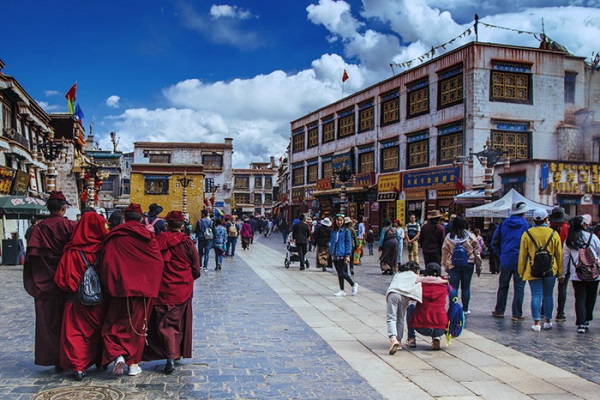
The Bustling Barkhor Street
The itinerary then moves to Everest Base Camp, the world-class snow mountain photography holy land. Winter’s clear weather ensures a 99% visibility rate of Mount Everest. The snow-covered peak stands tall against the pure blue sky, with layered cloud sea and sunrise/sunset glow, allowing photographers to record the grandest snow mountain panorama and golden peak scenery. Finally, the tour focuses on the core highlight — in-depth creation at Namtso Lake. We reserve long enough shooting time in the best blue ice viewing and shooting areas, guiding photographers to capture ice crack stretching lines, transparent blue ice textures, frozen bubble groups, and the integrated scenery of blue ice, snow mountains, and blue sky.
Day 1: Arrival in Lhasa
Day 2: Lhasa – Basum Tso – Nyang River – Nyingchi (390 km)
Day 3: Nyingchi – Lulang – Ranwu Lake – Bomi (380 km)
Day 4: Bomi – Laigu Glacier – Yalong Glacier – Nyingchi(300 km)
Day 5: Nyingchi – Kading Valley – Lhasa (460 km)
Day 6: Lhasa City Tour: Potala Palace • Jokhang Temple • Barkhor Street
Day 7: Lhasa – Yamdrok Lake – Karola Glacier – Shigatse
Day 8: Shigatse – Tingri – Gyatso La Pass – Everest Base Camp – Basong Village
Day 9: Everest Base Camp – Gawula Pass – 318 Highway – Shigatse
Day 10: Shigatse – Tashilhunpo Monastery – Lhasa
Day 11: Lhasa – Namtso Lake – Northern Tibetan Grasslands – Lhasa
Day 12: Departure from Lhasa
This 12-day route perfectly balances humanistic documentary, grand snow mountain landscapes, delicate valley scenery, and exclusive blue ice creation. A single Namtso blue ice photography tour January & February meets all your creation demands for plateau winter photography themes, greatly enriching the diversity and hierarchy of your photography works.
Professional Customized Service for Winter Namtso Blue Ice Photography Tour
To ensure every photographer enjoys a safe, comfortable, and high-yield winter Namtso blue ice photography tour, we provide exclusive professional travel support tailored for plateau winter photography, solving all worries about altitude sickness, cold resistance, shooting efficiency, and itinerary flexibility.
We adopt a scientific gradual altitude adaptation plan. The route rises from low-altitude Lhasa to mid-altitude Nyingchi and high-altitude Everest Base Camp and Namtso, allowing the body to slowly adapt to plateau air pressure and oxygen content, effectively reducing altitude sickness risks and ensuring physical condition supports long-time outdoor shooting. Different from ordinary tour groups with tight schedules and compulsory shopping, our photography tour completely prioritizes creation, with no forced arrangements. All schedule gaps are reserved for light chasing and temporary in-depth shooting, fully guaranteeing core photography time.
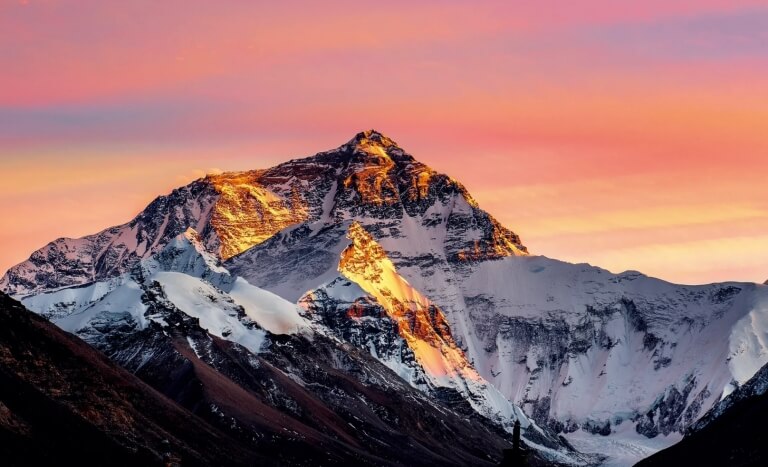
Golden Sunset of Mount Everest
Our service team consists of veteran plateau drivers and professional photography guides with years of winter Tibet photography experience. They are familiar with the best shooting viewpoints, golden light time periods, winter weather change rules, and road conditions of Namtso. During the tour, guides provide real-time professional shooting parameter suggestions, angle guidance, and light adjustment skills according to weather and light changes, helping beginners quickly master blue ice photography skills and assisting professional photographers in capturing more innovative and stunning works.
For the harsh winter plateau environment, we provide comprehensive safety and cold-proof guarantees.
Warm air-conditioned vehicles, portable oxygen supplies, professional cold-proof equipment, and emergency snowstorm response plans are fully prepared to cope with extreme low temperatures and complex winter road conditions. Meanwhile, the itinerary supports flexible adjustment. We can appropriately modify the shooting sequence and stay time according to real-time weather, light conditions, and shooting progress to seize the best photography opportunities and maximize your creation harvest.
Tips for Perfect Namtso Blue Ice Photography in January & February
To help every photographer obtain high-quality works on the Namtso blue ice photography tour January & February, we summarize practical professional photography and travel tips based on years of plateau winter photography experience. In terms of equipment preparation, the ultra-low temperature of the Namtso ice field will accelerate camera battery consumption, so it is necessary to prepare 2-3 fully charged spare batteries and keep them warm. It is recommended to carry wide-angle lenses for grand ice field panoramas and macro lenses for shooting delicate ice bubbles and ice crack textures. In addition, a professional tripod is essential for stable long-exposure shooting of starry skies and ice field layered scenery.
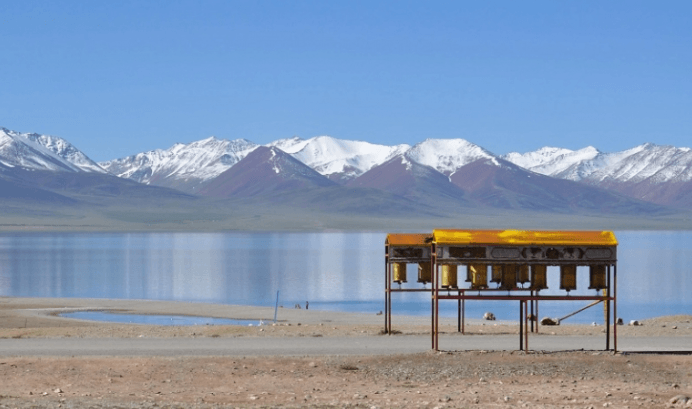
In terms of shooting skills, the blue ice of Namtso has high color saturation under strong sunlight. It is recommended to shoot in the morning and evening golden hours to avoid harsh midday light. Soft oblique light can better highlight the three-dimensional sense of ice textures and the transparent texture of blue ice. For ice bubble and ice crack details, using low-angle shooting can enhance the sense of hierarchy and visual impact of the picture. For large ice field panoramas, matching snow-capped mountains and blue sky can enrich the picture elements and present the grandeur of the plateau frozen scenery.
In terms of travel protection, January and February’s Namtso ice field is extremely cold. Photographers need to wear professional cold-proof and windproof outdoor clothing, anti-slip warm shoes, and protective gloves and hats to avoid frostbite. When shooting on the ice field, follow the guide’s arrangement and walk in safe areas to avoid stepping on unfrozen thin ice. Reserve physical strength for long-time outdoor shooting to ensure continuous creation status.
Conclusion
The Namtso blue ice photography tour in January and February offers a rare, unforgettable winter photography feast on the Tibetan Plateau that no seasonal itinerary can replicate. Steady low temperatures during these two months form flawless blue ice landscapes. Coupled with uncrowded shooting spots and premium plateau light, this period creates perfect conditions for blue ice photography.
Our tailor-made 12-day winter blue ice photography tour combines Lhasa’s profound cultural heritage, Nyingchi’s serene winter valleys, the grand snow-capped vistas of Mount Everest, and Namtso’s magical blue ice. Covering a rich variety of photography themes, we deliver professional full-time photography guidance and reliable travel support.
Escape the bustling summer tourist crowds. Wander across the vast frozen surface of Namtso Lake, experience the pure blue ice of the plateau, and capture breathtaking scenes where ice, snow, sky and mountains unite. Whether you are a professional landscape photographer chasing outstanding works or an enthusiast captivated by plateau scenery, this Namtso blue ice photography tour in January and February will deliver an unparalleled visual experience. Secure your spot on our exclusive Tibet winter blue ice photography tour today. Don’Ft miss the annual prime window for blue ice shooting, and embark on your one-of-a-kind plateau winter light-chasing journey.