
Traveling from Kathmandu to Lhasa overland is one of the most spectacular Himalayan journeys in the world. Many travelers search for a direct bus between these two iconic cities, but the reality is more complicated due to international border procedures and Tibet travel regulations. This guide explains whether you can take a bus from Kathmandu to Lhasa, what the actual travel route looks like, and the best way for international visitors to experience this unforgettable adventure.
Key Points Summary:
- There is no direct public bus from Kathmandu to Lhasa for international tourists.
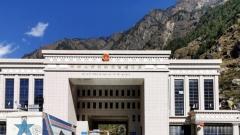
- The overland route requires crossing the Nepal-China border through Gyirong Port.
- International travelers need proper Tibet travel arrangements and permits before entering Tibet.
- Joining a professional Tibet overland tour is the safest and most convenient option.
- The classic route combines Lhasa, Everest Base Camp, Shigatse, Yamdrok Lake, Gyirong Valley, and Kathmandu.
- TibetYulong Travel provides professionally organized Tibet-Nepal overland tours with local guides and experienced drivers.
Is There a Direct Bus from Kathmandu to Lhasa?
Many travelers planning a Himalayan adventure search online for “Kathmandu to Lhasa by bus” because they imagine traveling between two legendary Himalayan cities by a simple long-distance bus.
However, the reality is different. There is currently no direct public bus running from Kathmandu to Lhasa.
Although Kathmandu in Nepal and Lhasa in Tibet are connected by one of the most beautiful mountain routes in the world, this journey involves crossing an international border and entering the Tibet Autonomous Region, which has special travel requirements for foreign visitors.
You cannot simply arrive at a bus station in Kathmandu, purchase a ticket, and take a public bus directly to Lhasa.
Instead, international travelers who want to experience this legendary overland route normally need to arrange their journey through a professional Tibet travel agency. The travel agency helps organize transportation, border procedures, Tibet travel permits, accommodation, and local guide services.
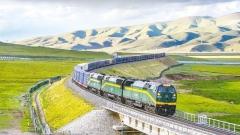
The Kathmandu–Lhasa route is not just a transportation connection. It is one of the most spectacular overland journeys in Asia, combining the Himalayas of Nepal with Tibet’s sacred mountains, ancient monasteries, and high-altitude landscapes.
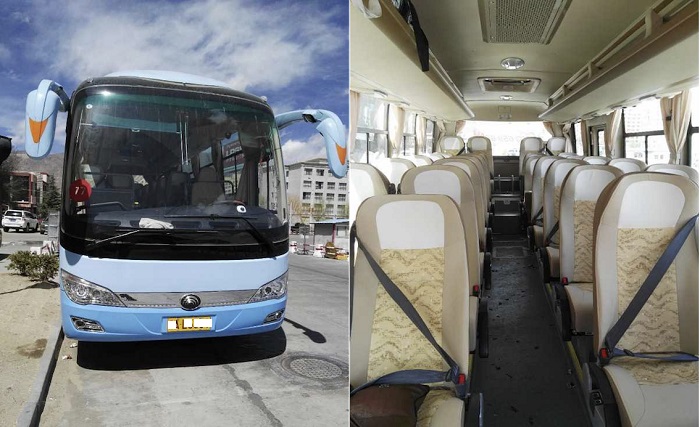
Tibet Travel Vehicles
How Can Tourists Travel from Kathmandu to Lhasa Overland?
Although there is no direct bus, travelers can still complete the journey overland.
The classic route follows:
Kathmandu → Nepal-China Border (Gyirong Port) → Tibet → Lhasa
The first part of the journey starts in Nepal. Travelers usually travel from Kathmandu to the Gyirong border area by private vehicle or organized transfer.
After completing border procedures and entering Tibet, the journey continues across the Tibetan Plateau toward Lhasa.
The overland route offers some of the most impressive scenery in the world:
- Himalayan mountain ranges;
- Snow-covered peaks;
- Sacred Tibetan lakes;
- Ancient monasteries;
- Vast plateau landscapes;
- Traditional Tibetan villages.
For many travelers, the journey itself becomes the highlight of their Tibet trip.
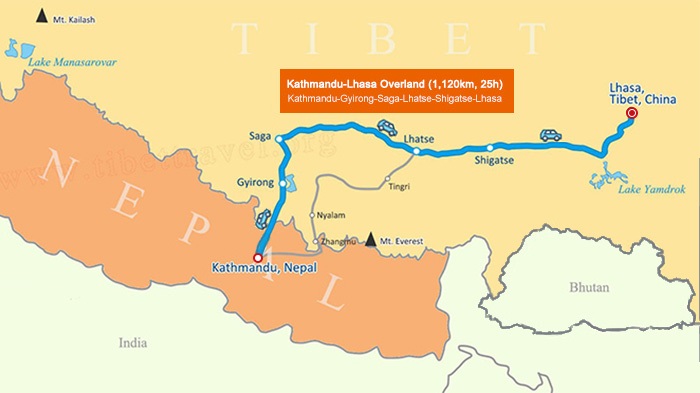
Kathmandu to Lhasa Overland Rroute
Why Is There No Public Bus from Kathmandu to Lhasa?
International Border Crossing Requirements
The biggest reason there is no direct Kathmandu to Lhasa bus is that the route crosses between Nepal and China. International travelers need to complete immigration procedures at the border before entering Tibet.
In addition, Tibet has special tourism regulations for foreign visitors. Travelers generally need:
- Tibet Travel Permit;
- Organized travel arrangements;
- Professional guide service;
- Approved transportation within Tibet.
Because of these requirements, ordinary public transportation cannot operate like a normal international bus route.
A professional Tibet travel agency manages these procedures in advance, allowing travelers to focus on enjoying the journey rather than dealing with complicated logistics.
Tibet Travel Restrictions for International Visitors
Many travelers are surprised to learn that independent backpacking in Tibet is different from traveling in most other parts of China.
Foreign visitors cannot simply rent a car, take random public transportation, and explore Tibet freely.
A licensed Tibet travel agency is required to arrange:
- Your Tibet itinerary;
- Required permits;
- Tourist vehicle;
- Local Tibetan guide.
This system helps protect Tibet’s unique culture, environment, and tourism resources while ensuring international visitors have proper support during their journey.
Can I Take a Local Bus from Kathmandu to the Border?
Technically, travelers can find local transportation from Kathmandu toward the Nepal-China border area.
Local buses and shared vehicles operate between Kathmandu and areas near the border, including routes toward Gyirong.
However, this option is usually not recommended for international tourists.
The Nepal side of the journey is already challenging because the road passes through mountainous terrain.
Travelers may experience:
- Long travel times;
- Frequent stops;
- Crowded vehicles;
- Limited luggage space;
- Communication difficulties;
- Uncertain schedules.
Local transportation can be an interesting experience for adventurous backpackers, but it is not the most comfortable choice for travelers who have limited time or are carrying large luggage.
For most international visitors, a private transfer or organized Tibet-Nepal overland tour provides a much smoother experience.
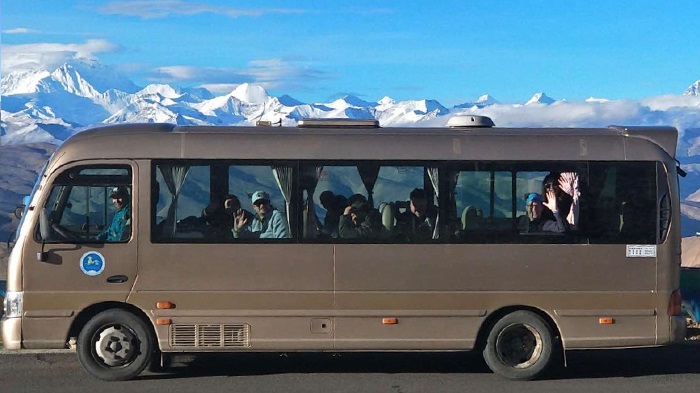
Tibet Travel Vehicles
What Is the Best Way to Travel from Kathmandu to Lhasa?
For international tourists, the best option is to join a professional Kathmandu to Lhasa overland tour.
A reliable local Tibet travel agency can arrange the entire journey from beginning to end.
The benefits include:
Hassle-Free Border Crossing
Crossing between Nepal and Tibet can be confusing for first-time visitors.
A professional team helps with:
- Border procedures;
- Permit checks;
- Transportation connections;
- Communication with local authorities.
This greatly reduces stress during the journey.
Professional Tibetan Guide and Driver
A knowledgeable local guide does much more than provide directions.
They help travelers understand:
- Tibetan Buddhism;
- Local traditions;
- Historical sites;
- Tibetan culture.
Experienced drivers are also essential because Himalayan roads require local knowledge and careful driving skills.
Better Altitude Adaptation
Another advantage of an organized overland route is the opportunity for gradual altitude adjustment.
Many travelers prefer starting their Tibet journey in Lhasa before traveling toward higher areas such as Everest Base Camp.
Spending time in Lhasa first allows your body to adapt before reaching extremely high-altitude destinations.
How Many Days Do You Need for Kathmandu to Lhasa Overland Travel?
A comfortable Kathmandu to Lhasa overland journey usually takes around 7 to 8 days.
A good itinerary should not only focus on reaching the destination but also allow enough time to enjoy the landscapes and adapt to altitude.
A typical route includes:
- Lhasa sightseeing;
- Tibetan monasteries;
- Yamdrok Lake;
- Shigatse;
- Everest Base Camp;
- Himalayan mountain viewpoints;
- Gyirong Valley;
- Border crossing into Nepal.
Trying to complete this journey too quickly can reduce the travel experience and increase the challenge of altitude changes.
Highlights of the Kathmandu to Lhasa Overland Route
Lhasa: The Spiritual Heart of Tibet
Lhasa is the cultural center of Tibet and the starting point for many Himalayan adventures.
The city is home to world-famous landmarks such as:
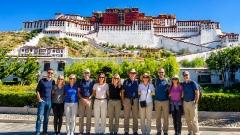
- Potala Palace;
- Jokhang Temple;
- Barkhor Street;
- Drepung Monastery;
- Sera Monastery.
Beyond the famous attractions, Lhasa offers travelers the chance to experience Tibetan daily life, traditional markets, and centuries-old Buddhist culture.
Yamdrok Lake: One of Tibet’s Sacred Lakes
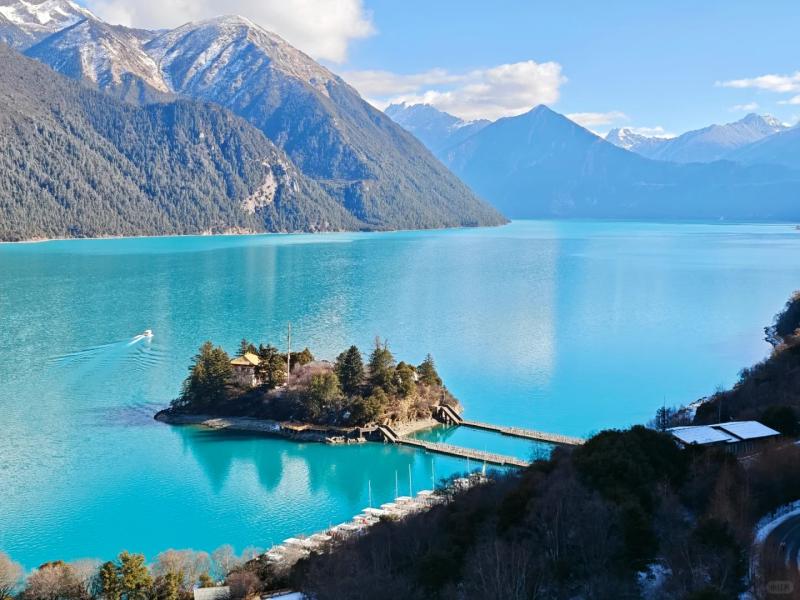
Yamdrok Lake is one of Tibet’s most beautiful natural landmarks.
Its turquoise water, surrounding snow mountains, and high-altitude location create one of the most photographed landscapes on the Tibetan Plateau.
Many travelers consider the viewpoint overlooking Yamdrok Lake one of the unforgettable moments of their Tibet journey.
Everest Base Camp: Standing Beneath the World’s Highest Mountain
The Tibet side of Mount Everest offers a unique perspective of the world’s highest peak.
Compared with many other viewpoints, Tibet’s northern base camp provides a clearer and more accessible view of Mount Everest.
Travelers can experience:
- The dramatic Himalayan scenery;
- Rongbuk Monastery;
- Sunset and sunrise over Everest;
- The vast Tibetan Plateau.
Shishapangma and Peiku Tso Lake
The route toward Gyirong offers another side of Tibet’s natural beauty.
Shishapangma, one of the world’s highest mountains, dominates the landscape, while Peiku Tso Lake creates a stunning contrast between blue water and snow-covered peaks.
This section of the journey is quieter and less crowded, offering travelers a deeper connection with Tibet’s wilderness.
Gyirong Valley and the Himalayan Border
Gyirong Valley is located near the Nepal border and is famous for its dramatic mountain scenery.
Unlike the dry landscapes often associated with Tibet, Gyirong has a greener environment due to its unique Himalayan climate.
It serves as the final Tibetan stop before crossing into Nepal.
Is the Road from Kathmandu to Lhasa Safe?
Road conditions vary between Nepal and Tibet.
Nepal Side
The road from Kathmandu toward the Gyirong border is a mountain road.
Depending on weather conditions, travelers may encounter:
- Narrow roads;
- Mountain curves;
- Rain-related delays;
- Uneven sections.
However, experienced local drivers are familiar with the route and know how to handle Himalayan road conditions.
Tibet Side
The Tibetan side generally offers excellent road conditions. Modern highways connect major destinations including:
- Lhasa;
- Shigatse;
- Everest Base Camp;
- Gyirong.
Travelers can enjoy comfortable driving while viewing some of the world’s most spectacular mountain scenery.
Best Time to Travel from Kathmandu to Lhasa by Road
The best seasons for this Himalayan journey are generally:
March to May
Spring is one of the best periods for traveling because:
- Weather is comfortable;
- Mountain views are often clear;
- Everest scenery is impressive.
September to November
Autumn is another ideal season. After the monsoon season, the skies are usually clearer, creating excellent conditions for photography and sightseeing.
June to August
The Nepal monsoon season can bring heavy rainfall and possible road delays. Although tours may still operate, travelers should expect less predictable conditions.
Tibet Yulong’s 8 Days Kathmandu to Lhasa Overland Tour
For travelers searching for a safe and comfortable way to experience the Himalayan route, Tibet Yulong Travel offers a professionally designed 8-Day Lhasa to Kathmandu Overland Tour.
Instead of spending valuable vacation time dealing with transportation arrangements, travelers can enjoy a complete journey supported by a local Tibet travel team.
- Kathmandu to Gyirong-Crossing the Border into Tibet
- Gyirong Valley-Hike to Milarepa Cave
- Gyirong to Tingri: visit Everest Base Camp
- Tingri to Shigatse: G318 Milestones & Tashilhunpo Monastery
- Shigatse to Lhasa: Karola Glaciers, Yamdrok Lakes & Historic Highway
- Lhasa Tour City Tour: visit Drepung Monastery and Sera Monastery
- Lhasa Tour City Tour: Explore The Potala Palace, Jokhang Temple & Barkhor Street
- Lhasa Departure
As a Tibet-based travel agency, Tibet Yulong Travel specializes in creating authentic Tibet experiences for international travelers. Our local Tibetan guides and experienced drivers provide professional support throughout the journey, helping visitors explore Tibet safely and comfortably. The road between Kathmandu and Lhasa is not simply a route between two cities. It is a journey across the Himalayas, connecting Nepal’s mountain culture with Tibet’s spiritual landscapes.
For travelers who dream of exploring Everest, discovering Tibetan culture, and experiencing one of the world’s greatest overland adventures, Tibet Yulong Travel is ready to help make that dream a reality.