
Planning a Himalayan adventure in 2026 and wondering whether you should visit Nepal or Tibet? Both destinations offer breathtaking mountain scenery, ancient cultures, and unforgettable experiences, but they reveal completely different sides of the Himalayas. Instead of choosing between them, combining Nepal and Tibet in one journey allows you to discover the world’s highest mountains, explore the roots of Himalayan Buddhism, and experience two unique cultures connected by centuries of history.
Key Points Summary:
- Nepal and Tibet offer different but complementary Himalayan experiences, making them ideal destinations to combine in one trip.
- Visiting both sides of Mount Everest provides a more complete view of the world’s highest mountain.
- Nepal is famous for trekking, Himalayan villages, and Buddhist heritage, while Tibet is known for sacred monasteries, the Tibetan Plateau, and spiritual landscapes.
- The best way to experience both regions is through a Nepal-Tibet overland journey via Gyirong Border.
- The classic Lhasa to Kathmandu and Kathmandu to Lhasa routes combine Everest Base Camp, Shigatse, Gyirong Valley, and Kathmandu.
- Tibet Yulong Travel helps international visitors arrange Tibet Travel Permits, China Group Visa support, transportation, local guides, and complete Nepal-Tibet travel experiences.
Nepal Or Tibet In 2026: Which Himalayan Destination Should You Choose?
When travelers begin planning a Himalayan adventure, one of the most common questions is: “Should I visit Nepal or Tibet?”
The truth is that both destinations are extraordinary, but they offer completely different experiences.
Nepal is famous around the world for its legendary trekking routes, including the Everest region, Annapurna trails, and remote mountain villages. It is a destination where travelers can experience colorful cities, diverse ethnic cultures, traditional hospitality, and dramatic Himalayan landscapes.
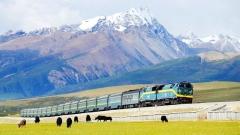
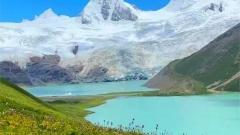
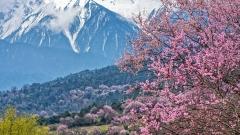
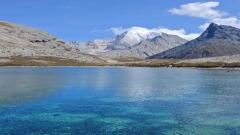
Tibet, often called the “Roof of the World,” offers a completely different atmosphere. Located on the highest plateau on Earth, Tibet is known for its deep Buddhist traditions, ancient monasteries, sacred lakes, endless grasslands, and breathtaking high-altitude scenery.
Choosing between Nepal and Tibet is difficult because each destination represents a different side of the Himalayas.
However, for travelers who have enough time, the best answer is simple: visit both.
A Nepal-Tibet journey allows you to understand the Himalayas from two perspectives — the southern Himalayan world of Nepal and the high Tibetan Plateau civilization.
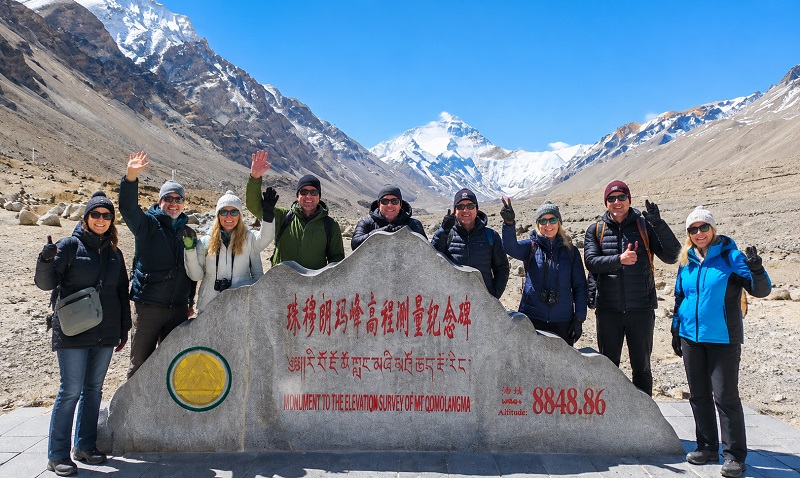
Mount Everest
Nepal And Tibet: Two Different Perspectives Of The Himalayas
Although Nepal and Tibet are separated by the Himalayan mountain range, they share a deep connection through geography, history, and religion.
The Himalayas are not just a physical barrier between these two regions. For centuries, they have also been a bridge connecting different cultures.
Nepal sits on the southern side of the Himalayas, where lush valleys, forests, and mountain villages create a landscape full of life and diversity.
Tibet lies on the northern side, where vast plateaus, dramatic mountains, and ancient Buddhist traditions create a completely different environment.
By visiting both destinations, travelers can see how the same mountain range creates two unique worlds.
Why Visit Nepal: The Gateway To The Himalayas
Nepal has long been one of the world’s most popular destinations for mountain lovers.
The country offers a combination of natural beauty, cultural diversity, and outdoor adventure that attracts travelers from around the globe.
Trekking And Mountain Adventures In Nepal
For many visitors, Nepal is synonymous with trekking.
The country is home to some of the most famous trekking routes in the world, including the Everest Base Camp Trek and Annapurna Circuit.
Walking through Nepal’s mountain trails allows travelers to experience:
- Traditional Himalayan villages;
- Sherpa culture;
- Buddhist monasteries;
- Forest-covered valleys;
- Close-up views of Himalayan peaks.
Unlike Tibet’s high plateau environment, Nepal’s mountains feature dramatic elevation changes, from tropical valleys to snow-covered peaks.
This diversity makes Nepal especially attractive for travelers who enjoy hiking and outdoor activities.
Kathmandu: A Cultural Treasure Of The Himalayas
Kathmandu is more than just the starting point for Himalayan adventures.
The city itself is a fascinating destination filled with history, religion, and traditional architecture.
Visitors can explore:
- Ancient temples;
- Buddhist stupas;
- Historic royal squares;
- Traditional markets.
As a cultural crossroads between India, Tibet, and Central Asia, Kathmandu has preserved centuries of religious and cultural exchange.
The city also plays an important role in understanding the connection between Nepal and Tibet.
Nepal’s Connection With Buddhism
Nepal holds an important place in Buddhist history because it is the birthplace of Lord Buddha.
Over centuries, Buddhist teachings traveled through the Himalayan region and eventually became deeply connected with Tibetan Buddhism.
This historical connection can still be seen today through:
- Monasteries;
- Religious artwork;
- Pilgrimage traditions;
- Shared Buddhist practices.
Traveling from Nepal to Tibet allows visitors to follow part of this historical cultural path and understand how Buddhism developed across the Himalayas.
Why Visit Tibet: Discover The Spiritual Heart Of The Plateau
While Nepal offers incredible mountain adventures, Tibet provides a completely different kind of Himalayan experience.
Tibet is not only about mountains. It is about spirituality, ancient traditions, and a unique way of life shaped by the high plateau environment.
Lhasa: The Spiritual Capital Of Tibet
Lhasa is the heart of Tibetan culture and one of the most fascinating cities in Asia.
Located at an altitude of approximately 3,650 meters, Lhasa combines ancient religious traditions with modern Tibetan life.
The city’s most famous attractions include:
- Potala Palace;
- Jokhang Temple;
- Barkhor Street;
- Drepung Monastery;
- Sera Monastery.
For international travelers, visiting Lhasa provides an opportunity to experience Tibetan Buddhism through architecture, rituals, and daily life.
Walking through Barkhor Street and watching pilgrims circle around Jokhang Temple is one of the most unforgettable cultural experiences in Tibet.
The Tibetan Plateau: A Landscape Unlike Anywhere Else
One of the biggest differences between Nepal and Tibet is the landscape.
Nepal’s mountains are dramatic and vertical, while Tibet offers endless open spaces and vast horizons.
The Tibetan Plateau features:
- Snow-covered mountains;
- Sacred lakes;
- High-altitude grasslands;
- Remote villages;
- Ancient monasteries.
Traveling across Tibet feels like entering another world.
The combination of altitude, silence, and enormous landscapes creates an experience that many travelers describe as deeply peaceful and spiritual.
Mount Everest: Why You Should See It From Both Sides
Mount Everest is the greatest symbol connecting Nepal and Tibet.
Many travelers visit Nepal because of the famous Everest trekking routes, while others travel to Tibet to experience the northern face of Everest.
Seeing Everest from both sides provides two completely different perspectives.
From Nepal:
- Travelers can trek through the famous Everest region;
- Experience Sherpa villages;
- Follow mountain trails toward the southern base camp.
From Tibet:
- Travelers can reach Everest Base Camp by vehicle;
- Enjoy panoramic views of the northern face;
- Visit Rongbuk Monastery near the mountain.
Combining Nepal and Tibet creates a complete Everest experience that few destinations in the world can offer.
Why A Nepal And Tibet Trip In 2026 Is Better Than Choosing Only One?
If you only visit Nepal or Tibet, you will experience one side of the Himalayas. However, combining both destinations creates a much deeper and more complete Himalayan journey.
The reason is simple: Nepal and Tibet complement each other.
Nepal introduces travelers to the southern side of the Himalayas, where mountain communities, trekking routes, and diverse cultures create a lively and colorful experience.
Tibet reveals the northern side of the Himalayas, where the landscape becomes vast, quiet, and spiritual, shaped by the unique environment of the Tibetan Plateau.
A combined Nepal-Tibet trip allows travelers to experience:
- Two different views of Mount Everest;
- Two unique Himalayan cultures;
- Ancient Buddhist connections across borders;
- Dramatic changes in landscapes and altitude;
- A complete journey through the heart of the Himalayas.
Instead of asking “Nepal or Tibet?”, many experienced travelers choose to ask: “How can I visit both?”
Experience The Himalayas From Different Perspectives
One of the greatest advantages of combining Nepal and Tibet is seeing how the Himalayas change depending on where you stand.
From Nepal’s side, the mountains rise dramatically from green valleys and villages. The journey often feels more adventurous, with trekking routes passing through forests, rivers, and traditional settlements.
From Tibet’s side, the mountains emerge from the enormous Tibetan Plateau. The landscape feels wider and more powerful, with open roads, endless skies, and sacred places scattered across the plateau.
These two perspectives create a more complete understanding of the Himalayas.
A traveler who has only visited Nepal may admire Everest but miss the Tibetan cultural landscape behind the mountain.
A traveler who has only visited Tibet may experience the plateau but miss Nepal’s rich mountain communities.
Visiting both allows you to appreciate the Himalayas as a complete natural and cultural region.
The Best Ways To Travel Between Nepal And Tibet In 2026
Traveling between Nepal and Tibet is easier than many travelers expect.
Currently, international visitors generally have two main options:
- Overland travel through the Himalayas;
- Direct flights between Kathmandu and Lhasa.
The best choice depends on your available time, travel style, and what kind of experience you want.
For most travelers, the overland route is the most rewarding option because the journey itself becomes the highlight.
For travelers with limited vacation time, flying provides a faster and more convenient connection.
Nepal Tibet Overland Tour: The Ultimate Himalayan Adventure
For travelers who want to truly experience the Himalayas, an overland journey between Nepal and Tibet is the best choice.
Unlike a flight that takes you directly from one city to another, an overland adventure allows you to explore the incredible landscapes between them.
The classic route follows the Sino-Nepal Friendship Highway and connects:
Kathmandu → Gyirong Border → Everest Base Camp → Shigatse → Lhasa
This route covers approximately 1,300 kilometers and includes some of the most spectacular scenery in Asia.
During the journey, travelers can experience:
- The Nepal-Tibet border crossing;
- Beautiful Gyirong Valley;
- Tibet Everest Base Camp;
- Mount Everest views;
- Tibetan monasteries;
- Sacred lakes;
- Historic cities.
The route is not simply transportation. It is a complete Himalayan adventure.
Kathmandu To Lhasa Overland Tour: Enter Tibet Through The Himalayas
For travelers who begin their journey in Nepal, the Kathmandu to Lhasa overland route is one of the most unforgettable ways to enter Tibet.
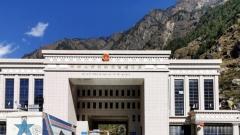
The journey usually starts in Kathmandu and continues toward the Gyirong Border, where travelers cross from Nepal into Tibet.
After entering Tibet, the route continues through some of the region’s most famous destinations.
Highlights include:
- Gyirong Valley;
- Mount Everest northern base camp;
- Rongbuk Monastery;
- Shigatse;
- Yamdrok Lake;
- Lhasa.
One of the greatest moments of this journey is standing at Tibet Everest Base Camp and looking directly toward Mount Everest’s northern face.
The experience of approaching the world’s highest mountain by road creates a powerful sense of adventure.
Lhasa To Kathmandu Overland Tour: Explore Tibet Before Nepal
Many travelers choose to start in Tibet and finish their journey in Nepal.
The Lhasa to Kathmandu overland route is especially popular because it allows visitors to first explore Tibet’s cultural highlights before crossing the Himalayas toward Nepal.
A classic itinerary includes:
- Lhasa sightseeing;
- Potala Palace and Jokhang Temple;
- Yamdrok Lake;
- Shigatse;
- Tashilhunpo Monastery;
- Everest Base Camp;
- Gyirong Border;
- Kathmandu.
Starting in Lhasa also provides a comfortable introduction to Tibet because travelers can spend several days adjusting to the altitude before heading toward higher areas.
Flights Between Kathmandu And Lhasa: The Fastest Option
For travelers who do not have enough time for an overland adventure, flying between Kathmandu and Lhasa is the fastest way to connect Nepal and Tibet.
The direct flight takes approximately two hours and offers a convenient option for travelers who want to combine both destinations in a shorter holiday.
The flight route is especially useful for:
- Travelers with limited vacation days;
- Business travelers;
- Visitors who prefer comfort and efficiency.
However, travelers should remember that the altitude difference between Kathmandu and Lhasa is significant.
Kathmandu is located at around 1,400 meters above sea level, while Lhasa is approximately 3,650 meters above sea level.
Flying directly to Lhasa means your body needs to adjust quickly to the high altitude.
How To Adapt After Flying From Kathmandu To Lhasa
If you fly from Kathmandu to Lhasa, it is important to give your body enough time to adjust.
Recommended tips include:
- Take a rest after arrival;
- Drink plenty of water;
- Avoid intense exercise on the first day;
- Avoid drinking alcohol immediately after arrival;
- Follow your guide’s advice.
Many travelers feel excited after arriving in Lhasa and want to immediately explore the city, but a relaxed first day is usually the better choice.
Allowing your body to adapt will help you enjoy the rest of your Tibet journey more comfortably.
More Adventure Options: Explore Nepal And Tibet By Bike, Motorcycle, Or Self-Drive
For travelers looking for more freedom and adventure, Nepal and Tibet offer several alternative travel styles beyond traditional tours.
Cycling, motorcycle expeditions, and self-driving journeys allow visitors to experience the Himalayas in a more personal way.
However, these options require more preparation because the region includes high altitude, remote roads, and special travel regulations.
Cycling Across Nepal And Tibet
A cycling journey through Nepal and Tibet is one of the most challenging Himalayan adventures.
Riding across the Tibetan Plateau requires physical strength and preparation because travelers must deal with:
- High altitude;
- Thin air;
- Long distances;
- Strong sunlight;
- Changing weather conditions.
However, the rewards are extraordinary.
Cyclists can travel at their own pace, stop whenever they want, and experience landscapes that most visitors only see through a vehicle window.
With professional support teams, cycling adventures become safer and more enjoyable.
Travelers can stop near mountain viewpoints, visit local villages, and experience the silence of the Tibetan Plateau.
Motorcycle Adventure Across The Himalayas
Motorcycle travel provides an exciting combination of freedom and exploration.
Riding through Nepal’s mountain roads and Tibet’s high plateau highways allows travelers to experience the Himalayas in a completely different way.
The feeling of crossing high mountain passes, riding beneath endless skies, and following winding roads through dramatic landscapes is unforgettable.
With experienced local support, motorcycle travelers can enjoy:
- Flexible travel routes;
- Scenic stops;
- Remote cultural experiences;
- Close contact with local communities.
For adventure travelers, a Nepal-Tibet motorcycle journey can become one of the greatest road trips in the world.
Self-Driving In Nepal And Tibet
Self-driving is another option for travelers who want independence and flexibility.
Driving through Nepal allows visitors to explore mountain regions at their own pace.
However, Tibet has specific travel requirements, and international visitors cannot simply rent a vehicle and drive independently throughout Tibet.
Professional arrangements are required, including:
- Proper travel permits;
- Approved vehicles;
- Local assistance;
- Experienced drivers.
A professional travel agency can help organize the necessary services while still allowing travelers to enjoy a more personalized adventure.
Best Time To Visit Nepal And Tibet In 2026
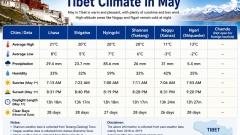
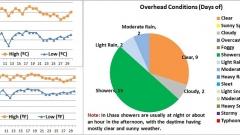
Choosing the right travel season is an important part of planning a Nepal and Tibet adventure. Because these two regions are located in the Himalayas but have different climates and landscapes, the best travel periods are slightly different.
Generally speaking, spring (March to May) and autumn (September to November) are considered the best seasons for combining Nepal and Tibet in one journey.
During these months, travelers can enjoy clearer mountain views, more stable weather conditions, and comfortable temperatures for sightseeing and outdoor activities.
Spring (March To May): The Best Season For Flowers And Himalayan Views
Spring is one of the most beautiful times to visit Nepal and Tibet.
In Nepal, the valleys and mountain areas begin to awaken after winter. Forests become green again, flowers bloom, and trekking routes become increasingly popular.
This season is especially attractive for travelers who want to experience:
- Himalayan trekking;
- Mountain villages;
- Colorful landscapes;
- Comfortable hiking conditions.
On the Tibetan side, spring brings clearer skies and excellent visibility. The mountains around Everest become especially impressive because the air is usually dry and transparent.
For travelers hoping to see Mount Everest, spring offers some of the best opportunities for spectacular mountain photography.
Autumn (September To November): The Perfect Time For Overland Travel
Autumn is widely regarded as the best season for Nepal-Tibet overland tours.
After the summer monsoon season, the sky becomes clearer, and the Himalayan mountains often appear at their most dramatic.
For overland routes between Kathmandu and Lhasa, autumn offers several advantages:
- Better road conditions;
- Clear views of Mount Everest;
- Comfortable daytime temperatures;
- Less chance of heavy rainfall.
The journey through Gyirong Valley, Everest Base Camp, and the Tibetan Plateau is particularly beautiful during this period.
Many international travelers choose September to November because it provides the ideal balance between scenery, weather, and travel comfort.
Winter (December To February): A Quiet And Unique Himalayan Experience
Winter is not the traditional peak season, but it has its own special charm.
In Tibet, winter brings extremely clear skies, fewer tourists, and peaceful landscapes.
Travelers who visit during winter may enjoy:
- Quiet monasteries;
- Less crowded attractions;
- Crystal-clear mountain views.
However, temperatures can be very cold, especially around Everest Base Camp and high-altitude areas.
In Nepal, some trekking routes remain accessible, but higher mountain regions can become challenging due to snow and freezing temperatures.
Winter travel is better suited for experienced travelers who are prepared for colder conditions.
Summer (June To August): Consider The Monsoon Season Carefully
Summer can be a complicated season for a Nepal-Tibet journey.
In Nepal, June to August is the monsoon period, bringing frequent rainfall, cloudy weather, and possible landslides in mountain areas.
The roads between Kathmandu and the Nepal-Tibet border may become more difficult during heavy rain.
However, Tibet has a different climate. Although summer is the rainy season on the plateau, most rainfall occurs at night, and daytime sightseeing is often still possible.
If traveling during summer, it is important to plan carefully and allow flexibility in your schedule.
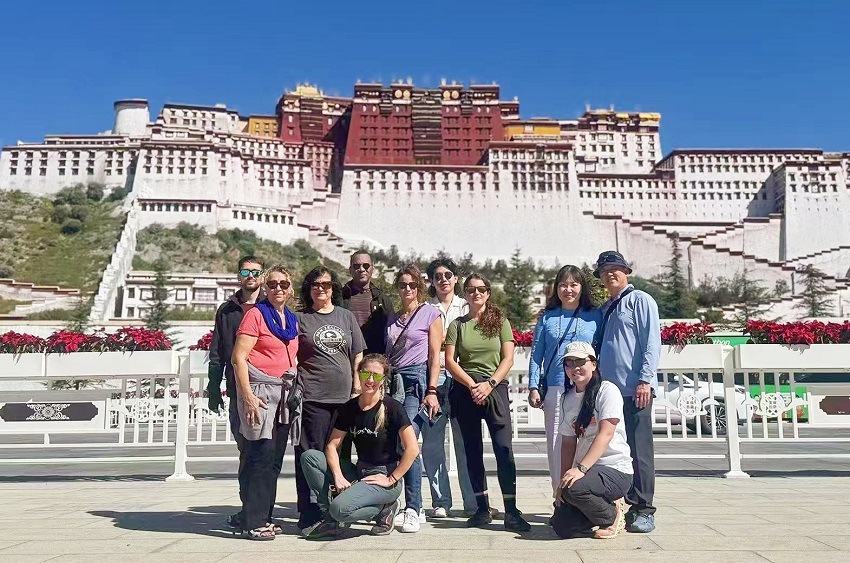
Potala Palace
Tibet Travel Permit And Nepal Tibet Border Crossing Requirements
For international visitors, traveling between Nepal and Tibet requires more preparation than a normal international trip.
Unlike traveling between many countries where visitors can move freely, Tibet has special tourism regulations designed to protect its environment, culture, and local communities.
Foreign travelers cannot travel independently in Tibet and must join an organized tour arranged by an authorized local travel agency.
Tibet Travel Permit: The Essential Document For Entering Tibet
The Tibet Travel Permit, also known as the Tibet Entry Permit, is the most important document required for international travelers visiting Tibet.
Before entering Tibet, visitors need to provide their passport information and confirmed travel plans to an authorized travel agency.
The agency will then assist with the permit application process.
The Tibet Travel Permit is required for:
- Entering Tibet by flight;
- Entering Tibet by train;
- Traveling overland from Nepal;
- Visiting major destinations in Tibet.
A reliable travel agency will handle the paperwork and make sure all necessary documents are prepared before departure.

Tibet Travel Permit – Tibet Yulong
China Group Visa For Travelers Entering Tibet From Nepal
Travelers entering Tibet from Nepal usually need a special China Group Visa instead of applying for a regular Chinese visa.
This visa is issued in Kathmandu and is specifically designed for foreign tourists entering China through Nepal and traveling to Tibet.
The process normally requires:
- Passport information;
- Travel itinerary;
- Application documents;
- Assistance from a local Tibet travel agency.
Because visa policies can change, travelers should always confirm the latest requirements before departure.
Why Choose Tibet Yulong Travel For Your Nepal Tibet Journey
A successful Himalayan adventure depends not only on the destination but also on choosing the right local travel partner.
Tibet is a unique destination with special travel requirements, high-altitude environments, and complex transportation arrangements.
Working with an experienced Tibet travel agency can make your journey smoother, safer, and more enjoyable.
Tibet Yulong Travel specializes in organizing Tibet tours for international travelers, including Nepal-Tibet overland adventures, Everest Base Camp journeys, and customized private tours.
A Local Tibet Travel Agency With Real Destination Experience
One of the biggest advantages of choosing a local Tibet travel company is direct access to local resources.
A local team understands:
- Tibet’s travel regulations;
- Mountain road conditions;
- Local accommodation options;
- Cultural etiquette;
- Altitude challenges.
Instead of relying on multiple intermediaries, travelers can communicate directly with a Tibet-based team that manages the entire journey.
This allows for clearer communication, better coordination, and more transparent travel planning.
Complete Nepal Tibet Travel Services
For international visitors, TibetYulong Travel provides support throughout the entire journey, including:
- Tibet Travel Permit application assistance;
- Nepal-Tibet border transfer arrangements;
- Professional English-speaking guides;
- Experienced local drivers;
- Vehicle arrangements;
- Hotel recommendations;
- Customized itinerary planning.
Whether you want a classic Kathmandu to Lhasa overland tour, a Lhasa to Kathmandu adventure, or a private Himalayan expedition, the local team can design a suitable route based on your travel style.
Professional Local Guides And Drivers
A great Himalayan journey depends heavily on the people who accompany you.
TibetYulong Travel works with experienced local guides and drivers who understand Tibet’s geography, culture, and high-altitude environment.
Professional Tibetan guides can help travelers better understand:
- Buddhist traditions;
- Tibetan history;
- Local customs;
- Religious sites;
- Everyday life on the plateau.
Experienced drivers are equally important because many Tibet routes involve long-distance mountain roads and high-altitude areas.
Their knowledge of road conditions helps travelers enjoy a safer and more comfortable journey.
Should You Visit Nepal Or Tibet In 2026? The Best Answer Is Both
Nepal and Tibet are not competing destinations. They are two connected parts of the greater Himalayan world.
Nepal offers mountain adventures, trekking experiences, colorful cultures, and the warmth of Himalayan villages. Tibet offers sacred landscapes, ancient Buddhist traditions, endless plateau scenery, and unforgettable spiritual experiences. By combining both destinations, travelers can experience the Himalayas in the most complete way possible.
You can stand beneath Mount Everest from two different countries, follow ancient cultural connections across the Himalayas, and create a journey that goes far beyond ordinary sightseeing.
Whether you choose an overland adventure from Kathmandu to Lhasa, a Lhasa to Kathmandu expedition, or a customized Nepal-Tibet tour, TibetYulong Travel is ready to help international travelers discover the beauty of the Himalayas with professional local support.