
May is one of the most appealing months to visit Tibet, as the region moves from the cold and windy conditions of spring into warmer, clearer weather. Across much of the Tibetan Plateau, daytime temperatures become comfortable, rainfall remains relatively limited, and the intense sunlight creates excellent conditions for sightseeing and photography. Lhasa, Shigatse, Nyingchi, and Shannan are generally pleasant during the day, while higher regions such as Namtso, Nagqu, and Ngari can still be very cold at night. May is also a particularly attractive time for travelers hoping to see Mount Everest, Yamdrok Lake, or the blooming alpine landscapes of southeastern Tibet. Whether you are interested in Tibetan culture, Himalayan scenery, trekking, or a first visit to the plateau, understanding the regional weather will help you choose the right itinerary and prepare appropriately.
Key Takeaways
- May is warm and mostly sunny across much of Tibet: Lhasa can reach around 21°C during the day, while Shigatse, Nyingchi, and Shannan are generally around 20°C.
- High-altitude destinations remain cold: Nagqu and Ngari can fall to around -3°C to -2°C at night, while Namtso and Everest Base Camp require much warmer clothing.
- May offers excellent mountain visibility: The period between the windy season and the summer rainy season can provide favorable conditions for viewing Mount Everest, Yamdrok Lake, and other Himalayan landscapes.
- May marks the beginning of the busier travel season: Tibet’s quieter low season ends in April, so travelers should plan popular tours, transportation, and accommodation ahead of time.
What Is Tibet Weather Like in May?
Tibet weather in May is generally warm, dry, and increasingly stable, making it one of the most attractive periods of the year for international travelers. After the colder months, temperatures rise significantly across the central and southern parts of the Tibetan Plateau, while the strong winds that characterize the winter and early spring gradually become less frequent.
The most noticeable feature of May is the contrast between warm sunshine during the day and cool temperatures after sunset. Because Tibet sits at a very high elevation, the sun’s radiation is powerful even when the air temperature is relatively low. You may feel pleasantly warm while sightseeing in the afternoon but need a down jacket once the sun disappears.
May is also a transition month in terms of tourism. The quiet season that characterizes the colder months comes to an end in April, and visitor numbers begin to increase in May. This makes the month a good compromise for travelers who want comfortable weather without the busiest conditions of the summer peak season.
For international visitors, May is particularly suitable for combining cultural attractions with outdoor scenery. You can explore monasteries and historic sites in Lhasa, travel toward Everest Base Camp, admire the turquoise waters of Yamdrok Lake, or venture toward western Tibet if your itinerary and permits allow.
Tibet Weather in May
Tibet Weather in May by Region
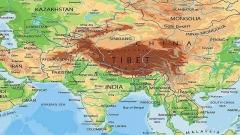
Tibet covers an enormous area, and its weather changes significantly according to altitude and geography. Lhasa and Shigatse are considerably warmer than the northern plateau, while western Tibet remains cold and dry.
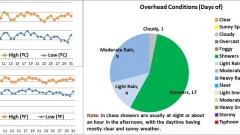
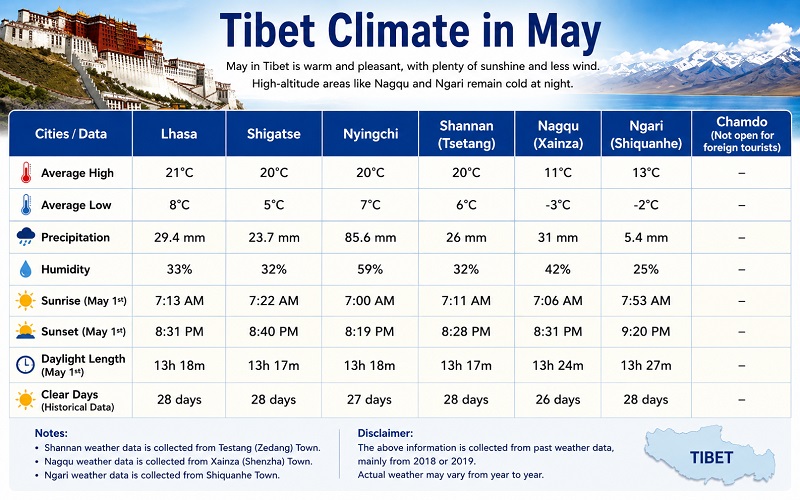
Historical weather data gives the following general picture for May: Lhasa has an average high of about 21°C and a low of around 8°C; Shigatse reaches approximately 20°C during the day and falls to about 5°C at night. Nyingchi is similarly mild, with temperatures around 20°C to 7°C, while Shannan generally experiences temperatures between 20°C and 6°C.
Further north, Nagqu remains much colder, with an average high of approximately 11°C and a low of around -3°C. In western Tibet, Ngari can reach around 13°C during the day but drop to approximately -2°C at night.
These figures are based on historical weather information and should be treated as general travel references rather than precise forecasts for a particular year.
Lhasa Weather in May
Lhasa is one of the most comfortable destinations in Tibet during May, with average temperatures ranging from approximately 8°C to 21°C. Rainfall remains relatively low, humidity is generally limited, and sunshine is abundant.
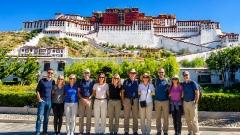
These conditions are excellent for exploring Lhasa’s major cultural attractions, including Potala Palace, Jokhang Temple, Barkhor Street, Sera Monastery, and Drepung Monastery. The relatively warm afternoons make walking around the old city much more comfortable than during winter.
However, temperatures can still fall considerably in the evening. Dressing in layers is therefore recommended. A light or medium jacket may be sufficient during sunny afternoons, while a warmer outer layer is useful in the morning and after sunset.
Shigatse Weather in May
Shigatse has a pleasant spring climate, with temperatures generally around 5°C to 20°C. The city is particularly important for travelers heading toward Mount Everest or western Tibet.
May is a good month to visit Tashilhunpo Monastery and explore the city before continuing toward higher elevations. Clear skies and relatively dry conditions can also make long-distance road travel more enjoyable.
Although daytime temperatures are comfortable, the temperature drops quickly after sunset, so warm clothing should remain in your luggage.
Nyingchi Weather in May
Nyingchi has a noticeably different environment from the dry central Tibetan Plateau. Its lower elevations and comparatively humid climate support extensive forests, valleys, and spring vegetation.
In May, temperatures can range from approximately 7°C to 20°C. The region is especially attractive to photographers because spring landscapes begin to add color to the mountains and valleys.
If you want to see a greener and more forested side of Tibet rather than only the high-altitude plateau, Nyingchi is an excellent addition to a May itinerary.
Shannan Weather in May
Shannan, one of the important cultural regions of Tibet, generally experiences temperatures around 6°C to 20°C in May.
The relatively mild weather makes it suitable for visiting historic sites and exploring the origins of Tibetan civilization. Destinations around Tsetang can be combined with monasteries, ancient palaces, and other cultural attractions without the extreme cold found in northern and western Tibet.
May Weather at Tibet’s Most Popular Natural Attractions
One of the biggest advantages of traveling to Tibet in May is the combination of increasingly comfortable temperatures and generally good visibility. Several of Tibet’s most iconic landscapes are especially appealing during this period.
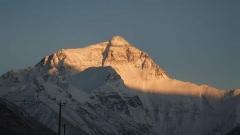
Mount Everest Weather in May
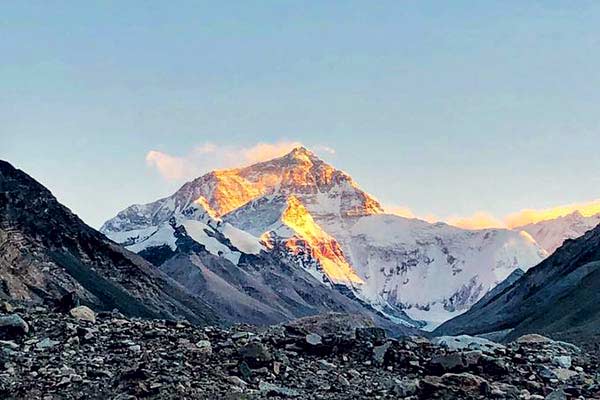
At the Tibetan side of Mount Everest, temperatures generally range from approximately -5°C to 13°C, with relatively limited precipitation.
May falls between the colder windy season and the wetter summer period, creating favorable conditions for mountain sightseeing. On clear days, travelers can have spectacular panoramic views of Everest and the surrounding Himalayan peaks.
The Everest region is still extremely cold compared with Lhasa, particularly in the early morning and at night. Proper winter clothing remains essential.
May can also be a suitable period for trekking in the Everest region, depending on the specific route, weather conditions, and current travel arrangements. Travelers planning an Everest journey should allow enough time for acclimatization before reaching higher elevations.
Mt. Everest
Mount Kailash And Lake Manasarovar in May
Western Tibet remains much colder than Lhasa in May, but conditions gradually become more suitable for travel as spring progresses.
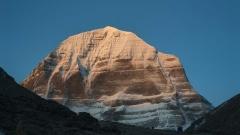
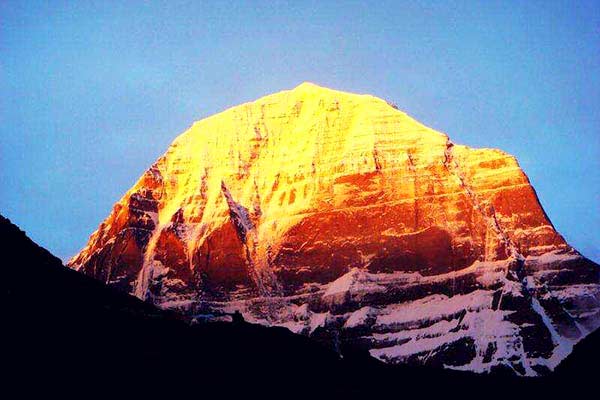
Around Mount Kailash and Lake Manasarovar, temperatures can range from approximately -2°C to 13°C, with low humidity and relatively little precipitation. Mount Kailash is sacred to Buddhists, Hindus, Jains, and followers of the Bon tradition, making the region one of the world’s most important pilgrimage destinations.
Lake Manasarovar lies only about 47.6 kilometers from Mount Kailash, allowing travelers to experience both destinations on the same journey.
For visitors interested in trekking or pilgrimage, May can be an important period because conditions are beginning to improve after winter. However, the western Tibetan Plateau remains remote and conditions can change quickly. Travelers should always confirm current road and route conditions before departure.
Mt. Kailash
Lhasa And Yamdrok Lake in May
May is one of the most attractive months to visit Yamdrok Lake. Around Lhasa and the lake area, temperatures are generally comfortable, with Lhasa averaging around 8°C to 21°C.
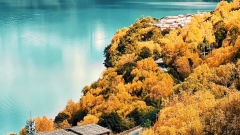
From the high viewpoint near Kambala Pass, Yamdrok Lake appears as a vast turquoise landscape surrounded by mountains. The lake can display different shades of blue and green depending on sunlight, weather, and viewing angle.
The relatively dry weather in May is particularly helpful for photography. On a clear day, the combination of bright sunlight, snow-covered mountains, and intensely colored water creates one of the classic landscapes of a Tibet tour.
Namtso Lake in May
Namtso Lake is one of Tibet’s most famous high-altitude destinations, but it remains considerably colder than Lhasa in May.
Located at approximately 4,618 meters above sea level, Namtso is about 1,000 meters higher than Lhasa. Temperatures can range from approximately -2°C to 12°C, and strong winds can make the lakeshore feel significantly colder.
Namtso may still be partially frozen during the first part of May. The lake generally begins to thaw more completely around the middle of the month, although the exact timing depends on annual weather conditions.
The combination of blue water, remaining ice, snow-covered mountains, and open grasslands can create a dramatic spring landscape. However, travelers should spend several days acclimatizing in Lhasa before visiting Namtso because of its extreme altitude.
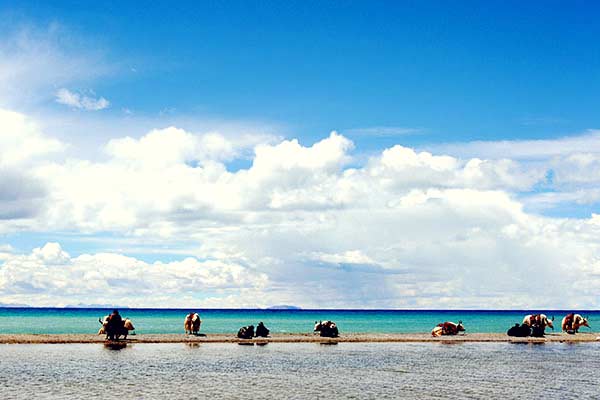
Namtso Lake
May Is A Great Time To See Alpine Azaleas
May is not only about snow mountains and high-altitude lakes. It is also an excellent month to experience spring flowers in southeastern Tibet.
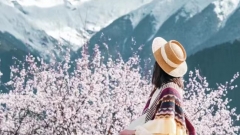
The Lebu Valley area of Shannan and parts of Nyingchi are known for alpine azaleas, which generally enter their flowering season during May and June.
Depending on the location and conditions, visitors may encounter crimson, pink, and white flowers across mountain slopes and forest areas. This is particularly striking because Tibet is often associated with dry, treeless highlands, while southeastern Tibet has a much greener landscape.
Lebu Valley is also associated with an annual Azalea Festival in May, offering travelers an opportunity to combine seasonal scenery with a deeper exploration of Shannan’s natural and cultural attractions.
How Much Rain Does Tibet Get in May?
May is generally a relatively dry month across much of Tibet, although precipitation varies substantially by region.
Historical figures indicate approximately 29.4 mm of precipitation in Lhasa, 23.7 mm in Shigatse, and around 26 mm in Shannan. Nyingchi is considerably wetter, with historical May precipitation of approximately 85.6 mm.
Western Tibet is much drier. Ngari, represented by Shiquanhe in the available data, has historically received only around 5.4 mm of precipitation in May.
This means travelers should not assume that the weather across the entire region is identical. A route from Lhasa to Nyingchi can experience very different conditions from a journey toward Everest or Mount Kailash.
How Long Are The Days in Tibet in May?
Long daylight hours are another advantage of traveling to Tibet in May.
On May 1, historical daylight data indicates approximately 13 hours and 17–27 minutes of daylight, depending on the destination. In Lhasa, for example, sunrise is around 7:13 AM and sunset around 8:31 PM.
This gives travelers plenty of time for sightseeing and long-distance journeys. It is particularly useful for road trips because many attractions can be visited without rushing before sunset.
Daylight is even longer in some western areas, with Ngari experiencing approximately 13 hours and 27 minutes of daylight around the beginning of May.
What Should You Wear in Tibet in May?
Packing for Tibet in May is mainly about layers rather than carrying one extremely heavy outfit.
For Lhasa, Shigatse, and other relatively mild destinations, a combination of T-shirts, long-sleeved shirts, fleece layers, and a light or medium-weight jacket is generally practical.
For Everest, Namtso, Mount Kailash, and other high-altitude areas, you should prepare significantly warmer clothing. A down jacket, thermal base layer, warm trousers, gloves, hat, and comfortable waterproof footwear can be very useful.
You should also bring sunglasses and sunscreen. Tibet’s high elevation means strong ultraviolet exposure even when the air feels cool.
The climate is often dry in May, so moisturizing products such as lip balm and hand cream are useful. Drinking enough water throughout the day is also important, particularly while your body is adapting to altitude.
Is May A Good Time To Visit Tibet?
For most international travelers, May is an excellent month for a Tibet tour.
The weather is warmer than in the winter and early spring, the strongest winds are beginning to ease, and the summer rainy season has not yet become dominant. This creates favorable conditions for both cultural sightseeing and outdoor adventures.
Lhasa is particularly comfortable, while destinations such as Yamdrok Lake and Everest can offer excellent scenery under clear skies. Namtso begins its transition from an icy winter landscape toward its famous blue-water scenery, while southeastern Tibet offers spring flowers and greener landscapes.
The main disadvantage is that May marks the beginning of the busier tourism season. The exceptionally quiet conditions of the winter and early spring gradually disappear, and demand for transportation and accommodation increases.
If you are planning a Tibet trip for May, booking your tour and transportation early is therefore advisable.
What About Altitude In May?
Weather is only one factor to consider when traveling to Tibet. Altitude is equally important.
Lhasa sits at roughly 3,650 meters above sea level, while Namtso, Everest Base Camp, and Mount Kailash are significantly higher.
Travelers arriving from sea level should not assume that being physically fit eliminates the possibility of altitude-related symptoms. The safest approach is to allow your body time to adapt.
For example, spending several days in Lhasa before traveling to Namtso or heading toward Everest gives your body more time to acclimatize. Avoid strenuous exercise immediately after arrival, stay hydrated, sleep sufficiently, and tell your guide if you feel unwell.
A well-planned itinerary should consider not only sightseeing distances but also the change in elevation between destinations.
Is May Better For Tibet Culture Or Nature?
The good news is that you do not have to choose.
May is suitable for both cultural and natural Tibet tours.
For cultural travelers, the pleasant weather makes it comfortable to explore Lhasa’s Potala Palace, Jokhang Temple, Barkhor Street, Drepung Monastery, and Sera Monastery. Shigatse, Shannan, and other historic regions can also be incorporated into a longer cultural itinerary.
For nature lovers, May offers opportunities to see Mount Everest, Yamdrok Lake, Namtso, Mount Kailash, Lake Manasarovar, and the spring landscapes of southeastern Tibet.
This versatility is one reason May is increasingly popular among international visitors.
Planning A Tibet Trip In May With Tibet Yulong Travel
Because May marks the beginning of the busier Tibet travel season, international visitors should start planning early, particularly if they want to visit Everest, Mount Kailash, or other destinations requiring additional travel arrangements.
Tibet Yulong Travel can assist international travelers with Tibet tour planning, including itinerary design, transportation, accommodation, guides, and the necessary travel permits. Whether you are looking for a first-time Lhasa experience, an Everest adventure, a cultural journey through central Tibet, or a longer western Tibet expedition, choosing an itinerary that matches the May weather and your altitude-acclimatization needs is important.
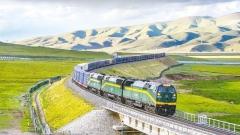
Final Thoughts On Tibet Weather in May
Tibet in May offers a compelling combination of comfortable daytime temperatures, abundant sunshine, relatively low rainfall, improving road-trip conditions, and spectacular mountain visibility. Lhasa and other central destinations are pleasantly warm during the day, while higher regions remain cold enough to require serious preparation.
For travelers seeking Himalayan scenery, May can be particularly rewarding. Mount Everest often stands clearly against the sky, Yamdrok Lake becomes increasingly vibrant under the spring sunshine, Namtso begins to thaw, and alpine azaleas bring unexpected color to parts of southeastern Tibet.
The most important thing to remember is that Tibet’s weather changes dramatically with altitude. A warm afternoon in Lhasa does not mean that Everest or Namtso will feel equally comfortable. Prepare for different conditions, allow sufficient time for acclimatization, and build some flexibility into your itinerary.
For international travelers who want a balance between good weather, spectacular scenery, cultural experiences, and manageable travel conditions, May is one of the strongest months to consider for a Tibet adventure.