
April is one of the best months to visit Tibet, as the plateau begins its transition from winter to spring. The weather is generally dry, sunny, and increasingly mild, while high-altitude areas remain cold. Nyingchi bursts into bloom with pink peach blossoms, while Lhasa, Yamdrok Lake, and Mount Everest offer clear skies and spectacular mountain scenery. With fewer tourists than in summer, April is an excellent time to explore Tibet at a relaxed pace.
Key Points
- April is one of the best months for Tibet travel: temperatures generally range from 2°C to 16°C (36°F to 61°F), with only about 7 mm of rainfall, while clear conditions create excellent visibility.
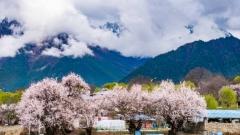
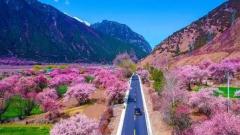
- Nyingchi reaches its spring peak: early to mid-April is the best period for peach blossoms, especially around Bomi Peach Blossom Valley, where pink flowers contrast with snow-covered mountains.
- April offers excellent conditions for sightseeing and trekking: Lhasa, Yamdrok Lake, Everest Base Camp, and Mount Kailash are all attractive choices as winter eases and daytime temperatures become more comfortable.
- Travel remains relatively affordable and uncrowded: April is still generally a low-season period in Tibet, although Nyingchi becomes busy during the Peach Blossom Festival and should be booked in advance.
What Is Tibet Weather Like in April?
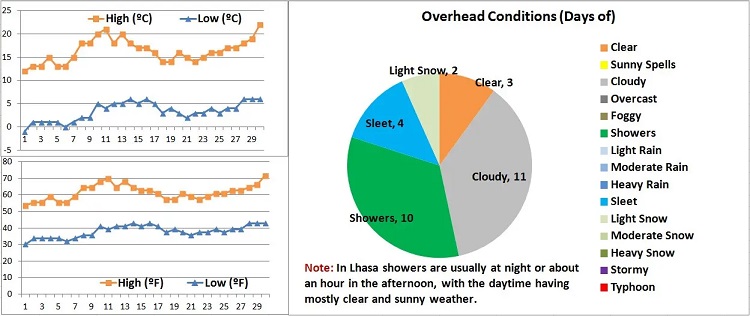
April marks the transition from winter to spring on the Tibetan Plateau. Temperatures rise noticeably compared with the colder months, but Tibet’s high altitude still creates substantial differences between daytime and nighttime conditions.
Across Tibet, temperatures in April generally range from 2°C to 16°C (36°F to 61°F). Rainfall remains limited, averaging around 7 mm (0.3 inches), and the month typically has many clear or partly clear days. The dry climate and strong plateau sunshine can make daytime sightseeing feel warmer than the air temperature suggests.
Mornings and evenings remain cool, particularly at higher elevations. If you travel outside Lhasa or into mountainous areas, temperatures can fall quickly after sunset. Wind can also make exposed locations feel considerably colder.
The combination of dry weather, increasing warmth, and relatively clear skies makes April an attractive month for travelers who want to explore Tibet before the busier summer season.
Tibet April Weather
Is April a Good Time to Visit Tibet?
Yes. April is one of the best months to visit Tibet, particularly for travelers interested in spring scenery, photography, cultural sightseeing, and trekking.
The most important advantage is the balance between weather and visitor numbers. The harshest winter conditions are beginning to fade, while the summer tourist rush has not yet fully arrived. Popular attractions in Lhasa can therefore be explored at a more relaxed pace.
April is also particularly appealing because different parts of Tibet offer very different seasonal experiences. Nyingchi is covered in peach blossoms, Lhasa becomes warmer and more comfortable for sightseeing, Yamdrok Lake displays intense blue and green colors beneath snow-covered mountains, and higher-altitude destinations begin opening up for trekking and overland travel.
However, conditions are not equally favorable everywhere. Nyingchi is entering its peak flower-viewing season, while the most remote high-altitude areas can still experience cold, snow, and difficult road conditions. Your itinerary should therefore take altitude and local weather into account.
Best Places to Visit in Tibet in April
Nyingchi: See Tibet’s Peach Blossoms in Full Bloom
Nyingchi is the standout destination for April travel. Its lower elevation and relatively mild climate allow spring to arrive earlier than in much of the Tibetan Plateau.
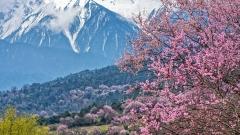
From early to mid-April, valleys around Nyingchi can become a spectacular mixture of pink peach blossoms, green grasslands, snow-covered peaks, and clear rivers. The contrast between delicate flowers and massive Himalayan scenery creates some of the most distinctive landscapes you can photograph in Tibet.
Bomi Peach Blossom Valley is particularly famous for its dense concentration of wild peach trees. The valley also features traditional Tibetan villages and patches of golden rapeseed flowers, adding additional color to the spring landscape.
April is also associated with the Nyingchi Peach Blossom Festival, which is generally held from late March into mid-April. Depending on the year’s flowering conditions and official arrangements, visitors may encounter cultural performances, Tibetan folk music, traditional costumes, horse-racing and archery activities, and local food events.
Mount Namcha Barwa is another highlight. When skies are clear, the snow-covered mountain rises dramatically behind the flowering valleys, creating one of the most memorable spring scenes in southeastern Tibet.
Because Nyingchi becomes considerably more popular during peach blossom season, flights and hotels should ideally be reserved at least a month ahead, particularly if you plan to travel around the festival period.
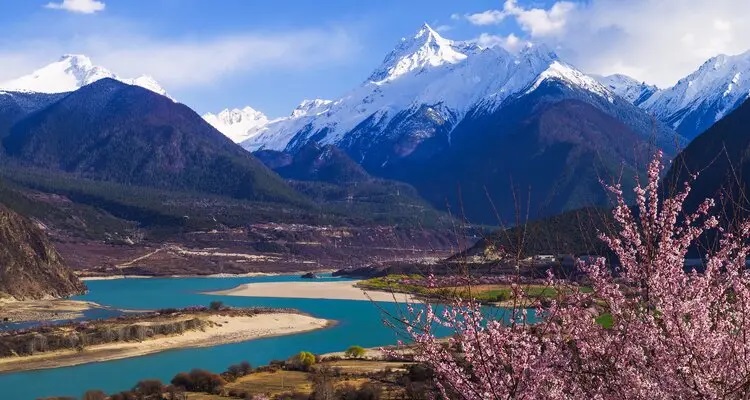
Mt. Namcha Barwa and Peach Blossoms
Lhasa: Explore Tibet’s Cultural Heart Without Summer Crowds
April brings more comfortable conditions to Lhasa while retaining the clear skies characteristic of the dry season.
With relatively few visitors compared with summer, you can take your time exploring some of Tibet’s most important cultural landmarks, including the Potala Palace, Jokhang Temple, Barkhor Street, Sera Monastery, Drepung Monastery, and Norbulingka.
The strong spring sunlight also gives the Potala Palace’s white and red walls a striking appearance, especially during the morning and late afternoon.
At Jokhang Temple and Barkhor Street, you can observe Tibetan pilgrims performing the kora, spinning prayer wheels, lighting butter lamps, and participating in daily religious practices. These experiences provide a deeper understanding of Tibetan culture than simply visiting individual monuments.
For a quieter experience, Zongjiao Lukang Park is another pleasant place to visit. Its lake offers attractive views toward the Potala Palace and provides a peaceful break from the city’s busier streets.
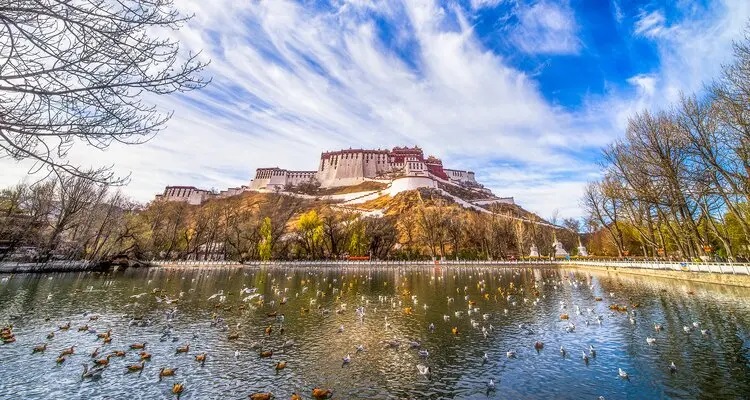
Potala Palace
Yamdrok Lake: Enjoy Brilliant Spring Colors
April is an excellent month to visit Yamdrok Lake, one of Tibet’s most famous sacred lakes.
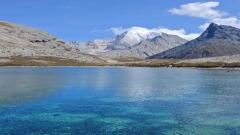
The lake’s turquoise and emerald colors become particularly vivid under clear spring skies. Snow-covered mountains surrounding the lake provide a dramatic contrast with the water, while the landscape begins to emerge from its winter appearance.
Because Yamdrok Lake is relatively close to Lhasa, it can be incorporated into a short Tibet itinerary without requiring a long stay in remote areas.
A leisurely walk near the lakeshore is a good way to experience the scenery. On suitable days, travelers may also encounter yaks and sheep grazing around the lake.
For visitors who prefer a slower travel style, a simple picnic overlooking Yamdrok Lake can be an enjoyable way to appreciate the landscape rather than rushing between viewpoints.
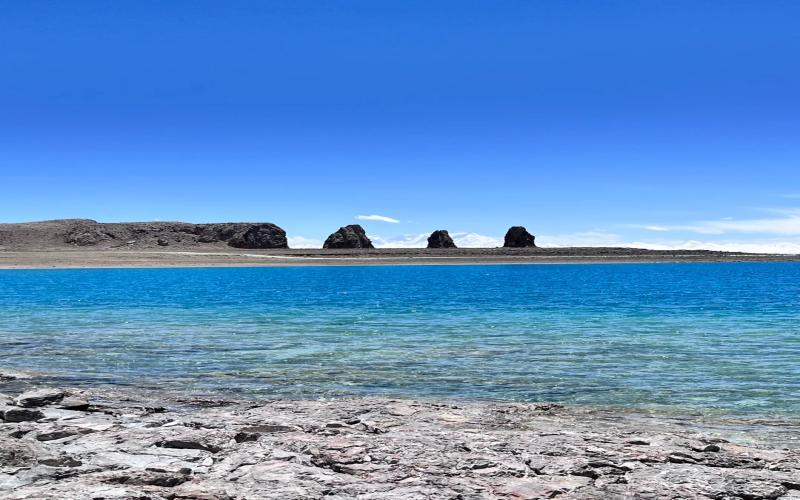
Yamdrok Lake
Everest Base Camp: Better Visibility for Mount Everest
April is also a strong month for visiting Everest Base Camp on the Tibetan side.
The weather is generally drier than during the summer monsoon period, while the relatively clear skies provide good opportunities to see the summit of Mount Everest. The surrounding Himalayan peaks can also appear particularly sharp against the deep blue plateau sky.
Trekking enthusiasts can consider routes such as the Old Tingri to Everest Base Camp trek, which covers approximately 66 km (41 miles). The route passes through valleys, Tibetan settlements, highland landscapes, and panoramic mountain scenery before reaching the Everest region.
Even though April is warmer than the winter months, Everest Base Camp remains a high-altitude environment. Temperatures can fall rapidly after sunset, and wind can make conditions feel much colder. Proper clothing and sensible acclimatization are therefore essential.
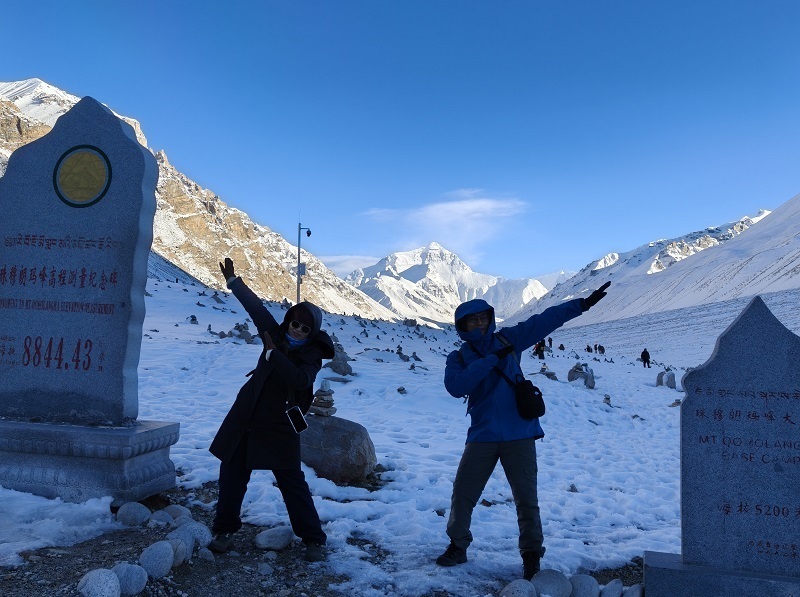
Mount Everest
Mount Kailash: Begin the Trekking Season
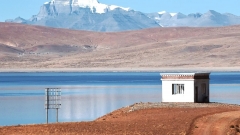
For travelers interested in pilgrimage and high-altitude trekking, April marks the beginning of the more favorable season for the Mount Kailash Kora.
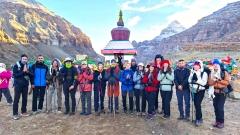
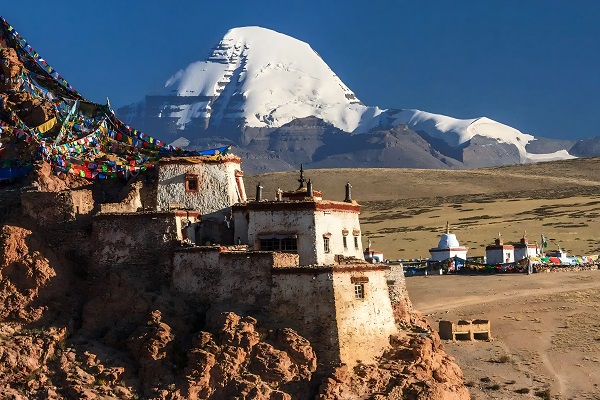
The traditional circuit around Mount Kailash is approximately 52 km (32 miles) and normally takes around three days for trekking travelers. The route passes through dramatic valleys, prayer flags, monasteries, and high mountain terrain.
April can still be cold, and snow may remain on parts of the route, particularly at higher elevations. Conditions should therefore be assessed carefully before departure.
The Mount Kailash region is considerably more demanding than Lhasa or Nyingchi. Travelers should allow sufficient time for acclimatization and prepare for rapidly changing weather.
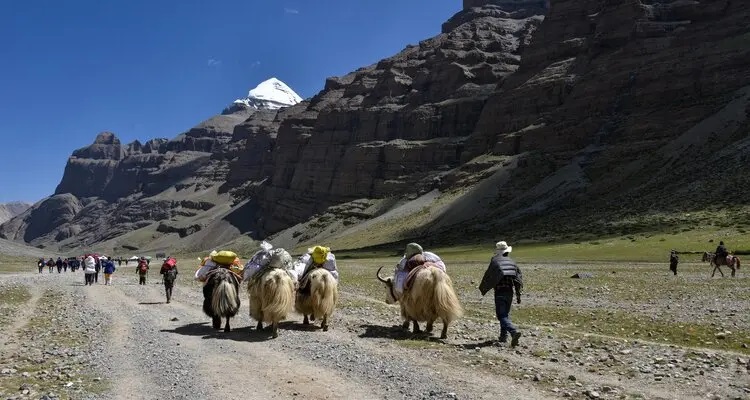
Mt. Kailash Kora
Tibet Weather in April: What Should You Expect at Different Altitudes?
One of the most important things to understand about Tibet weather is that temperature changes dramatically with altitude.
Lhasa and Nyingchi can feel relatively pleasant in the daytime, while places such as Everest Base Camp and Mount Kailash remain genuinely cold.
This means an itinerary covering several regions should not rely on one general weather forecast. A traveler may start the day in comfortable spring conditions in Lhasa and reach a snowy, windy mountain pass several hours later.
The higher you travel, the more important warm clothing, sun protection, sturdy footwear, and flexible travel arrangements become.
What to Wear in Tibet in April
Layering is the easiest way to handle Tibet’s changing April temperatures.
During the warmer daytime hours in Lhasa and Nyingchi, a long-sleeved shirt or lightweight sweater may be sufficient. A windbreaker or light jacket is useful when the wind picks up or when temperatures fall in the evening.
For early April or trips to higher elevations, bring a down jacket as well. Everest Base Camp, mountain passes, Yamdrok Lake, and Mount Kailash can be much colder than central Lhasa.
Your packing list should include:
- Thermal underwear for cold mornings and nights
- A fleece or warm sweater
- A windproof jacket
- A down jacket for high-altitude areas
- Warm trousers
- Comfortable hiking shoes or boots
- Warm socks
- Gloves and a hat
- Sunglasses
- High-SPF sunscreen
- Lip balm and moisturizer
Tibet receives intense ultraviolet radiation because of its high elevation. Even when the air feels cool, the sun can be surprisingly strong, so sunscreen, sunglasses, and a hat are essential throughout April.
Tibet Travel Costs and Crowds in April
April is generally still considered part of the lower travel season in Tibet, especially compared with the summer months.
This means travelers can often enjoy more flexibility when selecting hotels and arranging transportation. Popular attractions in Lhasa are also less crowded, allowing more time for photography and cultural exploration.
The situation is different in Nyingchi. Peach blossom season attracts visitors from across China, so accommodation and transportation around major flower-viewing locations can become much more competitive.
The Qingming Festival in early April is another period when domestic travel may increase temporarily. If your trip coincides with a public holiday, booking important transportation and accommodation in advance is advisable.
For the best combination of reasonable prices, comfortable weather, and fewer visitors, early April outside the busiest Nyingchi festival dates can be especially attractive.
Is April Good for Trekking in Tibet?
April can be a good month for trekking, but the answer depends heavily on the route.
Lower-altitude areas such as Nyingchi offer more comfortable spring conditions, while major high-altitude routes remain cold.
The Old Tingri–Everest Base Camp trek and Mount Kailash Kora are possible seasonal choices, but both require careful preparation. Snow and ice may still affect sections of the trail, and nighttime temperatures can remain below freezing.
Travelers should also avoid treating clear skies as a guarantee of easy trekking. High-altitude weather can change quickly, and strong winds can significantly increase the perceived cold.
For independent international travelers, working with a local Tibet travel operator is particularly useful for arranging transportation, permits, accommodation, guides, and contingency plans.
Practical Tips for Visiting Tibet in April
Allow Time to Acclimatize
Although April is warmer than winter, altitude remains the primary environmental challenge for many international visitors. Lhasa sits at around 3,650 meters (11,975 feet) above sea level, and destinations such as Everest Base Camp and Mount Kailash are substantially higher.
Give your body time to adjust before immediately traveling to the highest areas.
Prepare for Large Temperature Changes
Do not pack only spring clothing because Lhasa feels warm during the day. A trip covering several destinations can involve dramatically different temperatures.
A layered clothing system is much more practical than relying on one heavy coat.
Protect Yourself From the Sun
The combination of high elevation and intense sunlight makes UV protection particularly important. Sunglasses, sunscreen, and a hat should remain in your daypack even when the temperature feels cool.
Keep Your Itinerary Flexible
Mountain weather can affect roads and trekking conditions, especially around Everest, Mount Kailash, and high mountain passes. Allowing some flexibility can make your trip much more comfortable.
Why Choose Tibet Yulong Travel for an April Tibet Tour?
April is a particularly rewarding month for combining Lhasa’s cultural heritage, Nyingchi’s peach blossoms, Yamdrok Lake’s spring scenery, and high-altitude Himalayan landscapes in one journey.
Tibet Yulong Travel can help international travelers arrange a suitable route based on the season, including transportation, accommodation, local guides, Tibet Travel Permit arrangements, and trips to destinations such as Nyingchi, Everest Base Camp, and Mount Kailash. For April travel, local knowledge is especially useful when planning around peach blossom conditions and changing mountain weather.
Is April the Right Month for Your Tibet Trip?
April is an excellent month for Tibet travel if you want a combination of improving spring weather, clear mountain views, relatively low crowds, and spectacular seasonal scenery.
For nature lovers, Nyingchi’s peach blossoms are the biggest attraction. For cultural travelers, Lhasa’s monasteries and historic sites are easier to explore without summer crowds. For photographers, Yamdrok Lake and Everest offer excellent opportunities for clear mountain landscapes. And for experienced trekkers, April marks the beginning of a more suitable period for routes such as the Mount Kailash Kora.
The main consideration is altitude: Tibet may feel like spring in Nyingchi and Lhasa, but high-altitude destinations can still be cold and snowy. With appropriate clothing, acclimatization, and a well-planned itinerary, April offers one of the most diverse and rewarding times to experience Tibet.