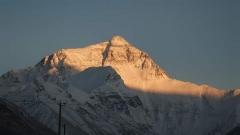
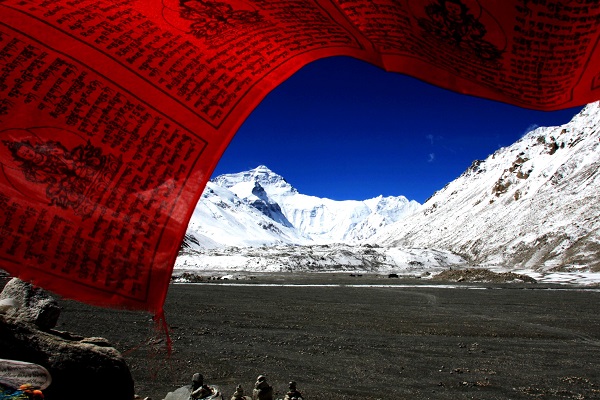
Reaching Mount Kailash is one of the most rewarding journeys a traveler can undertake. Located in the remote Ngari Prefecture of western Tibet, this sacred peak sits at an elevation of 6,638 meters and draws pilgrims, trekkers, and adventure seekers from around the world. Because of its extreme isolation and rugged terrain, getting there requires careful planning. While overland drives from Lhasa or Kathmandu are popular, they take several days and demand significant physical endurance. For those short on time or looking to minimize the grueling overland transit, taking a flight to Mount Kailash is the most practical starting point.
It is important to clarify right away that there is no commercial airport directly at the base of Mount Kailash. The mountain itself is situated in a highly protected, undeveloped region. However, travelers can fly into nearby regional airports and then complete the journey by road. Choosing the right air route drastically reduces your overall travel time and helps manage the physical toll of high-altitude travel. Below, we explore the three primary ways to incorporate air travel into your Mount Kailash itinerary, detailing the logistics, advantages, and necessary preparations for each route.
key points
No Direct Airport: There is no airport directly at Mount Kailash; travelers must fly to nearby regional airports and complete the rest by road.
Key Air Routes: Primary flights include flying from Lhasa to Ngari Gunsa Airport (saving 3–4 days of driving) or using the newer Ali Pulan Airport for even closer proximity.
Acclimatization Strategy: Spending mandatory rest days in Lhasa before flying to higher-altitude regional airports is crucial to manage Acute Mountain Sickness (AMS).
Strict Permits & Logistics: Traveling requires multiple advance permits (Tibet Travel Permit, Alien Travel Permit, Military Border Pass) and comprehensive travel/evacuation insurance.
Route 1: Flying from Lhasa to Ngari Gunsa Airport
The most common and reliable way to begin your journey with a flight to Mount Kailash is by flying from Lhasa to Ngari Gunsa Airport (NGQ). Lhasa Gonggar Airport serves as the main international and domestic gateway to Tibet, receiving daily flights from major Chinese cities like Chengdu, Beijing, and Xining, as well as from Kathmandu in Nepal. Once you arrive in Lhasa, you can book a domestic connecting flight to Ngari Gunsa Airport.
Ngari Gunsa Airport is located in Shiquanhe Town, the administrative center of the Ngari Prefecture. The flight from Lhasa to Ngari takes approximately two hours, soaring over some of the most dramatic landscapes on the Tibetan Plateau. This short hop saves travelers from a grueling three-to-four-day overland drive across the plateau. From Ngari Gunsa Airport, Mount Kailash is about 250 kilometers away, which translates to a four-to-five-hour drive through stunning, high-altitude desert landscapes to reach Darchen, the small town that serves as the base camp for the Kailash trek.
This route is highly recommended because it allows for better acclimatization. By spending two or three days in Lhasa, which sits at 3,650 meters, your body begins to adjust to the thin air before you fly to Ngari, where the elevation jumps to roughly 4,270 meters. Flights between Lhasa and Ngari operate regularly during the peak travel season, which generally runs from May to October. During the harsh winter months, flight schedules become unpredictable due to severe weather conditions, so booking your flight to Mount Kailash via this route requires flexibility and advance planning.
When arranging this trip, keep in mind that all foreign travelers must secure a Tibet Travel Permit before boarding any domestic flight within Tibet. Your travel agency will handle this documentation, but you cannot purchase or board the flight without it. Ensure your permits specifically cover the Ngari Prefecture, as standard Lhasa permits do not grant access to Mount Kailash.

Route 2: Flying from Kathmandu to Lhasa, Then Connecting to Ngari
For international travelers approaching from South Asia, routing through Nepal offers a spectacular entry point. The second method involves taking an international flight from Kathmandu to Lhasa, followed by the domestic connection to Ngari Gunsa Airport. This approach effectively combines cross-border travel with the efficiency of a flight to Mount Kailash.
The flight from Tribhuvan International Airport in Kathmandu to Lhasa Gonggar Airport is widely considered one of the most scenic commercial flights in the world. Lasting just over an hour, the aircraft passes incredibly close to Mount Everest and other towering Himalayan peaks, offering window-seat passengers unforgettable views. Upon landing in Lhasa, travelers must spend a few days resting, exploring local monasteries, and allowing their bodies to adapt to the altitude before catching the onward domestic flight to Ngari.
Choosing this route means dealing with both international and domestic aviation logistics. You will need a Chinese Group Visa, which is typically arranged in Kathmandu through a registered travel agency, alongside your Tibet Travel Permit and Alien Travel Permit for the Ngari region. The transition from Kathmandu, which sits at a relatively low 1,400 meters, to Lhasa at 3,650 meters, and finally to Ngari at 4,270 meters, represents a rapid gain in elevation. Therefore, the mandatory rest days in Lhasa are not merely a bureaucratic requirement for securing your onward flight tickets; they are a critical health precaution.
This dual-flight strategy significantly cuts down the total travel time compared to the traditional overland route from Kathmandu through the Gyirong border crossing. That overland journey can take up to five days of rough driving. By opting to fly into Lhasa and then taking another flight to Mount Kailash’s nearest airport, you preserve your energy for the actual kora, the multi-day circumambulation trek around the sacred mountain.
Route 3: Utilizing Ali Pulan Airport for Closer Access
In recent years, infrastructure development in western Tibet has introduced a third option for travelers seeking a flight to Mount Kailash. Ali Pulan Airport (APJ), located in Burang County, opened to provide better connectivity to the far southwestern corner of the Ngari Prefecture. What makes this airport particularly interesting for trekkers and pilgrims is its geographic proximity to Mount Kailash and the sacred Lake Manasarovar.
While Ngari Gunsa Airport requires a 250-kilometer drive to reach Darchen, Ali Pulan Airport is situated much closer to the holy sites. Burang County borders both Nepal and India, and the airport was built partly to facilitate easier access for pilgrims and to boost local economic development. Flights to Ali Pulan Airport generally connect through Lhasa or other major hubs in the Xinjiang and Sichuan provinces, depending on the current airline schedules.
By flying into Ali Pulan Airport, you drastically reduce the overland driving distance required after your flight to Mount Kailash’s vicinity. Instead of spending half a day in a vehicle from Shiquanhe, you are significantly closer to the starting points of the trek. This is especially beneficial for older pilgrims or those who suffer from motion sickness on long, winding plateau roads.
However, travelers should be aware that Ali Pulan Airport is still relatively new, and flight frequencies may not be as robust as those heading into Ngari Gunsa. Weather disruptions are also a factor, as sudden snowstorms or high winds in the Burang valley can delay or cancel flights. It is essential to work closely with a specialized Tibetan travel agency to monitor flight availability and secure tickets well in advance. Even with these logistical hurdles, the existence of Ali Pulan Airport provides a valuable alternative, making the dream of reaching Mount Kailash more accessible than ever before.
Essential Preparation Before Your Flight
Regardless of which route you choose, preparing for a flight to Mount Kailash goes far beyond simply packing a suitcase. The extreme environment demands specific logistical, medical, and administrative preparations.
First, address the permit situation. No traveler can visit Mount Kailash without the proper paperwork. Foreign nationals require a Tibet Travel Permit, an Alien Travel Permit issued by the Public Security Bureau in Lhasa, and a Military Border Pass, since Ngari is a sensitive border region. These documents must be arranged weeks in advance through a licensed travel agency operating in Tibet. Independent travel is not permitted in this region.
Second, focus on altitude acclimatization. Flying directly into high altitudes bypasses the gradual ascent that overland driving provides, increasing the risk of Acute Mountain Sickness (AMS). Spend adequate time in Lhasa before your connecting flight. Stay hydrated, avoid alcohol, eat light meals, and consult your doctor about prophylactic medications like acetazolamide prior to departure. Once you land in Ngari or Pulan, take it extremely slow for the first twenty-four hours.
Third, pack appropriately for the climate. Western Tibet experiences wild temperature fluctuations. Even in summer, nighttime temperatures near Mount Kailash can drop below freezing. Bring layered clothing, a high-quality windproof jacket, thermal base layers, sturdy broken-in hiking boots, UV-protection sunglasses, and high-SPF sunscreen. The atmosphere is thin, and solar radiation is intense.
Finally, ensure your travel insurance covers high-altitude trekking and emergency evacuation. Medical facilities in the Ngari Prefecture are basic, and serious altitude-related illnesses require immediate descent or airlift to larger hospitals in Lhasa or mainland China. Having comprehensive insurance provides peace of mind when venturing into such remote terrain.
Navigating the Final Overland Stretch
After completing your flight to Mount Kailash’s nearest regional airport, the final leg of the journey is always overland. Whether you land in Shiquanhe or Burang, you will transfer to a pre-arranged vehicle driven by an experienced local driver. The roads leading to Darchen have improved significantly in recent years, with many sections now fully paved, though the sheer remoteness means services like gas stations and restaurants remain sparse.
The drive itself is a highlight of the trip. You will traverse vast, arid plains, pass nomadic herders tending to yaks and sheep, and catch your first distant glimpses of the snow-capped Himalayas. As you approach Darchen, the imposing pyramid shape of Mount Kailash eventually comes into view, marking the end of your transit and the beginning of your spiritual or physical adventure. Taking a flight dramatically shortens the exhaustion of the journey, ensuring you step out of the vehicle ready to embrace the profound experience of standing before one of the world’s most revered mountains.