Lhasa is a city where ancient spirituality meets the raw beauty of the Tibetan Plateau. For travelers seeking an immersive way to experience this high-altitude capital, a cycling loop around the Potala Palace offers an unparalleled perspective of Lhasa. Pedaling along historic streets, you breathe crisp mountain air, hear prayer wheels spinning rhythmically, and watch local life unfold without the barrier of a car window. The Potala Palace’s iconic white and red walls stay in view as you follow this carefully planned circuit. This guide covers everything you need for the ride: altitude acclimatization, gear tips, turn-by-turn route notes, and tasty local food to reward you after your trip.
✨ Highlights:
- Acclimatize in Lhasa for at least two to three days before riding.
- Rent reliable mountain or hybrid bikes from local shops near Barkhor Street.
- The standard loop covers approximately 15 kilometers with moderate elevation changes.
- Early morning rides offer the best lighting and fewer crowds around the palace.
- Hydration and sun protection are absolutely critical at 3,650 meters above sea level.
Preparing for Your Cycling Tour in Lhasa Around Potala Palace Route
Before you even think about clipping into pedals or adjusting your saddle height, you must respect the altitude. Lhasa sits at roughly 3,650 meters (about 12,000 feet) above sea level. At this elevation, the air contains significantly less oxygen than at sea level, which means your cardiovascular system will work much harder to perform basic tasks, let alone sustain a cycling effort. A cycling tour in Lhasa around Potala Palace route is not a physical endurance test; it is a cultural exploration that requires a well-rested body.
Plan to spend your first few days in Lhasa doing very little physically. Walk slowly around your hotel neighborhood, drink plenty of water, and avoid alcohol entirely during your initial acclimatization period. Many experienced travelers and local guides recommend drinking sweet tea, a staple in Lhasa, to help maintain blood sugar levels and hydration. If you experience severe headaches, dizziness, or shortness of breath while resting, postpone any cycling plans and consult a medical professional.
When it comes to gear, the Tibetan plateau weather is notoriously unpredictable. You might start your ride under brilliant sunshine only to encounter a sudden hail shower twenty minutes later. Dressing in layers is non-negotiable. A moisture-wicking base layer, a warm insulating mid-layer like fleece, and a windproof, waterproof outer shell will keep you comfortable. Even in warmer months, the early mornings can be biting cold, so bring lightweight thermal gloves. Furthermore, the UV radiation at this altitude is intense. Apply high-SPF sunscreen generously, wear UV-blocking sunglasses, and consider a lightweight neck gaiter to protect your face from both the sun and the dry wind.
Choosing the Right Bicycle for the Journey
You do not need to bring your own bicycle to Tibet; Lhasa has a growing infrastructure for cyclists, driven by both local enthusiasts and visiting tourists. Several rental shops operate in the city, particularly clustered around the older neighborhoods near Barkhor Street and along Beijing Middle Road. When selecting a bike for your cycling tour in Lhasa around Potala Palace route, opt for a sturdy hybrid or a hardtail mountain bike. While the main roads circling the palace are paved, you may encounter uneven surfaces, speed bumps, or sections of cobblestone if you venture slightly off the main arteries.
Before leaving the rental shop, conduct a thorough mechanical check. Test the brakes rigorously—both front and rear. Ensure the gears shift smoothly without skipping chains. Check the tire pressure and inspect the tread for wear. Ask the rental provider for a basic repair kit, including a spare inner tube, tire levers, and a portable pump. Flat tires are the most common mechanical issue, and being stranded far from the shop without the means to fix a puncture can quickly turn a pleasant afternoon into a frustrating ordeal. Make sure the seat height is adjusted correctly for your leg length to prevent knee strain, which is exacerbated by the high altitude.
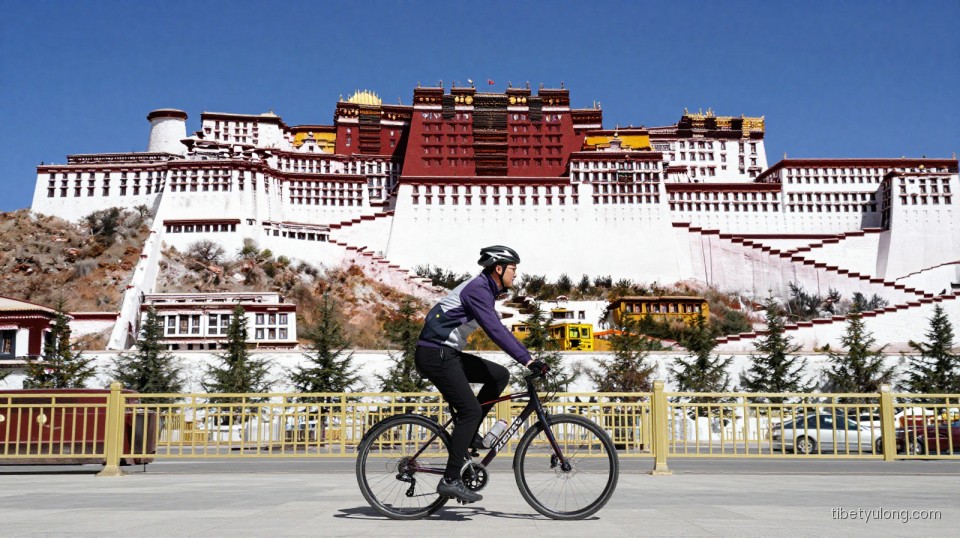
Ultimate Cycling Tour in Lhasa Around Potala Palace Route
Mapping Out the Cycling Tour in Lhasa Around Potala Palace Route
The classic loop for a cycling tour in Lhasa around Potala Palace route generally follows the main arterial roads that encircle the Red Mountain (Marpo Ri), upon which the palace stands. The total distance of this primary loop is roughly 15 kilometers, a distance that might seem trivial at sea level but demands respect and a leisurely pace at 3,650 meters.
Most riders prefer to start their journey from the southern side of the palace, near the vast Potala Palace Square. Starting here gives you immediate, unobstructed views of the palace’s grand southern facade. From the square, head west along Beijing West Road. As you pedal, the massive structure dominates your right side. The road here is wide and relatively flat, allowing you to find a comfortable rhythm. You will pass by local government buildings, small parks, and vendors selling prayer flags and incense.
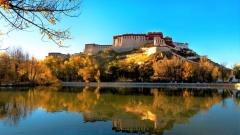
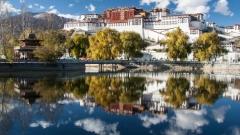
As you continue westward, the route begins to curve northward. This is where the topography changes. The western and northern sides of the palace hill introduce gentle inclines. Do not rush these climbs. Shift into an easier gear and focus on your breathing rather than your speed. The northern stretch, often running parallel to Linkor North Road, takes you past the back of the palace. This area is quieter, flanked by traditional Tibetan architecture and the lush greenery of Zongjiao Lukang Park (also known as Dragon King Pool). Taking a brief detour into this park is highly recommended. It offers one of the most famous reflection shots of the Potala Palace in the tranquil waters of the lake, providing a serene break from the traffic.
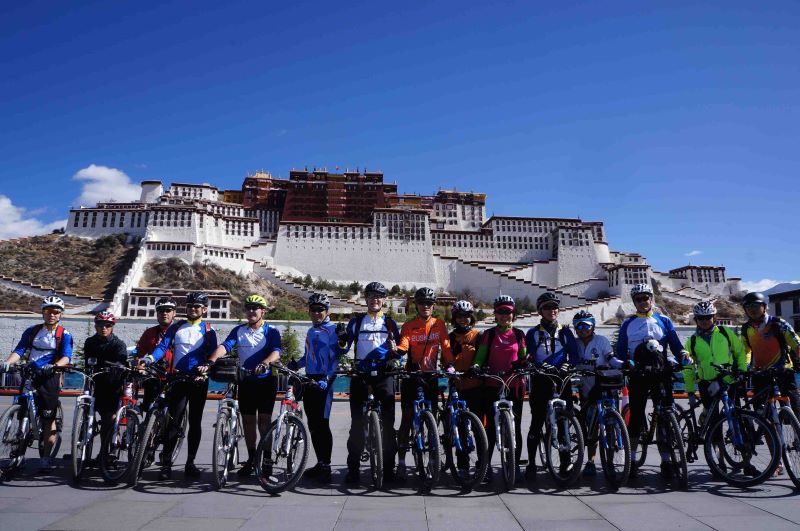
Heading east along the northern perimeter, you will eventually connect to the roads leading south again, completing the eastern arc of the loop. This section passes through bustling local markets and residential areas. Here, the true pulse of Lhasa is felt. You will see elderly residents performing their daily kora (circumambulation) around the palace grounds, spinning handheld prayer wheels and murmuring mantras. Riding respectfully through these areas—yielding to pedestrians, avoiding loud bell-ringing, and maintaining a slow speed—is essential to honoring the sacred nature of the environment.
Navigating Traffic and Local Etiquette
Traffic in Lhasa has grown significantly over recent years. While a cycling tour in Lhasa around Potala Palace route avoids the chaotic highways outside the city center, you will still share the road with cars, buses, electric scooters, and countless pedestrians. Defensive riding is mandatory. Always assume that drivers turning at intersections may not see you. Use hand signals when changing lanes or turning, and make eye contact with drivers whenever possible.
Electric scooters are ubiquitous in Lhasa and are incredibly quiet. They can appear seemingly out of nowhere, especially when you are navigating narrow side streets branching off the main route. Keep your head on a swivel and avoid wearing earbuds while riding. You need to hear the ambient sounds of the traffic and the city.
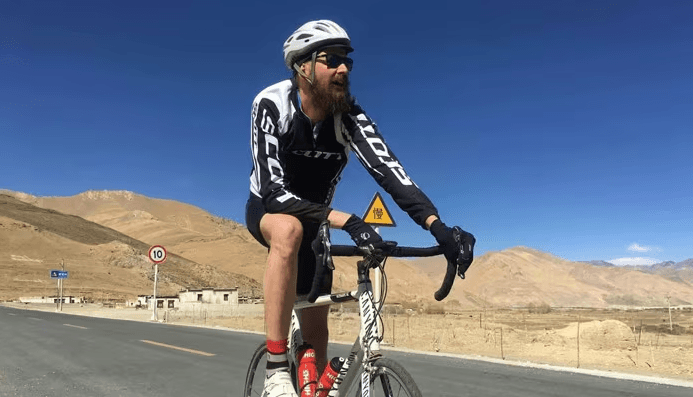
Cultural etiquette extends beyond traffic rules. The Potala Palace is not merely a tourist attraction; it is a deeply revered religious site and a symbol of Tibetan heritage. When riding the kora route—the traditional circumambulation path followed by pilgrims—always travel in a clockwise direction. Riding counter-clockwise goes against centuries of religious tradition and can cause offense. If you stop to take photographs, ensure you are not blocking the path of pilgrims. Never point your feet toward the palace or any religious monument when resting, as this is considered highly disrespectful in Tibetan culture.
Timing Your Ride for the Best Experience
The time of day you choose to embark on your cycling tour in Lhasa around Potala Palace route dramatically alters the experience. Early morning, shortly after sunrise, is arguably the most magical time to ride. The air is at its crispest, the light casts a golden hue over the white walls of the palace, and the streets are primarily occupied by devout locals beginning their morning kora. The temperature is cool, making the physical exertion of pedaling much more manageable. However, dress warmly, as pre-dawn temperatures can hover near freezing depending on the season.
Late afternoon, a few hours before sunset, is another excellent window. The harsh midday sun has softened, and the shadows lengthen across the valley. This is a prime time for photography. Conversely, avoid riding between noon and three in the afternoon. The sun is directly overhead, the UV index reaches dangerous levels, and the heat radiating off the asphalt can be exhausting. Midday is better spent resting in a shaded teahouse or exploring indoor attractions.
Seasonal timing also matters. Spring and autumn offer the most stable weather conditions for cycling. Summer brings warmer temperatures but coincides with the monsoon season, meaning afternoon rain showers are frequent. Winter provides crystal clear skies and stunning snow-capped mountain views, but the cold can be brutal, requiring heavy thermal gear and limiting your riding window to just a few hours in the middle of the day.
Essential Stops Along the Way
A successful cycling tour in Lhasa around Potala Palace route is not about speed; it is about engagement with the surroundings. Plan for several stops to rest, hydrate, and absorb the atmosphere.
Zongjiao Lukang Park, located behind the palace, is the premier rest stop. After tackling the slight inclines on the western side, rolling into the park feels like entering an oasis. Willow trees drape over the water, and locals gather to dance, play cards, and feed the fish. It is a perfect spot to dismount, stretch your legs, and enjoy a snack.
Another vital stop is the area surrounding Jokhang Temple and Barkhor Street, which connects naturally to the eastern portion of your loop. While you cannot ride directly through the crowded Barkhor kora path, parking your bike at a designated stand and walking into this vibrant quarter is a must. The sensory overload of burning juniper incense, chanting monks, and colorful market stalls is the heartbeat of Lhasa.
For panoramic views, some cyclists extend their route slightly to climb the lower slopes of Chakpori Hill, located just southwest of the Potala Palace. While you cannot cycle up the steep steps, locking your bike at the base and hiking up to the viewing platform provides the classic, postcard-perfect vantage point of the palace against the backdrop of the modern city and distant mountains.
Fueling Up: Food and Drink Recommendations
Cycling at high altitude burns calories rapidly and dehydrates the body faster than you might realize. Proper nutrition and hydration are critical components of your cycling tour in Lhasa around Potala Palace route.
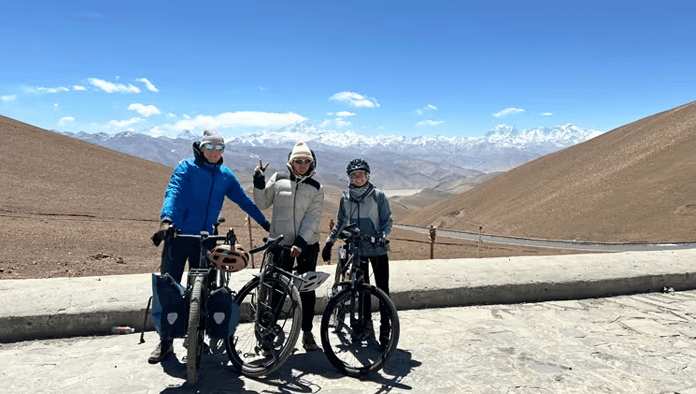
Carry at least two full water bottles on your bike frame. Sip constantly, even if you do not feel thirsty. Dehydration exacerbates altitude sickness symptoms and leads to rapid fatigue. Electrolyte tablets dissolved in your water can help replace salts lost through sweat.
Tibetan cuisine offers unique, calorie-dense options perfect for cyclists. Before your ride, visit a local teahouse for Sweet Tea (Cha Ngarmo). Unlike butter tea, which has a savory, acquired taste, sweet tea is similar to milky black tea and provides a quick boost of carbohydrates and warmth. Pair it with Tibetan bread (Balep) or momos (steamed dumplings filled with meat or vegetables) for sustained energy.
During the ride, carry high-energy snacks such as dried yak meat, nuts, and chocolate. Dried yak meat is a local staple, rich in protein and easy to carry in a jersey pocket. After completing your loop, reward yourself with a hearty bowl of Thukpa, a traditional Tibetan noodle soup packed with vegetables and meat. The hot broth is incredibly restorative, warming your core and replenishing fluids simultaneously. Numerous small restaurants serving authentic Thukpa can be found along the streets bordering the palace route.
Health, Safety, and Altitude Awareness
Safety on a cycling tour in Lhasa around Potala Palace route revolves primarily around managing your physical limits. Altitude sickness does not discriminate based on fitness level. Even elite athletes can suffer if they push too hard too soon. Listen to your body. If you feel a persistent headache, nausea, or unusual breathlessness while pedaling at a slow pace, stop immediately. Find a place to sit, drink water, and if symptoms do not improve within a short time, return to your hotel and rest.
Carry a small first-aid kit containing bandages, antiseptic wipes, pain relievers suitable for altitude, and any personal medications. Sunburn is a genuine health risk here, not just a cosmetic annoyance. Severe sunburn can lead to fever and dehydration, compounding altitude issues. Reapply sunscreen every two hours, paying special attention to your lips, ears, and the back of your neck.
Ensure your mobile phone is fully charged and carries a local SIM card with data. While the route is urban and rarely remote, having access to maps, translation apps, and emergency numbers provides peace of mind. Save the contact information for your hotel and your travel agency in your phone before setting out.
Enhancing Your Experience with Professional Support
While exploring Lhasa independently is rewarding, navigating logistics, language barriers, and altitude concerns can sometimes detract from the pure joy of riding. Partnering with an experienced local operator ensures your cycling tour in Lhasa around Potala Palace route is seamless and safe. Agencies like Tibet Yulong Travel specialize in crafting tailored itineraries that cater to active travelers. They provide well-maintained bicycles suited for high altitudes, arrange knowledgeable local guides who understand both the mechanical needs of the ride and the deep cultural significance of the landmarks you pass, and handle all necessary travel permits required for foreigners visiting Tibet. Having a support vehicle on standby or a guide who knows the quickest routes to medical facilities allows you to focus entirely on the rhythm of your pedals and the majesty of the landscape. Tibet Yulong Travel’s expertise in combining physical adventure with cultural immersion makes them a valuable resource for anyone looking to explore the Roof of the World on two wheels safely and authentically.
Respecting the Environment and Leaving No Trace
The fragile ecosystem of the Tibetan Plateau requires mindful tourism. When undertaking your cycling tour in Lhasa around Potala Palace route, commit to a strict leave-no-trace philosophy. Carry a small bag for your trash. Do not discard energy bar wrappers, empty water bottles, or tissues along the roadside or in the parks. Waste management infrastructure in certain areas can be strained, and littering detracts from the spiritual purity of the pilgrimage routes.
Furthermore, respect the wildlife you might encounter, particularly the stray dogs that roam the city and the birds in the parks. Do not feed them human food, and give them space. The harmony between the people, the animals, and the sacred architecture is what makes Lhasa truly unique, and as a visitor, preserving that balance is your responsibility.
Embarking on a cycling tour in Lhasa around Potala Palace route is more than a physical activity; it is a moving meditation through one of the world’s most extraordinary cities. By preparing adequately for the altitude, respecting local customs, choosing the right equipment, and pacing yourself thoughtfully, you transform a simple bike ride into a profound travel memory. The shadow of the Potala Palace gliding alongside you as your tires hum against the pavement is an experience that connects you intimately to the enduring spirit of Tibet. Whether you are a seasoned cyclist or a casual rider looking for a new perspective, this route promises an unforgettable journey through history, culture, and breathtaking high-altitude landscapes.