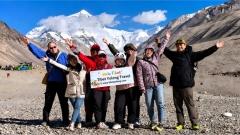
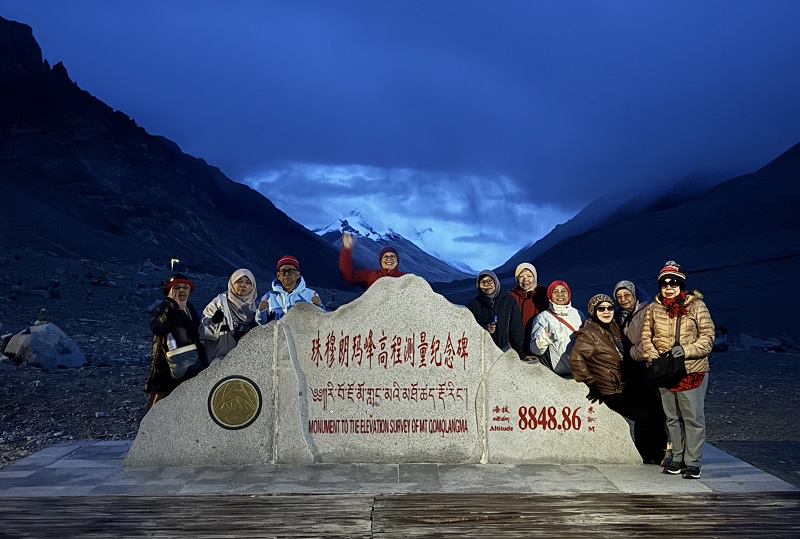
Mount Everest (8,848.86 meters / 29,031.7 feet) stands as the ultimate bucket-list destination for global travelers. Located in Tingri County, Shigatse, the Tibet Everest Base Camp (EBC) at an altitude of 5,200 meters (17,060 feet) offers ordinary travelers the most spectacular, unobstructed view of the world’s highest peak.
However, weather at high altitude is notoriously unpredictable. Choosing the wrong month could leave you staring into a wall of dense fog, while picking the right season guarantees golden sunrises, star-studded night skies, and breathtaking views of the sacred peak.
If you are planning your journey for 2027, when should you go? Here is your complete, expert guide to the best time to visit Mount Everest Base Camp!
Key Takeaways
Prime Windows for 2027: Late April to May (Spring) and September to October (Autumn) are the absolute best times to visit Mount Everest Base Camp (EBC) in Tibet.
Why These Months?: Stable atmospheric conditions, minimal rainfall, crystal-clear skies, and over a 90% success rate for witnessing the iconic “Golden Peak” at sunrise and the famous “Flag Cloud.”
Why Avoid Other Seasons?:
July – August (Monsoon Summer): Heavy humidity and rain bring thick cloud cover, often hiding Everest completely behind mist.
November – March (Winter Freeze): Sub-zero temperatures, violent high-altitude winds, potential road closures due to snow, and temporary closure of tented camps.
The Golden Months to Visit EBC in 2027
Based on historical meteorological data and high-altitude travel conditions, the best months to visit Mount Everest Base Camp in 2027 are:
Spring Golden Window: Late April – May
Autumn Golden Window: September – October
These two windows are universally recognized as the “Dream Seasons” for Everest viewing, drawing summit mountaineering expeditions and professional photographers from around the globe.
Top 4 Reasons Why Spring & Autumn Are Ideal
1. Clear Skies & Unrivaled Visibility
April–May and September–October represent the calm transition periods between high-altitude weather patterns. During these months, the atmosphere is stable, dry, and exceptionally clear, rewarding visitors with pure “Tibet Blue” skies and razor-sharp views of Everest’s northern face.
2. Maximum Chance of “Golden Peak” & “Flag Cloud”
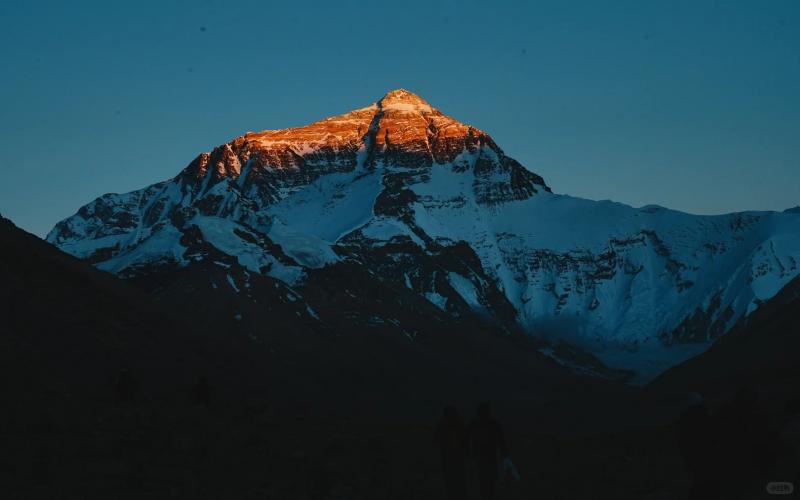
Golden Peak (Sunrise/Sunset): Clear skies during spring and autumn allow the first and last rays of sunlight to paint the snow-covered peak in brilliant shades of gold.
Everest Flag Cloud: Under clear conditions, a flag-shaped cloud frequently streams from the summit—a unique spectacle used by meteorologists to measure high-altitude wind speed. The success rate of photographing this phenomenon exceeds 90% during these golden months.
3. Spectacular Night Skies & Milky Way
High atmospheric transparency during these months creates perfect conditions for stargazing. Standing at 5,200 meters outside your tent, you can marvel at the shimmering Milky Way arching directly over the dark silhouette of Mount Everest.
4. Comfortable Temperatures & Full Camp Operations
Spring brings warming temperatures, while autumn offers crisp, pleasant days (daytime temperatures around 5°C to 15°C / 41°F to 59°F under direct sunlight). Local Tibetan yak-hair tent camps and Rongbuk Monastery accommodations are fully operational with complete heating and oxygen supply.
Why Other Seasons Are Not Recommended
To ensure your Tibet journey meets your highest expectations, here is an honest look at the drawbacks of traveling during Summer (July–Aug) and Winter (Nov–March):
1. July – August (Monsoon Rain & Peak Domestic Season): High Cloud Cover
While summer offers warmer temperatures, it is ironically the least favorable season for mountain viewing:
Monsoon Moisture: Indian Ocean monsoon winds bring frequent rain, heavy clouds, and thick mist that frequently shroud Mount Everest for days at a time.
Landslide Risks: Heavy rainfall can occasionally cause minor rockfalls or landslides along mountain passes, leading to road delays.
2. November – March (Winter Freeze & Gale-Force Winds): Extreme Cold
Freezing Temperatures & Heavy Winds: Nighttime temperatures at EBC plummet below -20°C (-4°F), accompanied by fierce mountain winds that can intensify altitude sickness.
Camp Removal & Snow Closures: For safety, the local Tibetan tented camps at EBC are dismantled from late November through March (requiring overnight stays in Tingri town or Rongbuk Monastery instead). Mountain passes may also experience temporary snow closures.
Practical Tips for Planning Your 2027 EBC Itinerary
Gradual Acclimatization Route: Never fly straight to high altitude! We recommend a gradual ascending route: Lhasa (3,650m) ➔ Nyingchi (2,900m) ➔ Shigatse (3,800m) ➔ Everest Base Camp (5,200m), giving your body 3–4 days to acclimate smoothly.
Permits & Border Pass: EBC lies in a protected border region. International travelers and overseas Chinese require a Tibet Travel Permit (TTB) and Alien’s Travel Permit, arranged in advance through an authorized agency.
Warm Gear & Oxygen: Day-to-night temperature swings at 5,200 meters are extreme. Choosing a premium tour operator that provides thermal sleeping bags and central diffused or portable oxygen is essential for a restful night’s sleep.
If standing before Mount Everest is the highlight of your 2027 travel plans, lock in April–May or September–October. Choose the right season, and the world’s highest peak will reveal itself in all its breathtaking, sacred glory!