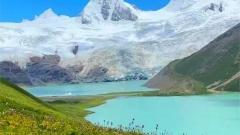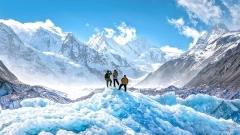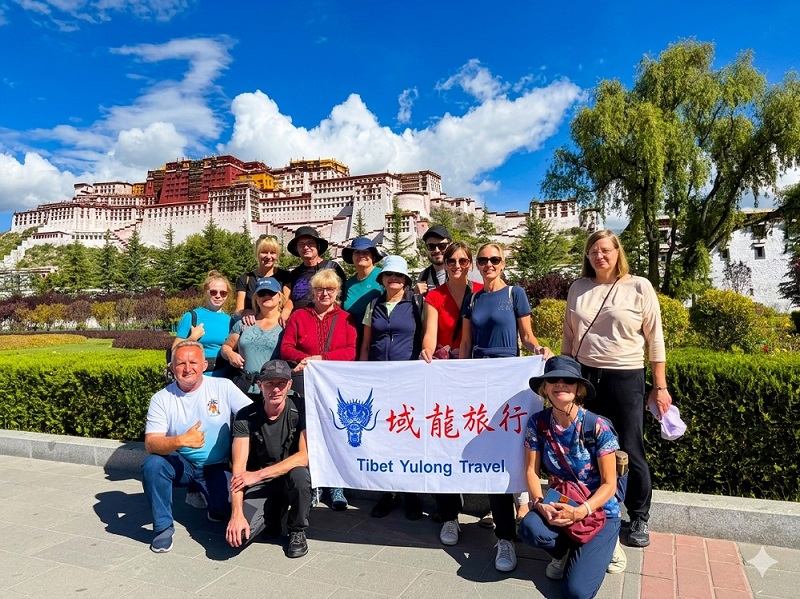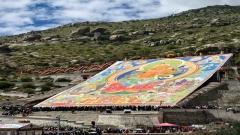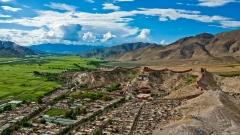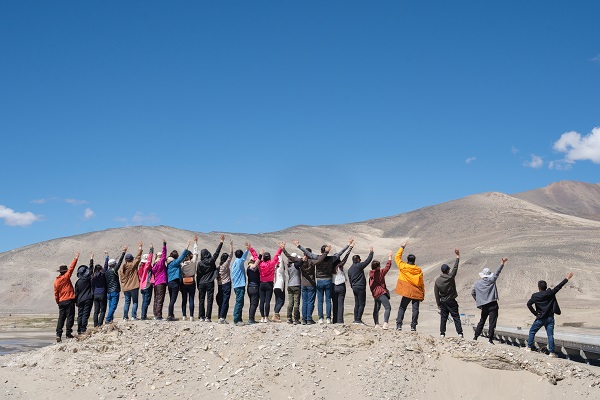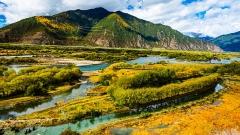

Spanning over 1.22 million square kilometers, Tibet occupies nearly one-eighth of China’s total land area. Far from being a uniform expanse of desolate mountains, this vast region encompasses dramatic ecological shifts—from sub-tropical river canyons to extreme high-altitude alpine deserts. Understanding Tibet’s geographic divisions is the essential first step in crafting your perfect travel itinerary.
Key points:
Seven Administrative Regions: Tibet Autonomous Region is divided into 1 prefecture-level city (Lhasa) and 6 prefectures/cities (Shigatse, Nyingchi, Shannan, Chamdo, Nagqu, and Ngari).
South vs. North Tibet (Climate & Landscape Differences):
Boundary: Divided roughly by the Gangdise and Nyenchen Tanglha mountain ranges.
South/Southeastern Tibet: Includes Nyingchi, Shannan, Lhasa, and southern Shigatse. Influenced by Indian Ocean monsoons, it features a humid climate, dense pine forests, and lower elevations (2,900m–3,800m), earning Nyingchi the nickname “Jiangnan of Tibet.”
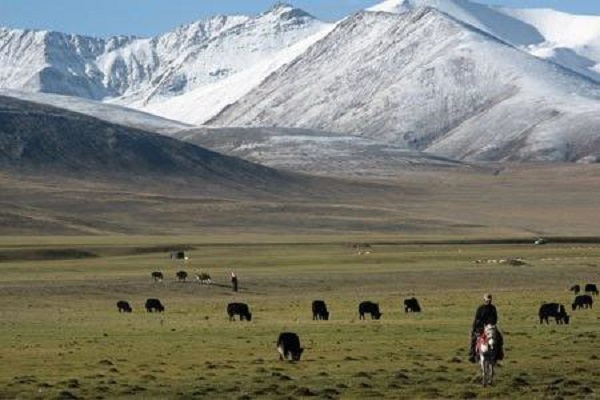
North Tibet (Qiangtang Plateau): Includes Nagqu and most of Ngari. Characterized by high-altitude cold steppe and alpine desert landscapes at an average elevation exceeding 4,500m, famous for endless lakes (“Co”), snow peaks, and abundant wildlife.
Regional Travel Highlights:
Lhasa: Spiritual and cultural heartland, rich in historic heritage and Tibetan tea house culture.
Nyingchi: Low-altitude paradise with spring peach blossoms, deep gorges, and lush forests.
Shigatse & Shannan: Cultural cradles of Tibet, home to Tashilhunpo Monastery, ancient palaces, and Mount Everest Base Camp.
Ngari & Nagqu: Overland wilderness adventure featuring sacred peaks (Mount Kailash, Lake Manasarovar) and Qiangtang wildlife.
Overview of Tibet’s Seven Administrative Regions
Administratively, Tibet is divided into 7 prefecture-level regions, each offering distinct natural scenery and cultural heritage:
Lhasa City: The capital of Tibet and its primary cultural, religious, and transportation hub.
Nyingchi City: Located in the southeast, featuring the lowest elevation and richest vegetation—often dubbed the “Jiangnan of Tibet.”
Shannan City (Lhoka): The birthplace of Tibetan civilization and its earliest dynasties, packed with historic ruins.
Shigatse City: The cultural center of Tsang (Posterior Tibet) and the gateway to Mount Everest.
Chamdo City: The eastern gateway to Tibet, characterized by Kham culture and dramatic river canyons.
Nagqu City: The heart of the vast northern grasslands, famous for nomadic heritage and pastoral life.
Ngari Prefecture: The remote “roof of the world’s roof,” home to sacred mountains and ancient kingdoms.
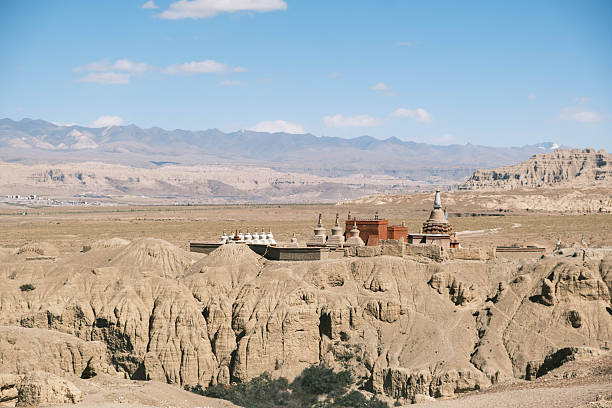
“South Tibet” vs. “North Tibet”: Contrast in Climate & Scenery
Geographically, locals divide Tibet into “South Tibet” (including Southeastern Tibet) and “North Tibet”, using the Gangdise and Nyenchen Tanglha mountain ranges as a natural barrier:
South / Southeastern Tibet: Lush Valleys & Cultural Heritage
Terrain & Climate: Moisture-rich warm air currents from the Indian Ocean travel up the Yarlung Tsangpo Grand Canyon, giving this region a mild climate, abundant rainfall, and higher oxygen levels.
Key Destinations: Nyingchi, Lhasa, Shannan, and Southern Shigatse.
Travel Highlights:
Nyingchi: Marvel at thousands of wild peach trees in spring, lush pine forests and Basum Tso in summer, and Mount Namcha Barwa in autumn—an ideal low-altitude first stop.
Lhasa: Tour the iconic Potala Palace, Jokhang Temple, and Barkhor Street while savoring traditional sweet tea.
Shannan: Explore Yumbulagang (Tibet’s first palace) and Samye Monastery (Tibet’s first monastery) to connect with ancient Tibetan roots.
North Tibet (Qiangtang Plateau): Wilderness & High Altitudes
Terrain & Climate: Averaging over 4,500 meters in elevation, North Tibet is cold, dry, and covered in alpine meadows and vast steppe, sparsely populated by nomadic herders.
Key Destinations: Nagqu and Ngari.
Travel Highlights:
Nagqu (Qiangtang Grassland): Witness vast herds of yaks during the summer Nagqu Horse Racing Festival, and spot rare wildlife like Tibetan antelopes and wild yaks.
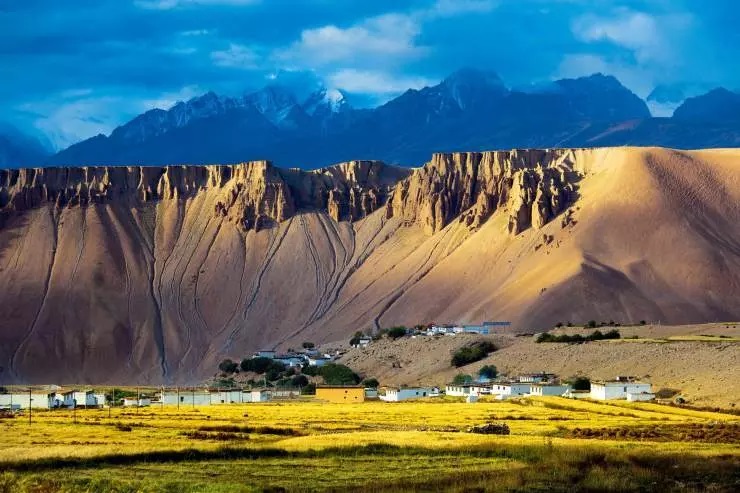
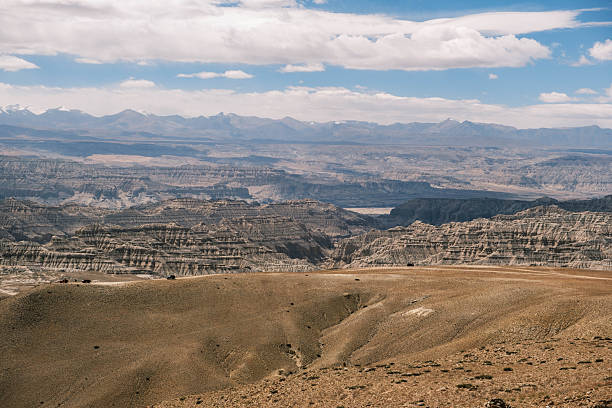
Ngari: Journey to Mount Kailash (“Center of the World”), sacred Lake Manasarovar, the mysterious Guge Kingdom ruins, and the Zanda Clay Forest along the legendary Ngari Northern Loop.
Major Cities and Their Unique Travel Appeal
To help you choose your ideal destination, here is a closer look at Tibet’s four most representative travel hubs:
Lhasa: The City of Sunshine & Faith
Elevation: Approx. 3,650 meters (11,975 feet).
Unique Appeal: Seamlessly blends ancient religious heritage with modern Tibetan leisure. Bright sunshine bathes the city year-round, where devoted pilgrims prostrating along Barkhor Street share the day with visitors enjoying tea in sunlit courtyards.
Nyingchi: The Emerald Water Town Under Snow Peaks
Elevation: Approx. 2,900–3,100 meters (9,500–10,170 feet).
Unique Appeal: Home to the Yarlung Tsangpo Grand Canyon (the world’s deepest gorge), Mount Namcha Barwa, Basum Tso, and Lulang Forest. High oxygen levels and low altitude make it the top choice for families, seniors, and altitude-conscious travelers.
Shigatse: Gateway to Everest & Panchan Lama Heritage
Elevation: Approx. 3,800 meters (city) to 5,200 meters (Everest Base Camp).
Unique Appeal: Shigatse is the traditional seat of the Panchen Lama (at Tashilhunpo Monastery) and the essential gateway to 8,000-meter Himalayan peaks, including Mount Everest and Mount Shishapangma.
Ngari: Extreme Landscapes & Sacred Origins
Elevation: Approx. 4,500+ meters (14,760+ feet).
Unique Appeal: Known as the “Ancestor of Mountains, Source of Rivers.” Ngari features sacred lakes (Lake Manasarovar, Lake Rakshastal), the world-famous Mount Kailash Kora pilgrimage circuit, and surreal clay forest landforms—a dream destination for overland adventurers.
How to Plan Your Tibet Route Based on Regions
First-Time / Family / Short Trip (5–7 Days): Focus on South Tibet (Nyingchi ➔ Lhasa ➔ Yamdrok Lake). This gradual altitude progression offers maximum comfort.
Classic Highlights Route (8–12 Days): Expand to Lhasa ➔ Shigatse ➔ Everest Base Camp ➔ Lake Namtso, combining cultural landmarks with high-altitude Himalayan views.
Overland Exploration / Deep Adventure (13+ Days): Venture into Ngari Prefecture (Ngari Loop / Grand Northern Route) or deep into the Qiangtang Wilderness, discovering the raw, untouched beauty of the high plateau.