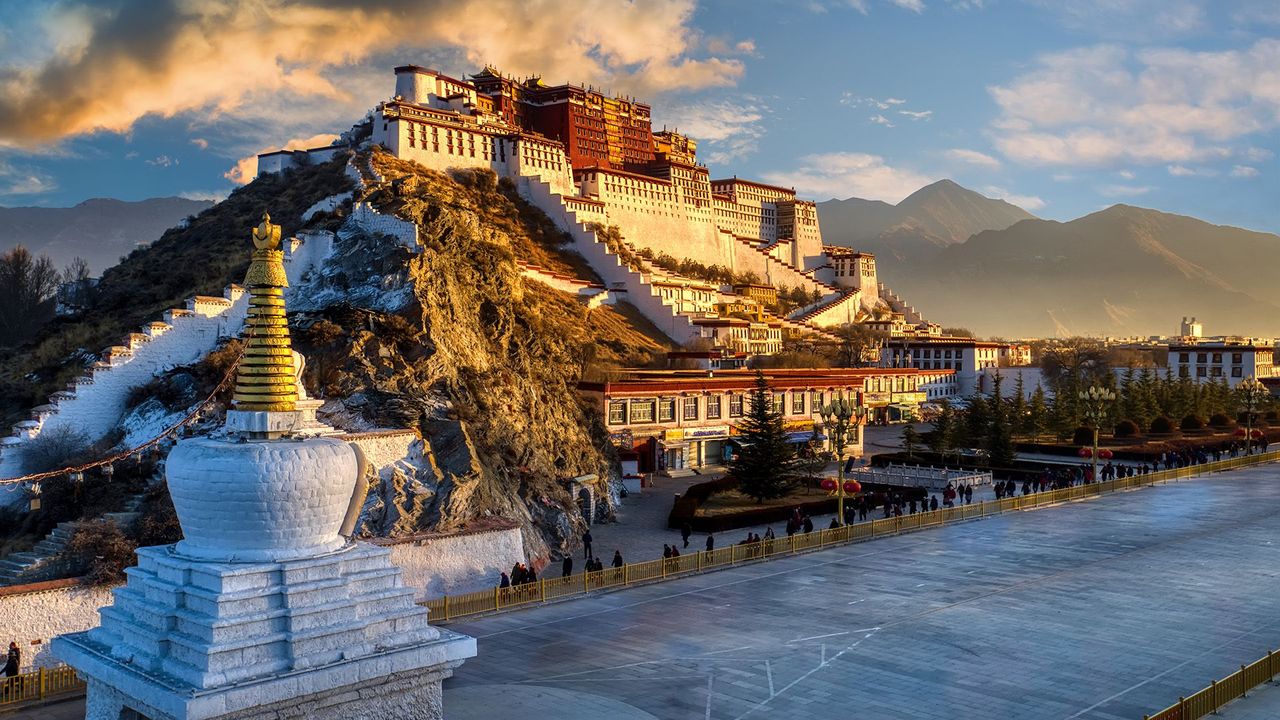
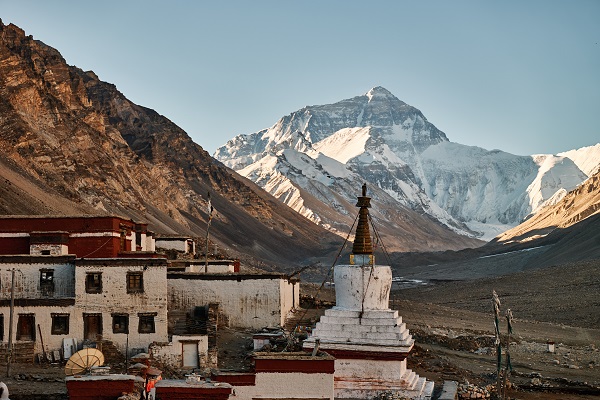
The air in the high Himalayas carries a stillness that settles into your bones long before you step inside any treatment room. For centuries, travelers, monks, and locals have relied on indigenous methods to restore balance against the harsh climate and thin oxygen of the plateau. Today, experiencing these ancient modalities is no longer reserved solely for remote monasteries or nomadic tents. A dedicated Tibet Healing Spa offers visitors a structured, deeply authentic way to engage with traditional Tibetan wellness, blending time-honored massage techniques with holistic healing practices rooted in one of the world’s oldest medical systems.
Tibetan medicine, known as Sowa Rigpa, translates roughly to “the science of healing.” Unlike modern Western approaches that often isolate symptoms, this system views the body, mind, and environment as an interconnected web. When you book a session at a Tibet Healing Spa, you are not merely scheduling a rubdown; you are stepping into a comprehensive philosophy of health. Practitioners assess your constitution based on three primary energies—Lung (wind), Tripa (bile), and Beken (phlegm). An imbalance in any of these forces is believed to manifest as physical discomfort or emotional unrest. The treatments aim to coax these energies back into harmony using touch, heat, botanicals, and sound.
Key points
Holistic Philosophy: Based on Sowa Rigpa, treatments balance the body’s three primary energies (Lung, Tripa, Beken) rather than just treating isolated symptoms.
Ku Nye & Thermal Therapies: Combines herbal oil massage along energy meridians with heat treatments like herbal compresses (Hor Me) and moxibustion.
Sound & Vibrational Healing: Integrates singing bowls and gentle mantra chanting to reset nervous systems and promote cellular-level relaxation.
Internal Wellness & Lifestyle: Emphasizes dietary guidance (e.g., butter tea and herbal tonics) and slow, unhurried care to restore overall harmony.
The Foundations of Tibetan Massage
At the heart of the wellness experience lies Ku Nye, the traditional Tibetan massage therapy. While many global spa traditions focus primarily on muscle manipulation, Ku Nye operates on a more layered level. The name itself reveals its dual nature: “Ku” refers to the application of herbal oils to the body, while “Nye” involves specific pressing, kneading, and tapping techniques along the body’s energy channels.
When you receive a Ku Nye treatment at a Tibet Healing Spa, the therapist begins by evaluating your dominant humor. If your constitution leans heavily toward Lung, characterized by anxiety, dry skin, or restless sleep, the practitioner will select warming, heavy oils like sesame infused with specific alpine herbs. The strokes will be slow, grounding, and rhythmic, designed to pacify the erratic wind energy. Conversely, if excess Tripa is causing inflammation or irritability, cooling oils and lighter, sweeping motions are employed to dissipate the internal heat.
The massage does not follow the anatomical muscle maps taught in standard Western schools. Instead, practitioners work along invisible meridians that correspond to the flow of vital life force. Points on the body are pressed using thumbs, knuckles, and sometimes the elbows, releasing blockages that restrict energy circulation. The result is rarely just physical relief; clients frequently report a profound sense of mental clarity and emotional lightness following a session.
Herbal Compresses and Thermal Therapies
Heat plays a critical role in traditional Tibetan healing, especially given the frigid environment where these practices originated. A hallmark of any reputable Tibet Healing Spa is the use of Hor Me, or traditional herbal compresses. These are not simple hot towels. Practitioners prepare dense pouches filled with a carefully curated blend of dried medicinal plants native to the Himalayan region.
Common ingredients include rhododendron leaves, juniper berries, artemisia grass, and various high-altitude roots. The pouches are steamed until they radiate a deep, penetrating warmth and then pressed directly onto the skin, particularly over joints, the lower back, and the crown of the head. The heat drives the therapeutic properties of the herbs through the pores, easing joint stiffness, reducing swelling, and calming the nervous system. The aromatic steam alone acts as a form of respiratory therapy, clearing the sinuses and expanding the lungs—a welcome relief for anyone adjusting to high altitudes.
Another thermal practice you might encounter is the moxa treatment, derived from broader Asian traditions but uniquely adapted in Tibet. Dried mugwort is rolled into cones or sticks, ignited, and held near specific points on the body. The radiant heat stimulates circulation without burning the skin. In a Tibet Healing Spa setting, moxibustion is often paired with massage to target chronic pain conditions, digestive sluggishness, or deep-seated coldness in the extremities.
Sound Healing and Vibrational Medicine
Wellness in Tibetan culture is inherently multisensory. You cannot separate the physical body from the vibrational environment it inhabits. This is why sound healing is frequently integrated into the programs offered at a Tibet Healing Spa. The use of singing bowls, traditionally crafted from a blend of metals, produces complex harmonic overtones when struck or circled with a wooden mallet.
These bowls are placed directly on or around the body during a treatment. As the practitioner coaxes the metal to sing, the vibrations travel through the water-rich tissues of the body, creating a micro-massage at the cellular level. This acoustic therapy is used to shift brainwave states, guiding the recipient from active beta waves down into deep theta states associated with meditation and profound rest. For travelers suffering from jet lag, altitude-induced insomnia, or general travel fatigue, this vibrational intervention can reset the circadian rhythm more gently than any pharmaceutical aid.
Chanting also features prominently. Mantras are not merely religious recitations; in the context of Sowa Rigpa, they are precise vocalizations designed to resonate with specific organs and energy centers. A skilled therapist might hum or chant softly while performing a massage, directing the sound vibration into the area being treated to enhance the release of tension.
Dietary Guidance and Internal Wellness
A visit to a Tibet Healing Spa extends beyond the treatment table. Traditional Tibetan medicine places immense emphasis on diet as the first line of defense against illness. After your consultation and physical therapies, practitioners often provide tailored dietary advice based on your constitutional type.
You will likely be introduced to traditional healing beverages. Butter tea, or po cha, is a staple. Made from black tea churned with yak butter and salt, it sounds unusual to unaccustomed palates, but it is a masterclass in functional nutrition. The fats provide sustained energy, the salt replenishes electrolytes lost to the dry mountain air, and the tea aids digestion. It warms the core and lubricates the internal organs, perfectly aligning with the goals of external oil massage.
Herbal decoctions are another pillar of internal healing. Depending on your assessment, you might be prescribed a warm broth infused with goji berries, astragalus root, or local gentian flowers. These tonics are designed to support the liver, fortify the immune system, and improve blood quality. The integration of these nutritional elements ensures that the benefits of your spa experience continue to compound long after you leave the premises.
Preparing for Your Visit
To maximize the benefits of your time at a Tibet Healing Spa, preparation matters. Because the therapies rely heavily on accurate pulse reading and observation, it is best to arrive without strong perfumes, heavy makeup, or the lingering effects of excessive caffeine or alcohol. These factors can mask your natural constitution and make it harder for the practitioner to tailor the treatment accurately.
Wear loose, comfortable clothing that allows easy access to the limbs and torso. Approach the experience with an open mind; the pacing of traditional Tibetan therapies is deliberate and unhurried. It is not a rushed sports massage meant to forcefully break up lactic acid before a marathon. It is a slow, methodical process of listening to the body’s subtle signals and responding with appropriate pressure, temperature, and botanical support.
Communication with your therapist is encouraged. If a herbal compress feels too hot, or if a specific pressure point triggers unexpected emotion—which is common when working with deep energy channels—let them know. The practitioners in these environments are trained to navigate both physical discomfort and emotional releases with steady professionalism.
The Broader Impact of Authentic Practices
Seeking out a genuine Tibet Healing Spa is also an act of cultural preservation. The transmission of Sowa Rigpa knowledge historically occurred within families or monastic institutions. By supporting establishments that employ locally trained practitioners and source authentic regional herbs, visitors contribute to the economic viability of keeping these ancient arts alive.
There is a distinct difference between a commercial venue that merely uses “Tibetan” as an aesthetic buzzword and a facility grounded in actual lineage practices. Look for spas that offer initial consultations, utilize locally sourced oils and herbs, and employ therapists who can clearly explain the energetic rationale behind their techniques. The true essence of Tibetan wellness is not found in superficial decor, but in the precise, compassionate application of a medical system refined over millennia.
Engaging with these practices offers a profound counterpoint to the fast-paced, symptom-chasing approach of modern urban life. Whether you are seeking relief from chronic muscular tension, looking to deepen a meditation practice, or simply wanting to experience the rich cultural heritage of the Himalayas through touch and scent, the traditional modalities available provide a deeply restorative path. The combination of Ku Nye massage, herbal thermotherapy, resonant sound healing, and mindful nutrition creates a comprehensive ecosystem of care that addresses the traveler as a whole being rather than a collection of isolated complaints.
Stepping out of the treatment room after a full session, the thin mountain air often feels different. The chest expands more easily, the mind moves with less friction, and the body carries a grounded weight that feels remarkably light. This is the enduring promise of traditional Tibetan wellness—an invitation to realign with the natural rhythms of the body and the landscape, facilitated by hands and knowledge passed down through countless generations.