
✨Highlights:
- 🍂 November is Tibet’s best-kept secret — Golden autumn foliage, snow-dusted peaks, crystal-clear skies, and far fewer crowds than peak season.
- 🌤️ Surprisingly pleasant weather — Sunny 10–15°C daytime temperatures in Lhasa and Nyingchi, near-zero rainfall, and exceptional mountain visibility; cold nights require proper layering.
- 🏔️ Nyingchi is the foliage capital — Basum Tso’s golden birch forests, Lulang’s “Tibet Switzerland” meadows, and the Yarlung Tsangpo Grand Canyon all peak in color through mid-November.
- 🗺️ Classic 7-day route — 3 days Lhasa culture + acclimatization, then 4 days Nyingchi foliage (Basum Tso, Lulang, Grand Canyon, Niyang River), with optional Everest extension.
- 💰 Unbeatable off-season value — Hotels, guides, and transport drop 20–40%; permits process faster and viewpoints feel almost private.
- 📋 Foreign travelers need 3 permits — TTP (in advance), ATP (on arrival), and Border Pass for Everest; all arranged through a registered agency, no independent travel.
Is November a good time to visit Tibet? That’s one of the most common questions we hear, and the short answer is yes. When most travelers picture Tibet, they imagine summer wildflowers or winter snowscapes. But November? That’s when the Roof of the World reveals its most cinematic side. As the monsoon retreats and the plateau slips into its dry season, November gifts visitors with something rare: golden autumn foliage clinging to forested valleys, snow-dusted peaks emerging from behind clouds, and an almost meditative quiet as the peak tourist season fades away.
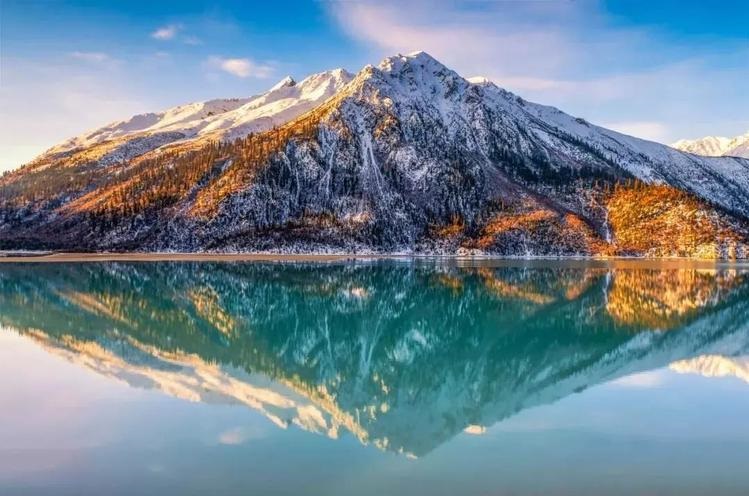
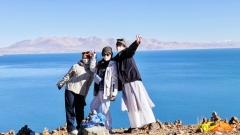
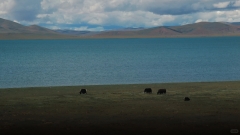
Ranwu Lake
A Tibet November travel guide isn’t just about where to go — it’s about understanding a season that transforms the landscape into a living painting. From the emerald waters of Basum Tso Lake ringed by golden birch forests to the sacred halls of Lhasa’s Potala Palace glowing under impossibly blue skies, November offers a Tibet that few travelers get to experience.
In this comprehensive guide, we’ll cover everything you need to plan the perfect November Tibet adventure: weather and packing essentials, the best autumn foliage spots, a suggested itinerary, permit requirements, photography tips, and insider advice from local experts. Whether you’re a first-time visitor or a returning traveler chasing the perfect shot, November might just become your favorite month to visit Tibet.
Tibet Weather in November: What to Expect
November marks the transition from autumn to early winter across the Tibetan Plateau, and understanding the weather is key to a comfortable trip.
The key takeaway? Days are surprisingly pleasant — sunny and mild enough for comfortable sightseeing — but nights get bitterly cold. Layering is non-negotiable.
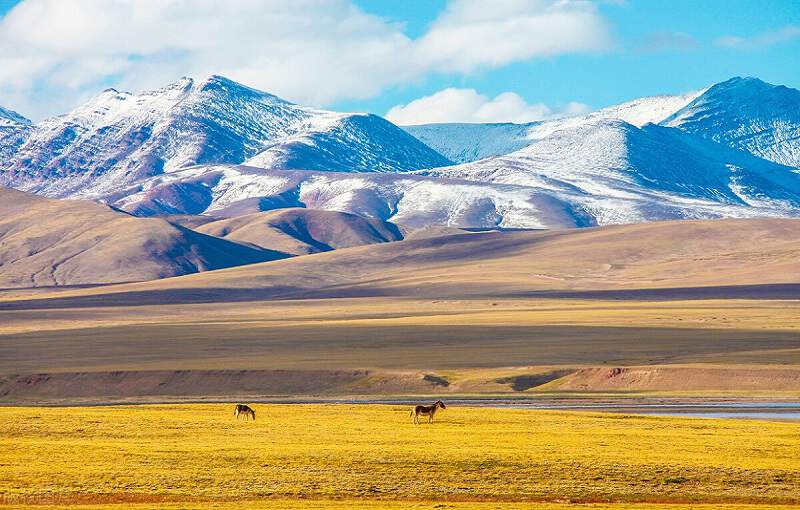
Tibetan Plateau
Why November Weather Is Actually Ideal
Despite the cold nights, November offers some of the year’s best travel conditions:
- Almost zero rainfall. Average precipitation drops to just 1mm across most of Tibet. Your trip is unlikely to be disrupted by weather.
- Crystal-clear skies. The dry air means exceptional visibility. Mountain peaks that hide behind summer clouds — including Mount Everest and Namcha Barwa — become far more visible in November.
- Golden hour magic. The low November sun creates longer, softer golden hours, ideal for photography.
- Low humidity. The dry air makes cold temperatures feel more manageable than humid cold at lower altitudes.
The Best Autumn Foliage in Tibet: Where to Go
While much of the high plateau turns brown and barren by November, Nyingchi in southeastern Tibet is the exception. Its lower altitude (around 2,900m) and forested river valleys preserve autumn colors well into late November, making it the undisputed capital of Tibet’s fall foliage season.
1. Basum Tso Lake: Tibet’s Emerald in a Golden Frame
- Altitude: 3,480m
- Best foliage window: Late October – mid-November
- Ticket: ~120 CNY (includes island access and hiking trails)
Basum Tso (also spelled Basongcuo) is one of Tibet’s three sacred lakes and arguably the most beautiful in autumn. Tucked into a forested valley in Gongbo’gyamda County, this glacial freshwater lake turns into a masterpiece each November.
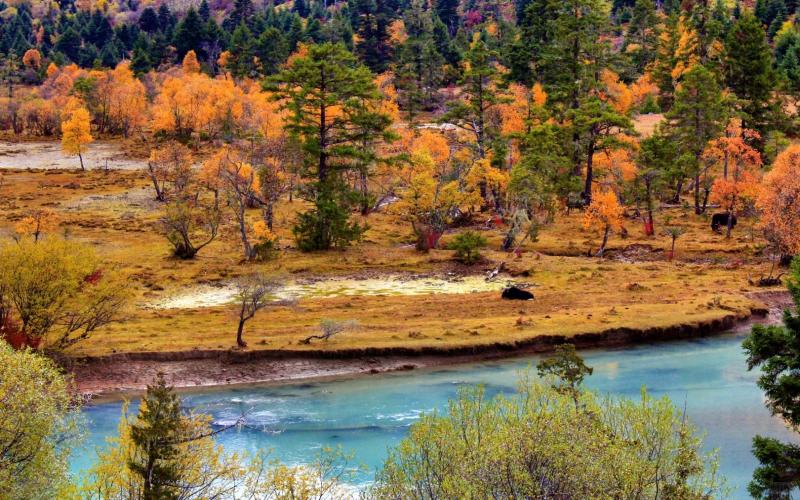
Basum Tso
What makes it special:
- Golden birch forests line the shore, their leaves turning buttery yellow and reflecting in the lake’s turquoise waters.
- Red shrubs and dark green conifers create a layered color palette — gold, crimson, emerald, and snow white.
- Tsozong Gongba Monastery, a 15th-century Nyingma school temple, sits on a small island in the middle of the lake, reachable by a short boat ride.
- Jieba Village, a traditional Tibetan settlement near the lake, offers homestays and authentic local cuisine.
- Xincuo Lake hike — a moderate 2–3 hour trek from Basum Tso rewards hikers with a smaller, even more pristine alpine lake surrounded by autumn forest.
Photography tip: Arrive at sunrise when the lake is perfectly still. The reflection of golden trees and snow peaks on the glassy water is the shot every photographer chases.
2. Lulang Forest: Tibet’s Answer to Switzerland
- Altitude: 3,385m
- Best foliage window: Mid-October – early November
- Cost: Free viewing platforms; horse riding ~50 CNY
Often called “Tibet’s Switzerland”, Lulang Forest is a vast alpine meadow ringed by snow-capped mountains and dense forests. In November, the meadow grasses turn golden, the larches blaze orange, and wooden Tibetan houses dot the landscape like something from a storybook.
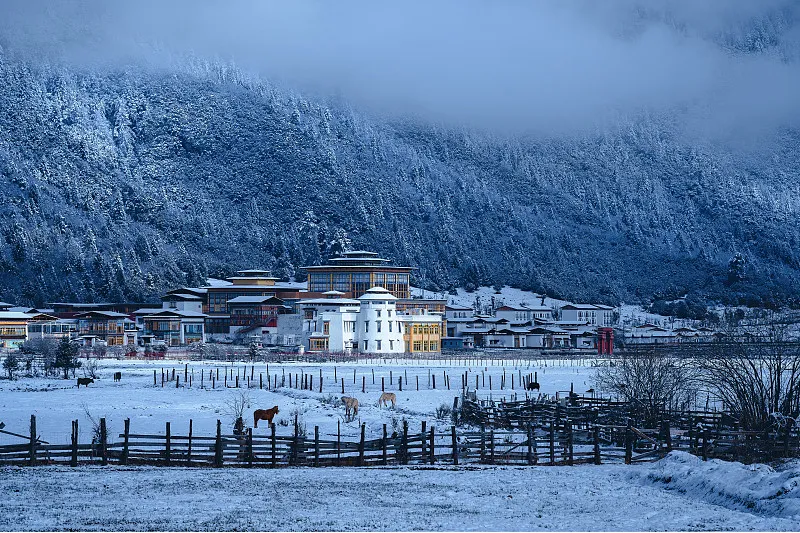
Winter Scenery of Lulang
Highlights:
- Lulang Stone Pot Chicken — a must-try local specialty cooked in a stone pot with Tibetan herbs, mushrooms, and free-range chicken (~80 CNY per person).
- Sejila Pass viewpoint (4,720m) — on the road between Lulang and Nyingchi, this pass offers the best distant view of Namcha Barwa Peak (7,782m), Tibet’s most sacred mountain. In November, visibility is excellent.
- Lulang Town — a newly developed Tibetan-style town with comfortable accommodation and restaurants.
3. Yarlung Tsangpo Grand Canyon: Where Golden Forests Meet the World’s Deepest Gorge
- Altitude: 2,880m (entrance) – varies
- Best foliage window: Late October – mid-November
- Ticket: ~290 CNY (including shuttle bus)
The Yarlung Tsangpo Grand Canyon is the deepest and longest canyon on Earth, and in November, its slopes become a vertical gallery of autumn color. From the canyon floor, you can look up at golden towering trees and, if luck is on your side, up at the snow-capped summit of Namcha Barwa.
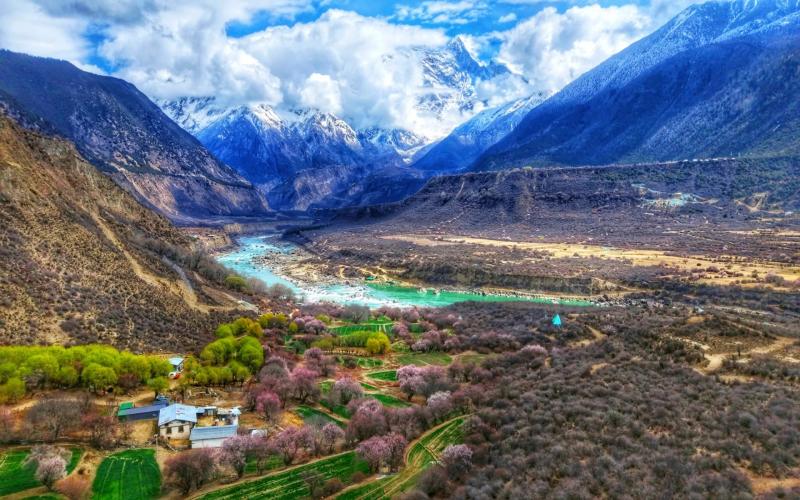
Yarlung Tsangpo Grand Canyon
Key spots:
- Zhibai Village — the closest village to Namcha Barwa, offering the most intimate views of the mountain.
- Namcha Barwa Viewing Platform — the classic viewpoint for the mountain’s iconic pyramid shape.
- Niyang River confluence — where the clear blue Niyang River meets the sediment-laden Yarlung Tsangpo, creating a striking two-tone effect.
Insider tip: Namcha Barwa is often called “the shy mountain” because it hides behind clouds. November’s dry weather dramatically increases your chances of seeing it fully revealed — especially at sunrise or sunset when the peak turns golden.
4. Niyang River Valley: A Golden Corridor
- Altitude: 2,900–3,000m
- Best foliage window: Mid-October – early November
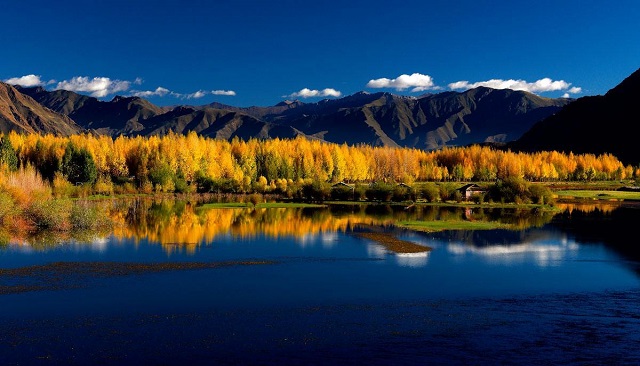
The Niyang River (Nyang Qu) is the mother river of Nyingchi, and its valley is lined with poplar forests that turn brilliant gold in autumn. The drive from Lhasa to Nyingchi follows this river for much of the way, and every bend reveals another postcard scene: blue water, golden trees, white-walled Tibetan houses, and distant glaciers.
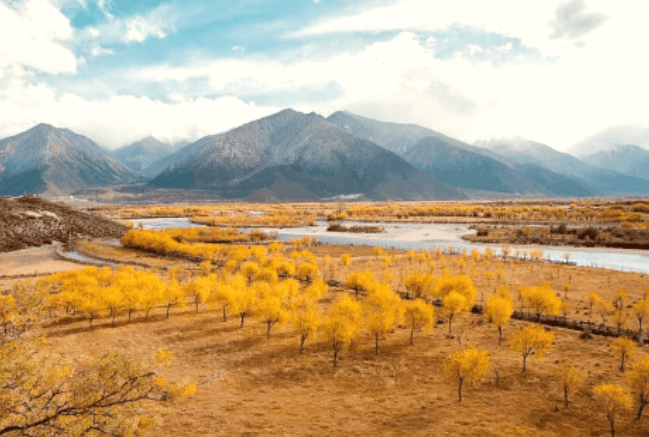
Don’t miss: The Niyang River God’s Waterfall (Nyang Pu) and the riverside poplar forests near Bayi Town, where locals gather for autumn picnics.
5. Lhasa in Autumn: Sacred Sites with Golden Backdrops
While Lhasa isn’t known for foliage, November brings its own beauty to the capital:
- Potala Palace — its white and red walls glow against November’s deep blue skies, and golden trees frame the classic viewpoints.
- Norbulingka — the Dalai Lama’s former summer palace has beautiful gardens that turn colorful in autumn, with far fewer visitors than summer.
- Barkhor Street — golden leaves drift through the air as pilgrims circle Jokhang Temple, creating an atmosphere that’s both festive and serene.
- Drepung and Sera Monasteries — set on hillsides above Lhasa, these great monasteries offer sweeping views of the city and surrounding autumn-colored valleys.
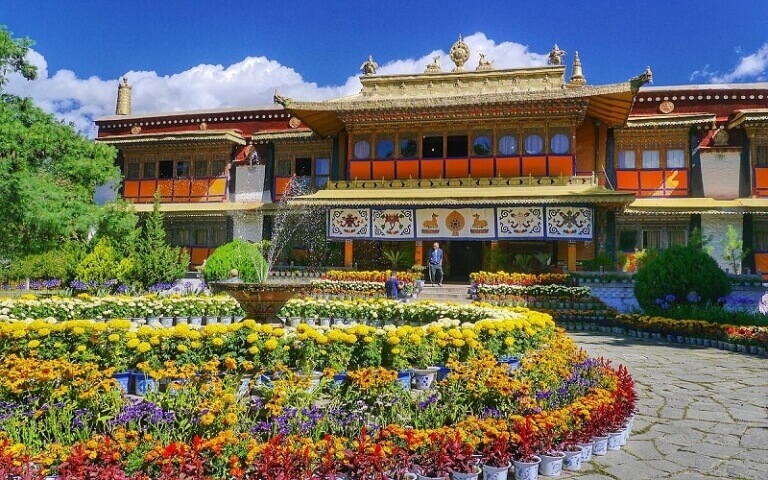
Summer Palace – Norbulingka
Suggested 10-Day Tibet November Itinerary
This Tibet November road trip itinerary balances Lhasa’s cultural treasures with Nyingchi’s autumn foliage, optimized for November conditions.
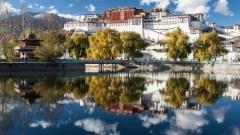
Day 1: Arrive in Chengdu
Day 2: Chengdu-Nyingchi-Mount Namcha Barwa-Lulang
Day 3: Lulang-Bomi-Midui Glacier-Bomi
Day 4: Bomi-Rangchu Glacier-Mount Namcha Barwa-Lulang-Nyingchi
Day 5: Nyingchi – Basomtso Lake – Lake Island – Lhasa
Day 6: Lhasa: Potala Palace – Jokhang Temple – Barkhor Street
Day 7: Lhasa – Kambala Pass – Yamdrok Lake – Lhasa
Day 8: Lhasa – Namtso Lake – Northern Tibetan Grassland – Lhasa
Day 9: Lhasa – Qinghai-Tibet Soft Sleeper Train
Day 10: Arrive in Xining at 8 AM – Fly to Chengdu at noon
Day 1: Arrive in Chengdu
Arrive in Chengdu, transfer to hotel. Rest and prepare for the trip ahead. Optional: visit a local teahouse or try Sichuan hotpot.
Day 2: Chengdu → Nyingchi → Mount Namcha Barwa → Lulang
Fly from Chengdu to Nyingchi. Drive to the Yarlung Tsangpo Grand Canyon area for views of Namcha Barwa (7,782m). Continue to Lulang Forest, check in. Overnight in Lulang.
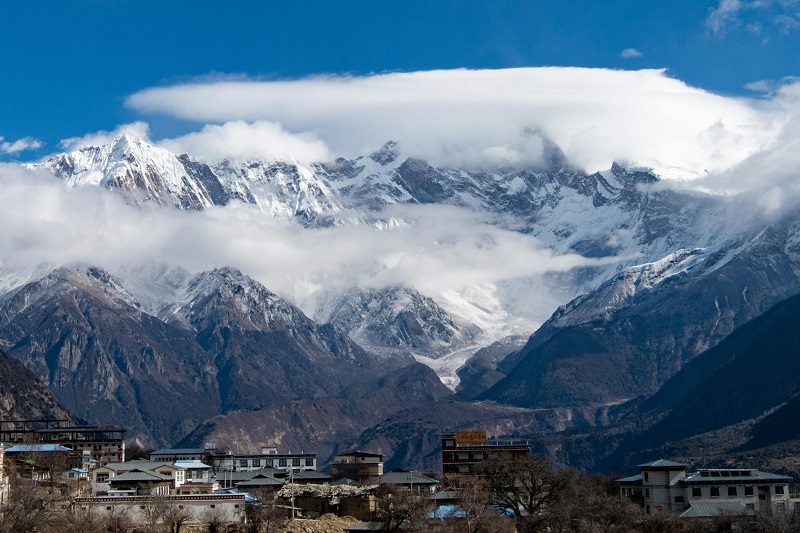
Mount Namcha Barwa
Day 3: Lulang → Bomi →Midui Glacier → Bomi
Drive to Bomi via the scenic Sichuan-Tibet Highway. Visit Midui Glacier, one of China’s most beautiful glaciers, with its turquoise glacial lake. Return to Bomi for the night.
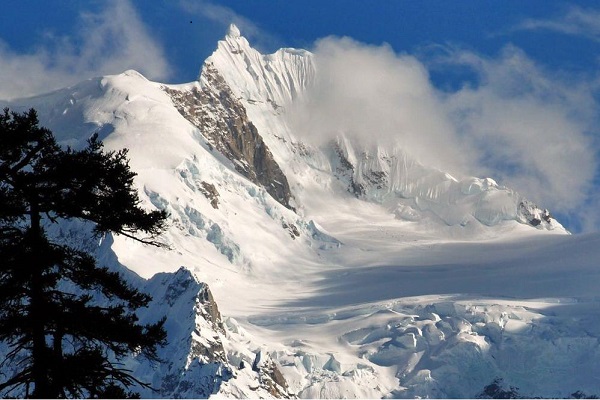
Midui Glacier
Day 4: Bomi → Rangchu Glacier → Mount Namcha Barwa → Lulang → Nyingchi
Morning visit to Rangchu Glacier. Drive back via Lulang, with a second chance to view Namcha Barwa from Sejila Pass. Arrive in Nyingchi (Bayi) in the evening. Overnight in Nyingchi.
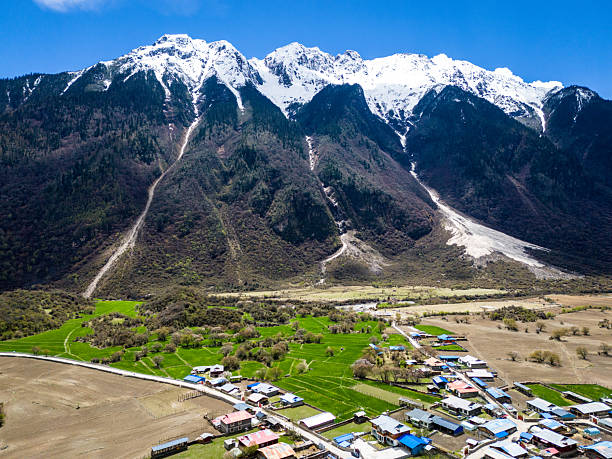
Bomi
Day 5: Nyingchi → Basum Tso Lake → Lake Island → Lhasa
Drive to Basum Tso Lake, take a boat to the island monastery (Tsozong Gongba). Continue along the Lhasa-Nyingchi Highway, arriving in Lhasa in the evening. Overnight in Lhasa.
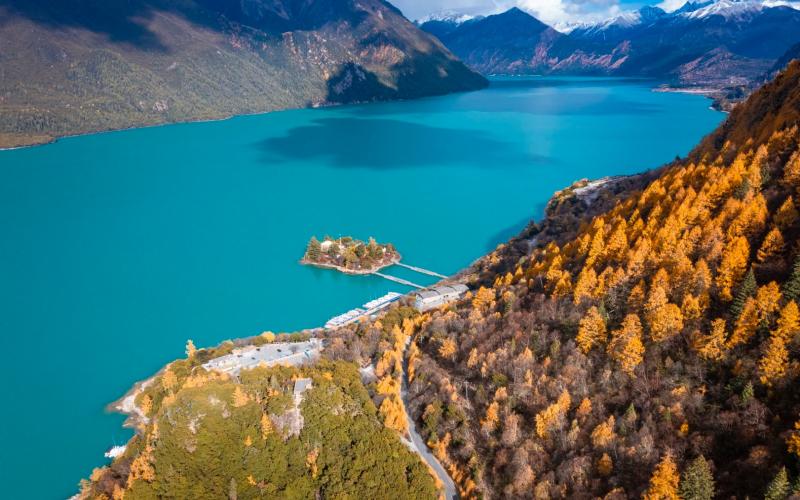
Basum Tso
Day 6: Lhasa: Potala Palace → Jokhang Temple → Barkhor Street
Morning visit to Potala Palace (book tickets in advance). Afternoon: Jokhang Temple and the Barkhor Street kora. Overnight in Lhasa.
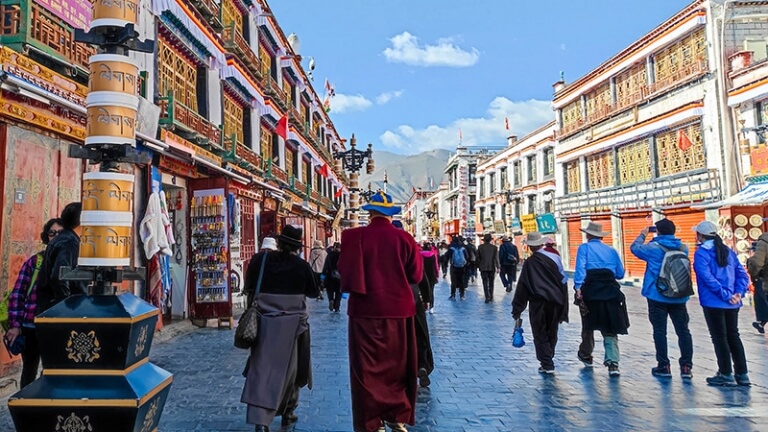
Barkhor Street
Day 7: Lhasa → Kambala Pass → Yamdrok Lake → Lhasa
Drive over Kambala Pass (4,794m) to Yamdrok Lake, one of Tibet’s three sacred lakes. The water turns a deep sapphire blue in November. Return to Lhasa. Overnight in Lhasa.
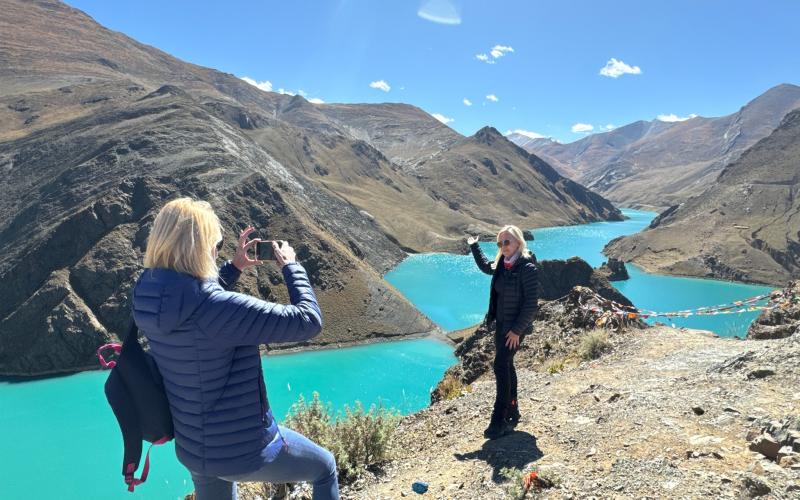
Yamdrok lake
Day 8: Lhasa → Namtso Lake → Northern Tibetan Grassland → Lhasa
Full-day trip to Namtso Lake (4,718m), one of the world’s highest saltwater lakes. Cross the Northern Tibetan Grassland with views of snow peaks. Note: very cold in November, dress warmly. Return to Lhasa. Overnight in Lhasa.
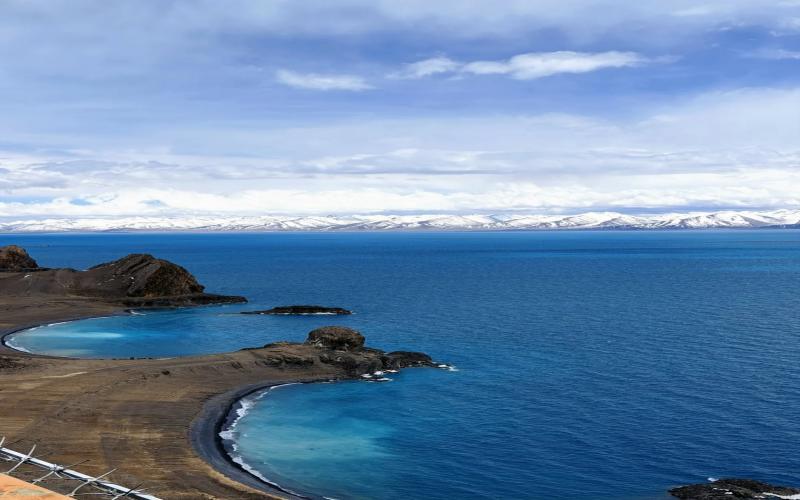
Namtso Lake
Day 9: Lhasa → Qinghai-Tibet Soft Sleeper Train
Free morning in Lhasa for last-minute shopping or sightseeing. Board the Qinghai-Tibet Railway soft sleeper train in the afternoon/evening. Enjoy the sunset over the plateau from your cabin. Overnight on the train.
Day 10: Arrive in Xining at 8 AM → Fly to Chengdu at Noon
Arrive in Xining around 8 AM. Transfer to the airport for a noon flight back to Chengdu. Trip concludes.
Permits and Paperwork: What You Need
Foreign travelers need several documents to visit Tibet in November:
- Tibet Travel Permit (TTP) — Required for all foreign nationals. Must be arranged through a registered Tibetan travel agency at least 10–15 days in advance. You cannot enter Tibet without it.
- Alien’s Travel Permit (ATP) — Required for visiting “unopened” areas including Nyingchi’s Basum Tso, Everest Base Camp, and parts of Shigatse. Your agency arranges this on arrival in Lhasa.
- Border Pass — Required for areas near international borders (Everest Base Camp, Mount Kailash, etc.).
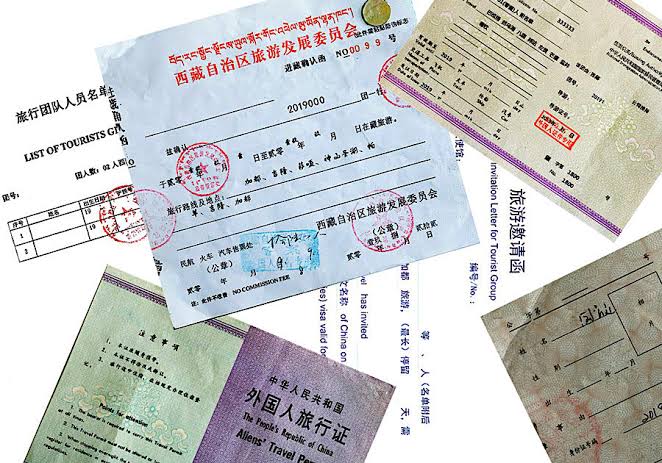
November advantage: Permit processing is generally faster in the off-season, and your travel agency can often arrange everything more efficiently than during peak summer months.
Packing List for a Tibet November Trip
November requires serious cold-weather preparation. Here’s what to bring:
Clothing (Layer System)
- Base layer: Thermal underwear (merino wool recommended)
- Mid layer: Fleece jacket or down sweater
- Outer layer: Windproof, waterproof shell jacket
- Lower body: Thermal base + hiking pants + windproof overpants
- Down jacket: 700+ fill power, essential for evenings and high passes
- Wool socks: 3–4 pairs
- Warm hat, gloves, and neck gaiter/scarf
Footwear
- Sturdy hiking boots with good ankle support (broken in before the trip)
- Camp shoes or sandals for wearing at guesthouses
Health and Safety
- Altitude sickness medication (Diamox/acetazolamide — consult your doctor)
- Sunscreen (SPF 50+) — UV radiation is intense at altitude, even in November
- Lip balm with SPF and moisturizer — the dry air is brutal
- Personal medications and a basic first-aid kit
- Reusable water bottle — stay hydrated constantly
Electronics
- Camera with extra batteries (cold drains batteries fast)
- Power bank
- Sunglasses (glare from snow and water)
Photography Tips for November Tibet
Think of this as your Tibet November photography guide: November is arguably the best month for Tibet photography, and here’s how to make the most of it.
- Golden hour is longer. The low November sun extends golden hour to 45–60 minutes at sunrise and sunset. Plan your key shots accordingly.
- Use reflections. Basum Tso and other lakes are often glass-still in the morning cold. Shoot low to maximize reflection symmetry.
- Include people. A pilgrim in crimson robes against golden foliage or white snow creates powerful compositions. Always ask permission before photographing individuals.
- Protect your gear. Cold temperatures drain batteries — carry spares in an inner pocket. When moving from cold outdoors to warm rooms, seal your camera in a plastic bag to prevent condensation.
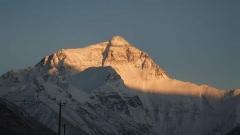
- Shoot Namcha Barwa at sunset. The peak turns a deep rose-gold color that’s extraordinary in November’s clear air.
- Capture the contrast. November’s magic is in the juxtaposition: golden leaves against white snow, turquoise lakes against brown hills, crimson robes against blue skies.
Why November Beats Peak Season: The Practical Advantages
Beyond the scenery, November offers real practical benefits:
- Fewer crowds. Major sites like Potala Palace and Basum Tso are far less crowded. Many viewpoints feel almost private.
- Lower prices. Hotels, guides, and transport often offer off-season discounts of 20–40%.
- Better service. Guides and drivers have more time and flexibility in the off-season.
- Easier permits. Fewer applications mean faster processing.
- Authentic experiences. With fewer tourists, you’re more likely to have genuine interactions with local Tibetans.
Frequently Asked Questions
Q: Is November too cold to visit Tibet?
A: Not at all. Daytime temperatures in Lhasa and Nyingchi are a pleasant 10–15°C with sunny skies. Nights are cold (below freezing), but you’ll be indoors. The key is proper layering.
Q: Can I see autumn foliage in late November?
A: In Nyingchi’s lower valleys, yes — golden foliage often persists into late November. Higher areas (above 3,500m) will have lost their leaves by then. Early to mid-November is the sweet spot.
Q: Is altitude sickness worse in November?
A: No, altitude sickness is related to elevation, not season. However, the dry November air means you need to drink even more water to stay hydrated, which helps with acclimatization.
Q: Are roads open in November?
A: Main roads (Lhasa–Nyingchi, Lhasa–Shigatse) are generally open year-round. High-altitude passes like Mila Pass (5,013m) may have occasional snow but are usually passable. Remote roads to Everest Base Camp and Namtso Lake can close after heavy snow — check with your agency.
Q: Do I need a guide?
A: Yes. Foreign travelers are required to travel with a registered Tibetan guide and private vehicle. Independent travel is not permitted. Choose a reputable local agency for the best experience.
Q: What about food in November?
A: Restaurants in Lhasa and Nyingchi operate year-round. Tibetan staples (momos, tsampa, butter tea, yak meat) are always available. Nyingchi’s stone pot chicken is a November favorite.
Final Thoughts: November, the Tibet You Didn’t Expect
A Tibet November trip is a study in contrasts. It’s golden forests and snow peaks, turquoise lakes and brown plateaus, warm sunshine and freezing nights, sacred silence and the rhythmic chime of pilgrim bells. It’s a month when the landscape seems to hold its breath between autumn and winter, offering travelers a fleeting, fragile beauty that exists nowhere else on Earth.
If you’ve been waiting for the right moment to visit Tibet, November might be it. The foliage is golden, the mountains are visible, the crowds are gone, and the prices are lower. All you need is a warm jacket, an open mind, and a sense of adventure.
The Roof of the World is waiting — and in November, it’s wearing its most spectacular colors.
Ready to plan your Tibet November adventure? Contact our local travel experts for a customized itinerary, permit assistance, and the best off-season rates.