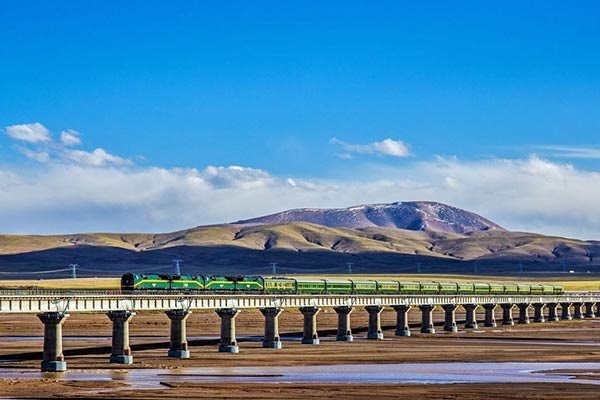
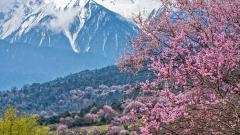
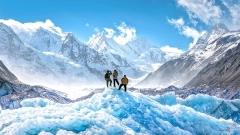
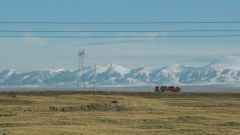
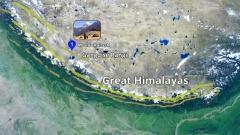
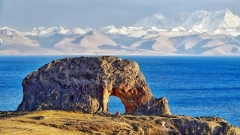
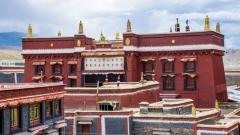
When most travelers think of visiting the Roof of the World, they picture summer grasslands and bustling tourist crowds. However, embarking on a Tibet Winter Tour reveals an entirely different side of this mystical region. From November to March, the plateau transforms into a serene wonderland where snow-capped peaks pierce impossibly blue skies and ancient monasteries echo with deeper spiritual resonance. Choosing to travel during the colder months is not just about braving the elements; it is a strategic decision that rewards you with unique cultural immersion, significant financial savings, and unparalleled photographic opportunities. Whether you are a seasoned mountaineer, a photography enthusiast, or a cultural explorer, the winter season offers experiences that summer simply cannot match.
Before diving into the details, here are the key highlights of planning a Tibet Winter Tour:
- Significant Cost Savings: Hotels, flights, and tours drop substantially in price.
- Crystal-Clear Everest Views: Dry winter air eliminates clouds, offering perfect mountain visibility.
- Vibrant Local Festivals: Experience authentic celebrations like Losar without heavy tourist crowds.
- Fewer Crowds: Enjoy sacred sites like the Potala Palace in peaceful solitude.
- Intense Sunshine: High-altitude winter days are surprisingly warm under the bright sun.
Why a Tibet Winter Tour Offers Incredible Value for Money
One of the most compelling reasons to consider a Tibet Winter Tour is the dramatic reduction in travel expenses. During the peak summer months, the cost of flights, accommodations, and guided services can be prohibitively high for budget-conscious travelers. However, as the temperatures drop, so do the prices. Airlines frequently offer discounted fares to Lhasa from major gateway cities like Chengdu, Chongqing, and Xining. Similarly, luxury hotels and boutique guesthouses that charge premium rates in July often slash their prices by half or more during the winter season.
This off-season pricing extends beyond basic logistics. Entrance fees to major attractions sometimes receive government subsidies to encourage winter tourism, meaning you pay less to see the same world-class heritage sites. For instance, the iconic Potala Palace, which requires timed tickets and long queues in summer, becomes much more accessible and affordable. You can take your time exploring its labyrinthine halls without feeling rushed by tour groups. When calculating the overall budget for your journey, the financial advantages of traveling in winter make it possible to extend your trip, upgrade your accommodation, or allocate funds toward purchasing authentic local crafts and supporting community-based tourism initiatives.
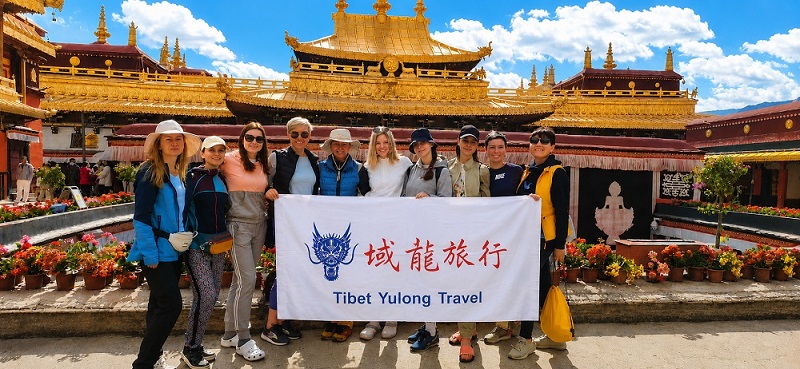
Travel agencies specializing in the region, such as Tibet Yulong Travel, often curate specific winter itineraries designed to maximize these seasonal discounts while ensuring travelers remain comfortable and safe. By leveraging their local expertise, visitors can piece together a comprehensive journey that balances budget constraints with high-quality experiences across the plateau.
Unobstructed Views of Mount Everest During Your Tibet Winter Tour
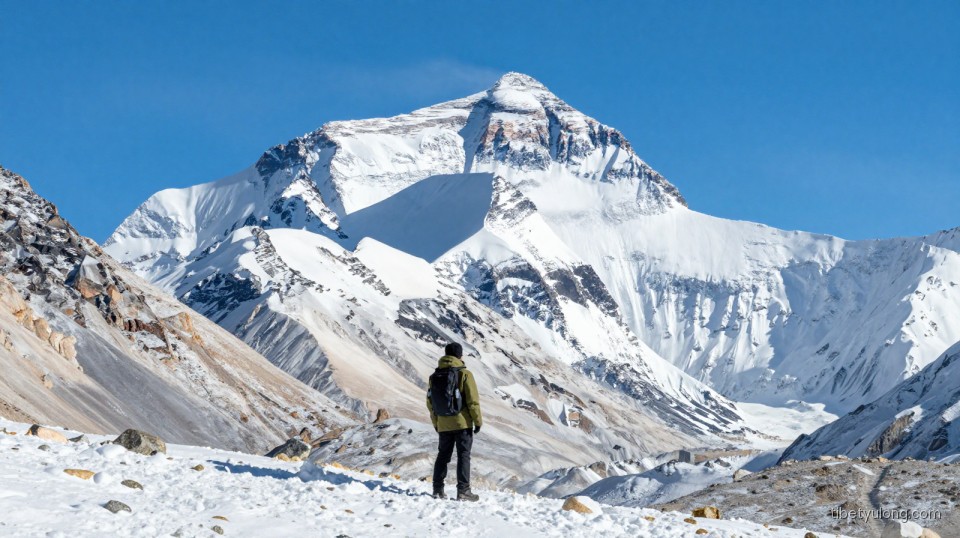
If your primary motivation for visiting the Himalayas is to witness the majestic peak of Mount Everest, a Tibet Winter Tour is arguably the best choice you can make. During the summer monsoon season, moisture-laden clouds roll in from the Indian subcontinent, frequently obscuring the summit of the world for days or even weeks at a time. Many summer travelers leave Everest Base Camp disappointed, having only seen a wall of gray mist.
Winter changes this dynamic completely. The dry, stable atmospheric conditions that characterize the Tibetan winter strip away the haze, resulting in astonishing visibility. From November through February, the chances of seeing the unobstructed pyramid of Mount Everest are exceptionally high. The crisp air makes distant peaks appear closer, and the contrast between the stark white snow and the deep cobalt sky creates a visual spectacle that photographers dream of.
Visiting Everest Base Camp in winter does require preparation. Temperatures can plunge well below freezing, especially at night, and the wind chill can be intense. However, daytime temperatures under direct sunlight are often manageable, and the sheer reward of standing before a cloudless Everest outweighs the cold. Road conditions to Rongbuk Monastery and the base camp area are generally clear of snow due to the low precipitation levels, though hiring an experienced driver familiar with winter road conditions is essential for safety.
Experiencing Authentic Tibetan Festivals on a Winter Journey
A Tibet Winter Tour is not merely a landscape expedition; it is a profound cultural immersion. The winter months align with some of the most important and vibrant festivals in the Tibetan calendar. Because international tourism slows down during this period, the festivals are celebrated primarily by locals, offering visitors an authentic glimpse into living traditions rather than staged performances.
The most significant event is Losar, the Tibetan New Year, which usually falls in February or early March depending on the lunar calendar. Leading up to Losar, the streets of Lhasa and surrounding towns buzz with activity. Locals clean their homes, paint fresh auspicious symbols on their walls, and prepare traditional foods like khapse (fried dough twists) and guthuk (a special noodle soup eaten on New Year’s Eve). Monasteries hold elaborate cham dances, where monks wear intricate masks and colorful costumes to perform rituals intended to drive away evil spirits and welcome positive energy for the coming year.
Another notable winter event is the Butter Lamp Festival, which marks the end of the Monlam Prayer Festival. During this time, the courtyards of monasteries and the streets around the Barkhor circuit are illuminated by thousands of intricately carved yak butter lamps. The flickering light against the ancient stone architecture creates an atmosphere of deep reverence and breathtaking beauty. Participating in or observing these events allows travelers to connect with the spiritual heartbeat of Tibet in a way that is impossible during the busy tourist season.
Essential Preparation Tips for a Tibet Winter Tour
While the rewards of winter travel are immense, proper preparation is crucial for a safe and enjoyable experience. The first consideration is clothing. Layering is the golden rule. Start with thermal base layers made of merino wool or synthetic moisture-wicking materials. Add insulating mid-layers like fleece or down jackets, and finish with a windproof and waterproof outer shell. A high-quality sleeping bag rated for extreme cold is also highly recommended if you plan to stay outside of Lhasa, as heating infrastructure in remote guesthouses can be basic.
Altitude sickness remains a factor regardless of the season. In fact, the lower oxygen density combined with cold temperatures means your body works harder. Spend at least two to three days acclimatizing in Lhasa before venturing to higher elevations like Yamdrok Lake or Everest Base Camp. Stay hydrated, avoid alcohol initially, and move slowly. Consulting with a medical professional before departure and carrying appropriate medication, such as acetazolamide, is standard practice for high-altitude travel.
Skin care is another often-overlooked aspect of winter travel on the plateau. The combination of high altitude, intense UV radiation, and extremely dry air can cause severe chapping and sunburn. Pack high-SPF sunscreen, lip balm with UV protection, and heavy-duty moisturizers. Sunglasses with full UV protection are mandatory to prevent snow blindness, especially when trekking near glaciers or snowy passes.
Finally, securing the necessary permits must be done well in advance. Foreign travelers require a Tibet Travel Permit, which can only be arranged through a registered travel agency. Reputable operators like Tibet Yulong Travel handle the bureaucratic process seamlessly, ensuring all documentation is in order so you can focus entirely on the journey. They also provide reliable vehicles equipped for winter driving and guides who understand both the cultural nuances and the logistical challenges of the season.
Exploring Lhasa’s Sacred Sites in Peaceful Solitude
Lhasa, the spiritual and administrative heart of the region, takes on a deeply contemplative mood during the winter. Without the influx of summer tourists, the city belongs once again to the pilgrims and the monks. Walking the Barkhor Street kora (circumambulation route) around the Jokhang Temple in winter allows you to walk shoulder-to-shoulder with devout Tibetans spinning prayer wheels and chanting mantras. The sensory experience—the smell of burning juniper incense, the sound of murmured prayers, the sight of prostrating pilgrims—is magnified by the quietness of the season.
Inside the Jokhang Temple, you can spend hours examining the ancient murals and golden statues without being hurried along by crowds. Similarly, the great monasteries of Drepung and Sera, located on the outskirts of Lhasa, offer tranquil environments for exploration. Watching the famous monk debates at Sera Monastery is far more intimate in winter, as the courtyard is less packed, allowing you to hear the sharp clapping of hands and the rhythmic chanting clearly.
Daytime temperatures in Lhasa during winter are surprisingly pleasant. Known as the “City of Sunlight,” Lhasa enjoys over 3,000 hours of sunshine annually. Even in December and January, sitting in a courtyard cafe drinking sweet tea while bathed in the warm winter sun is a quintessential experience. The temperature drops sharply once the sun sets, making evenings ideal for retreating to a cozy local restaurant to enjoy steaming bowls of thukpa (noodle soup) or momos (dumplings).
Embracing the Magic of the Plateau in Winter
Choosing to explore this high-altitude destination during the colder months is a decision that redefines what travel means. It strips away the superficial layers of mass tourism and leaves you face-to-face with the raw, unfiltered essence of the landscape and its people. The financial savings allow for longer stays, the meteorological conditions guarantee spectacular mountain vistas, and the cultural calendar provides access to centuries-old traditions celebrated with genuine fervor. With the right preparation, appropriate gear, and the support of experienced local professionals, navigating the frost-kissed trails and sunlit temple courtyards becomes an unforgettable adventure. Ultimately, stepping onto the plateau when the rest of the world looks away reveals the true, enduring spirit of the Himalayas.