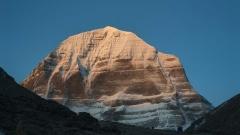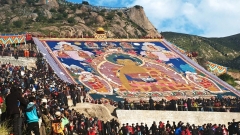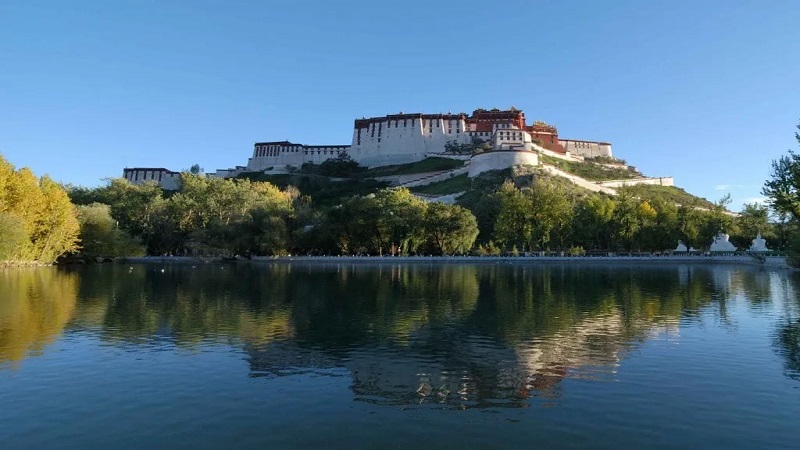

Many people assume winter in Tibet is bitterly cold, frozen, and unsuitable for travel. However, for seasoned travelers, winter is often considered the best secret season to visit the “Roof of the World.” Without the summer crowds, you can enjoy clear blue skies in Lhasa, golden sunrises over Mt. Everest, frozen blue ice at Namtso Lake, and rare, cloud-free views of Namjagbarwa Peak. This comprehensive guide covers the top benefits, must-see sights, a classic 7-day itinerary, and practical winter travel tips!
Key Takeaways
-
Unbeatable Value & Crystal-Clear Views: Winter coincides with official government travel discounts, offering free or half-priced entry to major sights like the Potala Palace. It is also the best season to witness the golden sunrises over Mt. Everest and Namjagbarwa Peak, as well as the stunning “blue ice” at Namtso Lake.
-
Classic Sightseeing Route: Easily connects cultural highlights in Lhasa (Potala Palace, Jokhang Temple), the historical sights of Shigatse (Tashilhunpo Monastery), Mount Everest Base Camp, mild scenery in Nyingchi (Basum Tso, Namjagbarwa), and sacred lakes (Yamdrok Lake, Namtso).
-
Recommended 7-Day Itinerary: A highly cost-effective loop route: Lhasa ➔ Yamdrok Lake ➔ Shigatse ➔ Mount Everest Base Camp ➔ Namtso Lake ➔ Lhasa.
-
Warmth & Altitude Safety Are Essential: High-altitude winter days bring extreme temperature drops at night (down to 0°C to -15°C or lower). Layering is mandatory (thermal underwear, down jacket, windproof shell), alongside strong UV protection and altitude sickness precautions.
Why Visit Tibet in Winter? 4 Unbeatable Advantages
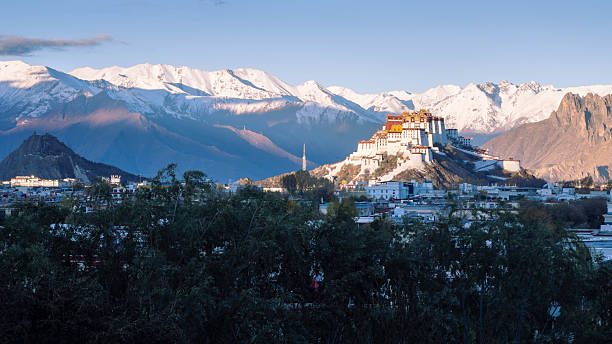
Official Travel Discounts & Free Tickets: The local government launches annual “Winter Tour in Tibet” campaigns, granting free or half-priced admission to many A-tier attractions, including the Potala Palace.
Significant Cost Savings: Compared to the summer peak season, hotel rates, vehicle charters, and flight tickets drop by 30% to 50%, allowing you to enjoy a high-end travel experience at a fraction of the cost.
Plentiful Sunshine & Mild Daytime Weather: Known as the “City of Sunlight,” Lhasa enjoys sunny, dry weather in winter. Afternoon temperatures often reach 10°C to 15°C (50°F–59°F), feeling much warmer and more pleasant than damp winter cold in coastal cities.
Breathtaking Clear Views & Authentic Culture: Dry air brings unmatched atmospheric clarity, making winter the best season to see “Golden Sunrises” over Mt. Everest and Namjagbarwa. You will also witness authentic local pilgrimages as locals gather in Lhasa for winter worship.
Top Must-Visit Attractions in Winter
Potala Palace & Jokhang Temple (Lhasa City)
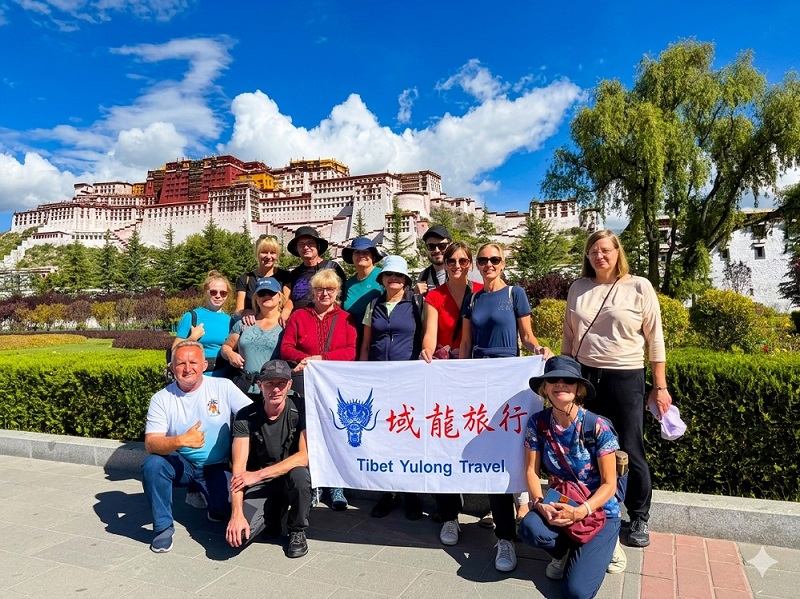
Highlights: In winter, tickets for the Potala Palace are easy to secure without long queues. You can stroll peacefully through its grand halls. Outside, Barkhor Street and Jokhang Temple Square are bathed in warm sunlight, perfect for sipping sweet tea and observing local pilgrims.
Winter Advantage: Enjoy free or discounted entry and a crowd-free, authentic cultural experience.
Mount Everest Base Camp (Shigatse Region)
Highlights: Winter is the golden season for viewing Mount Everest. Thanks to dry weather and clear skies, the chance of catching the “Golden Sunrise/Sunset” over Everest’s summit and photographing brilliant night galaxies exceeds 90%.
Winter Advantage: Exceptional visibility allows you to see the sharp, magnificent contours of snow-capped Himalayan peaks.
Namtso Lake & Winter “Blue Ice” (Nagqu / Lhasa Border)
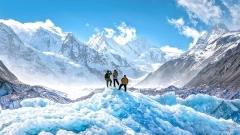
Highlights: From December to February, the surface of sacred Namtso Lake freezes completely. Massive ice layers glisten in brilliant blue tones under the plateau sun, resembling a polar winter wonderland.
Winter Advantage: A rare seasonal spectacle featuring crystal-clear blue ice framed by the snow-covered Nyenchen Tanglha Mountains.
Namjagbarwa Peak & Basum Tso (Nyingchi Region)
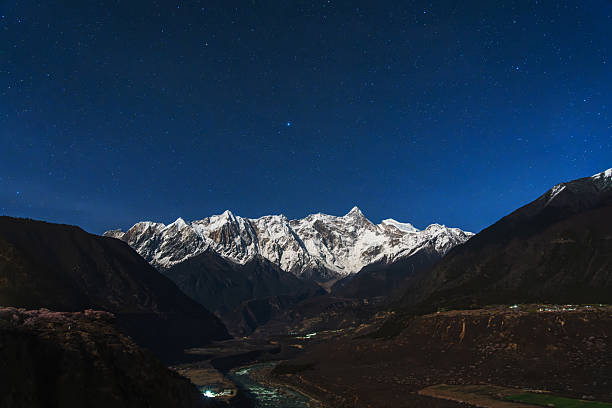
Highlights: Often dubbed the “Shy Girl Peak” because it is shrouded in clouds most of the year, Namjagbarwa Peak reveals its majestic summit during the dry winter months. Nearby Basum Tso Lake shines like an emerald jewel against snowy slopes.
Winter Advantage: Nyingchi sits at a lower altitude (around 3,000m / 9,800ft) with a milder climate, making it an ideal first stop for high-altitude acclimatization.
Yamdrok Lake (Shannan Region)
Highlights: As one of Tibet’s three sacred lakes, Yamdrok Lake exhibits deep shades of turquoise and royal blue under clear winter skies, surrounded by snow-capped mountain ranges.
Classic 7-Day / 6-Night Winter Tibet Itinerary
This popular loop covers Lhasa’s cultural sights, sacred lakes, and the grandeur of Mount Everest without unnecessary backtracking:
Day 1: Arrival in Lhasa ➔ Transfer to hotel and rest for high-altitude acclimatization.
Day 2: Lhasa City Tour ➔ Visit the Potala Palace, Jokhang Temple, and relax in Barkhor Street.
Day 3: Lhasa ➔ Yamdrok Lake ➔ Karola Glacier ➔ Shigatse ➔ Enjoy turquoise lake views and majestic glaciers along the way.
Day 4: Shigatse ➔ Gawula Pass (Himalayan Panorama) ➔ Everest Base Camp ➔ Watch the sunset over Mt. Everest and stargaze at night.
Day 5: Everest Base Camp ➔ Tashilhunpo Monastery ➔ Shigatse ➔ Catch the sunrise over Everest and explore Shigatse’s premier monastery.
Day 6: Shigatse ➔ Highway 318 ➔ Damxung / Namtso Lake (Blue Ice) ➔ Lhasa ➔ Marvel at winter mountain landscapes and frozen lakes.
Day 7: Lhasa Departure ➔ Pick up local souvenirs and transfer to the airport or train station for departure.
Essential Winter Travel Tips & Precautions
Climate & Layered Clothing Guide
Large Temperature Swings: While Lhasa daytime temperatures reach 10°C–15°C (50°F–59°F) in the sun, night temperatures at high altitudes (such as Everest Base Camp or Namtso) drop quickly to 0°C to -15°C (32°F to 5°F) or below.
Clothing Strategy (3-Layering Rule):
Base Layer: Moisture-wicking thermal underwear.
Middle Layer: Fleece jacket, wool sweater, or light down vest.
Outer Layer: Windproof and waterproof heavy down jacket or 3-in-1 winter jacket.
Accessories (Critical): Cold mountain winds can easily trigger headaches. Always bring a beanie hat (covering your ears and forehead), thick scarf, thermal gloves, and windproof face mask.
Altitude Sickness & Health Precautions
Slightly Lower Oxygen Content: Vegetation turns dormant in winter, reducing oxygen levels by roughly 5%–10% compared to summer.
Prevention Tips: Take it easy during your first two days—avoid running, heavy exertion, or taking extremely hot showers on the first night, as hot water expands blood vessels and worsens altitude fatigue or chills.
Medicines & Hydration: Bring an insulated flask for warm water, and pack altitude relief meds (such as Ibuprofen for headaches), cold medication, and basic first-aid supplies.
Intense UV Rays & Dry Air Protection
High SPF Sunscreen: Winter high-altitude sunlight and snow reflections produce intense UV radiation. Apply SPF 50+ sunscreen and wear 100% UV-blocking sunglasses to prevent snow blindness.
Skincare & Nasal Moisture: The air is extremely dry. Bring heavy moisturizer, lip balm, hand cream, and saline nasal spray to prevent dry skin or minor nosebleeds.
Mountain Passes & Border Permits
Road Conditions: High mountain passes (such as Nagenla Pass near Namtso) may temporarily close after heavy snowfall. Always confirm road conditions with your driver or local travel agency before setting out.
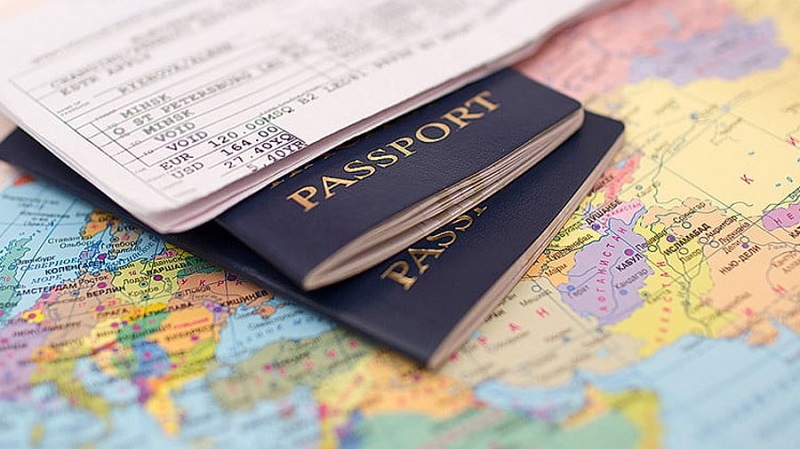
Border Travel Permit: A Border Travel Permit is mandatory for visiting Everest Base Camp or border areas. Ensure this is arranged in advance before traveling.