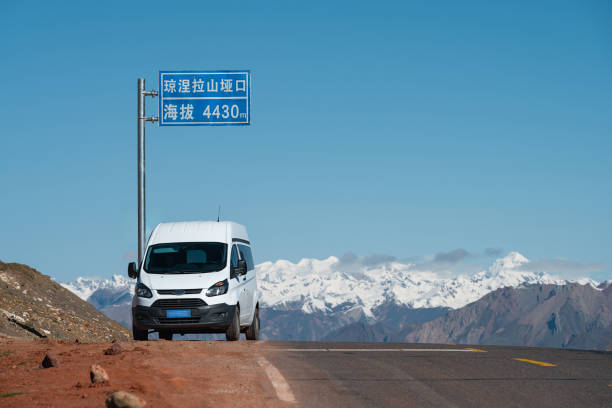
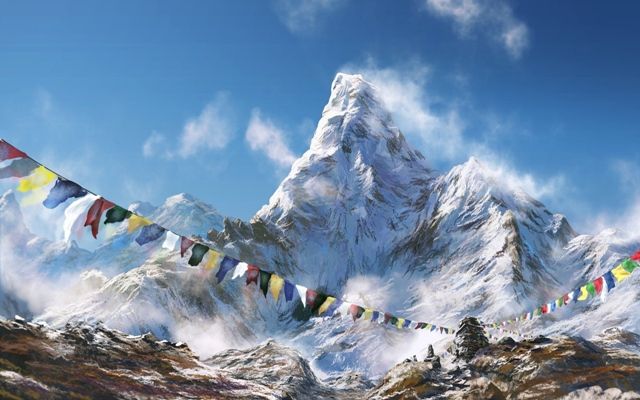
Tibet remains a bucket-list destination for global travelers, and the overland journey from the holy city of Lhasa to Mount Everest (Qomolangma) is arguably the most iconic and awe-inspiring route on the Qinghai-Tibet Plateau. Stretching over 600 kilometers along National Highway 318, this classic route traverses snow-capped mountains, glacial valleys, turquoise holy lakes, ancient monasteries, and dramatic high-altitude canyons.
This comprehensive guide breaks down the classic route, must-see highlights, ideal pacing, and essential travel tips to help you plan an unforgettable expedition to the top of the world.
Key Takeaways
-
Classic Route: Lhasa ➔ Yamdrok Lake ➔ Gyantse ➔ Shigatse ➔ Tingri ➔ Rongbuk Monastery / Everest Base Camp (Approx. 600–650 km one-way).
-
Must-See Highlights: Yamdrok Lake (one of Tibet’s Big Three Holy Lakes), Karola Glacier (roadside ancient ice wall), Tashilhunpo Monastery (seat of the Panchen Lama), Gawula Pass (viewing platform for five 8,000m+ peaks), and Rongbuk Monastery.
-
Recommended Pace: A 4-to-5-day itinerary is ideal to allow proper acclimatization as the altitude increases from 3,650m in Lhasa to 5,200m at Everest Base Camp.
-
Essential Permits: Travel to the Everest region requires a Border Travel Permit (foreign passport holders and Taiwan citizens must arrange this along with the Tibet Travel Permit via a licensed travel agency).
Classic Route Overview: Lhasa to EBC
The most recommended and scenic route to Everest Base Camp is the Southern Route via Yamdrok Lake and Gyantse. Compared to the direct highway, this route offers far richer landscape diversity and cultural depth.
Leg 1: Lhasa ➔ Yamdrok Lake ➔ Gyantse ➔ Shigatse (Approx. 350 km)
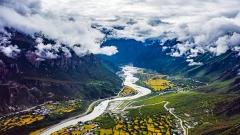
Depart from Lhasa and cross the Gampa La Pass to behold the vivid turquoise waters of Yamdrok Lake. Pass by the towering Karola Glacier, stop at the historic hero town of Gyantse, and arrive in Shigatse, the cultural capital of Tsang (Southern Tibet).
Leg 2: Shigatse ➔ Lhatse ➔ Tingri (Baiba) (Approx. 240 km)
Drive along the scenic National Highway 318, passing the iconic “G318 5,000 km Milestone.” Ascend over Gyatso La Pass (5,248m) before reaching Tingri County, the gateway to Everest.
Leg 3: Tingri ➔ Gawula Pass ➔ Rongbuk Monastery ➔ Everest Base Camp (Approx. 100 km)
Turn onto the Everest Scenic Road, conquer the famous “108-Switchbacks,” cross Gawula Pass, and finally arrive at Rongbuk Monastery and Everest Base Camp to stand face-to-face with Mount Everest.
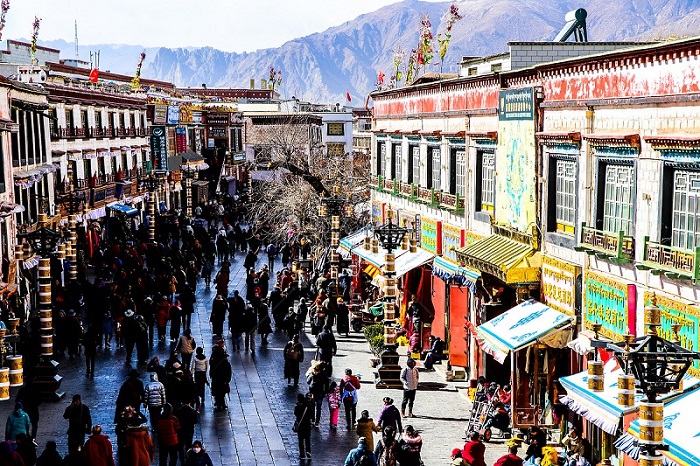
Unmissable Highlights Along the Way
Yamdrok Lake (Yamdrok Yumtso)
Revered as one of Tibet’s “Big Three Sacred Lakes,” Yamdrok Lake sits at an elevation of 4,441 meters. As you look down from Gampa La Pass (4,790m), the lake winds through the mountain valleys like a brilliant sapphire sash, changing shades from peacock blue to deep turquoise under the alpine sunlight.
Karola Glacier
Situated right beside the highway, Karola Glacier is one of Tibet’s most accessible continental glaciers. The massive ice tongue spills down from the mountain peak toward the road, creating a striking contrast between pure white ice and dark mountain rock. (It is also famous as a filming location for the movie Red River Valley.)
Gyantse Dzong Fort & Pelkor Chode Monastery
As you pass through Gyantse, the dramatic Gyantse Dzong Fort towers over the town—a historic site of Tibetan resistance during the 1904 British invasion. Nearby, Pelkor Chode Monastery is renowned for its monumental “Kumbum Stupa,” which uniquely blends architectural styles from the Sakya, Kagyu, and Gelug sects of Tibetan Buddhism.
Tashilhunpo Monastery
Located in Shigatse, Tashilhunpo Monastery is the traditional seat of the Panchen Lama and one of the four great Gelugpa monasteries of Tibet. Home to a magnificent 26.2-meter bronze statue of the Future Buddha (Maitreya), its golden roofs and crimson walls showcase extraordinary religious art and architectural grandeur.
Gawula Pass (Gawu La)
At 5,210 meters, Gawula Pass is widely considered one of the world’s most spectacular mountain viewpoints. On a clear day, it offers a panoramic vista of five Himalayan peaks exceeding 8,000 meters: Makalu, Lhotse, Mount Everest, Cho Oyu, and Shishapangma.
Rongbuk Monastery & Everest Base Camp
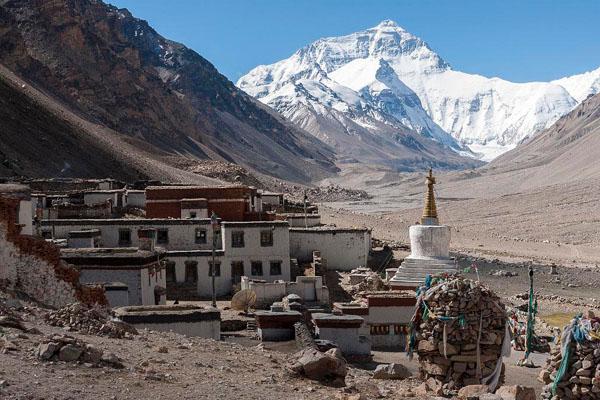
Sitting at 5,150 meters, Rongbuk Monastery is the highest religious structure on Earth and provides a magnificent foreground for viewing Mount Everest’s pyramid peak. A short distance ahead lies Everest Base Camp, where travelers can witness the golden sunset over the peak and gaze up at a brilliant, unpolluted night sky filled with stars.
Recommended Itinerary & Acclimatization Strategy
Because the altitude increases dramatically from 3,650 meters in Lhasa to over 5,200 meters at Everest Base Camp, it is strongly advised not to rush directly to Everest on Day 1. Gradual acclimatization is essential to prevent Acute Mountain Sickness (AMS).
Recommended 4-Day / 3-Night Itinerary:
Day 1: Lhasa ➔ Yamdrok Lake ➔ Karola Glacier ➔ Gyantse ➔ Shigatse (Overnight: Shigatse, ~3,800m)
Day 2: Shigatse ➔ Tashilhunpo Monastery ➔ G318 5,000km Marker ➔ Tingri / Basum Village (Overnight: Tingri or Basum Village, ~4,300m)
Day 3: Tingri ➔ Gawula Pass ➔ Rongbuk Monastery ➔ Everest Base Camp (Sunset & Stargazing) ➔ Return to Shigatse or stay near EBC/Tingri
Day 4: Shigatse ➔ Drive along G318 (Yarlung Tsangpo River Valley) ➔ Return to Lhasa
Essential Travel Tips Before Departure
Border Permits & Documentation:
The Everest region is a restricted border zone. All foreign travelers and Taiwan passport holders must travel on an organized tour through an authorized travel agency to secure the required Tibet Travel Permit (TTP) and Border Travel Permit.
Packing for Cold & Dry Weather:
Even during summer, nighttime temperatures at EBC frequently drop below freezing. Pack heavy down jackets, windproof outer shells, thermal layers, warm hats, and gloves. High-altitude air is also extremely dry and UV-intense; sunblock, lip balm, and moisturizer are mandatory.
Preventing High Altitude Sickness:
Rest well and stay hydrated. You may consider taking pre-acclimatization supplements or medications (such as Acetazolamide/Diamox) as advised by your physician. Portable oxygen canisters are available for purchase along the route and at base camp. Avoid strenuous activity upon arrival at higher altitudes.
From the spiritual heart of Lhasa to the foot of Mount Everest, this journey is more than an overland trip—it is a life-changing pilgrimage through human culture and nature’s grandeur. Contact our experienced Tibet travel specialists today to start customizing your dream Everest Base Camp expedition!