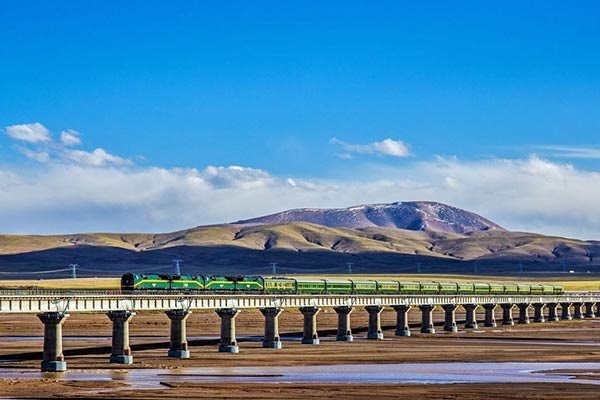
The Tibetan Plateau stands as one of the most extraordinary geographical features on Earth. Often referred to as the “Roof of the World,” this vast elevated region spans across southwestern China and parts of Central Asia, covering an area of roughly 2.5 million square kilometers. With an average elevation exceeding 4,500 meters above sea level, it is the highest and largest plateau in existence. The landscape is defined by towering mountain ranges, expansive grasslands, deep river gorges, and countless glacial lakes. Beyond its dramatic scenery, the region holds immense ecological importance, acting as a crucial water source for billions of people downstream. For travelers seeking raw natural beauty and profound cultural immersion, visiting the Tibetan Plateau offers an experience unlike any other destination on the planet.
Key Highlights:
- Average elevation exceeds 4,500 meters above sea level.
- Source of major Asian rivers including the Yangtze and Mekong.
- Home to unique high-altitude wildlife like snow leopards and wild yaks.
- Rich spiritual heritage deeply rooted in Tibetan Buddhism.
- Requires careful acclimatization due to thin air and high altitude.
The Geography and Formation of the Tibetan Plateau
Understanding the sheer scale of the Tibetan Plateau requires looking back millions of years into geological history. The landmass was formed primarily by the collision of the Indian tectonic plate with the Eurasian plate. This ongoing geological process pushed the earth’s crust upward, creating not only the Himalayas but also the vast elevated terrain that stretches northward. The resulting landscape is bordered by some of the highest mountain ranges in the world, including the Kunlun Mountains to the north and the Karakoram range to the west.
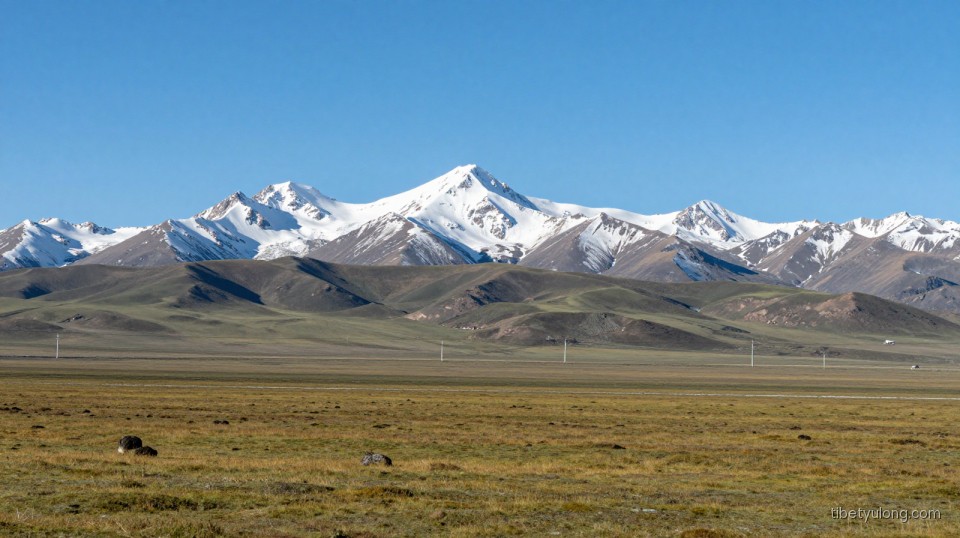
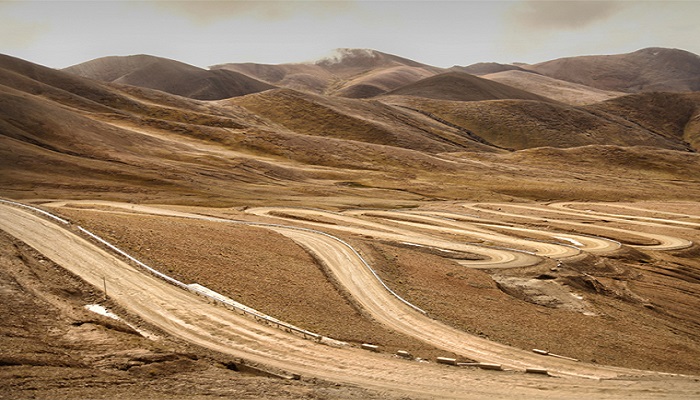
The topography here is incredibly diverse. While many imagine a flat, barren expanse, the reality includes rolling alpine meadows, rugged rocky outcrops, deep valleys carved by ancient glaciers, and extensive permafrost regions. The soil is generally thin and fragile, making the ecosystem highly sensitive to environmental changes. The geological forces that created the Tibetan Plateau continue to shape it, occasionally manifesting in seismic activity that reminds visitors of the dynamic power beneath their feet.
Because of its massive size and elevation, the region creates its own weather patterns. It acts as a significant thermal engine, heating up during summer and cooling rapidly in winter, which directly influences the monsoon systems across South and East Asia. This unique geographical positioning makes it a focal point for climatologists and geographers studying global weather dynamics.
Why the Tibetan Plateau Is Known as the Water Tower of Asia
One of the most critical roles played by the Tibetan Plateau is its function as a massive freshwater reservoir. The extensive network of glaciers and snowfields stored across this high-altitude region feeds several of the longest and most important rivers in Asia. The Yangtze, Yellow River, Mekong, Salween, Brahmaputra, and Indus rivers all originate from these elevated slopes. Collectively, these waterways support the agriculture, drinking water, and economic activities of nearly half the global population.
The glaciers here are often referred to as the “Third Pole” because they hold the largest volume of ice outside the Arctic and Antarctic regions. These frozen reserves slowly melt during warmer months, providing a steady flow of water downstream even during dry seasons. The health of these glaciers is therefore directly tied to the livelihoods of communities thousands of kilometers away in countries like China, India, Bangladesh, Myanmar, Thailand, and Vietnam.
Protecting the water sources of the Tibetan Plateau has become a priority for environmental organizations. Changes in precipitation patterns and rising temperatures threaten the long-term stability of these glaciers. For travelers, witnessing the headwaters of these mighty rivers provides a profound sense of connection to the broader ecological web of the continent. Standing beside a small, icy stream knowing it will eventually become a roaring river hundreds of miles away is a humbling experience.
Wildlife and Biodiversity on the Tibetan Plateau
Despite the harsh climate, thin atmosphere, and extreme temperature fluctuations, the Tibetan Plateau supports a surprisingly rich array of flora and fauna. Animals living here have evolved remarkable physiological adaptations to survive at altitudes where oxygen levels are significantly lower than at sea level. The most iconic resident is the wild yak, a massive bovine perfectly adapted to grazing on tough alpine grasses and enduring freezing winters. Other notable herbivores include the Tibetan antelope, known for its incredible speed and long seasonal migrations, and the blue sheep, which navigates steep, rocky cliffs with ease.
Predators also thrive in this environment. The elusive snow leopard stalks its prey along rugged ridgelines, remaining one of the most difficult animals to spot in the wild. Tibetan wolves and brown bears also roam the remote valleys. Birdlife is equally impressive, with species such as the black-necked crane breeding in the high-altitude wetlands. These cranes hold deep cultural significance for local populations and are fiercely protected.
Plant life on the Tibetan Plateau is mostly characterized by hardy grasses, mosses, and low-growing shrubs capable of surviving intense ultraviolet radiation and strong winds. During the brief summer months, alpine meadows burst into color with blooming wildflowers, transforming the landscape into a vibrant carpet. Conservation efforts are ongoing to protect these fragile habitats from overgrazing and habitat fragmentation, ensuring that future generations can witness this unique biodiversity.
Cultural Heritage and Spiritual Significance
The human history of the Tibetan Plateau is deeply intertwined with spirituality and resilience. For centuries, nomadic herders have moved across the grasslands, living in harmony with the extreme environment. Their traditional lifestyle revolves around livestock, particularly yaks and sheep, which provide meat, milk, wool, and fuel. The black tents woven from yak hair remain a symbol of this enduring nomadic culture.
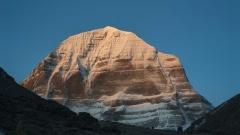
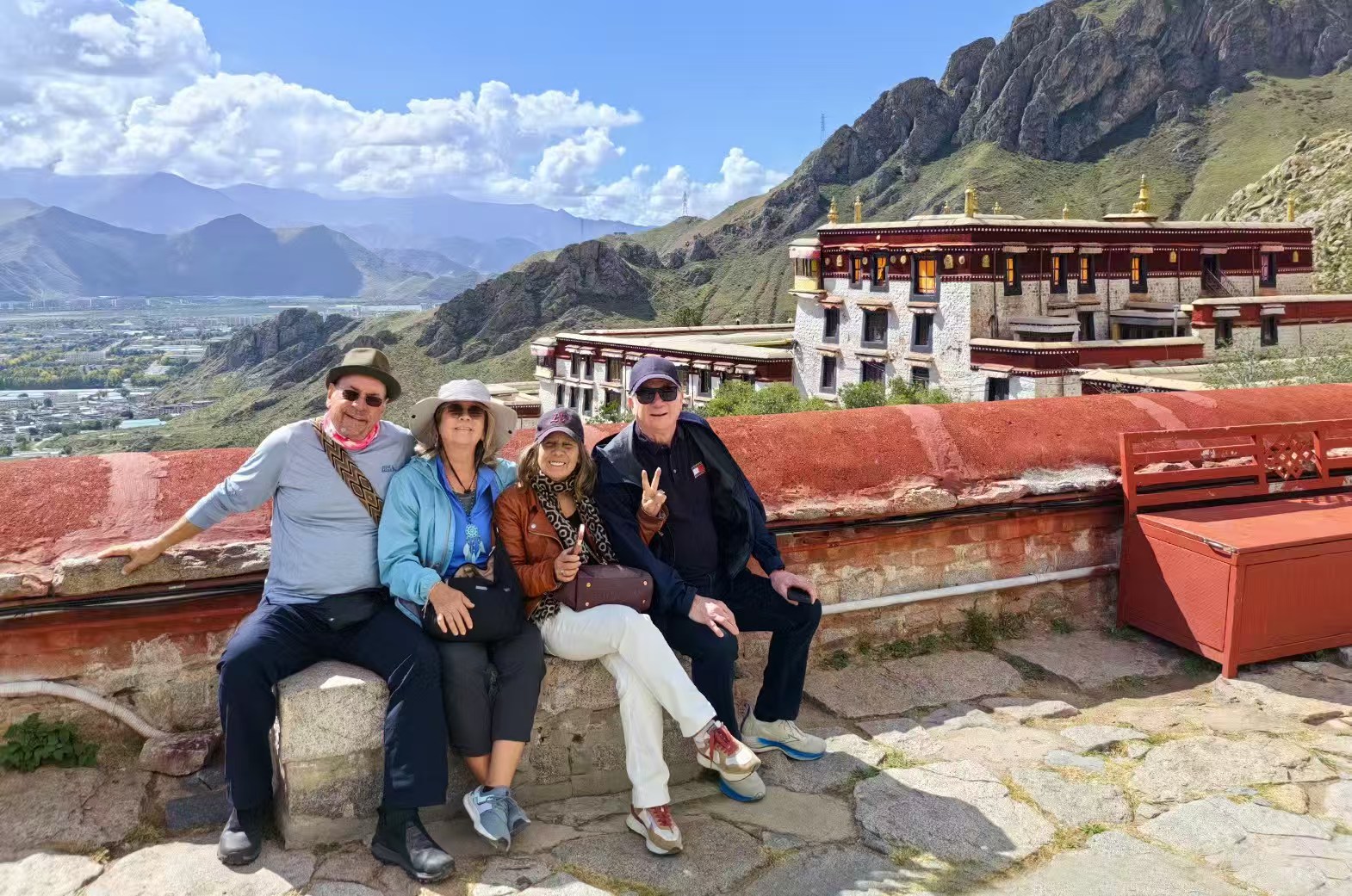
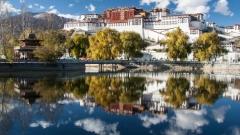
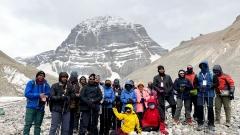
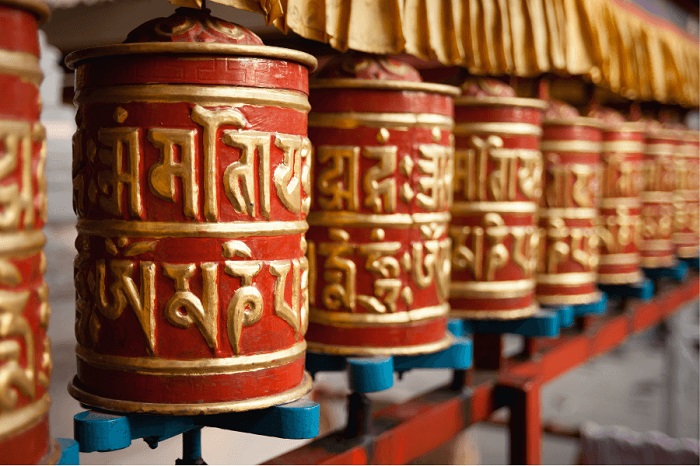
Buddhism profoundly shapes daily life across the region. Monasteries cling to cliff faces and dot the valleys, serving as centers of learning, worship, and community gathering. Prayer flags flutter in the wind at every mountain pass, carrying mantras into the sky. Pilgrims undertake arduous journeys, sometimes prostrating themselves every few steps over hundreds of kilometers, to reach sacred sites. Mount Kailash, located in the western part of the region, is considered holy by multiple religions, drawing devotees who perform the challenging kora, or circumambulation, around its base.
The architecture, art, and festivals reflect a rich tapestry of traditions passed down through generations. Thangka paintings, intricate mandalas, and rhythmic chanting offer visitors a glimpse into a worldview centered on impermanence and compassion. Engaging respectfully with local communities provides a deeper understanding of how humans have thrived in one of the most demanding environments on Earth.
Practical Travel Tips for Visiting the Tibetan Plateau
Planning a trip to the Tibetan Plateau requires careful preparation due to the extreme altitude and remote nature of the terrain. Altitude sickness is the primary concern for most visitors. Symptoms can include headaches, nausea, dizziness, and shortness of breath. To minimize risks, gradual acclimatization is essential. Travelers should spend a few days at intermediate elevations before pushing higher, stay well-hydrated, avoid strenuous exercise upon arrival, and consider consulting a doctor about preventive medications.
Weather conditions can change rapidly. Even in summer, nighttime temperatures frequently drop below freezing. Packing layered clothing, including thermal base layers, windproof jackets, and sturdy hiking boots, is mandatory. Sun protection is equally important; the thinner atmosphere allows much stronger UV rays to reach the ground, so high-SPF sunscreen, sunglasses, and wide-brimmed hats are necessary daily items.
Infrastructure varies greatly depending on the specific route. Major towns have improved facilities, but remote areas may lack reliable electricity, running water, or medical services. Carrying a basic first-aid kit and extra supplies is highly recommended. Additionally, certain areas require special travel permits, and independent exploration might be restricted. Arranging logistics through experienced operators ensures compliance with local regulations and smoother transit between destinations.
For those looking to navigate the complexities of traveling in this high-altitude region, Tibet Yulong Travel offers specialized itineraries designed to handle the logistical challenges while maximizing the cultural and scenic experience. Their expertise helps travelers secure necessary permits, arrange reliable transportation, and connect with knowledgeable local guides who understand the nuances of the terrain. Utilizing professional services like Tibet Yulong Travel can transform a daunting expedition into a seamless and enriching journey, allowing visitors to focus entirely on absorbing the breathtaking landscapes and profound cultural encounters that define this unparalleled destination.