Traveling from the lush plains of Sichuan to the high-altitude landscapes of Tibet is an unforgettable journey. Booking Chengdu to Shigatse flights has become increasingly popular among travelers who want to bypass long overland routes and reach the second-largest city in Tibet directly. Shigatse, home to the majestic Tashilhunpo Monastery and serving as the gateway to Mount Everest, offers a profound cultural and natural experience. Taking Chengdu to Shigatse flights allows you to save valuable time while enjoying breathtaking aerial views of the Himalayas and the Tibetan Plateau. Whether you are a seasoned mountaineer or a cultural enthusiast, understanding the logistics of this route is essential. This guide covers everything you need to know about flight schedules, airport facilities, altitude preparation, and practical travel tips to ensure your journey is smooth and memorable.
Key Takeaways:
- Direct Chengdu to Shigatse flights save significant overland travel time.
- Shigatse Peace Airport sits at 3,782 meters above sea level.
- A valid Tibet Travel Permit is mandatory before boarding.
- Acclimatization strategies are crucial upon arrival.
- Airlines like Tibet Airlines frequently operate this specific route.
Overview of Chengdu to Shigatse Flights
The route connecting these two major cities bridges the gap between southwestern China’s bustling metropolis and Tibet’s serene highlands. Chengdu to Shigatse flights typically depart from either Chengdu Tianfu International Airport (TFU) or Chengdu Shuangliu International Airport (CTU), depending on the airline’s current operational schedule. The flight duration usually ranges from two and a half to three hours, making it one of the most efficient ways to enter the Tibet Autonomous Region.
Several domestic carriers operate Chengdu to Shigatse flights, with Tibet Airlines being the most prominent operator on this route. Air China and Sichuan Airlines also occasionally offer services or codeshare agreements that connect these two destinations. Because flight frequencies can change based on the season—peaking during the warmer months from May to October—it is highly recommended to check schedules well in advance. During the peak tourist season, daily flights might be available, whereas winter schedules often see reduced frequency due to weather conditions and lower passenger demand.
When booking Chengdu to Shigatse flights, passengers should note that morning departures are standard. High-altitude airports generally experience more stable weather conditions in the early hours, which minimizes the risk of delays or cancellations. Therefore, most itineraries will require you to be at the departure airport quite early in the day.
Why Choose Chengdu to Shigatse Flights Over Land Travel
Overland travel from Sichuan to Tibet is legendary, but it requires days of driving through rugged terrain, unpredictable weather, and multiple high mountain passes. Opting for Chengdu to Shigatse flights eliminates the physical exhaustion associated with the Sichuan-Tibet Highway. Instead of spending four to five days in a vehicle, you arrive in just under three hours.
Furthermore, flying directly into Shigatse rather than Lhasa changes the dynamic of a Tibetan itinerary. Many travelers fly into Lhasa first and then travel overland to Shigatse. However, taking Chengdu to Shigatse flights allows you to start your exploration in the Tsang region immediately. This is particularly advantageous if your primary goal is to visit Mount Everest Base Camp, as Shigatse is geographically much closer to the world’s highest peak than Lhasa is. By reversing the traditional route, you can also avoid some of the heavier crowds found in the capital city.
Essential Travel Documents for Your Flight
You cannot simply purchase a ticket and board Chengdu to Shigatse flights like a regular domestic route. Foreign passport holders and non-Chinese citizens must obtain a Tibet Travel Permit before arriving at the airport. Without this document, airlines will deny you boarding at the check-in counter in Chengdu. The permit is issued by the Tibet Tourism Bureau and must be arranged through a registered travel agency.
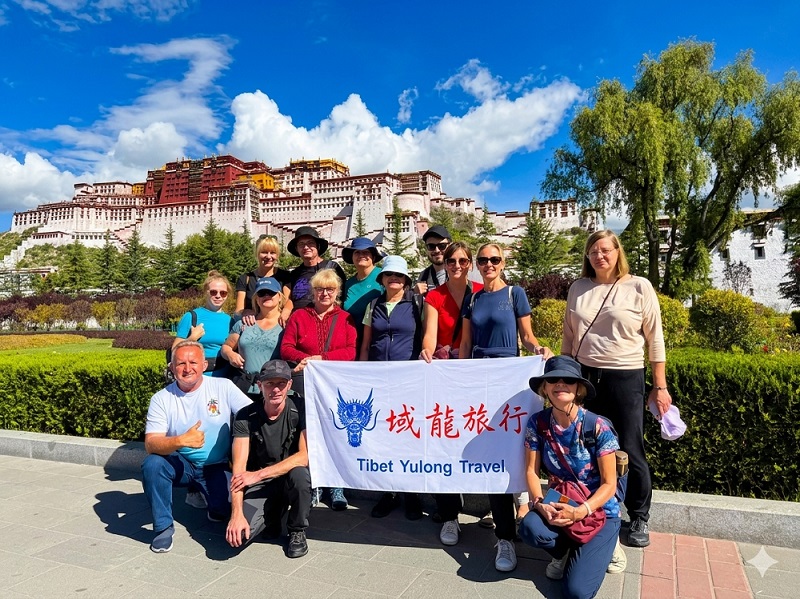
Chinese citizens traveling from the mainland also need to carry their national ID cards, while residents of Hong Kong, Macau, and Taiwan have their own specific entry requirements and permit procedures. It is vital to work with a reliable local operator to handle this paperwork. Agencies such as Tibet Yulong Travel specialize in facilitating these permits and organizing comprehensive itineraries. Working with experienced professionals like Tibet Yulong Travel ensures that your documentation is processed correctly and delivered to your hotel in Chengdu before your departure date, removing the stress of bureaucratic hurdles.
Additionally, if your plans include venturing beyond Shigatse to areas like Mount Everest Base Camp or the Nepalese border at Gyirong, you will need an Alien’s Travel Permit (PSB Permit). Your travel agency will arrange this after you arrive in Tibet, but planning ahead is necessary.
Navigating the Airports on the Chengdu to Shigatse Route
Understanding the airport infrastructure helps streamline your travel day. In Chengdu, verify whether your flight departs from Tianfu or Shuangliu. Tianfu International Airport is located further from the city center, requiring ample transit time via metro or taxi. Shuangliu is closer to downtown but handles fewer Tibet-bound flights recently due to operational shifts.
Upon completing your Chengdu to Shigatse flights, you will land at Shigatse Peace Airport (RKZ). Located approximately 40 kilometers south of Shigatse city center in Samzhubze District, this airport sits at a staggering elevation of 3,782 meters. The facility is relatively small compared to major international hubs, featuring basic amenities such as a waiting area, restrooms, and limited retail options. Do not expect extensive dining or shopping facilities upon landing.
Transportation from Shigatse Peace Airport to the city center usually involves pre-arranged taxis or vehicles provided by your tour operator. Public buses are less frequent and may not align with flight arrival times. Arranging your ground transfer beforehand is highly advised to avoid unnecessary waiting at high altitude.
Altitude Sickness Preparation When Flying to Shigatse
Taking Chengdu to Shigatse flights means transitioning rapidly from an elevation of about 500 meters to nearly 3,800 meters. This sudden ascent significantly increases the risk of Acute Mountain Sickness (AMS). Symptoms can include headaches, nausea, dizziness, shortness of breath, and fatigue.
To mitigate these risks, spend at least two to three days acclimatizing in Chengdu or another moderate-altitude location before your flight. Consult your doctor regarding preventive medications, such as acetazolamide, which can help your body adjust to lower oxygen levels. Hydration is key; drink plenty of water in the days leading up to your flight and avoid alcohol, caffeine, and heavy meals.
Once you complete your Chengdu to Shigatse flights and step off the plane, move slowly. Do not rush through the airport or carry heavy luggage yourself. Upon reaching your hotel in Shigatse, rest for the remainder of the day. Avoid showering immediately, as temperature fluctuations can exacerbate AMS symptoms. Most travelers adapt within 48 hours, provided they take it easy initially.
Best Time to Book Chengdu to Shigatse Flights
The timing of your trip greatly impacts both the availability of Chengdu to Shigatse flights and your overall experience. The most popular window is from April to October. During these months, temperatures are milder, skies are clearer, and mountain visibility is at its peak. May, June, September, and October are particularly ideal, offering a balance of good weather and manageable tourist crowds.
July and August represent the monsoon season in Tibet. While the landscape turns incredibly green, cloud cover can obscure mountain views, and afternoon rain showers occasionally cause flight delays. Winter months (November to March) bring freezing temperatures and potential snow disruptions, leading to fewer scheduled Chengdu to Shigatse flights. However, winter travel offers stark, beautiful landscapes and virtually empty monasteries for those willing to brave the cold.
Regardless of the season, booking your tickets several weeks to months in advance is crucial. Seats on these specific high-altitude routes are limited due to aircraft size restrictions, and they sell out quickly during holidays and peak summer months.
Packing Tips for Your Journey
Packing for Chengdu to Shigatse flights requires careful consideration of the climate shift. Even in summer, Shigatse experiences drastic temperature drops between day and night. Layered clothing is essential. Bring thermal base layers, fleece jackets, and a windproof outer shell. Sun protection is critical at high altitudes where UV radiation is intense. Pack high-SPF sunscreen, polarized sunglasses, and a wide-brimmed hat.
Since cabin pressure and humidity differ on high-altitude flights, carry lip balm, moisturizer, and throat lozenges to combat dryness. Keep all essential documents, medications, and valuables in your carry-on bag. Checked luggage handling at smaller regional airports can sometimes be delayed, so having immediate necessities accessible is a smart strategy.
Exploring Shigatse After Your Arrival
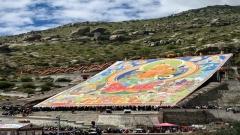
After your Chengdu to Shigatse flights touch down and you have rested, the city reveals its treasures. Tashilhunpo Monastery is the absolute highlight, serving as the traditional seat of the Panchen Lama. Its golden roofs and massive thangka wall are spectacular sights. Wandering through the old streets of Shigatse provides a glimpse into authentic Tibetan daily life, far removed from commercialized tourist centers.
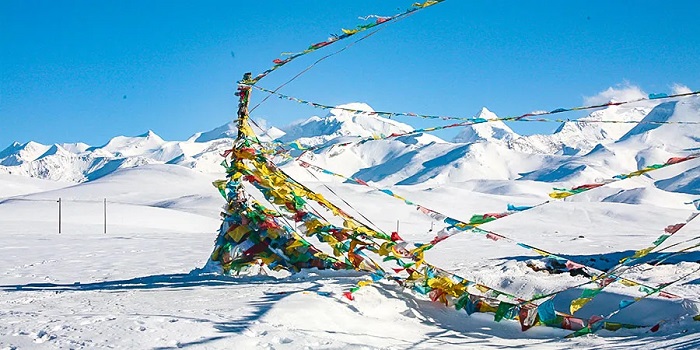
From Shigatse, the road to Mount Everest Base Camp stretches westward, passing through dramatic landscapes including the Gawu La Pass, where you can view five peaks over 8,000 meters on a clear day. Utilizing local expertise is invaluable here. Companies like Tibet Yulong Travel provide knowledgeable guides, reliable vehicles, and carefully paced itineraries that prioritize your health and maximize your sightseeing opportunities. Partnering with a dedicated team like Tibet Yulong Travel transforms a simple flight into a deeply enriching Himalayan expedition, ensuring every logistical detail is handled so you can focus entirely on the awe-inspiring surroundings.