Nestled high in the Himalayas at an elevation of over 3,600 meters, Lhasa stands as a beacon of spiritual devotion and historical grandeur. Known universally as the Capital of Tibet, this extraordinary city has drawn pilgrims, explorers, and curious travelers for centuries. The name “Lhasa” itself translates to “Place of the Gods,” a fitting title for a destination where earthly landscapes meet profound religious traditions. Unlike any other urban center on the planet, the Capital of Tibet offers a unique blend of ancient Tibetan architecture, bustling traditional markets, and serene monastic life. Whether you are walking the sacred kora around the Jokhang Temple or gazing up at the imposing walls of the Potala Palace, the atmosphere here is deeply moving. For anyone seeking to understand the heart of the Tibetan plateau, a journey to this remarkable city is an absolute necessity.
Key Takeaways:
- Lhasa sits at 3,650 meters, requiring proper acclimatization.
- The Potala Palace is the iconic symbol of the Capital of Tibet.
- Jokhang Temple remains the spiritual center for Tibetan Buddhists.
- Barkhor Street offers authentic cultural immersion and local crafts.
- Acclimatizing properly is essential before exploring higher altitudes.
The Historical Significance of the Capital of Tibet
To truly appreciate Lhasa, one must first understand its deep historical roots. As the Capital of Tibet, the city has been the political, economic, and religious center of the region for well over a millennium. Its rise to prominence began during the era of the Tibetan Empire, when King Songtsen Gampo unified various tribes and established his capital here in the seventh century. It was during his reign that many of the foundational structures of Tibetan Buddhism were laid, including the earliest iterations of temples that still stand today.
Over the centuries, the Capital of Tibet evolved from a fortified settlement into a sprawling hub of monastic learning and pilgrimage. Various dynasties and religious leaders left their mark on the city’s architecture and culture. The most transformative period arguably occurred when the Fifth Dalai Lama consolidated political and religious authority, leading to the expansion of the Potala Palace and the establishment of Lhasa as the undisputed seat of the Gelug school of Tibetan Buddhism. This rich tapestry of history means that every street corner and monastery wall tells a story of empires rising, spiritual awakenings, and enduring cultural resilience. Walking through the old town feels like stepping back through centuries of unbroken tradition.
Iconic Landmarks That Define the Capital of Tibet
No visit to the Capital of Tibet is complete without experiencing its world-renowned landmarks, each offering a distinct glimpse into the region’s architectural brilliance and spiritual depth. These sites are not merely tourist attractions; they are living monuments that continue to serve their original purposes.
The Majestic Potala Palace
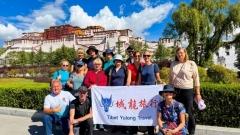
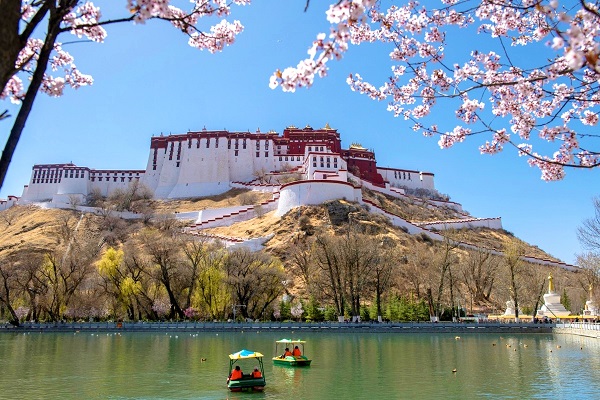
Perched atop Marpo Ri (Red Mountain), the Potala Palace is the most recognizable symbol of the Capital of Tibet. Originally built in the seventh century and significantly expanded in the seventeenth century, this massive fortress-like structure served as the winter residence of the Dalai Lamas and the seat of the Tibetan government. The palace is divided into two main sections: the White Palace, which housed administrative offices and living quarters, and the Red Palace, dedicated entirely to religious functions and containing the golden stupas of past Dalai Lamas. Climbing the hundreds of steps to reach the entrance is a rite of passage for visitors, rewarding them with panoramic views of the entire city below. Inside, thousands of rooms hold intricate murals, sacred statues, and ancient scriptures that represent the pinnacle of Tibetan art.
The Sacred Jokhang Temple
If the Potala Palace represents the political history of the Capital of Tibet, the Jokhang Temple is its beating spiritual heart. Founded by King Songtsen Gampo, this temple houses the Jowo Shakyamuni, a statue of the Buddha believed to have been blessed by the historical Buddha himself. For Tibetan Buddhists, making a pilgrimage to prostrate before this statue is often considered the ultimate spiritual achievement. The air inside the temple is thick with the scent of yak butter lamps and juniper incense, while the chanting of monks echoes through the dimly lit corridors. The courtyard outside is constantly filled with devoted pilgrims performing full-body prostrations, a powerful testament to the enduring faith that defines the Capital of Tibet.
Drepung and Sera Monasteries
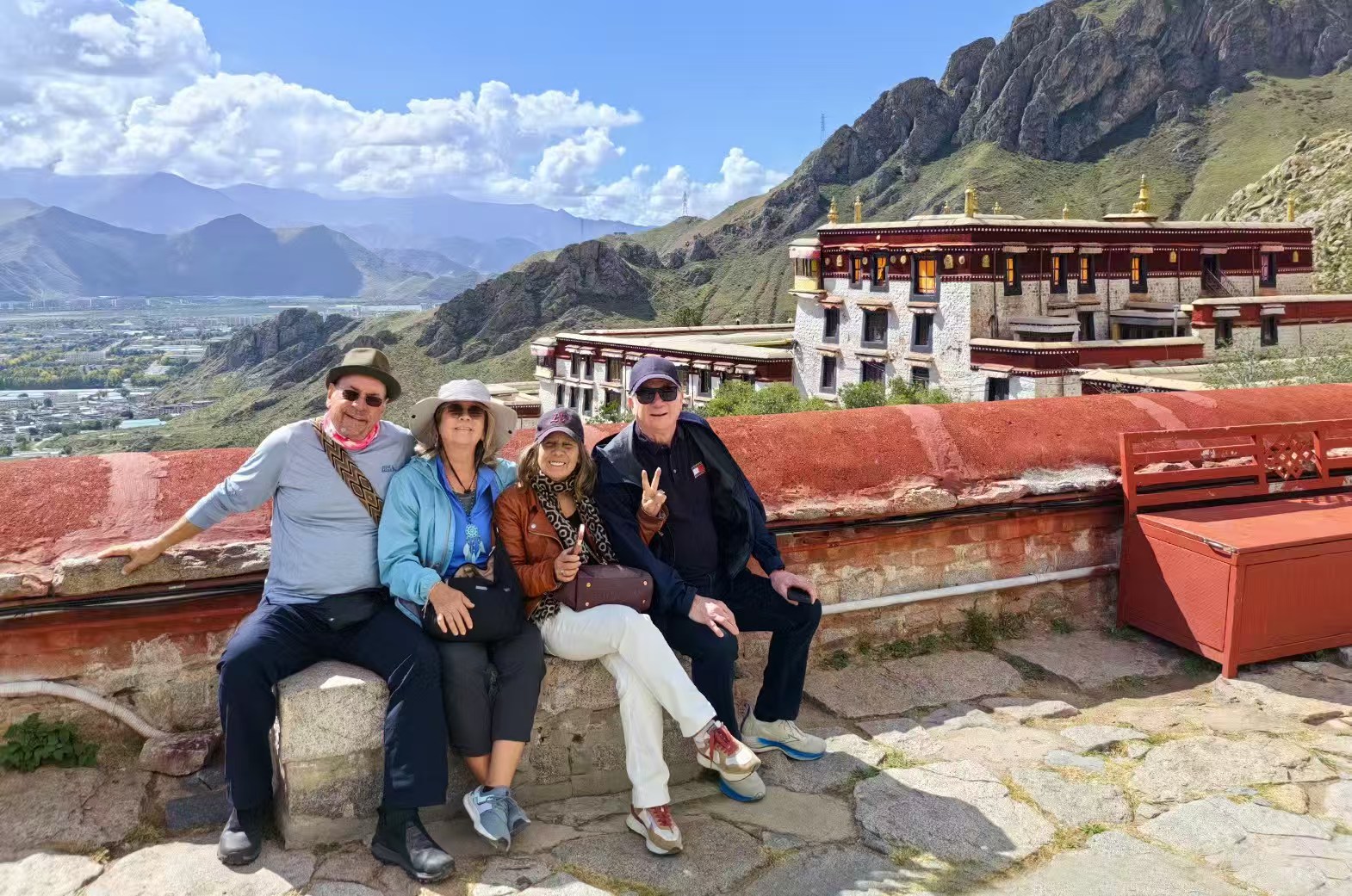
Located just outside the immediate city center, Drepung and Sera monasteries were once among the largest and most influential monastic universities in the world. Drepung, situated on a hillside, historically housed thousands of monks and played a crucial role in the governance of the Capital of Tibet. Sera Monastery, on the other hand, is globally famous for its lively monk debates. Held every afternoon in a shaded courtyard, these debates involve rhythmic clapping, dramatic gestures, and intense philosophical discourse. Observing these debates provides visitors with a rare, dynamic look into how Buddhist logic and philosophy are actively studied and preserved today.
Experiencing the Culture and Cuisine of the Capital of Tibet
Beyond its monumental architecture, the true essence of the Capital of Tibet is found in its daily life, vibrant streets, and unique culinary traditions. Immersing yourself in the local culture is essential for understanding what makes this high-altitude city so captivating.
Strolling Through Barkhor Street
Barkhor Street is the oldest and most atmospheric thoroughfare in the Capital of Tibet. Forming a circular route around the Jokhang Temple, it serves as both a major pilgrimage circuit (kora) and a bustling marketplace. Here, the clockwise flow of pilgrims spinning prayer wheels mingles seamlessly with shoppers browsing for traditional goods. The stalls and shops lining the narrow alleys offer everything from turquoise jewelry and hand-woven carpets to brass singing bowls and thangka paintings. Taking your time to walk the Barkhor kora alongside the locals allows you to feel the rhythm of life in the Capital of Tibet. It is also an excellent place to observe traditional Tibetan clothing, particularly the colorful chubas worn by older residents and nomads visiting the city.
Tasting Authentic Tibetan Flavors
The harsh climate and high altitude of the Capital of Tibet have shaped a cuisine designed to provide warmth and energy. Tsampa, roasted barley flour mixed with yak butter tea, is the staple food and holds deep cultural significance. Yak butter tea itself is an acquired taste for many visitors—salty, rich, and highly caloric—but it is absolutely essential for surviving the cold and combating altitude fatigue. Momos, steamed or fried dumplings filled with yak meat, cabbage, or potatoes, are perhaps the most popular dish among travelers. Thukpa, a hearty noodle soup packed with vegetables and meat, offers incredible comfort after a long day of exploring. Trying sweet tea in one of the traditional teahouses scattered around the old town is another must-do experience, providing a cozy environment to mingle with locals and rest weary legs.
Practical Travel Advice for Visiting the Capital of Tibet
Traveling to the Capital of Tibet requires more preparation than a typical vacation due to its remote location, strict regulations, and extreme altitude. Proper planning ensures a safe, respectful, and enjoyable experience.
Permits and Logistics
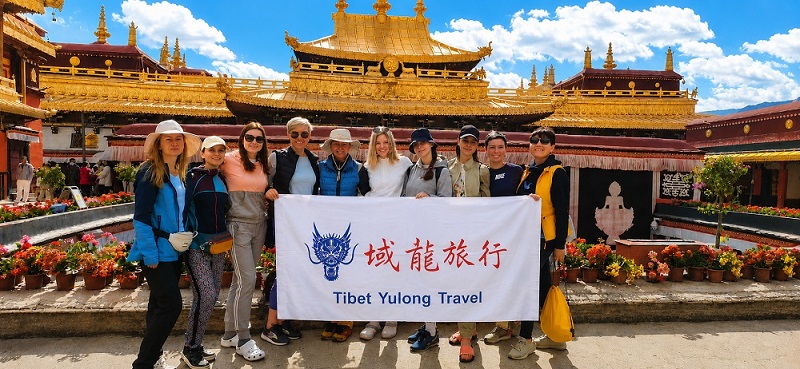
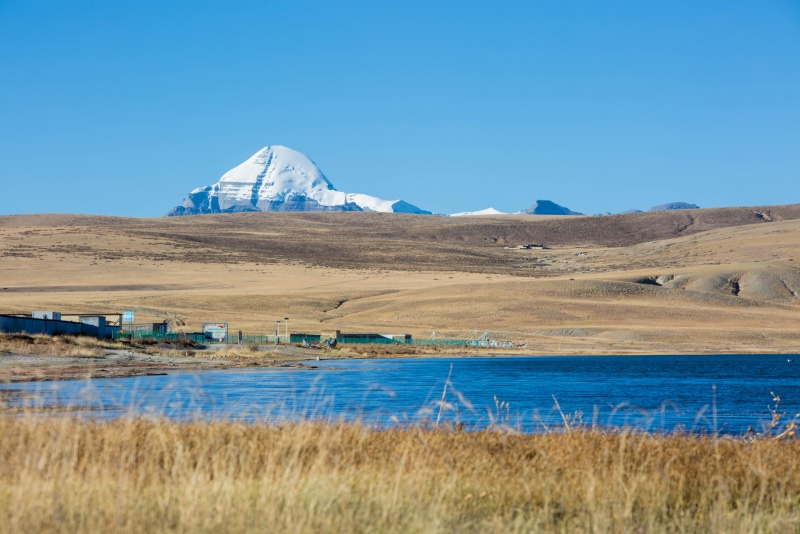
Foreign travelers cannot simply book a flight and arrive independently. Visiting the Capital of Tibet requires a Tibet Travel Permit, which must be arranged in advance through a registered travel agency. This permit is mandatory for boarding flights or trains heading into the region. Additionally, if your itinerary includes areas outside the immediate vicinity of Lhasa, such as Mount Everest Base Camp or Mount Kailash, further military and alien travel permits will be required. Partnering with experienced professionals is highly recommended to navigate these logistics smoothly. Agencies like Tibet Yulong Travel specialize in organizing comprehensive itineraries, handling all necessary permit applications, and providing knowledgeable local guides who ensure compliance with regional regulations while enriching your understanding of the culture.
Managing Altitude Sickness
At roughly 3,650 meters above sea level, altitude sickness is a genuine concern for anyone arriving in the Capital of Tibet. Symptoms can include headaches, dizziness, shortness of breath, and nausea. The golden rule is to take it incredibly easy for the first two days. Avoid strenuous physical activity, do not rush up stairs, and refrain from taking a hot shower immediately upon arrival, as this can exacerbate symptoms. Hydration is key, so drink plenty of water and local teas. Many travelers find that flying directly into Lhasa causes a sharper shock to the system compared to taking the Qinghai-Tibet Railway, which allows for gradual acclimatization over several days. Consulting a doctor before your trip regarding preventative medications is always a wise precaution.
Respecting Local Customs
The Capital of Tibet is a deeply religious society, and visitors must conduct themselves with respect. When entering monasteries and temples, dress modestly by covering shoulders and knees. Always remove hats and sunglasses indoors, and never point your feet toward statues, monks, or altars. Photography is strictly prohibited inside many chapels, so always ask for permission before using your camera. When walking the kora routes around temples or stupas, always move in a clockwise direction. Showing reverence for local customs not only prevents offense but often opens doors to warmer interactions with the incredibly hospitable Tibetan people.
A journey to the Capital of Tibet is far more than a simple sightseeing trip; it is a profound encounter with one of the world’s most resilient and spiritually rich cultures. From the towering heights of the Potala Palace to the fragrant smoke rising from the courtyards of the Jokhang Temple, every moment spent here leaves a lasting impression. With careful preparation, respect for local traditions, and the assistance of dedicated operators like Tibet Yulong Travel to handle the logistical intricacies, exploring this magnificent high-altitude destination becomes a seamless and life-changing adventure. The mountains, the monasteries, and the people await those ready to discover the unparalleled magic of Lhasa.