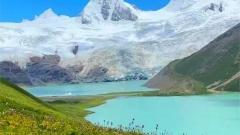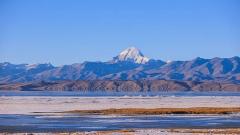

Located near Rawok Town in Chamdo Prefecture, eastern Tibet, Laigu Glacier is famous for its enormous blue ice formations, crystal-clear ice caves, glacier lakes, and dramatic black-and-white glacier patterns. Unlike many famous glacier destinations around the world, Laigu remains relatively peaceful and untouched, offering visitors the rare opportunity to experience the raw beauty of nature without overwhelming crowds.
Key Points
- Laigu Glacier is located in Rawok Town, Chamdo Prefecture, eastern Tibet, near the beautiful Rawok Lake.
- It is one of the largest glacier groups in the world and consists of six major glaciers: Meixi Glacier, Yalong Glacier, Ruojiao Glacier, Dongga Glacier, Xiongjia Glacier, and Niuma Glacier.
- The best time to visit Laigu Glacier is from December to April, especially January and February when the glacier lake freezes completely.
- Laigu Glacier can be combined with nearby destinations such as Rawok Lake, Nyingchi, Basong Tso, and Namcha Barwa for a complete eastern Tibet adventure.
- Tibet Yulong provides professional Tibet travel services that help international travelers arrange permits, transportation, accommodation, and customized glacier tours.
Where Is Laigu Glacier Located?
Laigu Glacier is located in Rawok Town, Baxoi County, Chamdo Prefecture, eastern Tibet. It lies on the southeastern edge of the Qinghai-Tibet Plateau, near the famous Rawok Lake and beneath Bosura Mountain.
The glacier area is approximately 390 kilometers from Nyingchi City, requiring around 8 to 9 hours by road depending on weather and road conditions. Although reaching Laigu Glacier requires a longer journey compared with more accessible Tibetan attractions, the remote location is exactly what makes it so special.
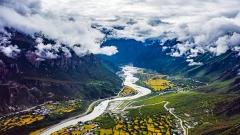
The road to Laigu Glacier passes through some of eastern Tibet’s most beautiful landscapes. Travelers will encounter deep valleys, snow-covered mountains, Tibetan villages, forests, rivers, and high-altitude lakes along the way. The journey itself becomes an important part of the experience.
Unlike many developed tourist destinations, Laigu Glacier maintains an authentic atmosphere. The surrounding villages remain quiet, local lifestyles continue naturally, and visitors can experience a side of Tibet that feels far removed from modern city life.
The Geographic Wonders Of Laigu Glacier
Laigu Glacier is not a single glacier but a massive glacier group composed of six major glaciers extending around Laigu Village.
These include:
- Meixi Glacier
- Yalong Glacier
- Ruojiao Glacier
- Dongga Glacier
- Xiongjia Glacier
- Niuma Glacier
Together, these glaciers create a spectacular frozen landscape flowing down from the mountains toward the valleys and lakes below.
The glaciers are surrounded by towering peaks, alpine forests, and traditional Tibetan settlements. The combination of glaciers and villages creates a rare scene where human civilization and natural wilderness exist side by side.
The most famous viewpoint is near Laigu Village, where visitors can see the glaciers extending toward the valley. From this perspective, the ice appears like enormous frozen rivers flowing between dark mountain slopes.
The surrounding Rawok Lake adds another layer of beauty. The lake reflects snow mountains and glaciers, creating a landscape that changes constantly depending on weather, sunlight, and season.
Why Is Laigu Glacier Famous?
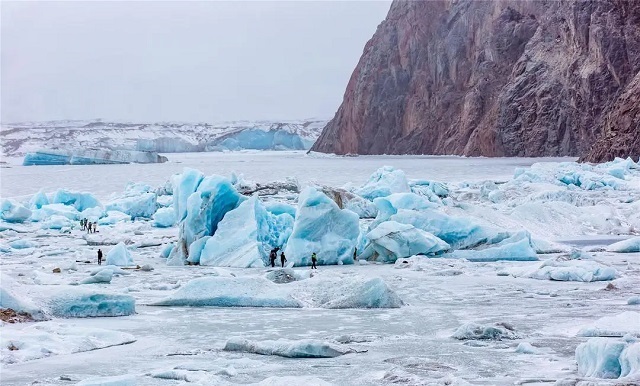
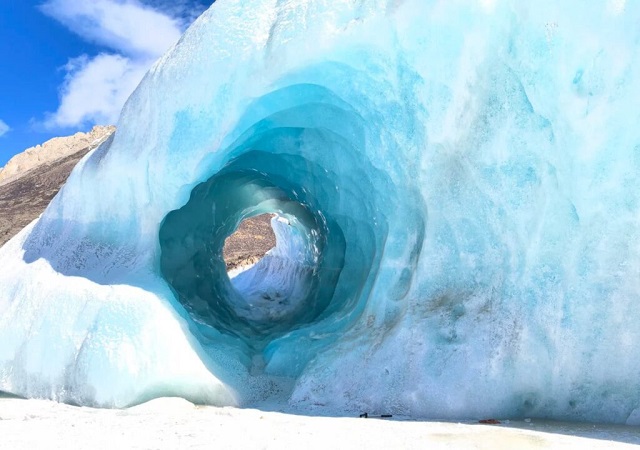
The greatest attraction of Laigu Glacier is its extraordinary blue ice.
Unlike ordinary white snow and ice, ancient glacier ice absorbs and reflects sunlight in a unique way. The dense ice structure filters light, creating shades ranging from turquoise to deep sapphire blue.
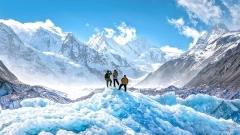
On sunny winter days, the glacier appears almost unreal, resembling a giant crystal sculpture created by nature.
The Magical Blue Ice Landscape
The blue ice of Laigu Glacier is the reason many photographers consider it one of Tibet’s most beautiful winter destinations.
Visitors can see:
- Transparent blue ice walls
- Frozen glacier lakes
- Natural ice caves
- Ice formations shaped by thousands of years of movement
- Floating ice blocks surrounded by mountain scenery
The colors become especially intense during winter and early spring when fresh snow, clear skies, and low temperatures create ideal conditions.
Standing beside the glacier, travelers often describe the experience as entering another world—a silent landscape dominated by ice, mountains, and endless sky.
The Black And White Glacier Pattern
One of the most unique visual features of Laigu Glacier is its black-and-white appearance.
Dark medial moraines run through the glacier like black lines separating different sections of white ice. These natural patterns form because glaciers carry rocks and soil as they slowly move down mountains.
From a distance, these dark lines look like rivers flowing through a frozen landscape.
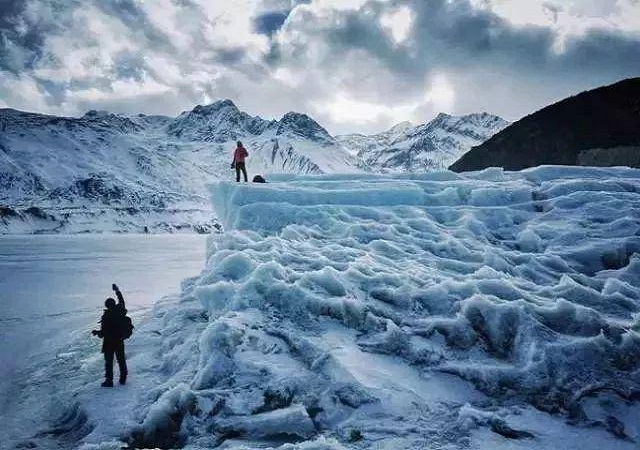
The contrast between black rock, white snow, and blue ice creates a dramatic scene that is rarely found elsewhere.
Floating Icebergs And Glacier Lakes
Another unforgettable feature of Laigu Glacier is the presence of icebergs floating in nearby glacier lakes.
Several lakes in front of the glacier contain floating pieces of ice that have broken away naturally. Because each lake has different geological conditions and mineral content, the water can appear in different shades of blue and green.
The combination of floating ice, mountain reflections, and clear skies creates a scene that feels almost like Antarctica—but with Tibetan villages and Himalayan peaks as the background.
The Best Time To Visit Laigu Glacier
Although Laigu Glacier can be visited throughout the year, winter and early spring are considered the best seasons for experiencing its most impressive ice scenery.
The ideal period is from early December to late April, with January through March offering some of the most dramatic glacier conditions.
Winter And Early Spring: The Best Glacier Season
During winter, temperatures drop significantly, causing the glacier lakes to freeze and creating a magical frozen world.
From January to February, the ice on some glacier lakes becomes thick enough that visitors may walk across designated frozen areas under proper safety conditions. This provides photographers with an incredible opportunity to capture unique perspectives of the glacier.
The sunlight during winter is also exceptionally clear. The blue ice becomes brighter, shadows become sharper, and the snow mountains appear more dramatic against deep blue skies.
Because winter is a quieter travel season in Tibet, visitors can enjoy a more peaceful experience with fewer tourists.
Late March To April: Glacier Combined With Peach Blossoms
One of the most attractive combinations for travelers is visiting Laigu Glacier together with Nyingchi’s famous peach blossoms.
From late March to mid-April, the lower valleys of Nyingchi begin transforming into a sea of pink and white flowers. Combining glacier landscapes with spring blossoms creates a journey through two completely different worlds:
- Frozen blue glaciers
- Snow-covered mountains
- Warm spring valleys
- Flower-filled Tibetan villages
This unique contrast makes eastern Tibet one of the most rewarding regions to explore.
Summer And Autumn: A Different Side Of Laigu Glacier
Although winter provides the best blue ice experience, summer and autumn also have their own charm.
During summer, the weather is warmer, roads are generally easier to access, and surrounding valleys become greener.
Autumn brings golden forests, clear skies, and colorful landscapes. When combined with Rawok Lake and Nyingchi attractions, the journey becomes a beautiful highland adventure.
However, the glacier itself may appear less intensely blue compared with winter because of seasonal changes.
Laigu Glacier Weather By Season
Laigu Glacier has a typical high-altitude mountain climate.
Spring
- Average temperature: around 11°C
- Maximum temperature: around 19°C
- Minimum temperature: around 2°C
Spring offers pleasant daytime conditions and excellent scenery, especially when combined with Nyingchi peach blossoms.
Summer
- Average temperature: around 18°C
- Maximum temperature: around 23°C
- Minimum temperature: around 11°C
Summer is the warmest season, with greener landscapes and comfortable travel conditions.
Autumn
- Average temperature: around 13°C
- Maximum temperature: around 17°C
- Minimum temperature: around 5°C
Autumn provides clear skies, colorful forests, and beautiful photography opportunities.
Winter
- Average temperature: around 7°C
- Maximum temperature: around 11°C
- Minimum temperature: around -4°C
Winter is the best season for blue ice, frozen lakes, and glacier photography.
Unique Experiences At Laigu Glacier
A visit to Laigu Glacier is not only about looking at scenery. Travelers can also participate in cultural and outdoor experiences that reveal the unique character of eastern Tibet.
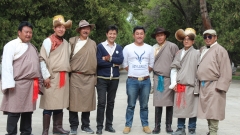
Experience Traditional Gongbu Tibetan Archery
One of the most memorable cultural activities is trying traditional Tibetan archery while wearing Gongbu Tibetan clothing.
The Gongbu people of eastern Tibet have their own unique traditions, clothing styles, and cultural identity.
Visitors can dress in colorful embroidered robes, hold traditional bows, and experience the excitement of this ancient skill.
This activity provides more than entertainment—it offers a deeper connection with local Tibetan culture and history.
Horseback Riding Across The Glacier Landscape
Horseback riding is another unforgettable way to experience Laigu Glacier.
Riding a Tibetan horse across highland landscapes, with glaciers and snow mountains surrounding you, creates a feeling of traveling through an ancient Tibetan world.
The slow rhythm of horseback travel allows visitors to appreciate details that are often missed by vehicle travel:
- Frozen rivers
- Mountain valleys
- Tibetan villages
- Wildlife traces
- Changing light on glaciers
It is a peaceful and immersive way to explore the region.
Taste Authentic Eastern Tibetan Cuisine
Food is an important part of any Tibet journey, and Laigu Glacier offers opportunities to discover local flavors.
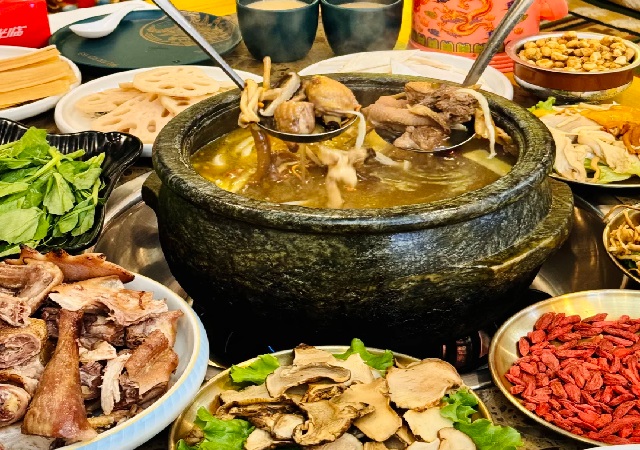
One of the most famous dishes is Stone Pot-cooked Chicken.
This traditional dish uses:
- Free-range Tibetan chicken
- Cordyceps flowers
- Wild mushrooms
- Local herbs
- Ginger
- Mountain ingredients
The ingredients are slowly cooked in a natural stone pot, creating a rich and warming meal that is especially enjoyable after a cold day near the glacier.
Another local specialty is roasted Tibetan fragrant pig, sometimes called “Ginseng Pig.” These pigs grow naturally in forest areas of eastern Tibet, resulting in tender meat with a unique flavor.
For travelers, tasting these local dishes is another way to understand Tibetan culture beyond landscapes.
Stone Pot-cooked Chicken
How To Get To Laigu Glacier?
Laigu Glacier is located near Rawok Town in Chamdo Prefecture, eastern Tibet. The most common access point is through Nyingchi, Bomi, or Rawok. The route passes through some of the most spectacular sections of the Sichuan-Tibet Highway, making the journey itself part of the adventure.
For international travelers, a popular route is: Nyingchi → Bomi → Rawok Lake → Laigu Glacier.
From Nyingchi, Laigu Glacier is approximately 390 kilometers away, requiring around 8 to 9 hours of driving depending on road conditions.
Along the way, travelers can combine Laigu Glacier with several other highlights of eastern Tibet:
- Nyingchi’s peach blossom valleys in spring
- Lulang Forest
- Rawok Lake
- Midui Glacier
- Basong Tso Lake
- Namcha Barwa Mountain
This makes Laigu Glacier an excellent addition to a longer eastern Tibet adventure.
Where To Stay Near Laigu Glacier?
There are no large hotels directly beside Laigu Glacier because of the remote environment.
The nearest accommodation options are located in Rawok Town, about 30 kilometers away from the glacier.
Travelers can find:
- Local guesthouses
- Youth hostels
- Comfortable hotels
- Some higher-standard accommodation options
Prices vary depending on the season, but budget accommodation usually starts from around USD 30 per night.
Staying in Rawok Town also allows visitors to explore Rawok Lake, enjoy local Tibetan food, and rest before continuing toward the glacier.
Important Safety Tips For Visiting The Glacier
Although Laigu Glacier looks peaceful and beautiful, glaciers are natural environments that require caution.
Do Not Walk On Unsafe Ice
Only during January and February, when temperatures are consistently low, may some glacier lakes develop thick enough ice for carefully managed walking experiences.
At other times of the year, glacier ice can be unstable. Cracks, hidden water channels, and thin ice layers can create serious risks.
Visitors should never walk onto glacier surfaces without local guidance and proper safety assessment.
Prepare For High Altitude
Most areas around Laigu Glacier are located above 4,000 meters in elevation.
Because of the altitude, travelers may experience:
- Shortness of breath
- Headaches
- Fatigue
- Difficulty sleeping
The best approach is gradual acclimatization.
A recommended travel sequence is:
Lower-altitude areas → Nyingchi → Bomi → Rawok → Laigu Glacier
Starting from Nyingchi is especially helpful because its lower elevation allows many travelers to adapt more comfortably before reaching higher glacier areas.
Check Weather Conditions Before Departure
Mountain weather in eastern Tibet can change quickly.
Heavy snowfall may occasionally affect road conditions and cause temporary closures, especially during winter.
Before traveling to Laigu Glacier, check:
- Road conditions
- Weather forecasts
- Local travel recommendations
A professional local travel agency can help monitor conditions and adjust routes when necessary.
What To Pack For A Laigu Glacier Tour
Even during relatively warm seasons, glacier regions remain cold because of their altitude and exposure to wind.
A well-prepared packing list should include:
Warm Clothing
A layered clothing system works best:
- Thermal base layer
- Fleece sweater
- Down jacket
- Windproof outer jacket
- Warm hiking pants
This allows you to adjust your clothing as temperatures change throughout the day.
Winter Accessories
For winter and early spring visits, bring:
- Gloves
- Warm hat
- Scarf
- Thick socks
- Waterproof shoes
Cold wind near the glacier can feel much stronger than the actual temperature suggests.
Sun Protection
The sunlight on the Tibetan Plateau is extremely strong because of the high altitude.
Essential items include:
- Sunglasses
- High-SPF sunscreen
- Lip balm
- Sun hat
The reflection from snow and ice can increase UV exposure, making eye and skin protection especially important.
Photography Equipment
Laigu Glacier is a dream destination for photographers.
Recommended equipment:
- Wide-angle lens for glacier landscapes
- Telephoto lens for mountain details
- Extra batteries because cold temperatures drain batteries quickly
- Tripod for sunrise and sunset photography
The best photography moments are usually early morning and late afternoon when sunlight creates beautiful colors on the ice.
Combining Laigu Glacier With Other Eastern Tibet Attractions
One of the greatest advantages of visiting Laigu Glacier is that it can be combined with many other spectacular destinations in eastern Tibet.
Rawok Lake: The Blue Mirror Near The Glacier
Located close to Laigu Glacier, Rawok Lake is one of the most beautiful alpine lakes in Tibet.
The lake receives water from surrounding glaciers, creating a landscape where turquoise water reflects snow mountains and forests.
During different seasons, Rawok Lake changes dramatically:
- Spring brings blooming vegetation
- Summer creates green mountain scenery
- Autumn adds golden forests
- Winter creates a peaceful frozen landscape
Many travelers consider Rawok Lake and Laigu Glacier one of the most beautiful combinations in Tibet.
Bomi: The Gateway To Eastern Tibet’s Natural Beauty
Bomi County is famous for its forests, mountains, and glaciers.
The journey between Bomi and Laigu Glacier is one of the most scenic sections of eastern Tibet, passing through:
- Snow peaks
- Alpine forests
- Tibetan villages
- Rivers and valleys
For travelers interested in nature photography, this region offers endless opportunities.
Nyingchi: From Peach Blossoms To Glaciers
Many visitors combine Laigu Glacier with Nyingchi because the region offers two completely different seasonal experiences.
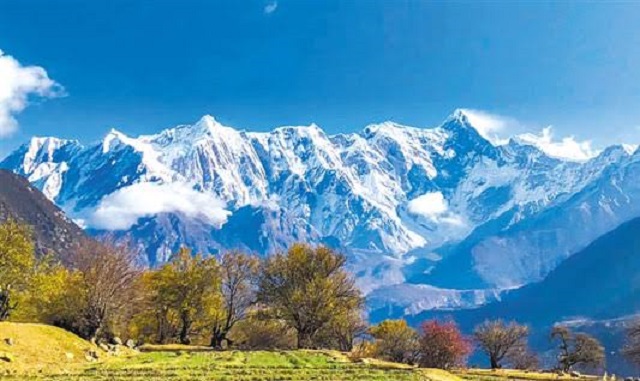
In spring, Nyingchi becomes famous for peach blossoms, while Laigu Glacier remains covered in blue ice.
This combination allows travelers to experience both the warmth of spring valleys and the frozen beauty of high mountains in a single journey.
Why Choose Tibet Yulong For A Laigu Glacier Tour?
Exploring Laigu Glacier independently can be challenging for international visitors because of Tibet’s travel regulations, remote geography, altitude conditions, and transportation requirements.
Tibet Yulong Travel specializes in customized Tibet tours for overseas travelers, helping guests experience destinations such as Laigu Glacier, Rawok Lake, Nyingchi, Everest Base Camp, and other remote Tibetan landscapes.
A professional Tibet travel service can assist with:
- Tibet travel permits
- Transportation planning
- Hotel arrangements
- Local guides
- Altitude management
- Customized itineraries
For a remote destination like Laigu Glacier, having experienced local support allows travelers to focus on enjoying the scenery instead of worrying about logistics.
A carefully designed eastern Tibet itinerary can combine glacier exploration with Tibetan villages, local cuisine, alpine lakes, and cultural experiences, creating a deeper and more meaningful journey.
Laigu Glacier Is Tibet’s Hidden Blue Ice Paradise
Laigu Glacier represents one of the most extraordinary sides of Tibet. It is not only a glacier. It is a complete highland experience where ancient ice meets Tibetan culture, where snow mountains overlook peaceful villages, and where every season creates a different masterpiece.
Standing before the enormous blue ice flows, watching sunlight pass through crystal formations, or riding a Tibetan horse across the frozen landscape are experiences that remain unforgettable long after the journey ends.
For travelers searching for a destination beyond ordinary sightseeing, Laigu Glacier offers something rare: silence, wilderness, authenticity, and a direct connection with nature. The journey may require time and preparation, but that is part of its magic. The farther you travel into eastern Tibet, the more untouched and extraordinary the landscape becomes.
Among all the natural wonders of Tibet, Laigu Glacier stands as a hidden treasure—a frozen paradise waiting to be discovered by those willing to explore the road less traveled.