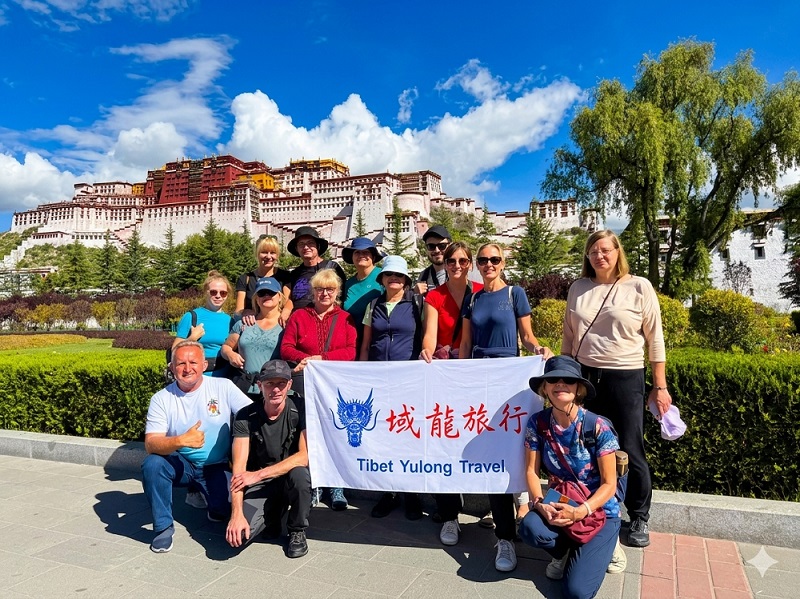
Traveling to the Roof of the World is a dream for many adventurers, but the perceived high costs often deter budget-conscious travelers. The truth is, organizing a memorable Tibet Tour without draining your savings account is entirely possible if you know where to allocate your funds and where to cut back. From navigating permit requirements to choosing local guesthouses over luxury hotels, strategic planning transforms this remote destination into an accessible journey. Whether you are drawn by the spiritual atmosphere of ancient monasteries or the breathtaking Himalayan landscapes, careful preparation ensures your money goes toward genuine experiences rather than unnecessary tourist traps. By understanding local logistics and making informed choices, you can explore the Tibetan Plateau comfortably and affordably.
Before diving into the details, here are the essential takeaways for planning a budget-friendly Tibet Tour:
- Travel during shoulder seasons to secure lower prices on flights and accommodations.
- Share transportation and guide costs by joining a small group tour.
- Eat at local teahouses instead of tourist-oriented restaurants to save on meals.
- Book standard guesthouses that offer clean, basic rooms without luxury markups.
- Plan your itinerary efficiently to minimize internal travel distances and fuel costs.
Timing Your Tibet Tour for Maximum Savings
The timing of your trip plays the most significant role in determining your overall expenses. Peak tourist season generally falls during the summer months when the weather is warmest and oxygen levels are slightly higher due to increased vegetation. During this period, flight tickets to Lhasa, hotel rates, and even vehicle rentals surge dramatically. If your schedule allows flexibility, targeting the shoulder seasons—specifically late spring or early autumn—provides a sweet spot for budget travelers. During these transitional periods, the weather remains relatively stable for sightseeing, yet the crowds thin out, prompting vendors and airlines to lower their prices.
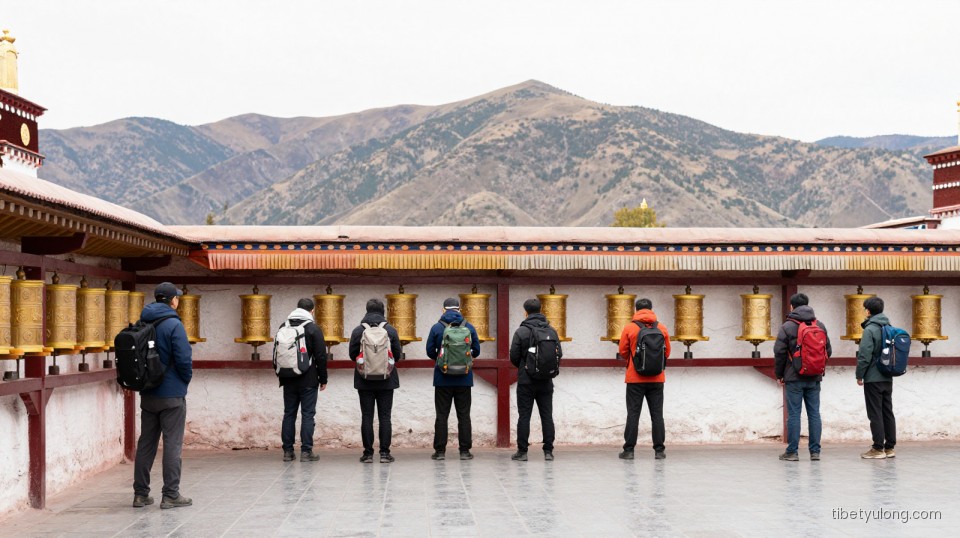
Winter presents another unique opportunity for an economical Tibet Tour. While temperatures drop significantly, especially at night, daytime sunshine in places like Lhasa and Shigatse remains surprisingly warm and pleasant. Winter travel offers the lowest accommodation rates and fewer tourists at major attractions, allowing for a more intimate cultural experience. However, some remote routes, such as the road to Mount Everest Base Camp or Mount Kailash, may become inaccessible due to heavy snowfall. Always verify road conditions and attraction availability before finalizing a winter itinerary.
Navigating Permits and Regulations Affordably
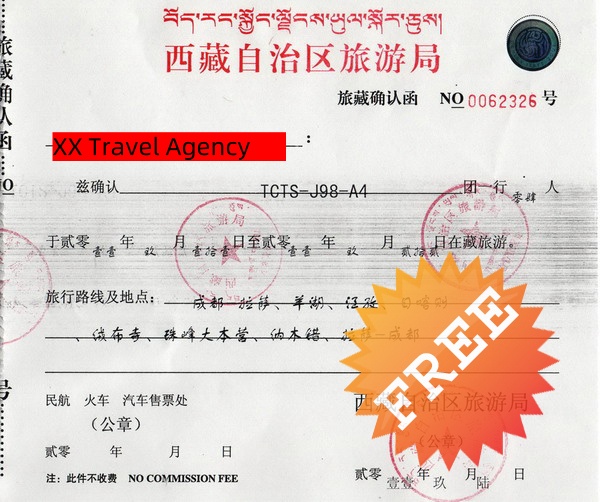
No discussion about visiting the Tibetan Plateau is complete without addressing the mandatory travel documents. Foreign passport holders cannot travel independently in Tibet; you must be part of an organized itinerary with a registered travel agency that secures your Tibet Travel Permit. While this might sound expensive, it does not have to break the bank. The key is understanding what you are actually paying for. Agencies charge for the administrative work of obtaining the permit, along with the mandatory guide and vehicle services.
To keep costs down on your Tibet Tour, avoid requesting highly customized private itineraries if you are traveling solo or as a couple. Instead, look for agencies that facilitate small group join-in tours. By sharing the cost of the required guide, driver, and vehicle with four to six other travelers, the per-person expense drops drastically. Ensure the agency is transparent about their pricing structure. Hidden fees for permit processing are a red flag. Reputable operators will include the permit acquisition cost within the overall package price without arbitrary surcharges.
Transportation Strategies for a Budget Tibet Tour
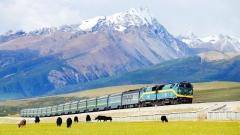
Getting to Tibet and moving around the plateau constitute a large portion of your travel budget. Flights directly into Lhasa Gonggar Airport from major Chinese cities or Kathmandu can be pricey, especially if booked last minute. A proven strategy to reduce airfare is flying into a gateway city like Chengdu, Xining, or Kunming, spending a day or two there, and then catching a connecting flight or boarding the Qinghai-Tibet Railway. The train journey itself is an iconic experience, offering spectacular views of the Hoh Xil nature reserve and vast grasslands, often at a fraction of the cost of a direct flight.
Once inside the region, public transportation options are limited for foreign travelers due to permit restrictions tying you to your approved itinerary. Therefore, optimizing your ground transport is crucial. As mentioned earlier, joining a group is the most effective way to split vehicle rental and fuel costs. When planning your route, cluster destinations geographically. For example, combining visits to Yamdrok Lake, Gyantse, and Shigatse into a single continuous loop prevents backtracking, saving both fuel and driving time. Discuss these logistical efficiencies with your travel operator beforehand to ensure the proposed route makes financial sense.
Accommodation Options That Protect Your Wallet
Lhasa and other major towns have seen a proliferation of accommodation options catering to various budgets. You do not need to stay in international chain hotels to enjoy a comfortable rest after a long day of exploring. Locally owned guesthouses and standard hotels offer clean, heated rooms with attached bathrooms at significantly lower rates. In Lhasa, areas near the Barkhor Street or the Jokhang Temple provide excellent access to cultural sites, meaning you spend less money on daily taxis or walking long distances in the high altitude.
When venturing outside Lhasa on your Tibet Tour, manage your expectations regarding lodging. In smaller towns like Tingri or Shigatse, facilities are more basic. Embrace this simplicity. Opting for standard twin rooms rather than upgraded suites saves considerable money over a multi-day trip. Furthermore, booking through a reliable local agency often yields better room rates than attempting to book directly as a walk-in foreign traveler, as agencies hold negotiated contracts with local hotels throughout the year.
Eating Well Without Overspending
Food is an area where budget travelers can easily control their daily expenditure. Tourist-targeted restaurants near major landmarks often charge inflated prices for mediocre meals. To eat well and cheaply, follow the locals. Tibetan teahouses and small noodle shops serve hearty bowls of thukpa (noodle soup) and momos (dumplings) for very reasonable prices. These dishes are not only affordable but also provide the necessary carbohydrates and warmth needed to combat altitude fatigue.
Chinese cuisine, particularly Sichuan food, is widely available across the plateau due to the large number of workers from neighboring provinces. Small family-run Chinese restaurants offer generous portions of rice and vegetable or meat stir-fries at low costs. If you are traveling with a group, ordering several shared dishes family-style is always cheaper than ordering individual set meals. Carry snacks like nuts, dried fruits, and chocolate purchased in mainland China before arriving in Tibet, as imported snacks at local supermarkets carry a hefty markup due to transportation logistics.
Choosing the Right Itinerary for Your Budget
The length and scope of your route directly impact your finances. A classic four-to-five-day Lhasa city tour covering the Potala Palace, Jokhang Temple, Sera Monastery, and Drepung Monastery is the most economical option. It minimizes vehicle rental days while still delivering the core cultural highlights. If you wish to see natural wonders like Mount Everest Base Camp or Namtso Lake, you will need to extend your trip to seven or eight days, which proportionally increases guide, vehicle, and accommodation costs.
Prioritize what matters most to you. If Himalayan vistas are your primary goal, skip the longer drives to western Tibet and focus on the Lhasa-Shigatse-Everest corridor. Every additional day on the road adds fuel, guide wages, and hotel nights to your total. Designing a focused, efficient itinerary ensures your Tibet Tour delivers maximum impact without unnecessary financial drain.
Leveraging Local Expertise for a Seamless Experience
Navigating the complexities of high-altitude travel, permit regulations, and local logistics requires specialized knowledge. Attempting to piece together every element yourself often leads to unexpected expenses and logistical dead ends. Partnering with experienced professionals streamlines the process and frequently results in overall savings through their established networks and bulk purchasing power. Operators like Tibet Yulong Travel specialize in crafting tailored itineraries that respect your financial boundaries while ensuring all legal and safety requirements are meticulously handled. Their deep understanding of local routes, reliable driver partnerships, and relationships with guesthouse owners mean you benefit from optimized pricing structures that independent travelers simply cannot access. Engaging a knowledgeable team ensures your energy remains focused on absorbing the profound beauty and culture of the plateau, rather than stressing over logistical hurdles and hidden costs.