Every summer, the high-altitude city of Lhasa transforms into a stage for one of Tibet’s most vibrant cultural events. The Shoton Festival, often referred to as the Yogurt Festival, blends deep religious devotion with lively secular entertainment. Rooted in centuries of Buddhist tradition, it has evolved from a quiet monastic observance into a massive public celebration featuring giant Thangka unveilings, days of traditional Tibetan opera, and communal feasts. For travelers seeking an authentic glimpse into Tibetan culture, attending this festival offers an unparalleled experience. Whether you are drawn by the spiritual atmosphere or the colorful performances, understanding the history and logistics of the event is essential before planning your trip.
Here are the key takeaways about this remarkable event:
- Originated as a post-retreat yogurt offering for monks.
- Features a massive Thangka unveiling at Drepung Monastery.
- Centers around traditional Tibetan opera performances at Norbulingka.
- Takes place annually during the late summer months.
- Requires advance planning due to peak travel season demand.
The Origins and Meaning of the Shoton Festival
To truly appreciate the Shoton Festival, it helps to understand its historical roots. The word “Shoton” translates directly from the Tibetan language, where “Sho” means yogurt and “Ton” means banquet or feast. Therefore, it is literally the Yogurt Banquet Festival. Its origins date back several centuries, deeply intertwined with the practices of Tibetan Buddhism.
According to Buddhist monastic rules, monks are required to observe a period of summer retreat known as Yarney. This practice was originally established to prevent monks from accidentally stepping on and killing small insects that emerge in large numbers during the warm, wet summer months. For several weeks, monks remain confined within their monastery walls, dedicating their time entirely to meditation, study, and prayer.
When the retreat concludes, the monks are permitted to leave the monastery grounds. Local laypeople, eager to show their respect and accumulate merit, would welcome the monks by offering them fresh yogurt. Over time, these simple offerings grew into elaborate community feasts. What began as a strictly religious observance gradually incorporated secular elements, including music, dancing, and theatrical performances, transforming the Shoton Festival into the grand cultural spectacle witnessed today.
The Grand Thangka Unveiling Ceremony
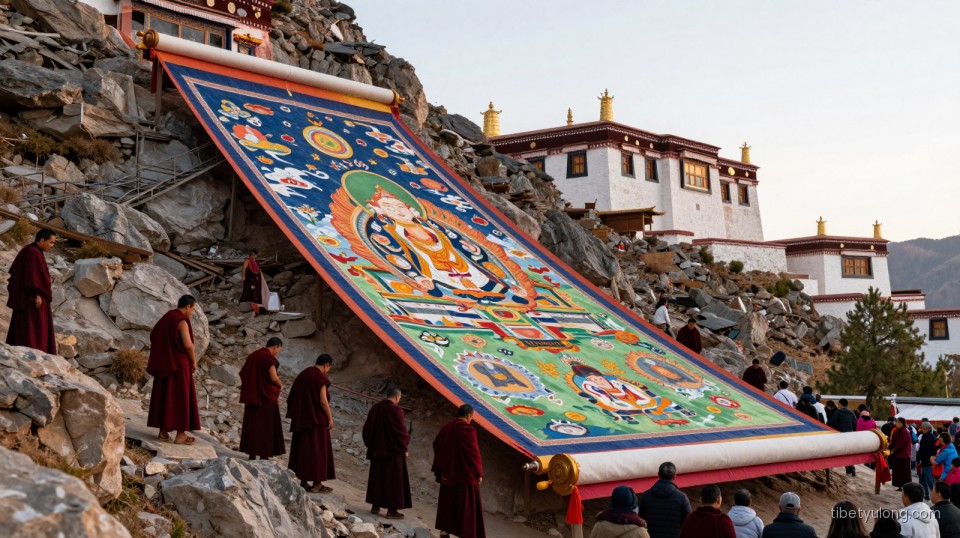
The official start of the Shoton Festival is marked by one of the most visually stunning and spiritually significant events in Tibet: the Thangka unveiling at Drepung Monastery. Before dawn, thousands of pilgrims and visitors gather at the base of the mountain behind the monastery. The atmosphere is charged with anticipation, filled with the scent of burning juniper branches and the low murmur of prayers.
As the first light of day begins to touch the mountains, a group of monks carries a massive, rolled-up Thangka—a sacred Buddhist painting—from the monastery up the hillside. This particular Thangka usually depicts a giant image of Buddha Shakyamuni or Maitreya. The sheer size of the artwork is breathtaking, often measuring dozens of meters across.
Accompanied by the deep, resonant sounds of long copper horns, chanting monks, and the blowing of conch shells, the Thangka is slowly unrolled down the face of the mountain. When the sun finally crests the peaks and hits the fabric, the crowd erupts in cheers and prayers. Pilgrims press forward to offer white scarves (khatas) and bow in reverence. For travelers, witnessing this ceremony is a profound reminder of the deep faith that permeates daily life on the Tibetan plateau. Arriving very early is crucial, as the viewing areas fill up hours before sunrise.
Tibetan Opera Performances During the Shoton Festival
Following the morning ceremonies at Drepung Monastery, the focal point of the Shoton Festival shifts to Norbulingka, the historic summer palace of the Dalai Lamas. Here, the festival transitions from solemn religious ritual to joyous public celebration, primarily through the art of Lhamo, or traditional Tibetan opera.
Tibetan opera is a unique performing art that combines singing, dancing, chanting, and acrobatics. Performers wear elaborate, brightly colored masks and costumes that signify different character types, such as kings, deities, demons, and commoners. The stories enacted are usually drawn from ancient Tibetan myths, historical legends, and Buddhist parables, teaching moral lessons while entertaining the masses.
During the festival, various opera troupes from across Tibet travel to Lhasa to compete and perform. The stages are set up within the lush gardens of Norbulingka, creating a relaxed, picnic-like atmosphere. Locals arrive early to secure good spots under the trees, spreading out carpets and setting up tents. Families spend entire days watching the performances, sharing food, and socializing. Visitors are welcome to wander through the gardens, sit among the locals, and absorb the rhythmic drums, cymbals, and distinctive vocal styles of the performers. It is a fantastic opportunity to see living traditions practiced with genuine enthusiasm rather than staged solely for tourists.
Traditional Foods and the Yogurt Banquet
No discussion of the Shoton Festival is complete without mentioning the food, particularly the yogurt that gives the event its name. Tibetan yogurt is quite different from the sweetened, fruit-flavored varieties commonly found elsewhere. Made from the rich milk of yaks, it is naturally thick, highly nutritious, and possesses a distinctly tart flavor.
During the festival, locals consume yogurt in large quantities. To balance the sourness, it is often sprinkled with generous amounts of sugar or mixed with dried fruits and tsampa (roasted barley flour). Beyond yogurt, the festival grounds at Norbulingka turn into a massive outdoor dining area. Families bring elaborate picnic baskets filled with traditional dishes.
You will likely see momos (steamed dumplings filled with meat or vegetables), thukpa (hearty noodle soup), dried yak meat, and butter tea being shared among friends and strangers alike. Butter tea, made from tea leaves, yak butter, and salt, is an essential staple that provides necessary energy and hydration at high altitudes. Participating in these communal meals is one of the best ways for travelers to connect with local residents and experience authentic Tibetan hospitality firsthand.
Practical Travel Tips for Attending the Shoton Festival
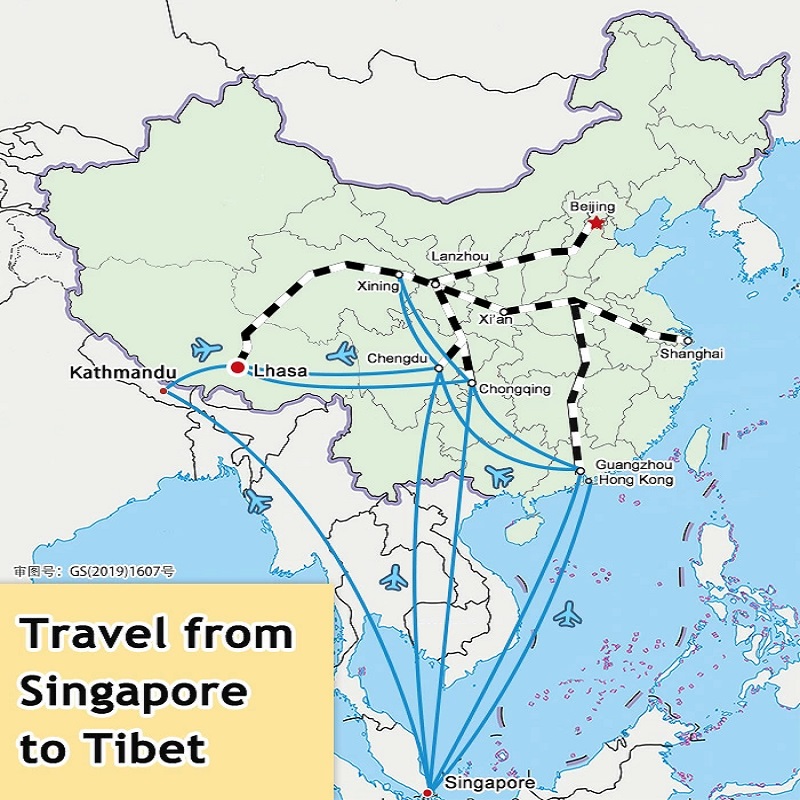
Planning a trip to Lhasa specifically for the Shoton Festival requires careful preparation, as the event coincides with the peak tourist season on the Tibetan plateau. The festival dates are determined by the Tibetan lunar calendar, typically falling in August or early September according to the Gregorian calendar. Because the exact dates shift each year, verifying the schedule well in advance is essential.
Altitude sickness is a primary concern for any visitor to Lhasa, which sits at roughly 3,650 meters above sea level. Travelers should plan to arrive at least two to three days before the festival begins to allow their bodies to acclimatize. During this adjustment period, avoid strenuous exercise, drink plenty of water, and rest frequently. The crowds during the festival can be dense, especially at Drepung Monastery for the Thangka unveiling, so pacing yourself is vital.
Accommodation in Lhasa books up incredibly fast during this period. Hotels, guesthouses, and flights reach capacity quickly, making early reservations mandatory. Navigating the logistics of traveling to Tibet, including securing the necessary Tibet Travel Permit, can be complex for independent travelers. Working with experienced local operators like Tibet Yulong Travel can significantly streamline the process. They provide valuable assistance with permit applications, transportation, and itinerary planning, ensuring that visitors can focus on enjoying the cultural festivities rather than worrying about administrative hurdles. By preparing thoroughly, travelers can fully immerse themselves in the sights, sounds, and flavors of this extraordinary Tibetan celebration.