Sending a letter from the edge of the earth sounds like something out of an adventure novel, but it is entirely possible if you know where to go. Tucked away in the rugged terrain of the Spiti Valley in Himachal Pradesh, India, lies a tiny settlement that holds a remarkable record. The World’ Highest Post Office sits at an elevation of 4,440 meters (14,567 feet) above sea level in the village of Hikkim. Unlike modern courier services driven by speed and technology, this postal outpost operates on human connection, patience, and the sheer willpower of its dedicated staff. Travelers from across the globe make the arduous journey here not just for the views, but to drop a stamped postcard into a red mailbox that sits closer to the sky than any other on the planet. It is a place where geography meets history, offering a tangible link between one of the most isolated communities on Earth and the rest of the world.
Key Takeaways:
- Located in Hikkim village at 4,440 meters elevation.
- Operated by India Post since 1983.
- Serves as a vital lifeline for remote Himalayan communities.
- Visitors can send postcards globally from the site.
- Accessible via challenging mountain roads in Spiti Valley.
The Legacy of the World’ Highest Post Office
To understand the significance of the World’ Highest Post Office, you have to look beyond the novelty of its altitude. Established in 1983, the Hikkim post office was not built to attract tourists. It was created out of absolute necessity. Before its establishment, the residents of Hikkim and neighboring villages like Komic and Langza had no reliable way to communicate with the outside world or receive government pensions, money orders, and essential documents. The nearest postal facility required days of treacherous walking over high-altitude passes.
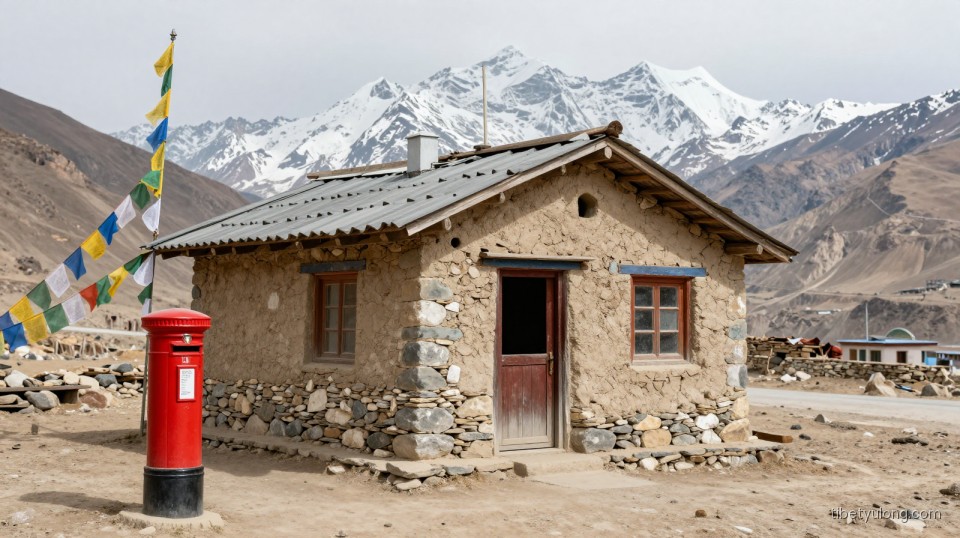
Today, the post office remains a small, unassuming mud-and-stone building. Inside, the atmosphere is quiet, smelling faintly of old paper and ink. The operation relies heavily on the dedication of local postmasters who brave extreme weather conditions to sort mail. While digital communication has transformed how most of the world connects, the World’ Highest Post Office continues to process physical letters, parcels, and savings bank transactions for locals who rely on these traditional systems. For the villagers, this tiny room is a financial institution, a communication hub, and a symbol of their connection to the broader nation.
The post office handles a unique mix of mail. On one hand, there are official documents, pension disbursements, and personal letters for the monks residing in nearby monasteries and the farmers tending to their small plots of barley and peas. On the other hand, there is a growing volume of tourist mail. Every summer, hundreds of travelers arrive specifically to buy postcards, affix stamps, and write messages to friends and family back home. The postmaster carefully cancels each stamp with the Hikkim postmark, a highly sought-after souvenir for philatelists and adventurers alike.
How to Reach Hikkim Village in Spiti Valley
Getting to the World’ Highest Post Office is an expedition in itself. Hikkim is located in the Spiti Valley, a cold desert mountain region in northern India. The journey requires careful planning, physical endurance, and a tolerance for rough travel conditions. There are two primary routes to access Spiti Valley, both offering spectacular but demanding drives.
The first route is via Shimla and Kinnaur. This path follows the Hindustan-Tibet Road, gradually ascending through lush pine forests before transitioning into the stark, arid landscapes of the trans-Himalayas. This route is generally preferred for acclimatization because the elevation gain is gradual, giving your body time to adjust to the thinning air. You will pass through towns like Rampur, Sarahan, Sangla, and Kalpa before reaching Kaza, the administrative headquarters of Spiti. From Kaza, Hikkim is a short but bumpy drive of about 15 kilometers.
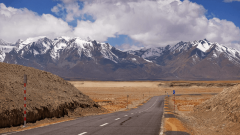
The second route is via Manali, crossing the formidable Kunzum La and Rohtang Pass. This road is only open during the summer months when the snow clears, usually from June to September. It is a much steeper and more abrupt ascent, which significantly increases the risk of Acute Mountain Sickness (AMS). However, the scenery along the Manali-Kaza highway is breathtaking, featuring deep gorges, roaring rivers, and towering snow-capped peaks. Regardless of the route chosen, the final stretch to Hikkim involves navigating unpaved, rocky tracks where only sturdy SUVs or local transport can safely operate.
When planning a trip to such remote regions, many travelers seek the expertise of specialized agencies. Companies like Tibet Yulong Travel often assist adventurers in organizing comprehensive itineraries across the Tibetan plateau and the greater Himalayan region, including the Indian trans-Himalayas. Whether you are looking to combine a Spiti Valley expedition with broader regional explorations or simply need logistical support for high-altitude travel, leveraging experienced travel organizers ensures that transportation, permits, and acclimatization schedules are handled professionally, allowing you to focus entirely on the experience.
What to Expect When Visiting the World’ Highest Post Office
Arriving in Hikkim feels like stepping onto another planet. The landscape is dominated by shades of brown, grey, and ochre, punctuated by the occasional flutter of colorful Buddhist prayer flags. The air is thin, crisp, and incredibly dry. Because the village sits at over 4,400 meters, every step requires effort, and visitors are advised to move slowly to avoid altitude-related discomfort.
The World’ Highest Post Office itself is modest. Do not expect a grand architectural structure. It is a functional space, typically consisting of a single main room where the postmaster works behind a wooden counter. The walls are often adorned with old notices, maps, and perhaps a few photographs left behind by grateful travelers. Despite its simplicity, the energy inside is warm. The postmaster is usually welcoming, accustomed to the steady stream of curious visitors who arrive during the brief tourist season.
One of the most rewarding activities here is sending a postcard. The post office sells a limited supply of picture postcards featuring local landscapes and monasteries. You can purchase these, write your message, buy the necessary postage stamps, and drop them into the red letterbox stationed outside. It is important to manage expectations regarding delivery times. Mail from Hikkim does not travel quickly. It is carried down the mountain by bus or postal runners to Kaza, then routed through larger sorting hubs in Shimla or Chandigarh before entering the international postal network. A postcard sent from the World’ Highest Post Office might take weeks or even months to reach its destination, but that delay is part of its charm. It transforms a simple piece of cardboard into a genuine artifact of slow travel.
Beyond mailing letters, visitors should take time to explore the immediate surroundings. Hikkim is situated near Komic, which claims to be one of the highest villages in the world connected by a motorable road, and Langza, famous for its giant Buddha statue overlooking the valley and its rich marine fossil beds. Exploring these neighboring settlements provides context to the life of the people served by the post office, highlighting the resilience required to thrive in such an unforgiving environment.
Practical Tips for High-Altitude Postal Tourism
Visiting the World’ Highest Post Office requires more than just a sense of adventure; it demands respect for the environment and the local community. Preparation is key to ensuring a safe and enjoyable trip to Spiti Valley.
Acclimatization is the most critical factor. Altitude sickness can affect anyone, regardless of age or fitness level. Spend at least two to three days at intermediate elevations, such as Kalpa or Tabo, before pushing up to Kaza and Hikkim. Stay hydrated, avoid alcohol during the initial days of ascent, and listen to your body. If you experience severe headaches, nausea, or dizziness, descending to a lower altitude is the only reliable cure.
Packing appropriately is equally important. Even in the peak of summer, temperatures in Hikkim can drop below freezing at night. Layered clothing is essential. Bring thermal inner wear, a heavy windproof jacket, gloves, and a warm hat. Sun protection is also vital; the UV radiation at 4,440 meters is intense. High-SPF sunscreen, sunglasses, and lip balm should be applied generously throughout the day.
Cash is king in the upper Spiti Valley. There are no ATMs in Hikkim, and digital payment infrastructure is virtually non-existent at this altitude. Carry sufficient Indian Rupees from Kaza or earlier towns to cover your expenses, including the purchase of postcards and stamps at the World’ Highest Post Office. Additionally, bring your own pens, as supplies in the village are limited.
Finally, practice responsible tourism. Hikkim is a fragile ecosystem with limited waste management capabilities. Whatever you bring into the village, ensure you carry it back out. Respect the privacy of the locals and always ask for permission before photographing residents or the interior of the post office. By traveling mindfully, you help preserve the authenticity of this incredible destination for future generations.
Standing outside the World’ Highest Post Office, watching the wind whip dust across the barren mountainside, you realize that this place represents something much larger than a geographical record. It is a testament to human ingenuity and the enduring desire to connect. Dropping a letter into that red box is a small act, but knowing it begins its journey from the roof of the world makes it an unforgettable memory. For those willing to endure the long roads and thin air, Hikkim offers an experience that no digital message could ever replicate.