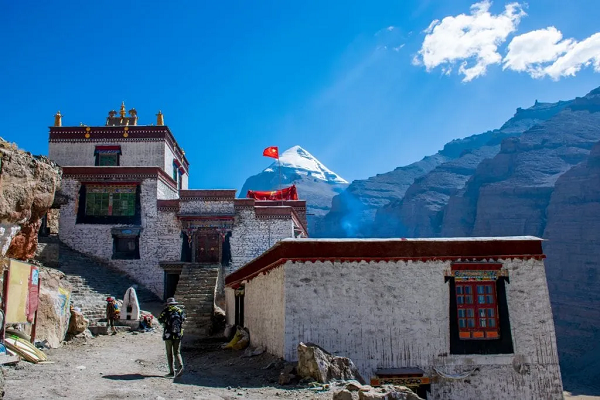
Nestled at the foot of the snow-capped Nyainqêntanglha Mountains, Yampachen Hot Springs represent one of the most extraordinary geothermal phenomena on the Tibetan Plateau. Located approximately 90 kilometers northwest of Lhasa, this high-altitude destination draws travelers from around the world seeking both physical rejuvenation and breathtaking scenery. Unlike typical thermal pools found elsewhere, the hot springs here are fueled by intense subterranean volcanic activity, creating a surreal landscape where boiling water erupts against a backdrop of glaciers. The contrast between the freezing alpine air and the steaming mineral-rich waters makes soaking in these hot springs an unforgettable experience. Whether you are a wellness enthusiast or an adventurous traveler, visiting this site offers a rare glimpse into the raw geological power of Tibet.
Key Highlights:
- Highest-elevation geothermal field in China.
- Water temperatures reach boiling point naturally.
- Rich in minerals beneficial for skin and joints.
- Stunning views of the Nyainqêntanglha mountain range.
- Easily accessible as a day trip from Lhasa.

Understanding the Geological Marvel of Yampachen Hot Springs
To truly appreciate Yampachen Hot Springs, one must first understand the immense geological forces that created them. The Tibetan Plateau is the result of the ongoing collision between the Indian and Eurasian tectonic plates. This massive tectonic interaction has fractured the earth’s crust extensively, allowing deep subterranean heat to rise rapidly toward the surface. In the Yampachen valley, groundwater seeps through these deep fissures, is heated by underlying magma chambers, and then rushes back up under immense pressure. The result is a sprawling geothermal field covering roughly 14.5 square kilometers, making it one of the largest and most active areas of its kind in Asia.
What sets these hot springs apart from others globally is their sheer intensity. While many thermal destinations offer gently warmed waters suitable for immediate bathing, the primary sources here actually boil. Some geysers and vents shoot water dozens of meters into the air, with temperatures exceeding 86°C (187°F) due to the high altitude lowering the local boiling point. The landscape is dotted with fumaroles, bubbling mud pots, and steaming sulfur deposits, giving visitors the sensation of walking on a living, breathing earth. The constant plumes of white steam rising into the crisp blue sky create a mystical atmosphere that photographers and nature lovers find absolutely captivating.
Health Benefits and Wellness at the Hot Springs
For centuries, local Tibetans have revered these thermal waters not just as a geographical curiosity, but as a profound source of healing. The mineral composition of the hot springs is remarkably complex, containing high concentrations of hydrogen sulfide, radon, fluorine, lithium, and various trace elements. When absorbed through the skin or inhaled as vapor, these minerals are traditionally believed to alleviate a wide range of ailments.
Modern wellness tourism has embraced these traditional beliefs, recognizing that soaking in mineral-rich hot springs can significantly improve blood circulation, reduce muscle tension, and soothe chronic joint conditions such as arthritis. The sulfur content is particularly noted for its dermatological benefits, often helping to clear up skin conditions like eczema and psoriasis. Furthermore, the act of immersing oneself in warm water while surrounded by freezing mountain air stimulates the cardiovascular system, promoting overall vitality. Many visitors report feeling deeply relaxed and energized after a session in the cooled thermal pools. It is important to note that because of the extreme altitude—over 4,300 meters—the body reacts differently to heat. Soaking sessions should be kept relatively short to prevent dizziness or excessive strain on the heart, ensuring the therapeutic benefits of the hot springs are enjoyed safely.
How to Get to the Hot Springs from Lhasa
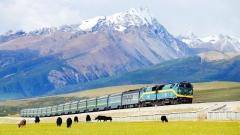
Reaching Yampachen Hot Springs is a straightforward journey that serves as an excellent introduction to the vastness of the Tibetan landscape. Situated about 90 kilometers northwest of Lhasa, the drive typically takes between two to three hours, depending on road conditions and the pace of travel. The route follows the Qinghai-Tibet Highway, offering panoramic views of sweeping grasslands, grazing yaks, and distant snow peaks.
Most travelers opt to hire a private vehicle or join an organized tour departing from Lhasa. Driving yourself is possible if you have the necessary permits, but navigating the high-altitude roads is best left to experienced local drivers who understand the terrain. Along the way, you will pass through small Tibetan villages where traditional stone houses and colorful prayer flags dot the landscape. The approach to the geothermal field is unmistakable; long before you arrive, you will see thick columns of steam rising from the valley floor. Upon arrival, there is a designated parking area near the main resort facilities. Because the site is highly popular, arriving early in the morning ensures you beat the crowds and experience the hot springs during the coldest part of the day, which dramatically enhances the visual spectacle of the steam against the winter sky.
Facilities, Bathing Pools, and Visitor Experience
Decades ago, visiting this geothermal wonder meant roughing it in the wild, but today, the infrastructure surrounding the hot springs has been developed to accommodate modern tourists comfortably. The primary facility is a large bathhouse complex that channels the scalding geothermal water into a series of indoor and outdoor swimming pools. Because the water emerges from the ground at near-boiling temperatures, it must be carefully cooled down before it is safe for human contact. The facility uses a system of cooling channels and mixing pools to bring the water to a comfortable bathing temperature, usually ranging between 35°C and 42°C.
Visitors can choose between communal large pools and smaller, more private rooms. The outdoor pools are generally the most sought-after, as they allow bathers to soak in the warm, mineral-rich water while gazing out at the majestic Nyainqêntanglha mountains. During the colder months, the contrast between the freezing ambient air and the enveloping warmth of the water is exhilarating. Steam billows constantly off the surface of the pools, creating a dreamlike environment. Inside the main complex, there are changing rooms, lockers, and basic shower facilities. It is advisable to bring your own towels and toiletries, as supplies can sometimes be limited. Beyond the bathing areas, the grounds feature walkways that allow guests to safely observe the raw, uncooled geysers and boiling mud pits, providing an educational perspective on the power of the hot springs.
Essential Travel Tips for Visiting High-Altitude Hot Springs
Enjoying the hot springs safely requires careful preparation, primarily due to the extreme elevation. At over 4,300 meters above sea level, the oxygen levels are roughly 60% of those at sea level. Before embarking on this trip, it is crucial to spend at least two to three days acclimatizing in Lhasa. Attempting to soak in thermal waters immediately upon arrival in Tibet can severely exacerbate altitude sickness symptoms, including headaches, nausea, and shortness of breath.
When planning your visit to the hot springs, pack appropriately. Bring swimwear, flip-flops for walking around the wet pool decks, and a warm robe or heavy coat to wear immediately after exiting the water, as the ambient air temperature drops rapidly. Hydration is another critical factor; the combination of high altitude and hot water causes rapid fluid loss through sweating. Drink plenty of bottled water before, during, and after your soak. Avoid alcohol entirely, as it accelerates dehydration and worsens altitude-related issues. Additionally, individuals with severe hypertension, heart disease, or pregnant women should consult a physician before entering the thermal pools. Finally, respect the local environment. The geothermal field is a delicate ecosystem, and littering or venturing off designated paths near boiling vents is both dangerous and environmentally harmful.
Exploring the Surroundings and Local Culture
A trip to the geothermal valley offers much more than just a bath; it is an immersion into the unique culture and ecology of the Tibetan plateau. The area surrounding the hot springs is home to nomadic herders who have lived in harmony with this harsh environment for generations. You will frequently see herds of yaks and sheep grazing on the sparse alpine tundra, their thick coats protecting them from the biting winds. Engaging respectfully with local vendors who sell yak butter tea, dried meats, and traditional handicrafts near the entrance adds a rich cultural layer to the experience.
For those looking to extend their adventure beyond the hot springs, the nearby Nyainqêntanglha mountain range offers spectacular trekking opportunities, though these require proper gear and guides. Another fascinating stop often combined with this trip is the Tsurphu Monastery, located along the route back to Lhasa, serving as the traditional seat of the Karmapa lineage. Integrating these cultural and natural sights transforms a simple bathing excursion into a comprehensive exploration of Tibet’s heritage. For travelers seeking a seamless experience, organizing logistics through specialized operators like Tibet Yulong Travel can be highly beneficial. They provide tailored itineraries that ensure safe transportation, proper altitude acclimatization schedules, and knowledgeable guides who deeply understand both the geological significance and the cultural nuances of the region. By leveraging local expertise, visitors can focus entirely on the restorative magic and awe-inspiring beauty of Tibet’s most famous geothermal destination.