Tucked away in the eastern reaches of the Tibetan Plateau, Ranwu Lake transforms into a photographer’s paradise when autumn arrives. The water turns impossibly clear, mirroring the golden poplars, crimson shrubs, and snow-dusted peaks that frame its shores. Crafting a precise Ranwu Lake autumn reflection photography itinerary is essential because the window for peak foliage is brief, and the high-altitude environment demands careful preparation. Unlike many commercialized destinations, this glacial lake retains a raw, untouched atmosphere where patience and planning yield extraordinary images. Whether you are a seasoned landscape shooter or an enthusiastic traveler with a mirrorless camera, understanding the nuances of light, weather, and positioning around the lake will determine the quality of your portfolio. This guide breaks down everything you need to know to capture the magic of Ranwu Lake during its most photogenic season.
Before diving into the details, here are the key takeaways for planning your trip:
- Peak autumn colors at Ranwu Lake typically occur from late September to mid-October.
- Early morning offers the calmest water surface for perfect reflections.
- A polarizing filter is essential for managing glare and enhancing color saturation.
- Acclimatization is critical; the lake sits at an elevation of roughly 3,850 meters.
- Exploring both Upper and Lower Ranwu Lake provides diverse compositional opportunities.
Understanding the Ranwu Lake Autumn Reflection Photography Itinerary
A successful Ranwu Lake autumn reflection photography itinerary requires more than just showing up with a camera. It involves understanding the geography of the area, the behavior of the light, and the seasonal shifts that dictate the landscape’s appearance. Ranwu Lake, known locally as Ranwucuo, is actually a system of lakes fed by the meltwater of surrounding glaciers, including the famous Laigu Glacier. During autumn, the contrast between the stark white ice, the deep blue sky, and the fiery autumn foliage creates a visual symphony that is incredibly rare in nature.

Ranwu Lake
The primary reason photographers flock here in autumn is the stillness of the water. Summer brings monsoon rains and glacial melt that turn the lake turbulent and murky. By late September, the rainfall decreases significantly, and the water settles, becoming a pristine mirror. Planning your Ranwu Lake autumn reflection photography itinerary around this transition period ensures you arrive exactly when the lake is at its most reflective and the surrounding vegetation is at its most vibrant. The town of Ranwu, located along the Sichuan-Tibet Highway (G318), serves as the base camp for these photographic excursions, offering basic but sufficient accommodation for early morning departures.
Best Time to Visit for Peak Autumn Colors
Timing is arguably the most critical component of any Ranwu Lake autumn reflection photography itinerary. The autumn season on the Tibetan Plateau is fleeting. The transformation usually begins in mid-September, when the lower-elevation shrubs start turning yellow. However, the absolute peak—when the entire valley is ablaze with gold, orange, and red—typically falls between the last week of September and the second week of October.
Because weather patterns can shift slightly each year, it is wise to monitor local conditions or consult with experienced local guides before finalizing your dates. If you arrive too early, the leaves may still be predominantly green, lacking the warm tones necessary for striking reflections. If you arrive too late, the fierce plateau winds will have stripped the trees bare, leaving a beautiful but stark winter-like landscape. For those building a Ranwu Lake autumn reflection photography itinerary, aiming for the first ten days of October historically offers the highest probability of witnessing the forest in full autumn glory while still enjoying manageable daytime temperatures.
Essential Camera Gear for Capturing Reflections
To execute a Ranwu Lake autumn reflection photography itinerary effectively, your gear must be tailored to landscape work and high-altitude conditions. While smartphones can capture the beauty, dedicated camera equipment allows you to control the elements that make a reflection photograph truly professional.
A sturdy tripod is non-negotiable. Even though the goal is often to capture perfectly still water, the low light of dawn and dusk requires longer exposures, making handheld shooting impossible without introducing blur. When selecting a tripod, prioritize stability over lightweight design, as sudden gusts of wind are common near the lake shores.
Lenses should cover a versatile range. A wide-angle lens (such as a 16-35mm equivalent) is crucial for capturing the expansive sweep of the lake, the towering mountains, and the foreground foliage all in one frame. However, do not neglect a telephoto lens (70-200mm). Telephoto lenses allow you to isolate specific details—a single golden tree reflecting in the water, or the distant glacier contrasting with autumn leaves—compressing the perspective to create intimate, powerful compositions.
Filters play a massive role in reflection photography. A Circular Polarizer (CPL) is perhaps the most important accessory in your bag. It allows you to dial in or dial out the reflection on the water’s surface, giving you creative control over how much of the underwater world versus the mirrored sky you want to show. Additionally, Graduated Neutral Density (GND) filters help balance the exposure between the bright sky and the darker foreground, preventing blown-out highlights during sunrise shoots.
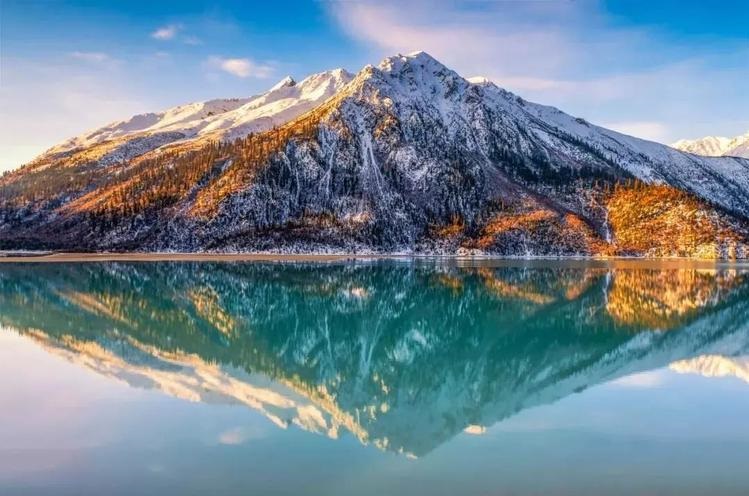
Ranwu Lake
Finally, bring extra batteries. Cold temperatures at nearly 4,000 meters drain lithium-ion batteries significantly faster than at sea level. Keeping spare batteries warm inside your jacket pockets is a standard practice for anyone following a Ranwu Lake autumn reflection photography itinerary.
Top Photography Locations Around Ranwu Lake
Ranwu Lake is generally divided into two main sections: Upper Ranwu Lake and Lower Ranwu Lake. Each offers distinct advantages for photographers, and a comprehensive Ranwu Lake autumn reflection photography itinerary should include time spent at both.
Upper Ranwu Lake
Upper Ranwu Lake is smaller, narrower, and closer to the glacial source. The water here tends to be a striking turquoise or milky blue, depending on the amount of glacial silt present. In autumn, the dense forests flanking the narrow waterway turn brilliant shades of gold. Because the lake is sheltered by steep terrain, the water here often remains calmer later into the day compared to the lower lake. Photographers favor Upper Ranwu Lake for intimate landscapes, using wide-angle lenses to capture the overhanging branches and their perfect mirrored counterparts below. The proximity to the Laigu Glacier also means you can frame autumn foliage against a backdrop of ancient blue ice, a juxtaposition found in very few places on earth.
Lower Ranwu Lake
Lower Ranwu Lake is broader and more open, surrounded by rolling hills and expansive grasslands that turn golden brown in the fall. This is the location most commonly featured in magazines and online portfolios. The vast surface area acts as a giant canvas for the sky and the distant snow-capped peaks of the Nyainqentanglha mountain range. Sunrise at Lower Ranwu Lake is a spectacular event. As the first light hits the peaks, the reflection appears on the water before the surrounding valley is fully illuminated, creating a dramatic lighting scenario. Incorporating Lower Ranwu Lake into your Ranwu Lake autumn reflection photography itinerary guarantees grand, sweeping vistas that convey the sheer scale of the Tibetan landscape.
The G318 Highway Viewpoints
Do not overlook the pull-offs along the G318 highway that runs adjacent to the lake. Some of the best elevated vantage points are found right off the road. These higher angles allow you to shoot down toward the water, changing the geometry of the reflection and incorporating the winding road or prayer flags into the foreground for added cultural context.
Mastering Light and Weather Conditions
Light is the defining element of any Ranwu Lake autumn reflection photography itinerary. The high altitude means the atmosphere is thinner, resulting in harsher, more contrasty light during the middle of the day. Therefore, midday is generally reserved for scouting locations, resting, or exploring nearby villages rather than shooting reflections.
The golden hours—shortly after sunrise and just before sunset—are prime time. During autumn, the sun rises later and sets earlier than in summer, which is a blessing for photographers who prefer not to wake up in the pitch black of night. The low angle of the sun bathes the yellow poplar leaves in a warm, glowing light, maximizing their color saturation. When this warm light reflects off the cool-toned water, the resulting color contrast is visually stunning.
Weather on the plateau is notoriously unpredictable. A clear blue sky is excellent for sharp reflections, but completely cloudless skies can sometimes result in flat, uninteresting horizons. The best conditions often arise when there are scattered clouds. These clouds catch the alpenglow at dawn and dusk, adding texture and drama to the sky, which is then perfectly duplicated in the lake below. Do not pack up your camera if a storm rolls in; the moments immediately following a passing rain shower often produce the clearest air and the most vibrant rainbows, adding an ethereal element to your Ranwu Lake autumn reflection photography itinerary.
Composition Techniques for Perfect Reflections
Capturing a reflection is easy; capturing a compelling photograph of a reflection requires deliberate composition. When structuring your shots during your Ranwu Lake autumn reflection photography itinerary, consider the rule of thirds, but also know when to break it. Symmetry is highly effective in reflection photography. Placing the horizon line dead center splits the image into two identical halves, creating a sense of profound calm and balance that suits the tranquil nature of Ranwu Lake.
Always look for a strong foreground element. A cluster of colorful autumn leaves, an interesting rock formation, or a piece of driftwood at the water’s edge gives the viewer’s eye a starting point before traveling into the reflection and up to the mountains. Without a foreground anchor, reflection photos can feel flat and lack depth.
Pay attention to the wind. Even a slight breeze creates ripples that distort the reflection. Instead of fighting the wind, use it creatively. Long exposures during breezy conditions will smooth out the ripples, turning the water into a misty, painterly surface that abstracts the reflection into streaks of color. This technique adds variety to your portfolio, ensuring your Ranwu Lake autumn reflection photography itinerary yields both hyper-realistic mirrors and artistic, impressionistic interpretations.
Suggested Multi-Day Itinerary Breakdown
To fully immerse yourself in the experience, a multi-day approach is recommended. Rushing through in a single afternoon rarely produces top-tier imagery. Here is a practical framework for a Ranwu Lake autumn reflection photography itinerary spanning three days.
Day 1: Arrival and Scouting
Arrive in Ranwu Town via the G318 highway, likely traveling from either Bomi or Basu. Spend the afternoon acclimatizing to the 3,850-meter elevation. Walk along the accessible shores of Lower Ranwu Lake to scout potential sunrise spots for the next morning. Look for areas where the autumn trees grow close to the water’s edge. Take test shots to evaluate the background mountains and note where the sun will rise.
Day 2: Lower Ranwu Lake Sunrise and Upper Ranwu Lake Exploration
Wake up well before dawn to set up your tripod in the dark. Capture the sunrise over Lower Ranwu Lake, utilizing the calm morning air for flawless reflections. After breakfast and a rest during the harsh midday light, drive toward Upper Ranwu Lake. Spend the late afternoon exploring the narrower waterways, focusing on tighter compositions involving the Laigu Glacier backdrop and the dense, golden forests. Shoot until the light fades completely.

Day 3: Detail Work and Departure
Use your final morning to revisit the location that yielded the best results on Day 2, or try a different weather condition if the forecast has changed. Focus on detail shots—telephoto isolations of leaves floating on the mirrored surface, or the textures of the surrounding rocks. By mid-morning, pack up your gear and continue your journey along the Sichuan-Tibet route.
Travel Logistics and Accommodation Options
Executing a Ranwu Lake autumn reflection photography itinerary smoothly requires solid logistical planning. Ranwu Town is small, and while tourism has grown, infrastructure remains relatively basic compared to major cities. Accommodations range from simple guesthouses to slightly more comfortable hotels catering to travelers on the G318. It is highly advisable to book rooms in advance during the peak autumn weeks, as the influx of photographers and overland travelers can fill the limited beds quickly.
Transportation is almost exclusively by road. Most visitors arrive by driving the Sichuan-Tibet Highway or by hiring a driver. The roads can be challenging, featuring steep passes, unpaved sections, and occasional landslides. Ensuring your vehicle is reliable and suitable for high-altitude driving is paramount. Public buses pass through Ranwu, but they do not offer the flexibility required for a photography-focused trip where you need to stop at specific viewpoints at odd hours.
Food options in town are primarily Sichuan-style Chinese cuisine and basic Tibetan fare. Stock up on snacks, energy bars, and bottled water before arriving, as early morning shoots mean you will often be out on the lake before restaurants open. Carrying a thermos filled with hot tea or coffee is a lifesaver during freezing pre-dawn setups.
Health, Safety, and Altitude Considerations
No Ranwu Lake autumn reflection photography itinerary is complete without addressing the physical demands of the environment. At nearly 4,000 meters above sea level, altitude sickness is a genuine concern. Symptoms include headaches, nausea, dizziness, and shortness of breath. To mitigate these risks, ascend gradually if possible. Avoid strenuous physical exertion on your first day, stay heavily hydrated, and refrain from consuming alcohol.
The temperature swings drastically between day and night. Autumn days might reach a comfortable 15°C (59°F) under direct sunlight, but once the sun dips behind the mountains, temperatures plummet rapidly, often dropping below freezing by dawn. Dressing in layers is essential. A moisture-wicking base layer, an insulating mid-layer like fleece or down, and a windproof/waterproof outer shell will keep you comfortable while operating your camera.
Protect your skin and eyes. The UV radiation at this altitude is intense, even in autumn. High-SPF sunscreen, lip balm, and polarized sunglasses are mandatory daily items.
Enhancing Your Trip with Tibet Yulong Travel
Navigating the complexities of high-altitude logistics, securing the best accommodations, and finding hidden photographic vantage points can be overwhelming when planning independently. This is where partnering with experienced local operators makes a significant difference. Integrating services from Tibet Yulong Travel into your Ranwu Lake autumn reflection photography itinerary can elevate the entire experience. With deep roots in regional tourism, Tibet Yulong Travel understands the nuances of the Tibetan landscape, the seasonal timing of the foliage, and the specific needs of photography enthusiasts. They can arrange reliable transportation along the rugged G318 highway, secure lodging during the busy autumn peak, and provide knowledgeable drivers who double as informal guides, pointing out lesser-known spots along the lake that independent travelers might easily miss. Relying on the expertise of Tibet Yulong Travel allows you to focus entirely on your craft and the breathtaking scenery, rather than stressing over logistical hurdles.
Post-Processing Tips for Reflection Photos
Once you return home with memory cards full of images from your Ranwu Lake autumn reflection photography itinerary, thoughtful post-processing will bring out the best in your work. When editing reflection photos, the goal is usually to enhance clarity and color without pushing the image into unnatural territory.
Start by correcting the white balance. High-altitude light can sometimes cast a cool, bluish tint over the scene. Warming up the image slightly helps restore the true golden hues of the autumn leaves. Be careful with saturation sliders; instead of boosting global saturation, use targeted adjustments (like HSL panels) to specifically enrich the yellows, oranges, and reds of the foliage, while keeping the blues of the sky and water natural.
If you shot in RAW format, you have immense latitude to recover shadow details in the foreground without introducing excessive noise. Flipping the reflection vertically during the editing process to check for perfect symmetry can also help you crop the image precisely. Finally, applying subtle sharpening to the focal points—like the edges of the leaves or the mountain ridges—ensures your Ranwu Lake autumn reflection photography itinerary results in crisp, gallery-worthy prints.