Ngari, located in the far west of the Tibet Autonomous Region, is one of the most remote and breathtaking destinations on the planet. Home to the sacred Mount Kailash, the stunning Lake Manasarovar, and the ancient ruins of the Guge Kingdom, this region draws adventurers and pilgrims alike. However, figuring out how to get to Ngari requires careful planning due to its high altitude, rugged terrain, and strict travel regulations. Whether you are flying into the region or embarking on an epic overland journey, understanding your transportation options is essential for a successful trip.
Before diving into the details, here is a quick summary of the key points regarding how to get to Ngari:
- Fly directly from Lhasa to Ngari Gunsa Airport.
- Drive overland from Lhasa via the southern or northern routes.
- Enter Ngari from Xinjiang along the famous G219 highway.
- Secure all required Tibet travel permits before departure.
- Allow sufficient time for altitude acclimatization.
Flying to Ngari: The Fastest Route
If you want to know how to get to Ngari quickly, taking a flight is the most time-efficient option. Ngari Gunsa Airport (NGQ) serves as the primary aviation hub for the region. Located at an elevation of approximately 4,274 meters, it is one of the highest airports in the world. Currently, direct flights to Ngari operate primarily from Lhasa Gonggar Airport. These flights are usually scheduled in the morning and take roughly two hours, offering spectacular aerial views of the Himalayas and the vast Tibetan Plateau.
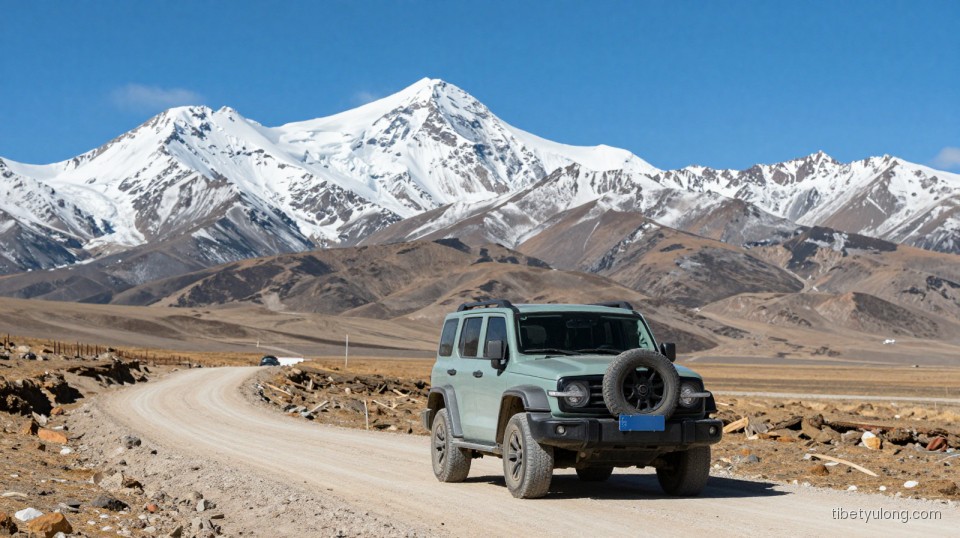
While flying saves a tremendous amount of time compared to driving, it comes with a significant caveat: altitude sickness. Because you transition rapidly from Lhasa’s elevation of about 3,650 meters to Ngari’s much higher altitude, your body has very little time to adjust. It is highly recommended that travelers spend at least three to four days acclimatizing in Lhasa before catching a flight to Ngari. Upon arrival at Ngari Gunsa Airport, you will still need to arrange ground transportation to reach specific sites like Darchen (the base camp for Mount Kailash) or Shiquanhe Town (Ali), which serves as the administrative center of the prefecture. Flights can be subject to weather delays, so building some flexibility into your itinerary is always a smart move.
Overland Journey from Lhasa to Ngari
For those who prefer a gradual ascent and want to experience the raw beauty of the Tibetan Plateau, driving from Lhasa is the most popular way to travel to Ngari. There are two main overland routes: the Southern Route and the Northern Route. Both offer distinct landscapes and challenges, making the journey just as memorable as the destination itself.
The Southern Route to Ngari
The Southern Route is the preferred choice for most tourists wondering how to get to Ngari while maximizing their sightseeing opportunities. This route generally follows the G318 and G219 highways, passing through some of Tibet’s most iconic landmarks. The typical itinerary takes travelers from Lhasa to Yamdrok Lake, then onward to Gyantse and Shigatse. From Shigatse, the road continues westward through Lhatse and Saga before finally reaching the Ngari prefecture.
One of the major advantages of the Southern Route is the gradual increase in elevation, which helps mitigate the risks of severe altitude sickness. Along the way, you will pass by the Everest Base Camp turnoff, traverse vast grasslands, and witness the changing colors of the high-altitude lakes. The drive from Lhasa to Shiquanhe (Ali) via the Southern Route typically takes about three to five days, depending on your stops and pace. Road conditions have improved significantly in recent years, with most sections now paved, though occasional construction or weather-related disruptions can occur.
The Northern Route to Ngari
The Northern Route is less traveled by standard tourist groups but appeals to hardcore adventurers seeking untouched wilderness. This path heads northwest from Lhasa or Nagqu, traversing the Changtang Nature Reserve. The landscape here is stark, desolate, and incredibly beautiful, characterized by vast salt lakes, snow-capped peaks, and roaming herds of wild Tibetan antelopes and yaks.
Travelers choosing the Northern Route to get to Ngari should be prepared for rougher road conditions, longer driving days, and fewer amenities. Accommodations are sparse, and medical facilities are virtually non-existent until you reach larger towns. This route is generally not recommended for first-time visitors to Tibet or those prone to altitude sickness, as the average elevation remains consistently above 4,500 meters for extended periods. However, for seasoned overlanders, the Northern Route provides an unparalleled sense of isolation and connection with nature.
Entering Ngari from Xinjiang via the G219 Highway
Another fascinating way to access the region is by driving south from Xinjiang along the Xinjiang-Tibet Highway, officially known as the G219. This route begins in Yecheng (Kargilik) in Xinjiang and climbs dramatically over several mountain passes exceeding 5,000 meters before descending into the Ngari prefecture, terminating in Shiquanhe (Ali).
Understanding how to get to Ngari via Xinjiang requires acknowledging the extreme physical demands of this journey. The G219 is widely considered one of the most challenging and dangerous roads in the world. The elevation gain from Yecheng (around 1,300 meters) to the high passes happens relatively quickly, posing a severe risk of acute mountain sickness. Furthermore, the terrain includes long stretches of unpaved roads, permafrost zones, and areas prone to landslides or flash floods during the warmer months.
Despite the hardships, the scenery is unmatched. You will cross the Kunlun Mountains, pass through barren, moon-like landscapes, and eventually arrive in the lush valleys of western Tibet. Due to the logistical complexities and the requirement for special border and military permits, traveling this route almost exclusively requires joining a specialized expedition or hiring an experienced local agency. Independent travel along the Xinjiang-Tibet border is strictly prohibited.
Essential Permits for Traveling to Ngari
No discussion on how to get to Ngari is complete without addressing the mandatory travel documentation. Foreign passport holders cannot travel freely in Tibet; you must obtain a Tibet Travel Permit (TTP) issued by the Tibet Tourism Bureau. This permit is required simply to board a flight or train to Lhasa and to travel anywhere within the autonomous region.
Because Ngari is a sensitive border area—sharing frontiers with India, Nepal, and the disputed regions near Kashmir—additional permits are strictly enforced. You will need an Alien Travel Permit (ATP) to visit areas outside of Lhasa, including Shigatse and Ngari. Furthermore, if your itinerary involves traveling near the borders or visiting specific military-sensitive zones, a Military Border Pass is required.
These permits cannot be applied for individually by foreign tourists. They must be arranged through a registered Tibetan travel agency as part of an organized tour. Your agency will collect copies of your passport and Chinese visa, submit the applications on your behalf, and provide you with the necessary documents before your departure. Attempting to bypass these requirements will result in being turned away at checkpoints or denied boarding at the airport.
Practical Tips for Reaching Ngari Safely
Successfully navigating how to get to Ngari involves more than just booking tickets; it requires physical preparation and logistical foresight. Altitude sickness is the most significant hurdle. Ngari sits at an average elevation of over 4,500 meters. Spending adequate time acclimatizing in Lhasa or Shigatse before pushing further west is non-negotiable. Stay hydrated, avoid alcohol, and consult your doctor about carrying altitude medication such as acetazolamide.
Choosing the right season is also crucial. The best time to travel to Ngari is from May to early October. During the winter months, heavy snowfall frequently blocks mountain passes, making both the overland routes and flights highly unreliable. Even in summer, temperatures can drop below freezing at night, so packing layered clothing is essential.
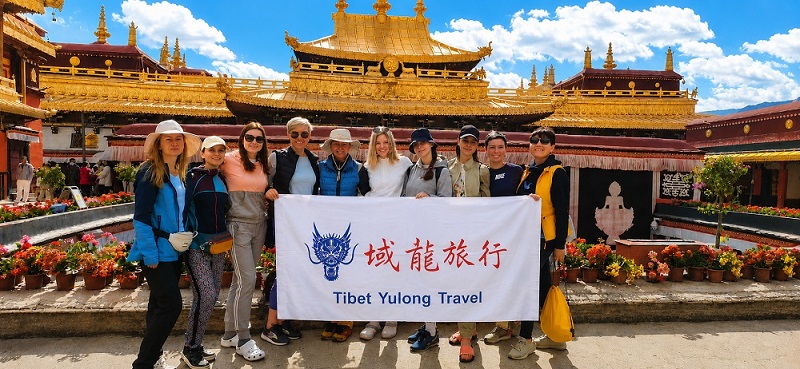
When arranging your logistics, working with a reputable local operator makes a massive difference. For instance, Tibet Yulong Travel specializes in organizing complex itineraries across the Tibetan Plateau. They handle everything from securing the difficult-to-obtain border permits to providing reliable off-road vehicles and experienced drivers who know the nuances of the G219 and the remote roads around Mount Kailash. Utilizing an established agency like Tibet Yulong Travel ensures that when you are figuring out how to get to Ngari, the focus remains on enjoying the spiritual and natural wonders of the journey rather than stressing over bureaucratic or mechanical hurdles.
Ultimately, reaching Ngari is an adventure that tests your endurance but rewards you with some of the most profound landscapes on Earth. Whether you choose the swift flight from Lhasa, the scenic southern overland drive, or the grueling descent from Xinjiang, proper preparation is the key to unlocking the magic of western Tibet.