Standing at the foot of the world’s highest peak is a dream shared by adventurers across the globe. When planning this journey, understanding the available Mount Everest Routes is essential for a safe and rewarding experience. The two primary gateways to the roof of the world are located in Tibet and Nepal, each offering vastly different landscapes, logistical requirements, and physical challenges. As travel infrastructure continues to evolve, selecting the right path for the 2026 and 2027 seasons requires careful consideration of your fitness level, budget, and what kind of mountain experience you truly want.
Whether you prefer a rugged multi-week trek through alpine forests or a high-altitude road trip across the sweeping Tibetan plateau, the choice between these two regions will define your entire adventure. This guide breaks down everything you need to know about the major Mount Everest Routes to help you make an informed decision for your upcoming expedition.
The South Side: Trekking Mount Everest Routes from Nepal
Nepal is arguably the most famous starting point for anyone looking to experience the Himalayas. The classic Everest Base Camp (EBC) trek on the southern side is the most popular among all Mount Everest Routes, attracting tens of thousands of trekkers annually. Starting with a thrilling short flight from Kathmandu to Lukla, the journey immediately immerses you in the heart of the Khumbu region.
The trail winds through dense rhododendron forests, crosses dramatic suspension bridges over rushing rivers, and passes through traditional Sherpa villages like Namche Bazaar, Tengboche, and Dingboche. One of the greatest advantages of choosing the Nepal side is the gradual acclimatization process. Because you are walking from lower elevations up to Base Camp at 5,364 meters, your body has time to adjust to the thinning air, which significantly reduces the risk of severe altitude sickness.
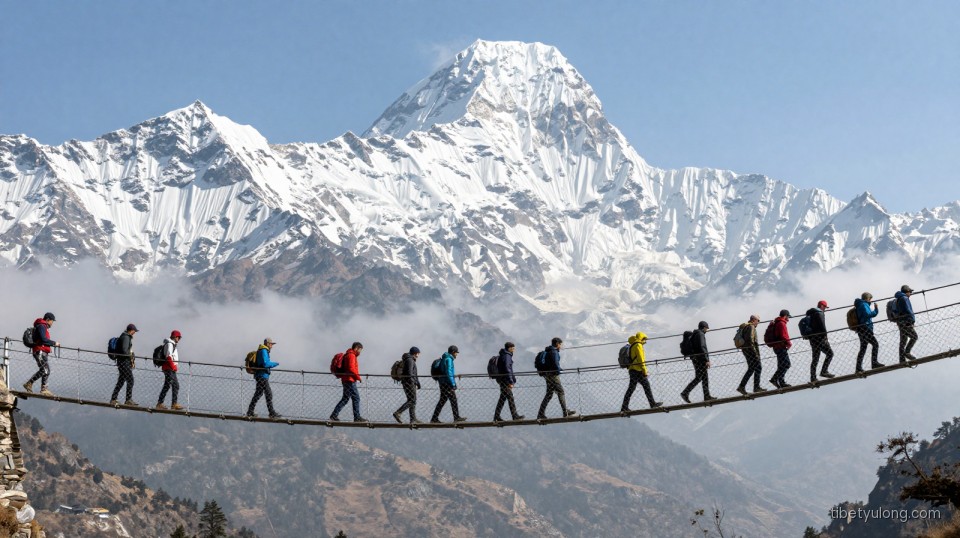
Culturally, the Nepalese route is incredibly rich. You will encounter ancient Buddhist monasteries, spinning prayer wheels, and the warm hospitality of the local Sherpa people. Teahouses line the entire trail, providing basic but comfortable accommodation and hot meals, meaning you do not need to carry heavy camping gear. For the 2026 and 2027 seasons, the teahouse infrastructure in Nepal is expected to remain highly reliable, though booking early during peak spring and autumn windows is always recommended.
However, the popularity of the southern routes comes with a downside. During peak seasons, the trails can become crowded, and securing flights to Lukla can sometimes be delayed due to unpredictable mountain weather. If you are seeking solitude, you might consider alternative Mount Everest Routes in Nepal, such as the Gokyo Lakes trek or the Three Passes Trek, which connect to EBC via higher, less trafficked ridges.
For those aiming to summit the peak rather than just reach Base Camp, the Southeast Ridge from Nepal is the standard climbing route. It involves navigating the treacherous Khumbu Icefall, a constantly shifting maze of deep crevasses and towering ice seracs. Climbing from the south requires hiring a licensed expedition operator, securing a climbing permit from the Nepalese government, and preparing for extreme technical challenges above 8,000 meters.
The North Side: Experiencing Mount Everest Routes from Tibet
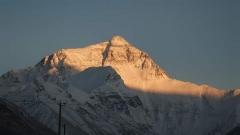
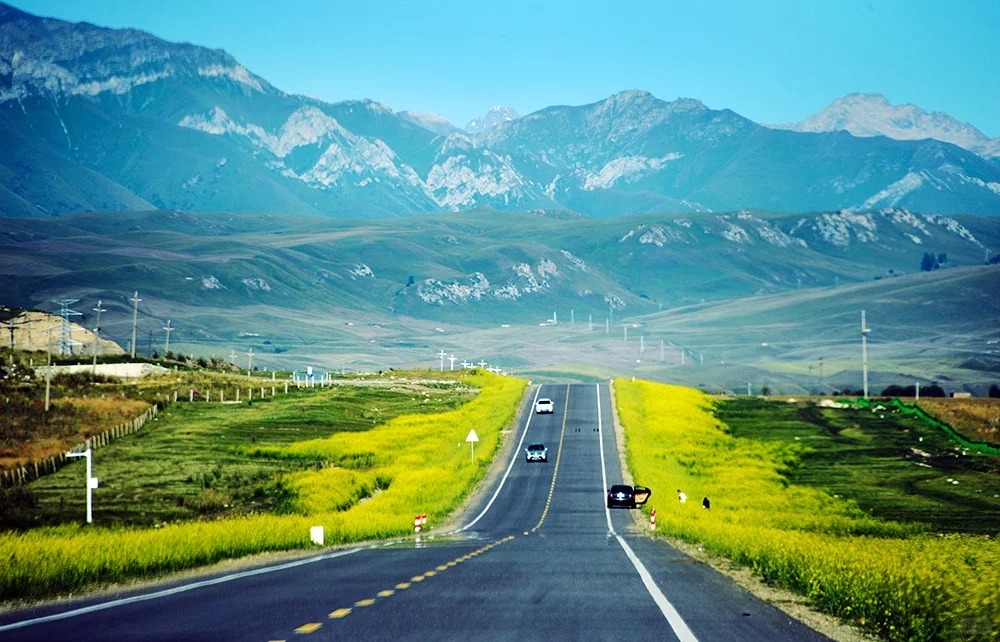
Approaching the mountain from Tibet and Nepal offers a completely different perspective, and the northern side in Tibet is defined by its vast, arid landscapes and remarkable accessibility. Unlike the multi-day trek required in Nepal, the North Base Camp in Tibet sits at 5,150 meters and is accessible by vehicle. A paved road leads directly from the town of Tingri to Rongbuk Monastery, the highest monastery in the world, and onward to the base camp area.
This makes the Tibetan Mount Everest Routes highly appealing for travelers who want to witness the majesty of the peak without committing to weeks of strenuous hiking. The view of the north face from Rongbuk is widely considered one of the most spectacular unobstructed panoramas of the mountain. However, because you can drive to such a high altitude very quickly, the risk of Acute Mountain Sickness (AMS) is significantly higher. Proper acclimatization days spent in Lhasa or Shigatse before heading to the mountain are absolutely mandatory.
Traveling to Tibet requires additional logistical preparation. Foreign travelers must obtain a Tibet Travel Permit in addition to a standard Chinese visa, and independent travel is not permitted; you must be part of an organized tour with a registered guide. While this might seem restrictive, it ensures that transportation, accommodation, and emergency protocols are professionally managed throughout your journey across Tibet and Nepal borders.
For mountaineers, the Northeast Ridge is the primary climbing route from the Tibetan side. Historically, it is considered slightly less technically demanding in its lower sections compared to the Khumbu Icefall on the south, but climbers face harsher winds, colder temperatures, and longer distances between high-altitude camps. Permits for climbing from Tibet are issued by the China Tibet Mountaineering Association, and regulations for the 2026 and 2027 climbing seasons may include strict environmental protection rules and limits on the number of climbers allowed per year to preserve the fragile ecosystem.
Comparing Costs, Difficulty, and Logistics
When evaluating the various Mount Everest Routes, cost is a major deciding factor. Generally, trekking to EBC in Nepal is more budget-friendly. You pay for your flights, permits, guide, and daily teahouse expenses. The Sagarmatha National Park entry fee and local municipality permits are straightforward to obtain. In contrast, organizing a trip to the Tibetan side often involves higher upfront costs due to the mandatory guided tour requirement, vehicle hire, and specialized permits. However, because the Tibetan journey is shorter in duration—often completed in 8 to 10 days round-trip from Lhasa—the overall daily expenditure can balance out.
Physical difficulty also varies greatly. The Nepal trek demands sustained cardiovascular endurance. You will be walking five to seven hours a day for nearly two weeks, dealing with steep ascents and descents over rocky terrain. The Tibet approach is physically less demanding since driving replaces trekking, but it is physiologically more challenging. Sleeping at altitudes above 5,000 meters takes a heavy toll on the body, and the dry, dusty environment can be harsh on the respiratory system.
Weather patterns dictate the best times to visit both sides of the mountain. The pre-monsoon season (April to May) and the post-monsoon season (late September to November) offer the clearest skies and most stable conditions. For 2026 and 2027, monitoring long-range weather forecasts will be crucial, as climate shifts have been causing more unpredictable snowfalls and windstorms in recent years. Winter expeditions are possible but reserved only for highly experienced professionals due to extreme cold and hurricane-force jet stream winds.
Environmental Considerations and Sustainable Travel
As you plan your route between Tibet and Nepal, sustainability should be at the forefront of your decision-making. Both sides of the mountain have faced significant environmental pressures from decades of tourism. In Nepal, initiatives like the “Carry Me Back” campaign encourage trekkers to bring their waste down from the mountains. When choosing a trekking agency, prioritize those that enforce strict leave-no-trace policies and support local Sherpa communities through fair wages and community projects.
On the Tibetan side, authorities have implemented rigorous cleanup campaigns and restricted access zones to protect the Rongbuk glacier and surrounding environment. When researching Mount Everest Routes for 2026 and 2027, look for operators who actively participate in high-altitude waste management and respect the ecological limits set by local governments. Responsible travel ensures that future generations will be able to experience the same awe-inspiring landscapes.
Making Your Final Decision
Choosing between the options spanning Tibet and Nepal ultimately depends on your personal travel style. If you crave a deeply immersive cultural experience, enjoy physical challenges, and want to spend days walking through diverse ecosystems, the southern trekking routes in Nepal are unmatched. The camaraderie built on the trail and the rhythm of walking from village to village create memories that last a lifetime.
Conversely, if you are short on time, prefer a more comfortable overland journey, or want to see the sheer scale of the Tibetan plateau, the northern routes offer an incredible alternative. Standing outside Rongbuk Monastery as the sun sets behind the summit is a profoundly moving experience that requires no hiking boots to achieve.
Regardless of which Mount Everest Routes you select for 2026 or 2027, thorough preparation is non-negotiable. Invest time in physical training, research reputable guides, secure your permits well in advance, and pack appropriate gear for extreme environments. By carefully weighing the differences between the approaches available in Tibet and Nepal, you can tailor your expedition to match your ambitions, ensuring a safe and unforgettable encounter with the highest point on Earth.