Key Points
- A Cultural Tibet Tour offers travelers the opportunity to experience ancient Buddhist traditions, explore centuries-old monasteries, and engage with local communities in a deeply meaningful way.
- Proper preparation is essential for this journey, including securing the required Tibet Travel Permit through a registered agency, acclimatizing to high altitudes gradually, and packing appropriately for unpredictable mountain weather.
- Engaging respectfully with local customs—such as walking clockwise around religious sites, asking permission before photographing locals, and understanding basic Tibetan etiquette—greatly enhances the authenticity of your travel experience.
- Exploring regional cuisine, attending traditional festivals, and spending time in local teahouses are highly recommended ways to immerse yourself fully in the daily life and rich heritage of the Tibetan Plateau.
Traveling to the roof of the world is rarely just about checking off landmarks or taking photographs of snow-capped peaks. For many visitors, the true draw lies in the deep spiritual resonance and ancient traditions that have survived here for centuries. Embarking on a Cultural Tibet Tour allows you to step beyond the typical tourist trail and immerse yourself in a way of life shaped by extreme altitudes, profound Buddhist philosophy, and resilient nomadic heritage. Whether you are wandering through incense-filled monastery courtyards or sharing butter tea with a local family, understanding how to navigate this unique destination respectfully will transform your trip from a simple vacation into a life-changing experience.
Preparing for Your Journey to the Plateau
Before you can dive into the rich heritage of the region, logistical preparation is crucial. The most important step in planning any Cultural Tibet Tour is securing the necessary travel documents. Foreign travelers cannot enter Tibet independently; you must book your trip through a registered travel agency that will apply for your Tibet Travel Permit on your behalf. This process usually takes a few weeks, so booking well in advance is highly recommended. Your agency will also help arrange the mandatory guide who will accompany you throughout your stay, ensuring both your safety and compliance with local regulations.
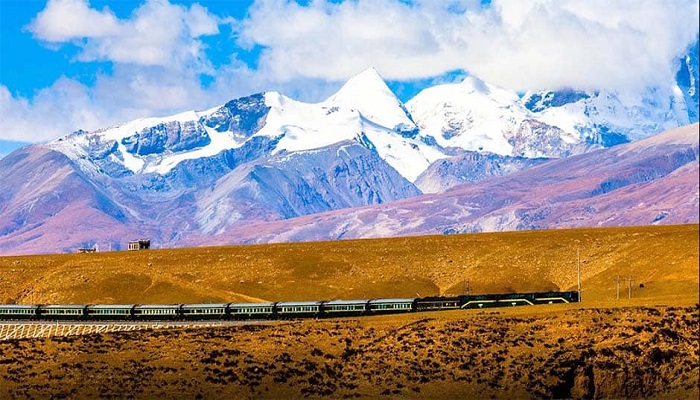
Altitude is another factor that demands respect. Lhasa sits at roughly 3,650 meters above sea level, and many other cultural sites are even higher. To prevent altitude sickness, spend your first two days resting, staying hydrated, and avoiding strenuous physical activity. Many experienced travelers suggest flying into Xining and taking the Qinghai-Tibet Railway to Lhasa. This train journey not only offers spectacular views of the plateau but also allows your body to adjust to the elevation more gradually than arriving by air.
Packing smartly is equally important. The weather on the plateau can shift rapidly from intense sunshine to biting cold winds within hours. Layered clothing, strong sunscreen, sunglasses, and comfortable walking shoes are non-negotiable items for your luggage. When you are physically comfortable, you can focus entirely on absorbing the cultural experiences around you.
Exploring Monasteries and Sacred Sites
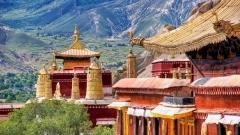
Tibetan Buddhism is the heartbeat of the region, and no Cultural Tibet Tour is complete without visiting its sacred monasteries. In Lhasa, the Potala Palace stands as an architectural marvel and a symbol of Tibetan history. While the exterior is breathtaking, the interior chapels, tombs of past Dalai Lamas, and intricate murals tell the deeper story of the region’s spiritual lineage. Because visitor numbers are strictly limited daily, your guide will need to secure entry tickets ahead of time.
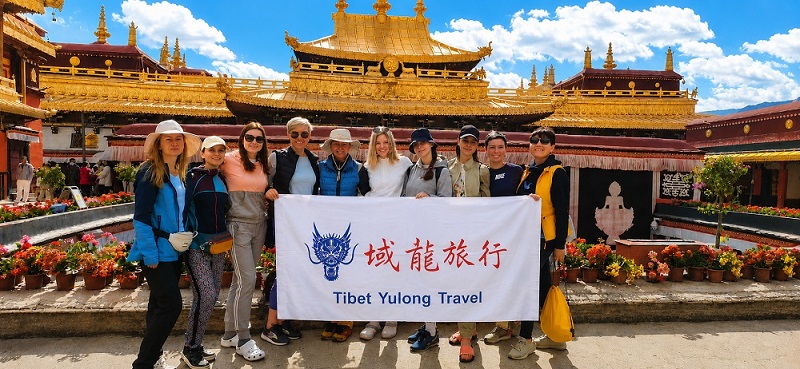
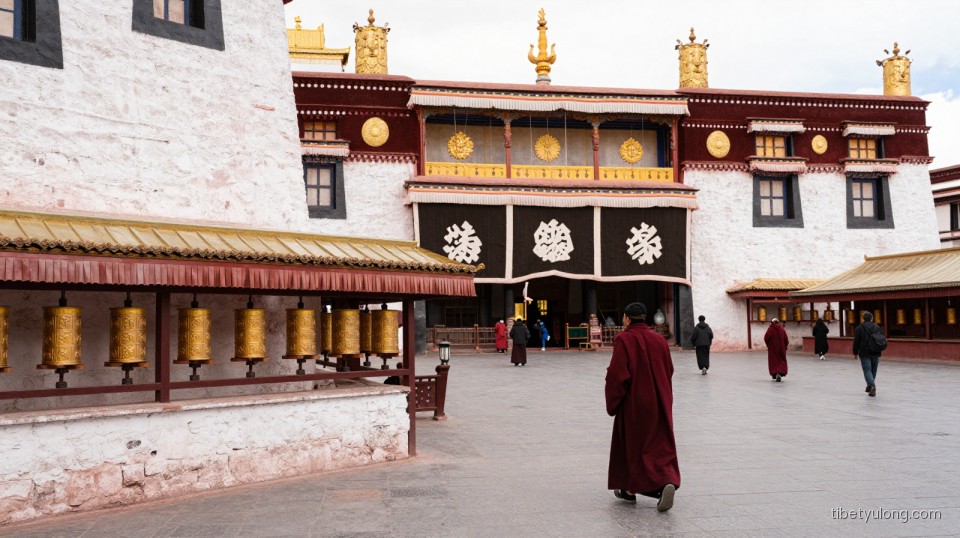
Jokhang Temple is arguably the most spiritually significant site in Tibet. Located in the heart of Lhasa’s old town, it draws pilgrims from across the plateau who perform full-body prostrations outside its doors. Inside, the golden statue of Jowo Shakyamuni is the focal point of devotion. To truly appreciate the atmosphere, visit early in the morning when the temple is filled with chanting monks and the scent of juniper incense. Afterward, join the flow of pilgrims on the Barkhor Circuit, the kora (pilgrimage path) that surrounds the temple. Walking this route clockwise alongside locals is one of the most immersive experiences you can have.
Beyond Lhasa, consider extending your itinerary to include monasteries like Drepung and Sera. Sera Monastery is famous for its monk debates, which take place in the courtyard every afternoon. Watching the monks clap their hands, stomp their feet, and shout philosophical arguments is a dynamic display of living tradition rather than a staged performance for tourists. Further afield, Tashilhunpo Monastery in Shigatse serves as the traditional seat of the Panchen Lama and offers a quieter, less crowded environment to study thangka paintings and Buddhist architecture.
Understanding Local Etiquette and Customs
Navigating social interactions gracefully is what separates a standard sightseeing trip from a genuinely enriching Cultural Tibet Tour. Tibetan people are generally warm and welcoming, but they hold their religious and cultural practices in high regard. Learning a few basic rules of etiquette will earn you immense respect from locals.
Always walk clockwise around stupas, mani stones (carved prayer stones), and monastery complexes. This follows the direction of the sun and aligns with Buddhist cosmological beliefs. When entering temples, remove your hat and sunglasses, and never wear shorts or revealing clothing. Photography inside monastery chapels is often prohibited or requires a small fee paid to the monks guarding the entrance. Always ask for explicit permission before taking portraits of local people, especially elderly individuals or monks engaged in prayer.
The traditional Tibetan greeting involves placing your palms together in front of your chest and slightly bowing your head. If someone offers you a khata (a ceremonial silk scarf), accept it with both hands. It is considered a great honor and a blessing. You may also notice locals sticking out their tongues slightly when greeting you; this is an ancient custom meant to prove they are not harboring evil spirits, and it is a sign of friendly respect.
Savoring Authentic Tibetan Cuisine
Food is a vital component of cultural exploration, and the Tibetan diet reflects the harsh, high-altitude environment where fresh vegetables were historically scarce. During your Cultural Tibet Tour, stepping away from international hotel buffets to eat where the locals eat will give you a much better sense of daily life.
Tsampa, roasted barley flour mixed with butter tea and sometimes dried cheese, is the staple food of the plateau. It is nutritious, easy to prepare, and provides the energy needed for life at high elevations. Butter tea itself is an acquired taste for many foreigners. Made from black tea, yak butter, and salt, it is more akin to a light soup than the sweet tea Westerners might expect. Drinking it is essential for hydration and combating the dry mountain air.
Yak meat features prominently in local dishes. You will find it served in hearty noodle soups, as dried jerky, or cooked in momos—traditional Tibetan dumplings that can be steamed or fried. Sweet tea is also widely available in Lhasa’s numerous teahouses. Spending an hour in a local teahouse, sipping sweet tea and watching residents play dice or chat, is one of the best ways to observe unfiltered, everyday culture. These humble establishments serve as community hubs where generations gather, making them perfect spots for quiet observation and casual interaction.
Timing Your Visit Around Festivals
If your schedule allows, aligning your Cultural Tibet Tour with a major festival will elevate your experience dramatically. Tibetan festivals are vibrant, colorful, and deeply rooted in religious history. They offer a rare glimpse into traditional music, dance, and communal celebration that you simply cannot find on an ordinary day.
Losar, the Tibetan New Year, usually falls in February or March. During this time, homes are cleaned thoroughly to sweep away bad luck, and families gather to share special foods and drinks. Monasteries host elaborate ceremonies, and the streets fill with joyous energy. Another spectacular event is the Shoton Festival in August, originally a yogurt banquet for monks emerging from their summer retreats. Today, it is famous for the unveiling of massive, brightly colored thangkas (religious tapestries) at Drepung Monastery at dawn, followed by days of traditional Tibetan opera performances in Norbulingka Park.
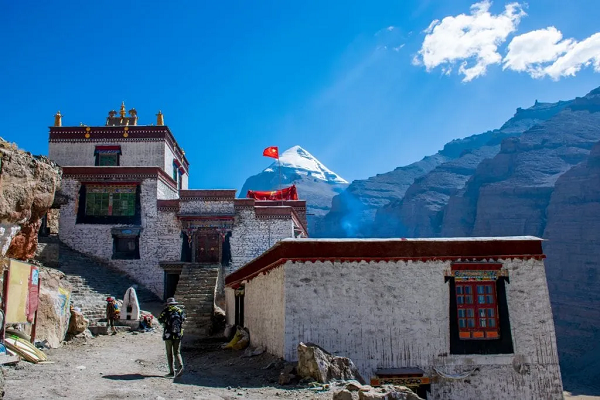
The Saga Dawa festival, occurring in May or June, commemorates the birth, enlightenment, and death of Buddha. During this holy month, many Tibetans abstain from eating meat, and thousands of pilgrims flock to Mount Kailash or walk the kora routes in Lhasa. Participating in these events—even simply as a respectful observer—connects you directly to the spiritual pulse of the region.
Connecting with Nomadic Communities
While Lhasa and Shigatse provide incredible historical context, the vast grasslands of the plateau reveal another side of Tibetan identity. Venturing into regions like Nagqu or the areas surrounding Yamdrok Lake introduces you to the nomadic herders who have roamed these landscapes for millennia. Including a visit to a nomadic tent camp is a highlight for many undertaking a Cultural Tibet Tour.
Nomads live in large, dark tents woven from yak hair, designed to withstand fierce winds and retain heat. If you are invited inside, you will likely be seated near the central stove and offered tea or dried cheese. Their lives revolve around their herds of yaks, sheep, and goats. Listening to their stories, observing how they spin yarn, and understanding their symbiotic relationship with the harsh landscape provides a profound perspective on resilience and simplicity.
When visiting rural or nomadic areas, bringing small, practical gifts like school supplies for children is appreciated, but handing out money or candy is discouraged as it can foster dependency. Instead, purchasing local handicrafts directly from artisans supports the community economically while giving you a meaningful souvenir. Hand-woven aprons, silver jewelry, and wooden bowls crafted by local hands carry the spirit of the plateau far better than mass-produced trinkets ever could.
A successful Cultural Tibet Tour requires more than just a passport and a plane ticket. It demands patience, an open mind, and a willingness to step outside your comfort zone. By preparing properly for the altitude, respecting ancient customs, engaging with local cuisine, and seeking out genuine human connections, you ensure that your journey honors the rich heritage of this extraordinary land. The plateau leaves a lasting mark on those who approach it with sincerity, offering memories that resonate long after you have descended back to lower elevations.