Planning a journey to the Roof of the World is unlike preparing for any other destination. The high altitude, remote landscapes, and deeply rooted spiritual traditions create an environment where standard travel rules simply do not apply. Understanding local customs is not just a matter of politeness; it is the key to unlocking a meaningful experience in this extraordinary region. To help you prepare, we have gathered essential Tibet culture facts that every visitor should know before setting foot on the plateau.
Key Points
- Tibetan Buddhism profoundly influences daily life, architecture, and social customs across the entire region.
- Respecting religious sites, monks, and local traditions requires specific behavioral etiquette that differs from Western norms.
- Traditional foods like tsampa, yak butter tea, and barley wine are central to Tibetan hospitality and survival at high altitudes.
- Navigating the practicalities of permits, greetings, and environmental respect ensures a smoother and more authentic journey.
The Spiritual Foundation of the Plateau
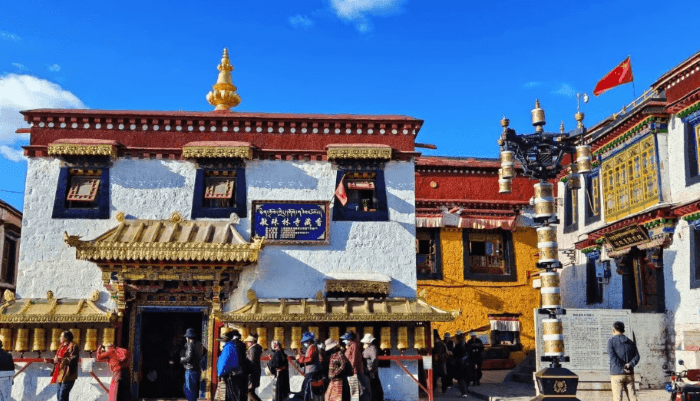
When exploring Tibet culture facts, the first thing you must understand is that spirituality is not confined to temples; it permeates every aspect of daily existence. Tibetan Buddhism, primarily the Gelug, Kagyu, Nyingma, and Sakya schools, shapes how people think, work, and interact with their environment. You will see prayer flags fluttering on mountain passes, mani stones carved with sutras along trails, and pilgrims performing full-body prostrations on their way to sacred sites. This deep devotion is genuine and commands absolute respect from visitors.
Monasteries are the beating heart of Tibetan communities. Places like Sera, Drepung, and Tashilhunpo are not merely historical museums but active centers of learning and worship. When visiting these institutions, remember that they are functioning religious spaces. Monks dedicate their lives to study and meditation, and their routines should not be disrupted by tourist activities. Observing quietly and maintaining a respectful distance during debates or prayer sessions allows you to witness living history without being intrusive.
The concept of karma and compassion drives much of the local behavior you will observe. Many Tibetans practice vegetarianism or avoid killing animals directly, reflecting Buddhist principles of non-violence. You might also notice people spinning prayer wheels or murmuring mantras while walking. These are continuous acts of generating merit and sending positive energy into the world, illustrating how seamlessly faith integrates into everyday movement.
Etiquette and Social Customs
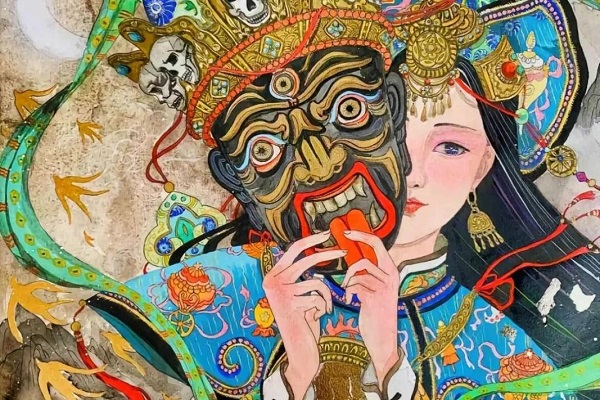
Navigating social interactions requires awareness of specific protocols. One of the most recognizable Tibet culture facts involves the traditional greeting. Instead of a handshake, locals often stick out their tongues slightly. This custom dates back centuries as a way to prove one was not a black magic practitioner, as folklore suggested evil sorcerers had black tongues. Today, it remains a sign of respect and harmless intent, though younger generations in urban areas may simply nod or use verbal greetings.
The khata, a ceremonial silk scarf usually white or pale blue, holds immense significance. It is offered during festivals, weddings, funerals, and when welcoming honored guests. If someone presents you with a khata, accept it with both hands and a slight bow. Never put it around your neck immediately if offered by a senior person or monk; instead, hold it respectfully. White represents purity and compassion, making the khata a physical manifestation of good wishes.
Hospitality in Tibetan homes follows its own rhythm. When invited inside, you will likely be seated according to status, often near the hearth or altar. It is customary to cross your legs rather than stretch them out, as pointing your feet toward people, religious objects, or the hearth is considered highly offensive. Always accept offered food or drink, even if you only take a small sip or bite, as refusing outright can cause loss of face for your host.
Sacred Spaces and Religious Respect
Temples and stupas require specific behavioral adjustments. One of the most critical Tibet culture facts regarding movement is the direction of circumambulation. Buddhists walk clockwise around stupas, mani walls, and temple complexes. Walking counterclockwise is associated with the Bon religion, the pre-Buddhist indigenous faith of Tibet, and doing so in a Buddhist context is seen as disrespectful. Always follow the flow of local pilgrims to ensure you are moving in the correct direction.
Photography inside monasteries is strictly regulated. Many chapels prohibit cameras entirely to protect ancient murals from flash damage and to maintain a meditative atmosphere. Always look for signs or ask permission before raising your camera. In some locations, you may be required to pay a small fee to photograph specific statues or interior courtyards. Respecting these rules protects the cultural heritage you came to admire.
Physical contact with religious artifacts is another sensitive area. Never touch Buddha statues, thangka paintings, or ritual implements. Similarly, avoid touching monks or nuns, particularly those of the opposite sex. Physical boundaries are maintained to preserve vows of celibacy and spiritual focus. If you need to hand something to a monastic, place it on a table or offer it with both hands without making direct skin contact.
Food, Drink, and Daily Sustenance
Dietary habits on the plateau are shaped by extreme altitude and harsh climate. Yak butter tea, known locally as po cha, is the ultimate staple. Made from strong black tea, churned with yak butter and salt, it tastes more like a light broth than a beverage. It provides essential calories and hydration in the dry, cold air. Accepting a cup when offered is a basic courtesy, and your host will continuously refill it until you leave a little untouched to signal you are finished.
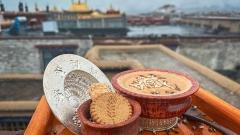
Tsampa, roasted barley flour, is the foundational carbohydrate of the Tibetan diet. Locals mix it with butter tea in a bowl, kneading it with their fingers into a dough-like consistency before eating it. It is incredibly nutritious, easy to transport, and requires no cooking fire, making it perfect for nomadic herders and pilgrims alike. Trying tsampa is a direct way to connect with the practical realities of high-altitude survival.
Chang, a mildly alcoholic fermented barley beer, is the preferred social drink. It has a slightly sour, sweet taste and low alcohol content, though drinking too much at high elevations can amplify its effects faster than at sea level. During festivals or family gatherings, chang flows freely. Toasts are common, and you may hear the phrase “Tashi Delek” (good luck/auspiciousness) raised alongside cups. Participating moderately shows appreciation for local conviviality.
Yak meat features prominently in many dishes due to the animal’s ability to thrive above 4,000 meters. Momos, steamed dumplings filled with yak meat or vegetables, have become globally popular but taste best fresh from a Lhasa street vendor. Thukpa, a hearty noodle soup with meat and vegetables, provides necessary warmth after a day of exploring. While vegetarian options exist due to Buddhist influences, pure veganism can be challenging to navigate outside major tourist hubs.
Festivals, Arts, and Practical Realities
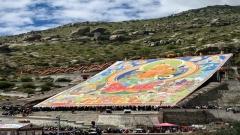
Timing your visit around a festival offers unparalleled insight into local traditions. Losar, the Tibetan New Year, involves days of prayers, feasting, and traditional dances. Saga Dawa commemorates the birth, enlightenment, and death of Buddha, drawing thousands of pilgrims to Mount Kailash and Lhasa for circumambulations. Shoton Festival, originally a yogurt banquet for monks ending their summer retreat, now features massive thangka unveilings and spectacular Tibetan opera performances. These events showcase the vibrant intersection of devotion and celebration.
Tibetan art is inherently religious. Thangka paintings are intricate scroll artworks depicting deities, mandalas, or historical scenes, used as meditation aids rather than mere decoration. Creating a thangka requires years of training, precise geometric measurements, and natural mineral pigments that last centuries. Sand mandalas, painstakingly constructed by monks over days only to be ritually destroyed, teach the core Buddhist lesson of impermanence. Appreciating these arts requires understanding their spiritual utility.
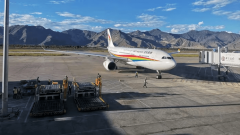
Before booking flights, travelers must grasp the logistical realities. Foreign visitors cannot travel independently in the Tibet Autonomous Region; you must book through a registered travel agency and obtain a Tibet Travel Permit in addition to a Chinese visa. This regulation exists to manage tourism impact and ensure safety in remote areas. Furthermore, acclimatization is non-negotiable. Spend your first two or three days resting in Lhasa, drinking plenty of fluids, and avoiding strenuous activity to let your body adjust to the thin air.
Environmental consciousness is deeply tied to spiritual beliefs. Mountains, lakes, and rivers are often considered abodes of local deities. Polluting water sources, littering on mountain passes, or behaving loudly in sacred natural spaces is viewed as spiritually harmful. Leave No Trace principles align perfectly with local values. By treating the landscape with reverence, you honor both the ecosystem and the people who have protected it for generations. Knowing these Tibet culture facts transforms your trip from a simple sightseeing tour into a profound journey of cross-cultural understanding and personal growth.