Traveling to the high plateau is an experience unlike any other on Earth. If you are planning to visit Tibet, you are preparing for a journey that combines profound spiritual heritage, staggering natural landscapes, and a deeply rooted culture. However, because of its unique geography and administrative regulations, a trip here requires more preparation than your average vacation. To help you navigate the process smoothly, we have broken down exactly how to visit Tibet into nine straightforward steps for your upcoming travels.
Key Takeaway
- Planning ahead for permits, health, and logistics is essential when you visit Tibet.
- Understanding altitude sickness prevention ensures a safer and more enjoyable journey across the high plateau.
- Choosing the right season and transportation method drastically shapes your overall travel experience.
- Respecting local customs and religious sites makes your trip culturally enriching and responsible.

Step 1: Understand the Permit Requirements
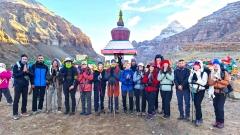
Before you can visit Tibet, securing the proper documentation is your most critical task. Foreign travelers cannot simply buy a plane ticket and arrive; you must obtain a Tibet Travel Permit (TTP). This document is issued by the Tibet Tourism Bureau and is mandatory for all non-Chinese passport holders. You cannot apply for this permit independently. Instead, you must book your tour through a registered local travel agency, which will handle the application on your behalf using copies of your passport and Chinese visa. The process typically takes about two to three weeks, so early planning is absolutely necessary. Additionally, if your itinerary includes remote areas like Mount Everest Base Camp or Mount Kailash, your agency will also need to arrange an Alien Travel Permit and potentially a Military Permit.
Step 2: Choose the Best Time to Go
The timing of your trip significantly impacts your experience when you visit Tibet. The most popular months are generally from April to June and September to November. During these windows, the weather is relatively stable, the skies are clear, and daytime temperatures are comfortable for sightseeing. July and August bring warmer weather but also coincide with the monsoon season, meaning rain showers are frequent and cloud cover might obscure views of the major Himalayan peaks. Winter, from December to February, is very cold, and some mountain passes may close due to snow. However, winter offers fewer crowds and incredibly crisp views of the mountains if you are prepared for freezing temperatures. Align your travel dates with what you want to see and do.
Step 3: Prepare for High Altitude
Altitude sickness is the primary health concern for anyone who decides to visit Tibet. Lhasa, the capital, sits at roughly 3,650 meters (11,975 feet) above sea level, and many excursions go much higher. Before your trip, consult with a healthcare provider, especially if you have underlying heart or respiratory conditions. Many doctors recommend taking acetazolamide as a preventative measure, starting a day or two before your ascent. Once you arrive, the golden rule is to take it slow. Do not rush out to explore immediately upon landing. Spend your first 48 hours resting, staying hydrated, avoiding alcohol, and eating light meals. Allow your body time to acclimatize naturally to the thin air before attempting strenuous hikes or traveling to even higher elevations.
Step 4: Book a Registered Tour Agency
As mentioned in the first step, independent travel for foreign tourists is not permitted. To visit Tibet legally and safely, you must be part of an organized tour with a licensed guide and a dedicated driver. When selecting a travel agency, look for operators with strong reviews, transparent pricing, and extensive experience handling international travelers. A good agency will tailor the itinerary to your pace, ensuring adequate time for acclimatization. They will also manage all logistical hurdles, including hotel bookings in remote areas where online reservations are impossible, vehicle permits, and entrance tickets to monasteries. Communicate your interests clearly—whether you prefer focusing on Buddhist monasteries, trekking routes, or photography spots—so they can build the best possible itinerary for you.
Step 5: Arrange Your Transportation
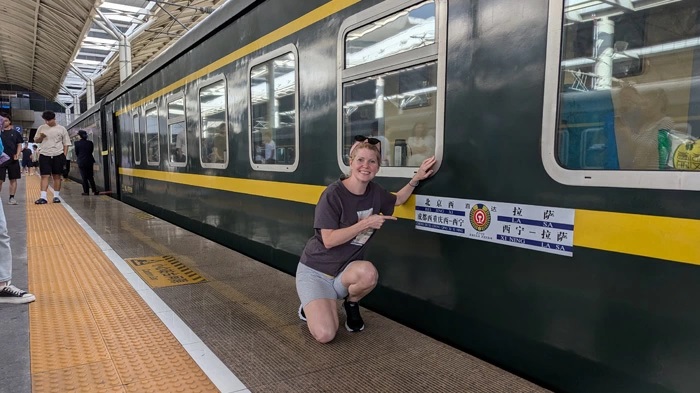
Getting into the region is a major part of the adventure when you visit Tibet. There are two primary ways to enter: by air or by rail. Flying directly into Lhasa Gonggar Airport is the fastest option, but the sudden change in elevation increases the risk of altitude sickness. Alternatively, taking the Qinghai-Tibet Railway from cities like Xining, Chengdu, or Beijing is highly recommended. The train journey takes longer, but the gradual ascent helps your body adjust to the altitude. The railway itself is an engineering marvel, passing through stunning landscapes, permafrost regions, and alongside grazing yaks. Some travelers choose to fly in and take the train out, or vice versa, to experience both modes of transport while balancing health considerations.
Step 6: Pack Smartly for the Climate
Packing for a high-altitude destination requires a strategic approach. Even in summer, temperatures drop significantly once the sun goes down. Layering is the most effective strategy. Bring moisture-wicking base layers, insulating mid-layers like fleece or down jackets, and a windproof, waterproof outer shell. Sun protection is vital; the UV radiation at high altitudes is intense. Pack high-SPF sunscreen, polarized sunglasses, and a wide-brimmed hat. Comfortable, broken-in walking shoes are essential for exploring monastery courtyards and uneven terrain. Also, bring a basic medical kit containing pain relievers, anti-diarrhea medication, lip balm, and throat lozenges, as the dry air often irritates the respiratory tract. Keep your luggage manageable, as you may need to carry it up stairs in smaller guesthouses.
Step 7: Plan Your Itinerary Wisely
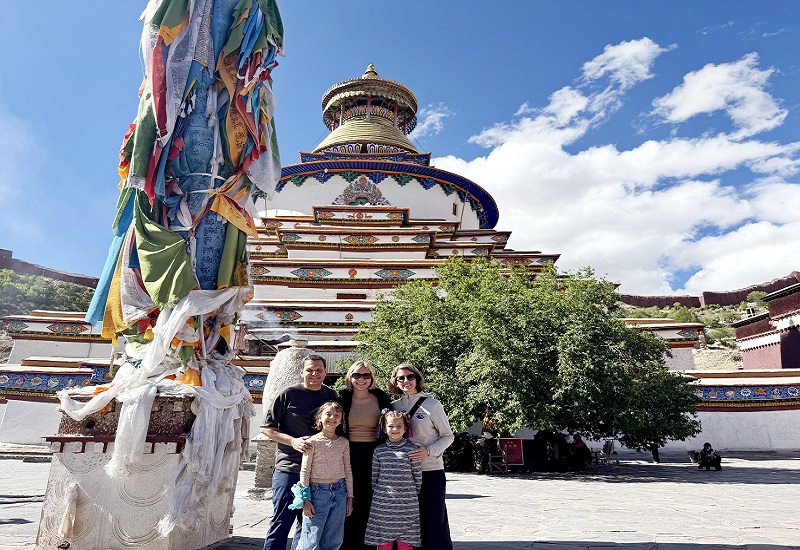
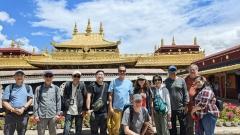
A well-paced itinerary is crucial when you visit Tibet. Most standard tours begin in Lhasa, allowing two to three days to explore the Potala Palace, Jokhang Temple, and the bustling Barkhor Street while acclimatizing. From there, routes often branch out. A popular extension is the drive to Gyantse and Shigatse, visiting the Pelkor Chode Monastery and Tashilhunpo Monastery. For those seeking dramatic landscapes, the overland journey to Everest Base Camp offers unparalleled views of the world’s highest peak. Another profound route is the pilgrimage circuit around Mount Kailash, though this requires excellent physical fitness and extra permits. Avoid cramming too many destinations into a short timeframe. The roads can be long and winding, and rushing compromises both your health and your enjoyment.
Step 8: Respect Local Culture and Customs
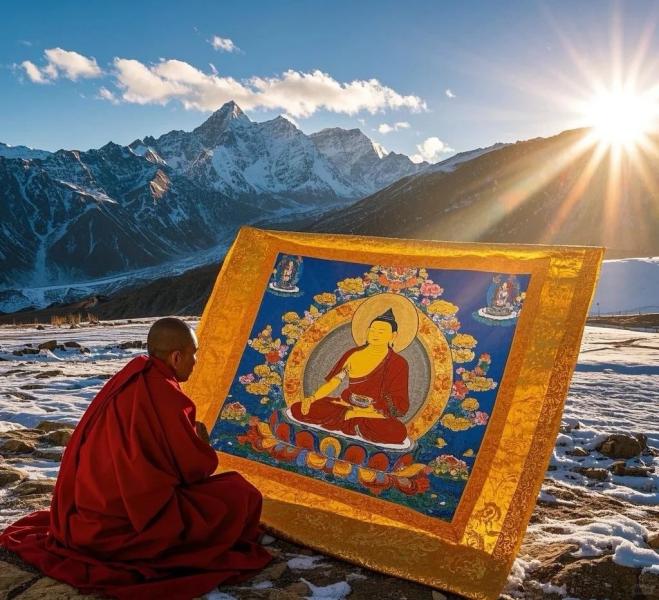
Traveling here means entering a deeply religious society. Showing respect for local customs is paramount when you visit Tibet. Always walk clockwise around Buddhist monuments, mani stones, and inside temples. Ask for permission before photographing local people, monks, or the interiors of monasteries, as photography is strictly prohibited in certain sacred halls. Dress modestly when visiting religious sites; avoid wearing shorts, tank tops, or revealing clothing. Do not touch religious artifacts, murals, or offerings without explicit permission. It is also customary to remove your hat and sunglasses when entering a temple. By observing these simple etiquette rules, you demonstrate respect for the Tibetan people and their spiritual practices, fostering positive interactions throughout your journey.
Step 9: Manage Your Budget and Money
While major hotels and larger restaurants in Lhasa might accept digital payments or credit cards, cash remains king in most parts of the region. ATMs are available in Lhasa and Shigatse but become scarce or nonexistent in rural areas and along remote highways. Withdraw sufficient Chinese Yuan (RMB) before leaving the major cities. Your budget should account for the mandatory tour package, which usually covers the guide, driver, vehicle, permits, and accommodation. Additional costs will include meals not covered by your package, entrance fees to certain sites, souvenirs, and tips for your guide and driver. Tipping is not traditionally a local custom, but it has become expected and appreciated in the tourism industry. Discuss tipping guidelines with your agency beforehand so you know what is appropriate.